
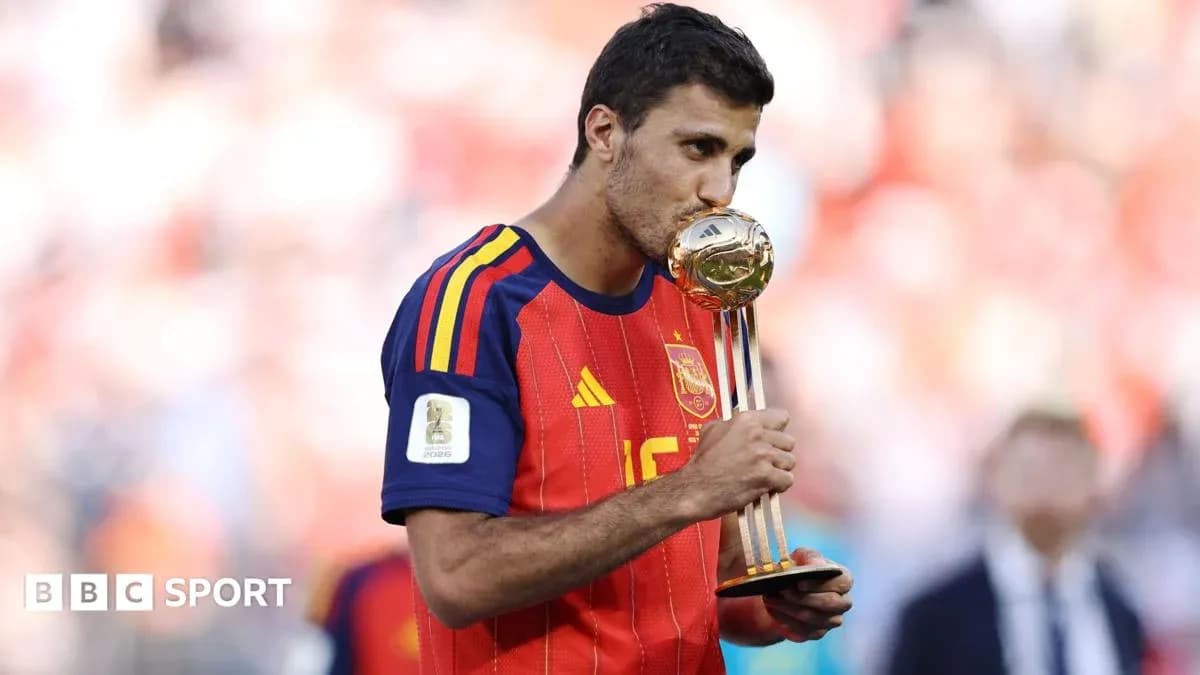
Manchester City Faces Transition: Rodri's Future at Stake
Manchester City stand at a crossroads.
A decade of Pep Guardiola has gone. The Treble-winning machine has been stripped of key parts. A new coach with big ideas walks into a dressing room that no longer looks or feels the same.
This is not a gentle transition. It is a reset.
Maresca walks into a moving target
Enzo Maresca has inherited a club in motion rather than a finished product. Four starters from that 2022-23 Treble side – Manuel Akanji, Nathan Ake, Bernardo Silva and John Stones – have gone in the same summer. That is not tinkering. That is surgery on the spine of a champion team.
In their place, City have pushed £116m towards Elliot Anderson and handed a pathway to 17-year-old Jeremy Monga. Talent, yes. Proven at this level, in this system, under this pressure? Not yet.
And the most important piece of all is now in question.
Rodri, fresh from captaining Spain to World Cup glory and winning the Golden Ball as the tournament’s best player, goes under the knife on Monday for back surgery. He has a year left on his contract. Speculation around his future grows louder by the week, with reports in Spain suggesting Real Madrid are operating on the assumption he will eventually arrive.
City’s metronome, the man who made Guardiola’s vision possible, is suddenly at the heart of a very different conversation: cash in, or build around him again?
Rodri: centrepiece or final big sale?
Maresca did not hesitate when the subject came up in his first news conference.
“I think every manager wants to have Rodri because he is a top player,” he said. Then he laid out the short-term plan: surgery, holiday, rest, recovery, and then back with the group.
The message was obvious. Keep him. Build with him. Do not voluntarily remove the brain from a team already undergoing major surgery.
Yet City cannot ignore the realities. Rodri is 30. His contract is running down. A superclub circling in the background changes the dynamic. If Madrid truly believe he is on his way, they will test City’s resolve once he proves his fitness.
So City find themselves in a familiar modern dilemma. Do they take one more elite season and risk losing him for less, or even for nothing? Or do they bank a huge fee and trust Maresca to accelerate the next evolution of their midfield?
For now, the public stance is clear: Rodri stays. The private planning, though, has already moved on to contingencies.
Building a new midfield board
One of those contingencies is already in the building. Elliot Anderson arrives with a hefty price tag and the kind of profile that suggests City see him as more than a squad filler. At 18, Ayyoub Bouaddi of Lille is another name on the radar, his World Cup performances for Morocco catching the eye of City’s recruitment team.
Those names only make sense when viewed through Maresca’s lens.
A disciple of positional play, he talks about football as if it were chess. Not in the lazy cliché sense, but in the way he describes the game: pieces, patterns, counter-moves, the geometry of the pitch. His football is not just about where players start, but how they move through zones as the ball travels.
His preferred attacking structure resembles a 3-2-2-3 when City have the ball. Three at the back. Two in front. Two advanced midfielders. Three up top. The beauty – and the difficulty – lies in how you create that shape from a basic defensive set-up.
Rodri is almost purpose-built for that kind of system. Throughout the World Cup, he showed exactly why. He dropped into the backline when Aymeric Laporte stepped out with the ball, then slid back into holding midfield when Spain needed control. When space opened up, he stepped forward, carrying play into the final third without ever losing his sense of risk.
He reads space. He reads tempo. He reads danger. That is what Maresca wants at the base of his structure.
Maresca’s moving parts
We have seen hints of this before. During City’s Treble-winning season, when Maresca worked as Guardiola’s assistant, John Stones stepped from centre-back into midfield alongside Rodri. Out of possession, City were a 4-4-2. With the ball, they morphed into that 3-2-2-3, Stones acting as the extra pivot.
At Chelsea, Maresca pushed the idea further. Moises Caicedo, a natural holding midfielder, started at right-back. Defensively, it looked like a standard back four. Once Chelsea had the ball, Caicedo drifted inside, forming one of the two holding roles and again creating that same 3-2-2-3 pattern from a different starting point.
This is where Maresca’s value lies if Rodri goes. He has shown a sharp eye for repositioning players into roles they have not yet explored: Stones into holding midfield, Caicedo into full-back, Marc Cucurella into attacking midfield. He looks at a squad and sees not just what players are, but what they might become inside his structure.
With Rodri, the transition would be smoother. The Spaniard already understands the nuances of positioning, the speed of circulation, and the calculated risks that underpin elite positional play. It took him a few seasons under Fernandinho’s guidance to master that environment. Anderson, Bouaddi or any future signing will face a similar learning curve.
Without Rodri, Maresca’s challenge grows. He would need to accelerate that development, trust his own eye for reinvention, and lean heavily on the collective rather than a single dominant pivot.
Bigger squad, different philosophy
One clear break from the Guardiola era is already emerging. Guardiola preferred a tight group, a small squad of trusted lieutenants he could drill relentlessly. Maresca appears more open to a broader cast, more pieces on his board to shift and experiment with.
That matters in a season of transition. With or without Rodri, City are likely to need different solutions for different games as they search for their new identity. The safety net of a deeper squad gives Maresca more room to fail, adjust and find a formula that sticks.
For a decade, City’s story has been about refinement – polishing an already glittering idea. Under Maresca, it feels more like invention.
Whether Rodri anchors that invention or Madrid finally pull him away will define not just City’s midfield, but the shape of their entire next era.
Related News
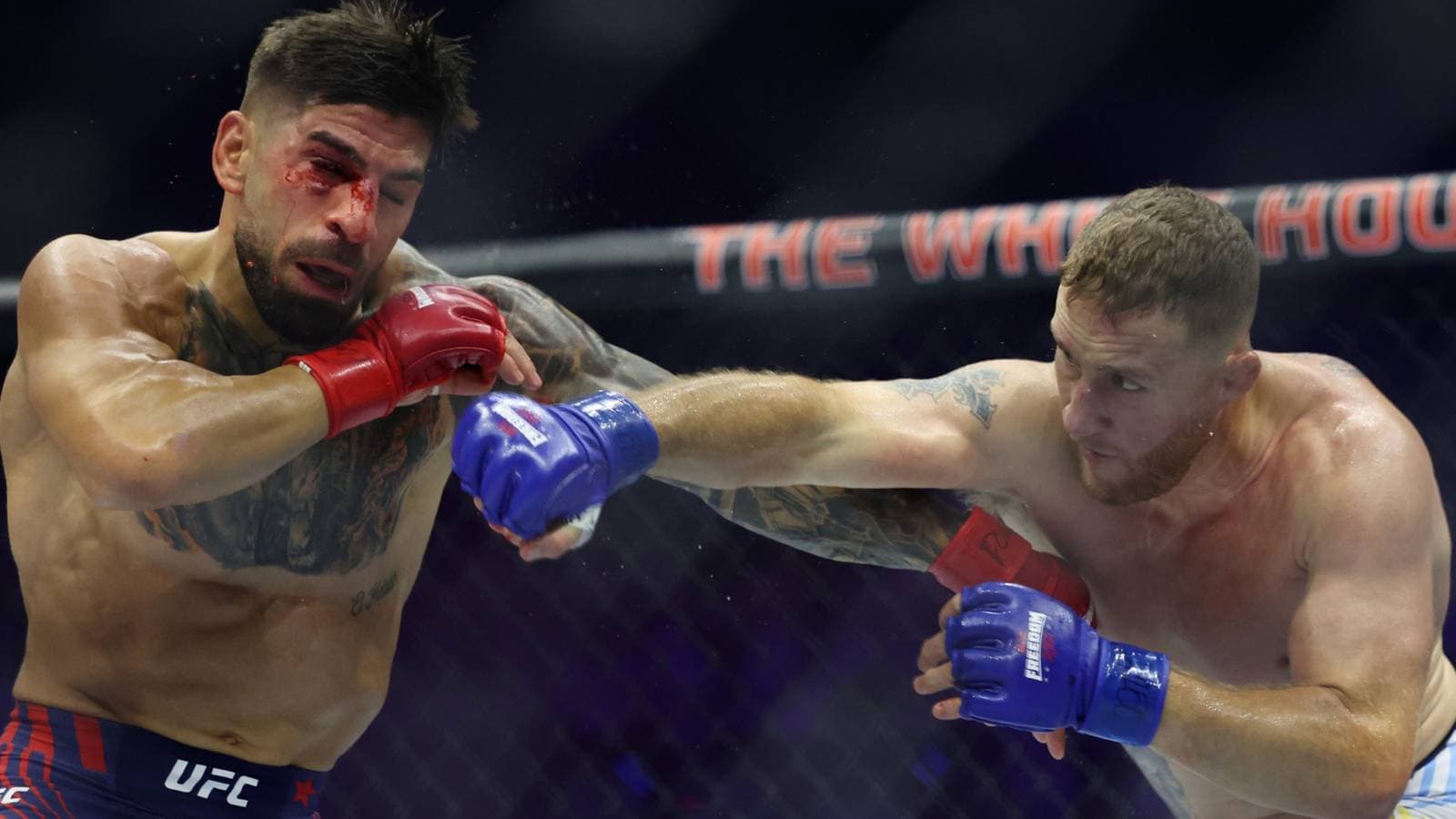
Ilia Topuria Accuses Justin Gaethje After UFC Defeat
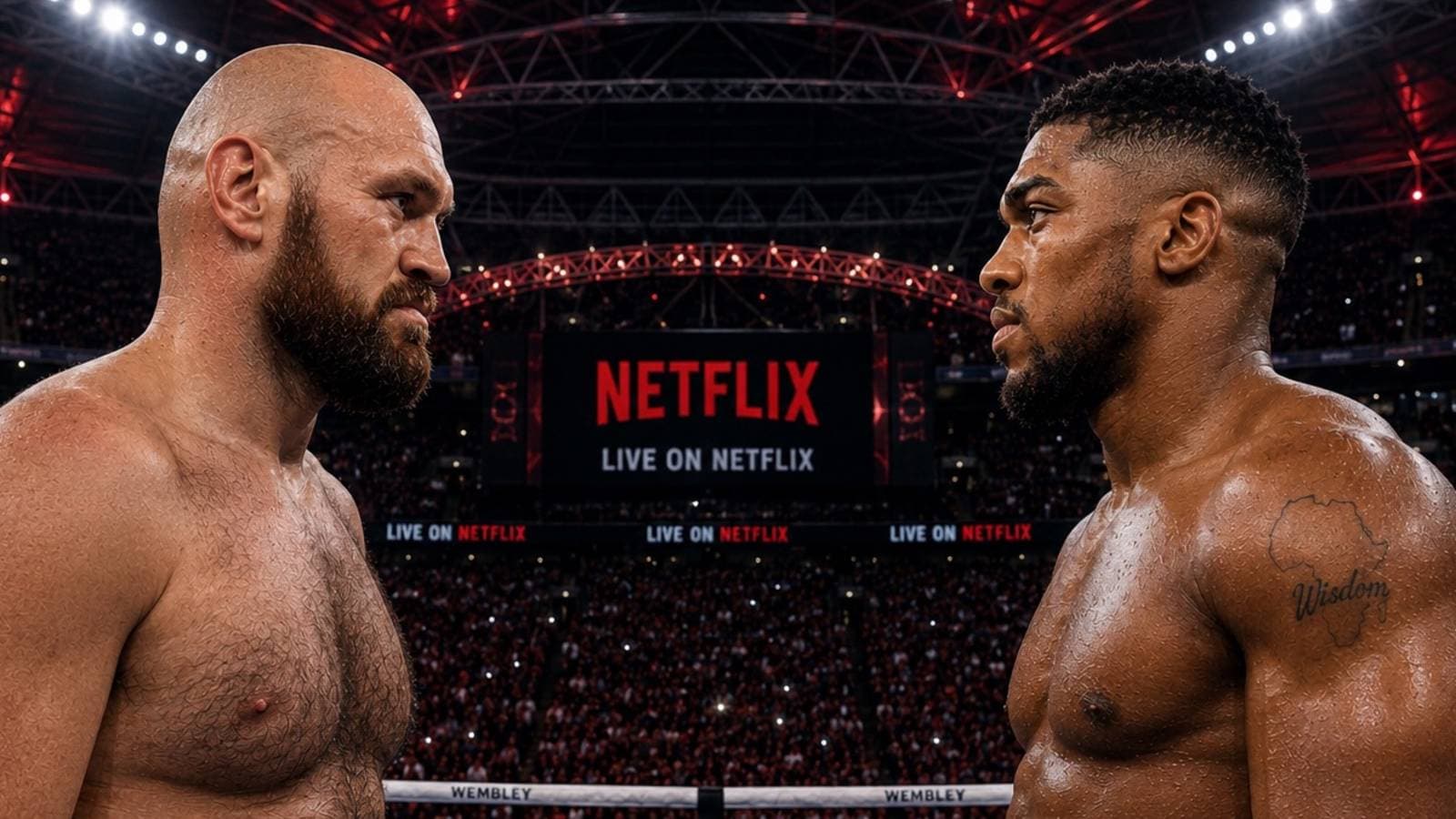
Tyson Fury vs Anthony Joshua Fight Date and Venue Confirmed
Switzerland Calls Up In-Form Sion Striker Winsley Boteli for Nations League
Bournemouth Secures Historic 2-1 Win Over Real Sociedad in Spain
Portugal Announces Squad for 2026 UEFA Nations League; Cristiano Ronaldo Expected to Play
Raphinha Channels Ronaldo Nazario as Barcelona's Leading Striker After Position Change