
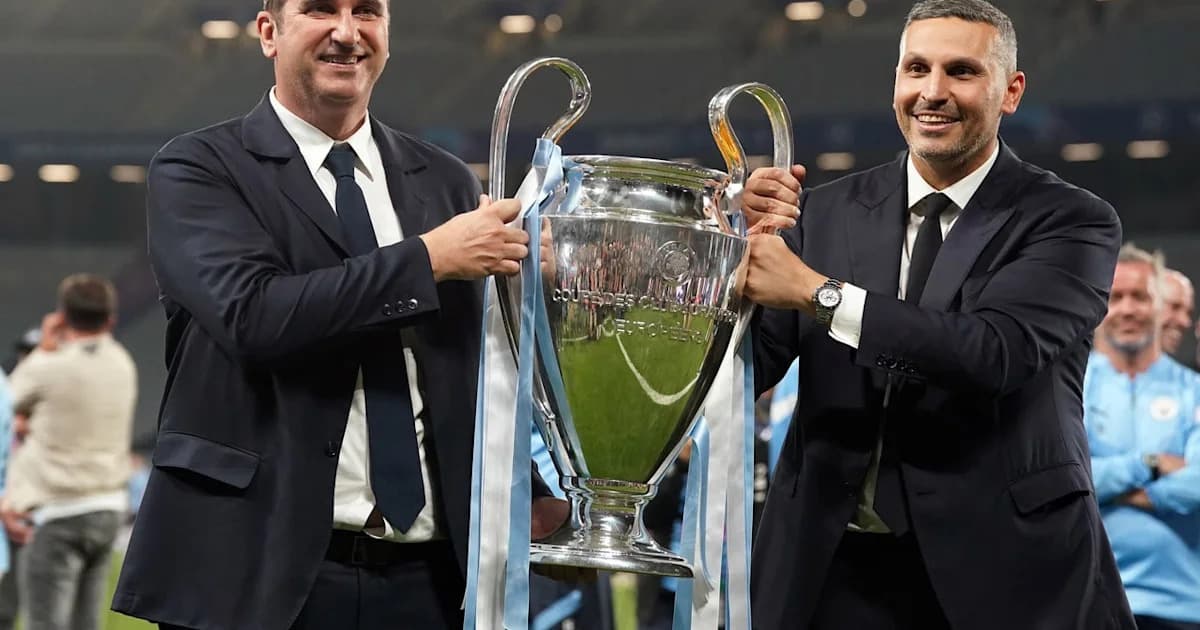
The Manchester City Scandal: The Biggest in Sports History and Its Impact on Football
As Europe's top football clubs gathered in Copenhagen, eyes were fixed on Ferran Soriano, representing Manchester City. Described as a "walking statue," Soriano seemed intent on avoiding conversation, even pretending to be on calls with headphones.
Meanwhile, the Premier League's independent commission had just delivered a harsh verdict on City's case. In response, the club released an internal video to staff that went beyond their official statement, which had controversially called the panel's opinion "unsafe." Soriano accused critics of a conspiracy against the club and vowed to seek compensation against anyone attempting to harm City's reputation.
A Reaction Seen as Over the Top
Many insiders found Soriano's aggressive stance surprising, given English sports culture’s usual restraint. Some described it as delusional rather than defiant. Fans took to social media expressing genuine anger at the ownership, sensing the club’s name was being tarnished in a way that cut deeper than before.
Questions arose about the hefty legal fees, reportedly around £100 million, and whether such investment would change the outcome. The evidence against City appeared overwhelming, making any appeal challenging unless procedural errors were found.
The Scale and Sophistication of the Alleged Cheating
This case may represent the most advanced example of industrialized cheating football has ever seen. The evidence published gives a rare glimpse into what looks like a systematic effort to bend rules, touching on nearly half of the Premier League's history — comparable only to scandals like the Qatar and Russia World Cup bids.
Geopolitical Dimensions
The involvement of Abu Dhabi owners adds a complex geopolitical layer. The club's operations reflect broader state interests, including controversial stances on regional conflicts. Leaked emails suggest an attitude willing to disrupt the entire Premier League if City cannot compete on their terms.
Khaldoon Al Mubarak, City's chairman, embodies this link between football and geopolitics. The owners are often viewed as entitled elites, used to unchecked power, risking the destruction of football’s governing structures.
Long-Term Consequences for Football
If the appeals drag on for years, as Soriano suggested, it could undermine the Premier League's credibility. Every City match would be overshadowed by doubt, damaging the sport’s core trust in fair results.
This scandal exposes how football allowed powerful autocratic influences into its core, raising questions about the sport's vulnerability to outside interests. It marks a reckoning not just for Manchester City but for an era shaped by lax regulation under former chief executive Richard Scudamore.
A Toxic Legacy
City’s reputation has suffered long-term damage. Though fans have enjoyed success, the shadow of this scandal looms large, staining achievements and casting uncertainty over the club’s future.
Speculation surrounds the possibility of the owners selling the club. Gulf states like Abu Dhabi tend to avoid public embarrassment, but political stakes might influence their willingness to maintain control. The UK government’s current geopolitical priorities also play a role in how accountability is enforced.
What Does This Mean for Football?
The scandal raises the question: is this day good or bad for football? Perhaps it is both. On one hand, the exposure of wrongdoing highlights the need for stronger oversight. On the other, the fallout risks damaging the sport’s integrity and reputation.
One hopeful outcome might be the club transitioning to fan ownership, returning control to supporters rather than powerful backers. Regardless, this episode stands alone as one of football’s darkest moments, reshaping how the game confronts governance and ethics.
Key Points Summary
- Ferran Soriano faced scrutiny and responded aggressively to Premier League sanctions.
- The case may represent the most elaborate cheating scheme in football history.
- Abu Dhabi's role introduces serious geopolitical complications.
- The scandal exposes weaknesses in football’s regulatory framework under Richard Scudamore.
- City’s legacy and fan trust have been deeply affected.
- Future ownership and regulatory actions remain uncertain.
- The incident forces reflection on football’s relationship with powerful external interests.
Related News
Max Verstappen Responds to George Russell's Call for Cooling Vest Rule Change Before Bahrain GP
Anthony Joshua Accepts Major Pay Cut to Secure Tyson Fury Fight in UK
Tyson Fury Plans to Invite Donald Trump for Anthony Joshua Fight
Cristiano Ronaldo Sits Out Portugal's Match Against Norway Amid Tensions
Cesc Fabregas Opens Up on Como Journey from Serie B to Champions League
Claudia Pina Nets Four as Barcelona Overwhelms Real Madrid 7-0 in El Clasico