
Mallorca vs Villarreal: Tactical Analysis of a 1-1 Draw
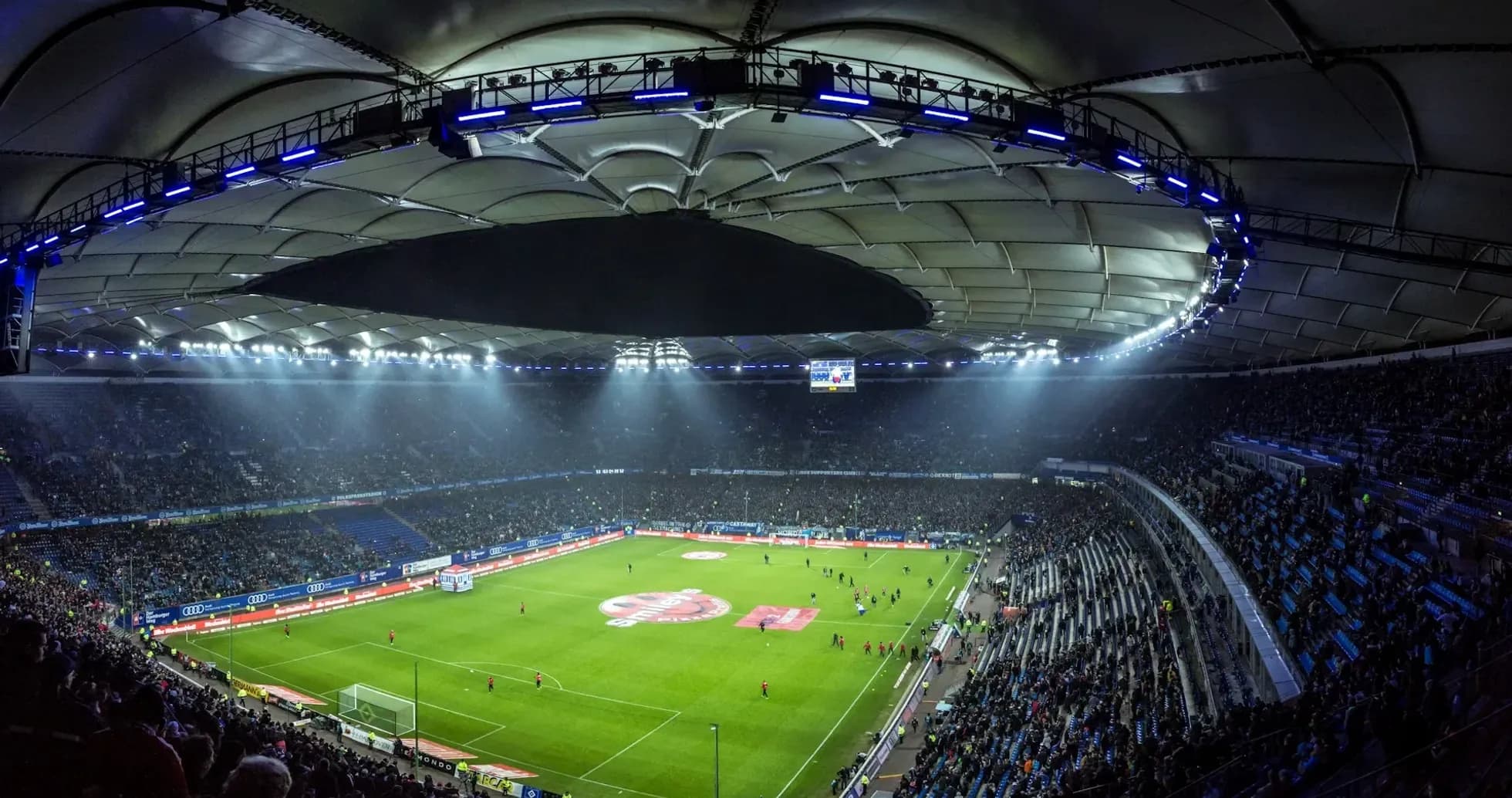
Under the midday sun at Estadi Mallorca Son Moix, 15th‑placed Mallorca and 3rd‑placed Villarreal played out a 1‑1 draw that said as much about their seasonal identities as it did about the 90 minutes themselves. In La Liga’s Regular Season – 35, a meeting between a rugged home specialist and one of the division’s most expansive attacks always promised a clash of styles; the final scoreline merely confirmed how narrow the margins were.
Heading into this game, Mallorca’s campaign had been defined by a stark home/away split. Overall they had taken 39 points from 35 matches with a goal difference of -9 (43 scored, 52 conceded), but at home they were a different animal: 8 wins from 18, with 28 goals for and 21 against. Villarreal, meanwhile, arrived as a Champions League‑chasing machine: 69 points from 35, a total goal difference of +25 (65 for, 40 against), built on a ruthless home record but still a dangerous side on their travels with 24 away goals from 18 matches.
The formations told the story of intent. Martin Demichelis doubled down on control and verticality with a 4‑3‑1‑2: L. Roman behind a back four of M. Morey Bauza, M. Valjent, O. Mascarell and J. Mojica; a combative midfield triangle of Samu Costa, S. Darder and M. Morlanes; P. Torre as the creative hinge behind a physical front two of Z. Luvumbo and the league’s second‑ranked marksman, V. Muriqi. Marcelino responded with his trademark 4‑4‑2: A. Tenas in goal, S. Mourino and R. Marin in central defence flanked by R. Veiga and S. Cardona, a hard‑running midfield line of T. Buchanan, S. Comesana, T. Partey and A. Gonzalez, and the front pairing of A. Perez and T. Oluwaseyi.
Tactical Voids and Absences
Mallorca came into this fixture shorn of an entire layer of depth and leadership. At the back, the absence of A. Raillo (injury) and P. Maffeo (suspended for yellow cards) stripped Demichelis of two of his most aggressive defenders, both in duels and in set‑piece presence. M. Kumbulla was also out with a muscle injury, further limiting options in central defence, while L. Bergstrom, M. Joseph, J. Kalumba and J. Salas were all unavailable through injury, reducing flexibility across the pitch.
The knock‑on effect was clear in the starting XI: Mascarell had to operate as part of the back line rather than as a shielding midfielder, forcing Samu Costa to shoulder even more responsibility as the lone true enforcer in front of the defence. Given Costa’s disciplinary profile — 10 yellow cards in 32 appearances and 61 fouls committed — Mallorca were always walking a tightrope between necessary aggression and costly indiscipline.
Villarreal’s main absentee was J. Foyth with an Achilles tendon injury, a loss that subtly altered their right‑side balance. Without Foyth’s blend of defensive security and progression, S. Mourino’s role grew in importance. The Uruguayan centre‑back, already one of the league’s more combative defenders with 9 yellow cards and 1 yellow‑red, had to lead the line against the aerial and physical menace of Muriqi.
Across the season, both sides had flirted with disciplinary risk. Mallorca’s yellow cards peaked between 46‑60 minutes (22.08%) and saw a late‑game surge between 76‑90 and 91‑105 minutes (both 15.58%), while their red cards clustered at 31‑45 (50.00%) and then reappeared at 61‑75 and 91‑105. Villarreal, for their part, were at their most combustible late on: 25.00% of their yellows arrived between 76‑90 minutes, and 66.67% of their reds also came in that same spell. In a match that finished level, the fact that neither side imploded in those high‑risk windows was almost as decisive as either goal.
Key Matchups
Hunter vs Shield
At the heart of this fixture was the duel between V. Muriqi and Villarreal’s defensive block. Muriqi’s season had been monstrous: 22 league goals and 1 assist, with 85 shots (47 on target) and a constant aerial and physical presence. He had also won 214 of his 416 duels and drawn 59 fouls, a magnet for contact in and around the box. Yet he was not flawless from the spot — 5 penalties scored, but 2 missed — a reminder that even Mallorca’s primary weapon carries an element of volatility.
He faced a Villarreal defence that, heading into this game, had conceded 40 goals overall, but only 15 at home and 25 on their travels. On their travels they allowed 1.4 goals per match, a figure that suggested vulnerability under sustained pressure. The responsibility to manage Muriqi fell heavily on S. Mourino, who had already made 98 tackles, 9 successful blocks and 28 interceptions this season. Mourino’s 51 fouls committed and 9 yellow cards hinted at how he would approach the duel: front‑foot, occasionally reckless, but rarely passive.
Behind Muriqi, P. Torre’s role as the link in the 4‑3‑1‑2 was to exploit the pockets around T. Partey and S. Comesana. Villarreal’s midfield pair are high‑volume passers and ball‑winners, but they also carry disciplinary and spatial risk. Comesana, for example, had 45 tackles, 15 blocked shots and 30 interceptions, but also 42 fouls committed and 5 yellow cards plus 1 red. Allowing him to step out aggressively to press Torre opened lanes for Luvumbo to dart into the channels.
Engine Room
If the “hunter vs shield” battle was Muriqi against Villarreal’s centre‑backs, the engine room clash was Samu Costa versus Villarreal’s creators and carriers: S. Comesana, T. Partey, and the supporting cast of A. Gonzalez and, from the bench, Alberto Moleiro or N. Pepe.
Costa’s season numbers underline his dual role. He had 7 goals and 2 assists, 62 tackles, 13 successful blocks and 25 interceptions, while engaging in 400 duels and winning 207. He is both destroyer and first passer. Against a Villarreal side averaging 1.9 goals per match overall and 1.3 on their travels, his positioning in front of a patched‑up back four was critical.
On the other side, Villarreal’s creative load is unusually distributed. G. Mikautadze had 11 goals and 5 assists, Moleiro 10 goals and 4 assists, and N. Pepe 8 goals and 6 assists with 53 key passes and 114 dribble attempts. Even starting on the bench, that trio gave Marcelino the option to radically change the dynamic in the second half. Comesana himself, with 6 assists and 26 key passes, is the metronome and the enforcer rolled into one, his 15 blocked shots emblematic of his work without the ball.
Statistical Prognosis and Tactical Verdict
From a statistical standpoint, this 1‑1 draw sits almost exactly at the intersection of both teams’ profiles. Mallorca, heading into the game, averaged 1.6 goals for and 1.2 against at home; Villarreal averaged 1.3 goals for and 1.4 against on their travels. A single goal apiece fits snugly within those bands, suggesting a balance of chances that an xG model would likely frame as marginally tilted towards Villarreal’s shot volume but tempered by Mallorca’s territorial control at Son Moix.
Mallorca’s broader campaign numbers — 1.2 goals scored and 1.5 conceded per match overall — paint them as a side that lives on the edge of tight margins. Their 5 clean sheets and 8 matches failing to score underline the variability of their output. Villarreal, with 8 clean sheets and only 5 matches where they failed to score, are more stable at a higher attacking baseline.
Following this result, the tactical takeaway is clear. Mallorca’s 4‑3‑1‑2, even without key defenders, can still suffocate elite opponents at home when Samu Costa is allowed to patrol in front of a disciplined line and when Muriqi’s presence forces centre‑backs to stay deeper than they would like. Villarreal’s 4‑4‑2 remains one of the league’s most coherent attacking structures, but on their travels it is just porous enough — 25 away goals conceded — that a physically assertive side can drag them into attritional contests.
In a league table defined by fine gradations, this 1‑1 does different things for each side’s narrative. For Mallorca, it reinforces the idea that survival and mid‑table security are built on Son Moix resilience. For Villarreal, it is a reminder that while their attacking depth can overwhelm most, the road to Champions League qualification still runs through grinding out results in hostile, tactically awkward venues like this one.
Related News

LaLiga 2026-27 Season Schedule Released: Kickoff on August 15, Clásico on October 25
Atletico Madrid vs Real Madrid: Head-to-head Stats and Past Meetings
Real Madrid Dominates Rayo Vallecano in La Liga Clash
Atletico Madrid Dominates Real Sociedad 3-0 at Reale Arena
Barcelona Dominates Levante in High-Scoring Clash

Sevilla vs Barcelona Stats: Head-to-Head Record and Past Meetings