
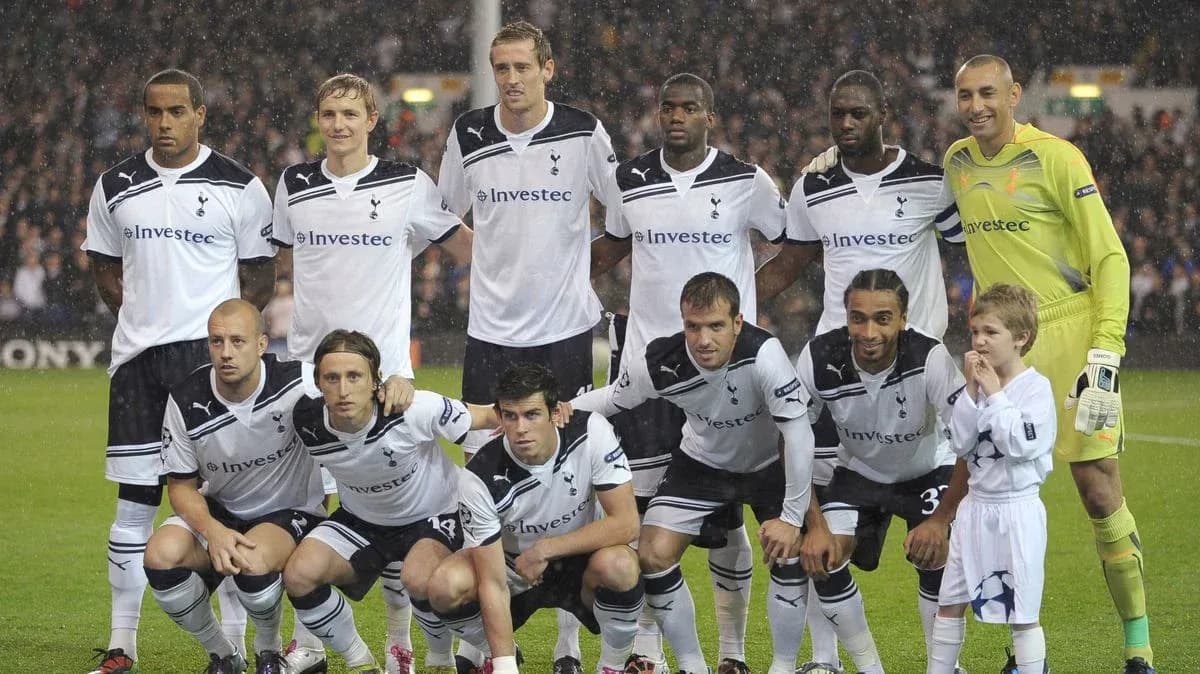
Luka Modric's Departure and Tottenham's Missed Opportunity
Luka Modric should have been the perfect modern Tottenham hero. A £16.5million signing who grew into the heartbeat of a side that flirted with greatness, he brought a level of control and imagination that Spurs fans had rarely seen in the Premier League era.
Instead, his story in north London comes with a sting in the tail. Not because of what he did on the pitch, but how he chose to leave it behind.
A genius at his peak – and a door opens in Madrid
By 2012, Modric was approaching his prime. At 26, he had already become one of the defining figures of Harry Redknapp’s Spurs – a slight, elusive playmaker who dictated games in a league that was still learning how to handle players like him.
Euro 2012 only sharpened the focus. Modric shone for Croatia, and the wider football world finally caught up with what Tottenham fans already knew. Real Madrid, led by Jose Mourinho, took notice. They didn’t just admire him; they identified him as a priority.
For Modric, this wasn’t just another move. It was the call from the Bernabeu, the kind that comes once in a career – if at all.
The problem for Tottenham was that they had been here before.
From Chelsea frustration to open revolt
A year earlier, Chelsea had tried to pry Modric away. He had pushed then as well, but Spurs held firm, rejecting the advances of a direct rival. The Croatian stayed, and he played. The tension simmered but never quite boiled over.
In 2012, it did.
Determined to join Real Madrid, Modric went beyond quiet lobbying or private conversations. When Spurs prepared to fly out for their pre-season tour of the United States, their star midfielder simply didn’t turn up for the flight.
It was a calculated act of rebellion. A player who had built a reputation on elegance and intelligence chose the bluntest weapon available: refusal.
Tottenham responded as a club must. They fined him two weeks’ wages and tried to hold the line. Andre Villas-Boas, newly installed as manager, wanted him to stay and made that clear. The hierarchy knew they were at risk of losing not just a player, but a symbol of their ambition.
They resisted for as long as they could. But the gravity of Real Madrid, and Modric’s insistence, proved too strong.
By the end of August 2012, Spurs relented. The deal was done: around £33million to take Modric to the Bernabeu.
Regret on both sides
Villas-Boas later admitted his disappointment at the saga, explaining that Modric had apologised for the way it unfolded. The apology didn’t change the outcome. The dressing room lost its quiet leader; the club lost the player who knitted everything together.
Years later, Modric himself would look back with a twinge of remorse.
“My one regret is that I didn’t win a trophy with Tottenham, despite us being a strong team who played good, attractive football,” he told FourFourTwo in 2018. “I’m sorry for the way I left. I wish we had parted in a nicer way. I hope fans understand that I followed my dreams.”
It was an honest reflection from a player who, by then, had scaled heights that justified the decision, if not the method.
The legacy of a departure
You can’t argue with what came next. In Madrid, Modric became one of the defining midfielders of his generation.
- Six Champions League titles.
- Four La Liga crowns.
- Five FIFA Club World Cups.
- Two Copas del Rey.
- A career that moved from promising to historic.
The boy who slipped out of a pre-season flight became the man who controlled European finals.
Now at AC Milan and still going at 40, he has extended his stay at the top with a new one-year deal at San Siro, closing in on his 41st birthday and refusing to fade quietly.
From a Tottenham perspective, that longevity only sharpens the question: did they ever truly grasp what they had?
Spurs’ what-if – and the price of principle
For some Spurs supporters, the way Modric forced the move will always cloud the memory. The missed flight, the pressure, the sense that the club had been cornered – these are not details that disappear with time.
Others take a different view. They see a world-class player at a club that, at that point, could not match his ambitions. They remember the football he played more than the flight he missed.
But the regret at Tottenham runs deeper than hurt feelings. There is also the cold, financial reality.
When Modric left, he still had four years remaining on a six-year contract. Spurs extracted £33m from Real Madrid for a midfielder who would go on to define an era. Twelve months later, Gareth Bale – another Spurs talisman – joined Modric in Spain for around £89m.
The contrast is hard to ignore. One generational talent sold at a premium. Another, arguably just as important, allowed to leave for a fee that now looks light given what followed.
For a club that has so often prided itself on being sharp in the market, the Modric deal lingers as a missed opportunity as much as a painful farewell.
A different Tottenham, familiar risks
Fast forward to today and the picture has flipped. Spurs are no longer the reluctant seller trying to hold off Europe’s giants; they are the aggressors, having poured close to £250m into new signings this summer.
They are the ones asking questions of other clubs’ resolve. They are the ones testing contracts, pushing for value, trying to move quickly in a market that punishes hesitation.
Yet Modric’s story still hangs over the club as a warning.
When a player of rare quality decides his future lies elsewhere, the battle is rarely fought on equal terms. Tottenham learned that the hard way in 2012, when a quiet, thoughtful playmaker chose disruption to chase his dream.
The lesson for the current regime is not just about money, or timing, or contracts. It is about understanding when a situation can be managed – and when it can only be navigated.
Because somewhere, in a dressing room or an agent’s office, another player is weighing up his own future, his own dream, his own version of that missed flight.
The question for Tottenham now is simple: have they really learned how to handle it any better than they did with Luka Modric?
Related News
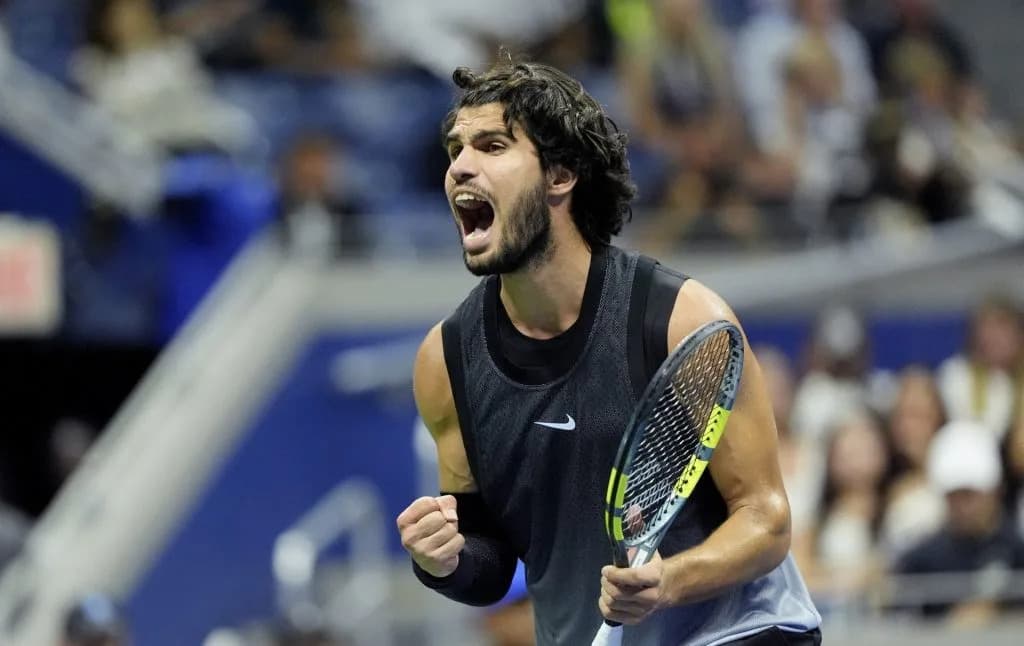
Carlos Alcaraz Urges Tennis Organizers to Stop Matches Finishing in the Early Morning
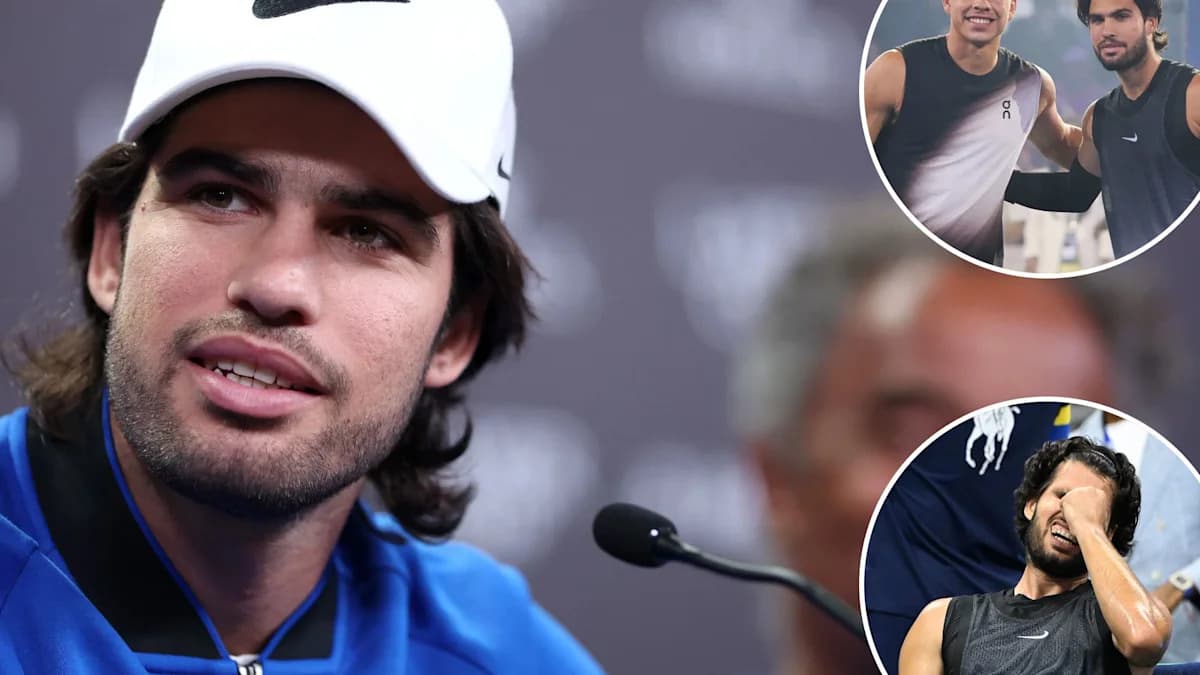
Carlos Alcaraz Frustrated by 3:30 a.m. US Open Finish: 'Too Much'
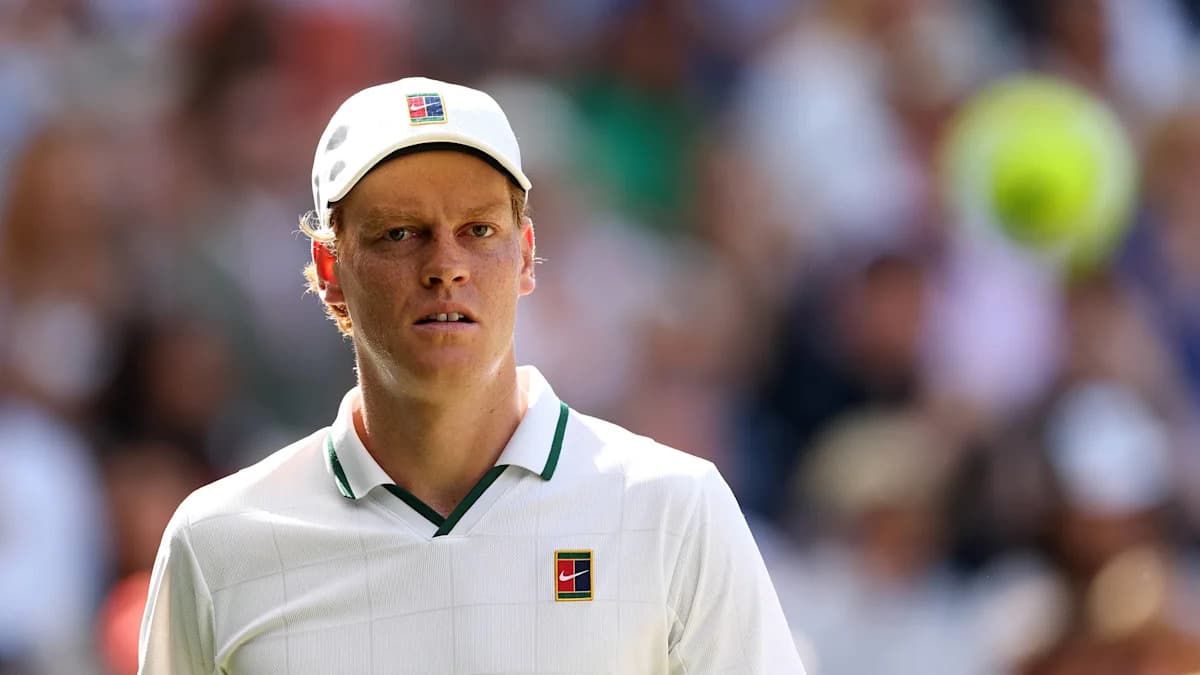
Jannik Sinner Set for ATP 500 Return in Beijing with Novak Djokovic Also Competing
Flavio Cobolli Shares Insights on Training with Jannik Sinner Ahead of His Tennis Return

Till vs Romero: Fight Details, Undercard, and Viewing Info for This Weekend

Joshua vs Fury Set for December Clash in Cardiff