
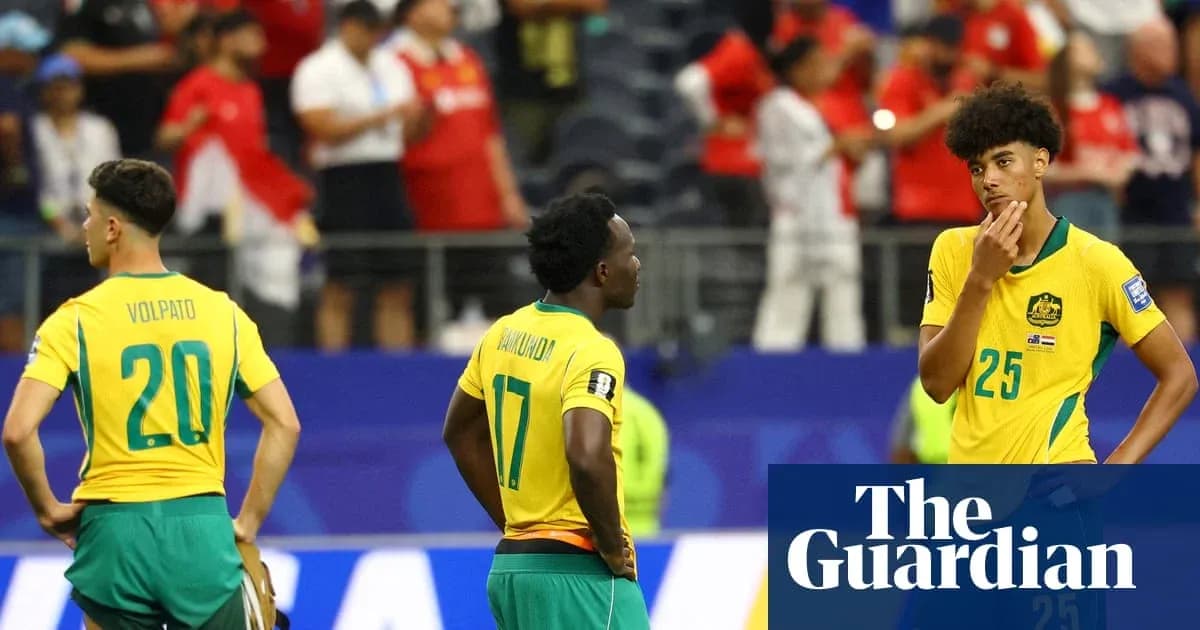
Lucas Herrington's Miss Haunts Socceroos in World Cup Defeat
Lucas Herrington never should have been the face of this. Not this night, not this way.
Eighteen years old, the youngest starter the Socceroos have ever thrown into a World Cup match, he walked to the spot with a nation on his shoulders and the weight of history at his back. His run-up was calm, the technique sound, the side-foot measured. The ball climbed. Too high. It crashed against the crossbar and flew out into the Texas night.
He stood there for a heartbeat, frozen. Then Awer Mabil sprinted towards him, the first to understand what that miss would become: a moment that will follow Herrington for the rest of his career. When Egypt finished the shootout a few kicks later, the teenager turned his back on the bar that had betrayed him, one arm up to his mop of curls, folding himself over to hide the storm inside.
Jackson Irvine arrived, reading the rawness instantly. Nestory Irakunda, a foot shorter and just as young in footballing years, wrapped him up in an embrace. These two are supposed to be the future of Australian football. On this night, there was no escaping the present.
Australia will now wait at least another four years for that first World Cup knockout win. The nagging thought will linger: they may not see a better opening than this for a long time.
This defeat did not belong to Herrington alone. The shootout had already tilted away from Australia before he walked up. Harry Souttar, who had emptied himself over 120 gruelling minutes, took the first penalty and scooped it over the bar. Egypt seized the initiative and never let it go.
Tony Popovic played his late wildcard, summoning captain Maty Ryan for the dying seconds, hoping the old talisman could bend the script. Egypt ignored the subplot and buried all four of their spot-kicks, ending the contest before Australia could even reach their fifth.
By then, the Socceroos had already spent three hours at this tournament without scoring from open play while behind. They went into half-time at 1-0 down, their mood as low as the numbers on the scoreboard. It sank even further when Jordy Bos tested his left knee after a challenge and realised he could barely walk, let alone run.
First Half
The first half had become a tactical tug-of-war, both sides more concerned with dodging each other’s press than carving out chances. Australia’s early optimism – a Cristian Volpato strike that skimmed the crossbar, a driving Bos run into the box – evaporated the moment Egypt struck.
The goal came from the sort of lapse that haunts tournament teams. Australia yielded space too easily down their right as their press broke apart. On the edge of the area, Irvine was caught out by Ziko and clipped him, conceding a free-kick in prime territory.
Emam Ashour’s initial effort smacked into Irvine in the wall, but Australia failed to reset. The second phase ball came back in, Ashour drifted to the back post untracked, and the Egypt No 8 nodded home. One chance, one ruthless finish. The Socceroos stared at a deficit and a familiar problem.
Second Half
After the break, that problem nearly grew. With Bos forced off, Kai Trewin came on for his World Cup debut at right-back. Within 10 seconds, his opponent almost scored, a chaotic start to the second half that threatened to kill off Australian hope before it could rebuild.
The response was dogged. Australia steadied, pushed higher, and finally did something they had not managed all tournament: score while trailing. Officially, the equaliser will sit on Mohamed Hany’s record as an own goal. Anyone who watched Aiden O’Neill’s delivery, though, knows it deserved better. From the left side of the box he sent a gorgeous, looping ball into the danger area, begging for a touch, any touch. Hany obliged, and the ball dropped into the net.
The setting was grand, if not always the football. The roofed arena in Arlington, ringed by 24,000 parking spaces, loomed like a cathedral to American sport, now lending its vastness to the world game. The spectacle on the pitch, stop-start and riddled with delays, would not have converted many sceptics in the stands. After 100 minutes, the two teams had managed just four shots on target between them.
For Australians and Egyptians, though, aesthetics no longer mattered. At 1-1, the tension tightened with every clearance. Crosses rained in, then were hacked, headed or punched away. Patrick Beach commanded his box with crucial interventions, while Egypt’s back line, undersized but stubborn, found a way to repel most of what came their way.
Then Mo Salah finally arrived.
For long stretches he had been on the periphery, shadowed, nudged, crowded out. In the final minutes of normal time he suddenly flicked the switch. First, a sweeping cross to Ramy Rabia that seemed destined to end in a goal until Beach flung up a hand and tipped it over. Moments later, Salah took on the shot himself. Then he threaded a final ball that looked bound for the corner until Souttar hurled himself in front of it.
Any doubts about Salah’s fitness evaporated in that furious spell, underlined by the grin he flashed at Souttar during the coin toss for extra time. Even he, though, showed he could err, skying a bouncing ricochet early in the additional 30 minutes when the net beckoned.
As the clock bled away, Egypt tightened their grip on territory and began to lay siege to the Australian goal. Crosses, cut-backs, half-openings – none of it broke through. Both sides hovered on the brink of history, each chasing a first World Cup knockout victory, neither able to land the decisive blow.
The penalty shootout allowed only one of them to step through that door.
Egypt walked forward. Australia, and a teenager who clipped the crossbar, will spend the next four years staring at it.
Related News
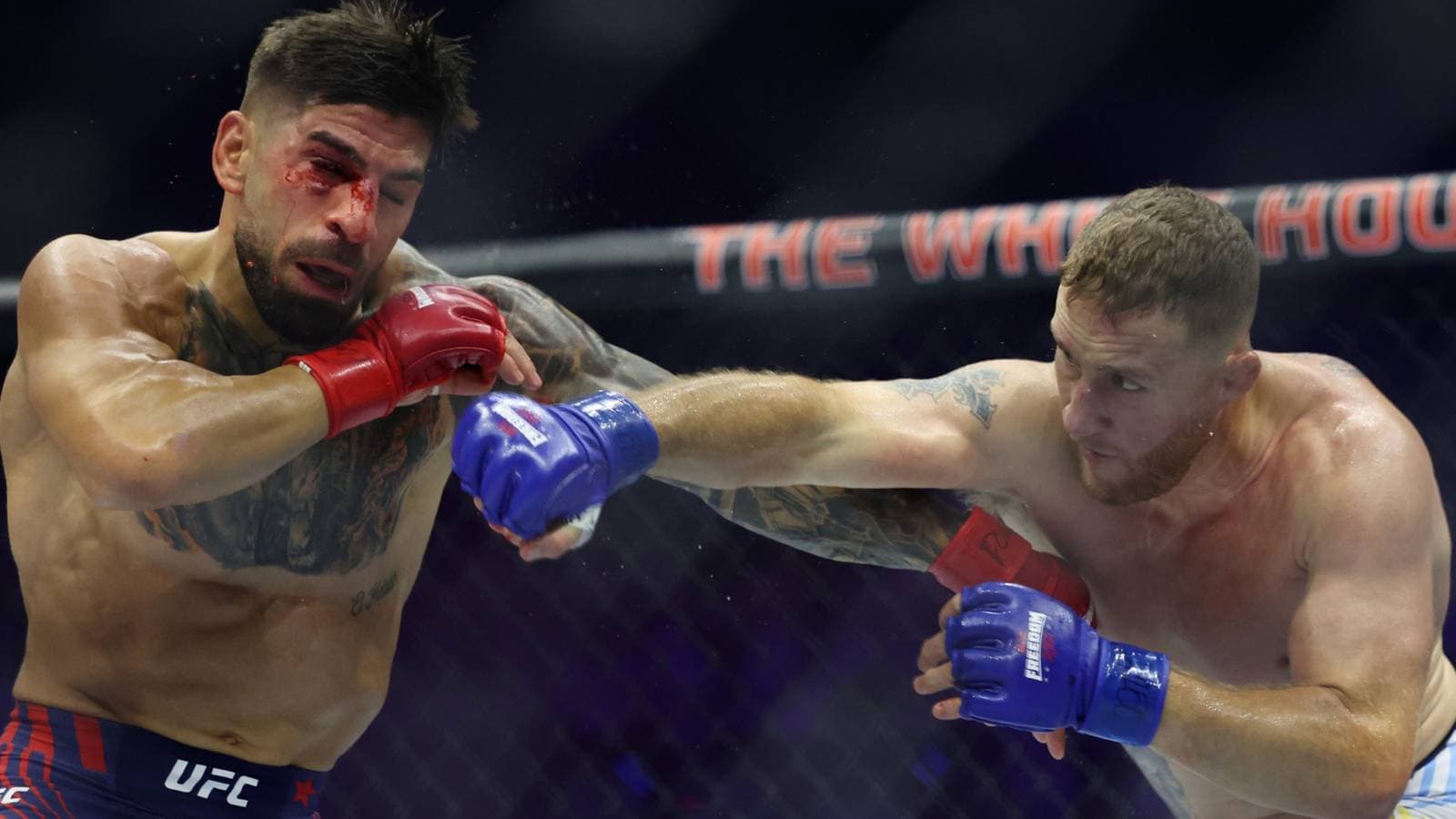
Ilia Topuria Accuses Justin Gaethje After UFC Defeat

Tyson Fury vs Anthony Joshua Fight Date and Venue Confirmed
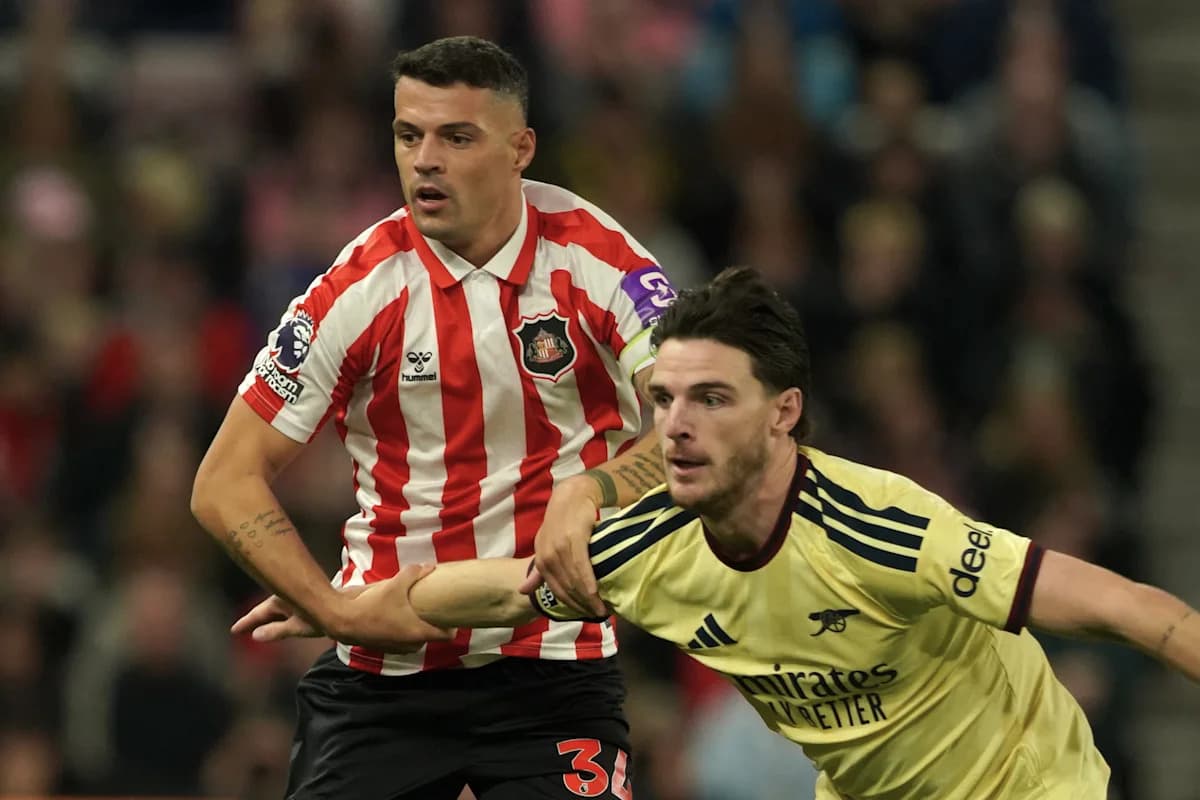
Switzerland Calls Up In-Form Sion Striker Winsley Boteli for Nations League
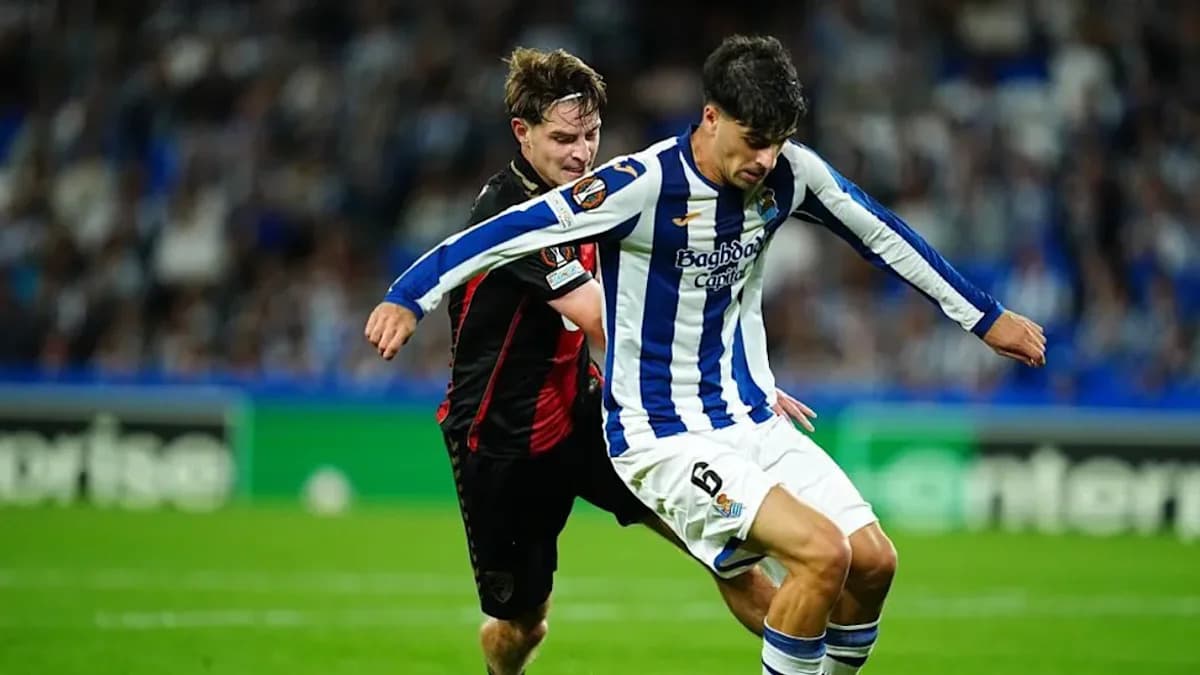
Bournemouth Secures Historic 2-1 Win Over Real Sociedad in Spain
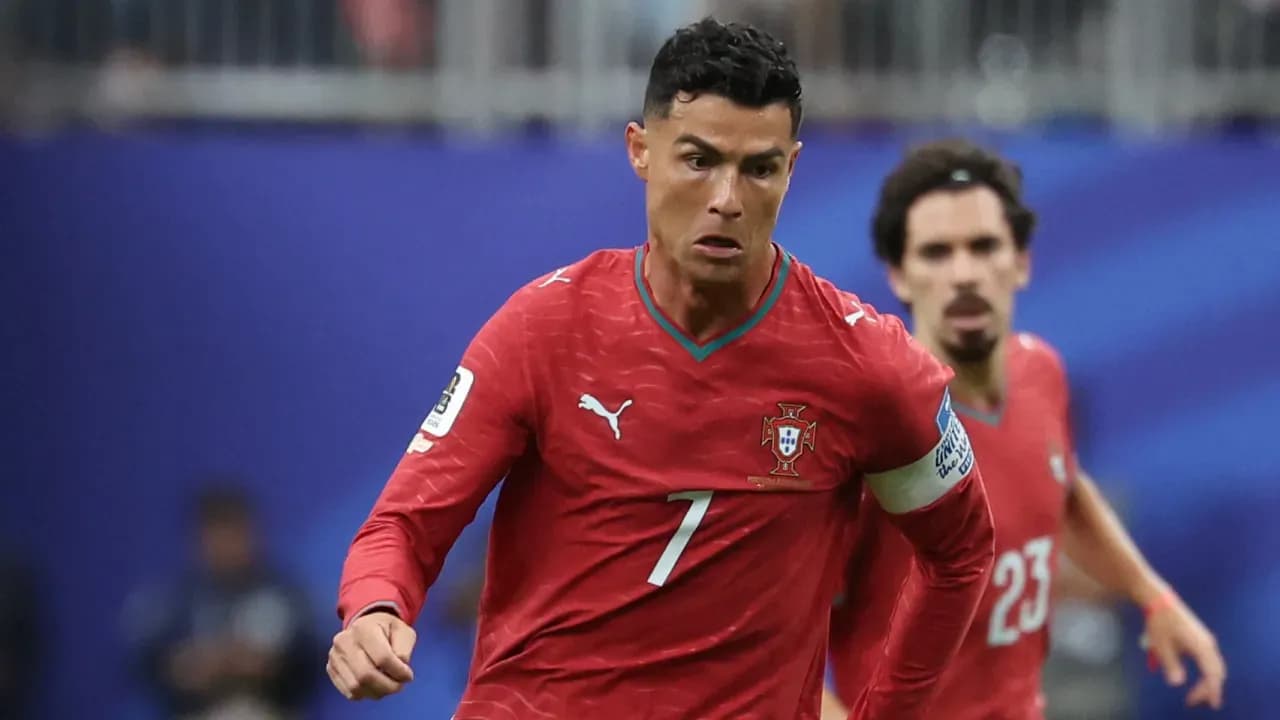
Portugal Announces Squad for 2026 UEFA Nations League; Cristiano Ronaldo Expected to Play
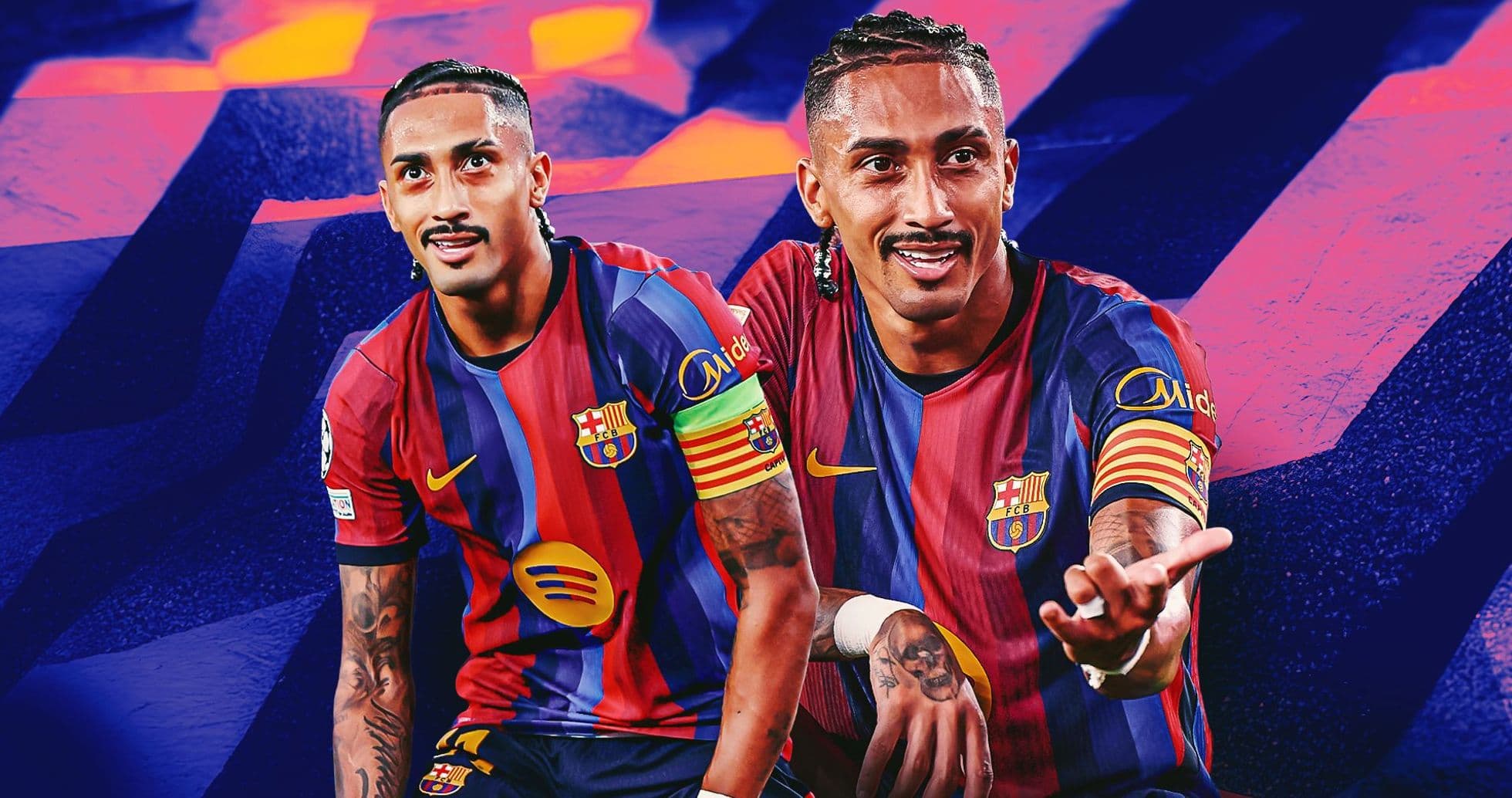
Raphinha Channels Ronaldo Nazario as Barcelona's Leading Striker After Position Change