
Luca Zidane: A New Chapter at the World Cup
The name on the back of the shirt made everyone look twice.
Zidane. World Cup. Again.
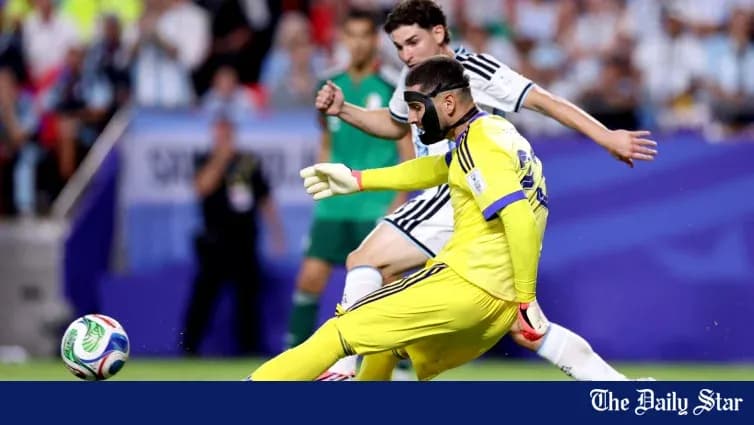
Only this time, it wasn’t the balding playmaker gliding through midfields, but his son, Luca Zidane, standing alone in the penalty area in Algeria’s green, a black protective mask wrapped around his face and Lionel Messi bearing down on his goal.
A famous name, a different flag
When Algeria lined up against defending champions Argentina in their opening World Cup match, the sight of “Zidane” on the goalkeeper’s jersey sent a ripple through the stadium and living rooms alike. Memories snapped back to 1998 and 2006, to Zinedine Zidane lifting the trophy for France and then bowing out in Berlin.
This was not nostalgia, though. It was a new chapter.
Luca Zidane, 28, was born in France and spent much of his childhood and early career in Spain, in the long shadow of his father’s glittering years at Real Madrid as both player and coach. His accent, his football education, his club career – all shaped in Europe’s elite environment.
His choice of national team, however, followed a different line. A deeper one.
Through his paternal roots, Luca opted to represent Algeria, the country of his grandparents and the culture that filled the Zidane household long before he ever pulled on a pair of gloves.
“We’ve lived in an Algerian culture since we were small,” he said in an earlier interview. “It’s an honour to play for Algeria.”
For him, this World Cup isn’t a detour from the family story. It’s a continuation of it, on another path.
A brutal setback, a masked return
That he was there at all, under the lights against Messi and company, bordered on remarkable.
In April, playing for Granada in Spain, Luca suffered a heavy collision that left him with a fractured jaw, injuries to his chin and a severe concussion. For a goalkeeper, it was the kind of trauma that can end seasons and alter careers. His World Cup dream suddenly hung by a thread.
The recovery was a race against time. Medical checks. Rehabilitation. The question always hovering in the background: would he be ready, and would he still be trusted to command a penalty area on the sport’s biggest stage?
He made it. Masked, but undeterred.
The black face mask he wore against Argentina was not a fashion statement. It was a shield, a reminder of the impact he had absorbed and the risk he was still taking. Every dive, every punch clear, every collision carried a hint of jeopardy.
Yet he claimed Algeria’s number one jersey, a clear sign of the faith placed in him as the nation returned to football’s biggest stage.
Messi’s ruthlessness, Zidane’s reality
The scriptwriters showed no mercy.
World Cup debut. Zidane in goal. And on the other side, Lionel Messi, the man who has defined an era just as his father once did, now in Argentina’s colours and in full command.
Argentina won 3-0, Messi scoring a hat-trick. For Luca, it was a brutal welcome to the tournament. No romantic twist, no clean sheet, no fairy tale upset – just the cold, clinical finishing of a champion.
Yet within that harsh reality lay the core of why players dream of this stage. To face the best. To measure themselves against the game’s giants, even when the scoreboard offers little comfort.
For Algeria, the result stung. For Luca Zidane, it was a baptism under fire, his name echoing around the stadium for entirely different reasons than the last time a Zidane dominated a World Cup.
The surname returns
For many watching, the sight of “Zidane” at a World Cup stirred something deeper than simple curiosity. It bridged eras.
Two decades after Zinedine Zidane danced through Brazil in Paris and then led France back to a final in 2006, the surname has returned to the tournament. Not as a conductor of attacks, but as a guardian of a different dream, for a different flag.
The legend once lifted the trophy. Now his son stands in goal, mask on, shoulders squared, carrying Algeria’s hopes into the glare of the world’s biggest stage.
The story has changed. The weight of the name has not.
Related News
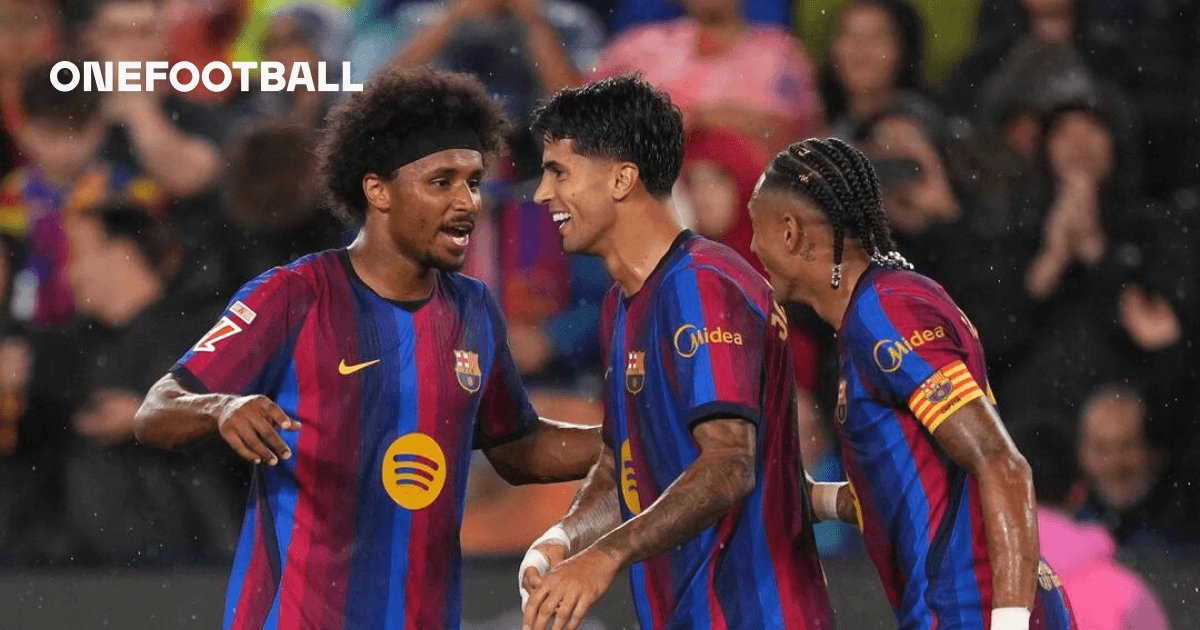
Raphinha’s Hat-Trick Powers Barcelona to 7-2 Victory Over Racing Santander
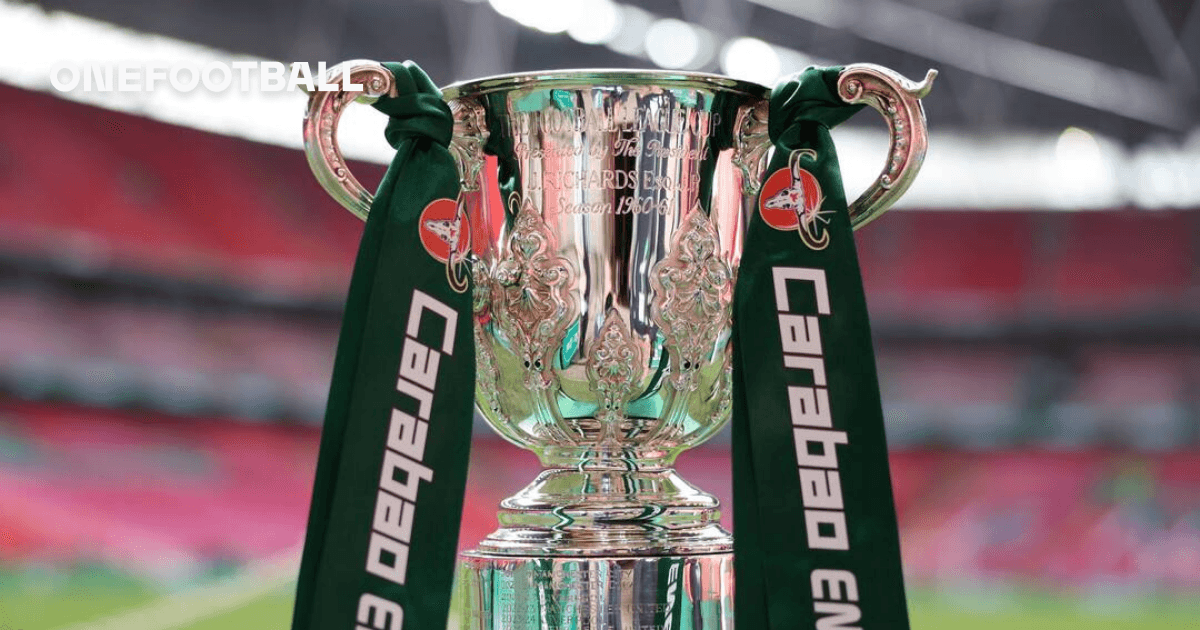
Carabao Cup Fourth Round Draw: Liverpool Set to Clash with Chelsea, Arsenal to Face Fleetwood Town
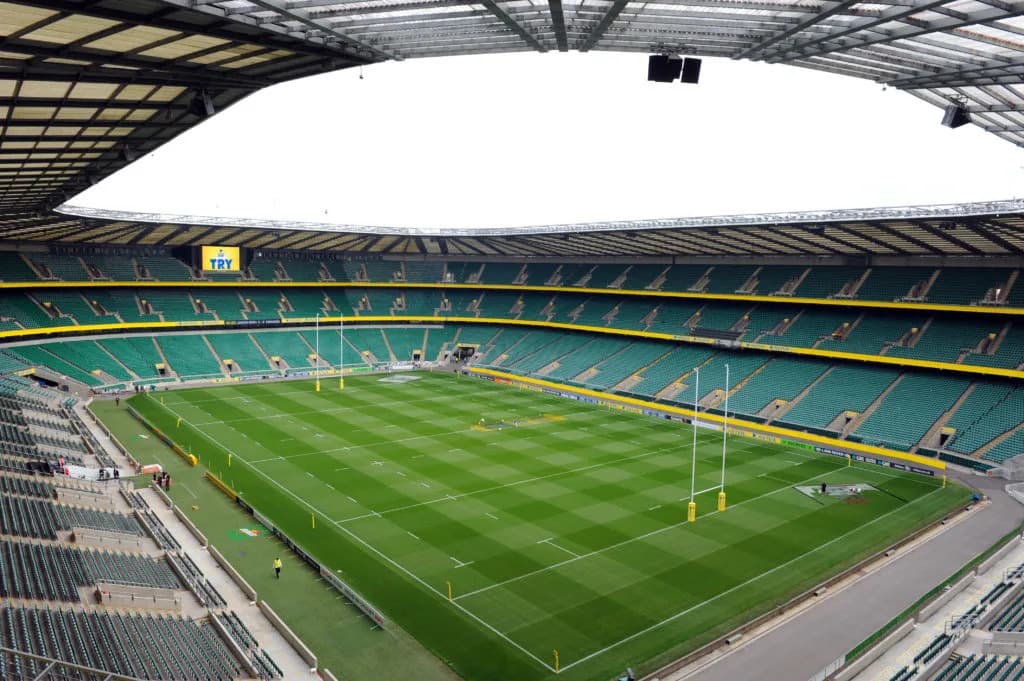
Key Football Matches to Watch in Azerbaijan This Autumn
Raphinha's Hat-Trick Drives Barcelona to 7-2 Triumph Over Racing Santander
Hansi Flick Leads Barcelona to Record-Breaking Seven Wins in a Row
Gavi Reflects on Injury Return as Barcelona Dominate Racing Santander 7-2