
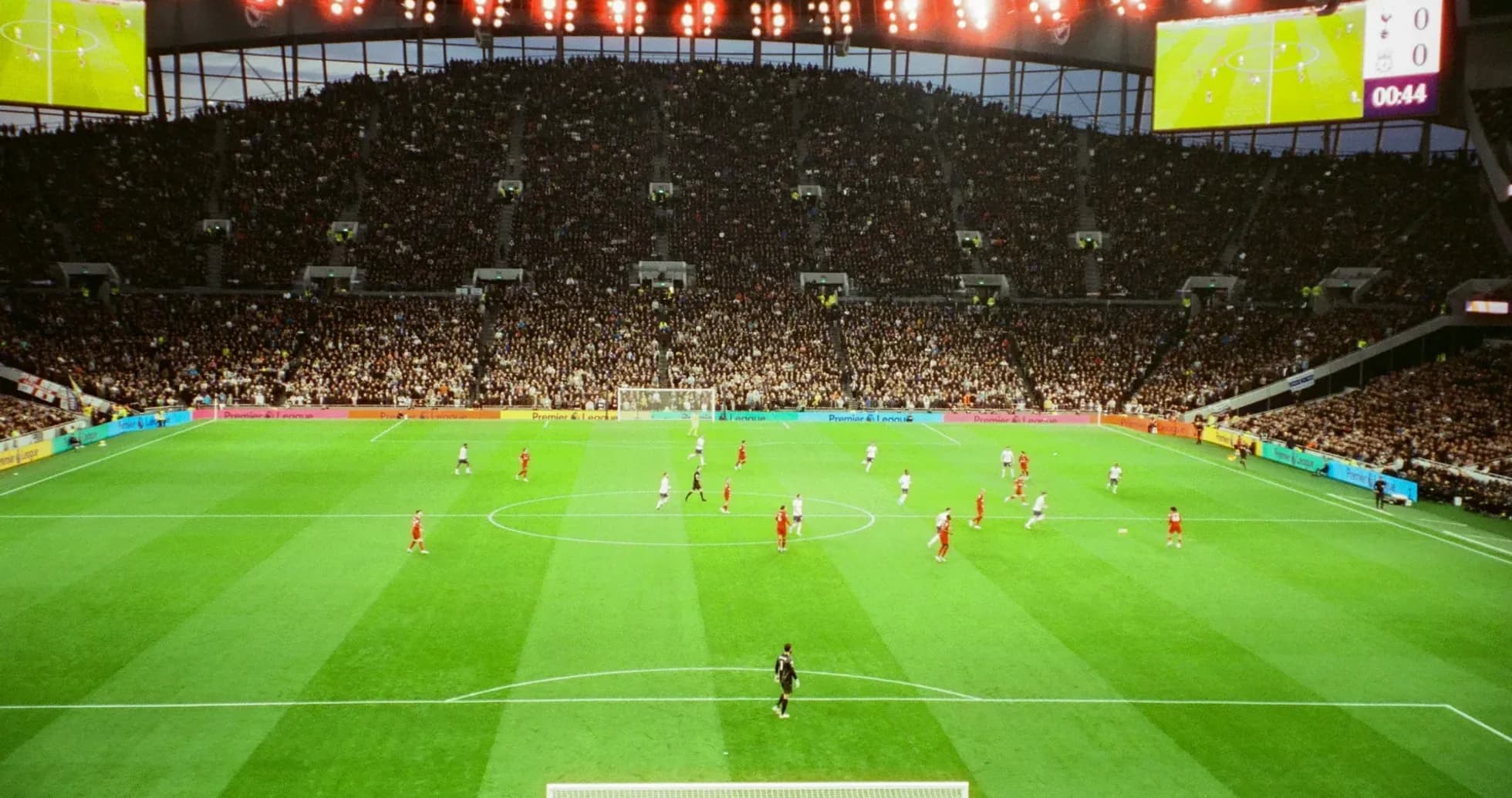
Loudoun United vs Rhode Island: USL Championship Group Stage Showdown
On a humid night at Segra Field, Loudoun United’s Group Stage ambitions in the USL Championship ran into a ruthless Rhode Island side that exposed both structural fragilities and psychological fault lines. By the final whistle, E. Carvajal’s notebook read 4–1 to the visitors, a scoreline that echoed Rhode Island’s broader seasonal profile: aggressive, front-foot football under Khano Smith, and a willingness to trade space for incision.
Heading into this game, the table had already drawn a quiet line between these clubs. Loudoun sat 12th in USL 1 with 9 points from 11 matches, their goal difference at -8, the product of 13 goals scored and 21 conceded overall. At home they had yet to win in 7 attempts, drawing 5 and losing 2, with 10 goals for and 14 against. Rhode Island, in contrast, arrived 9th with 15 points from 11 games and a positive goal difference of 6, having scored 21 and conceded 15 overall. On their travels, they had taken a more volatile path: 5 away matches, 2 wins and 3 losses, with 10 goals for and 9 against.
Those numbers framed the narrative: Loudoun a side built on attrition and draws, Rhode Island a team that either cuts you open or gets cut themselves. The 1–4 full-time scoreline at Segra Field fit that pattern perfectly.
I. The Big Picture – Styles Colliding at Segra Field
Anthony Limbrick’s Loudoun United came into this one as a team that lives on the margins. Overall they average 1.2 goals for and 1.9 goals against per match, and at home that balance tilts further toward chaos: 1.4 scored and 2.0 conceded on average. They have taken points by grinding – 6 draws in 11 – and by leaning on defensive phases that, at their best, are compact but rarely dominant.
Rhode Island, by contrast, are built for disruption. Overall they average 1.9 goals for and 1.4 against, and away from home they push that attacking edge even harder: 2.0 goals scored and 1.8 conceded on their travels. Smith’s side is designed to punch first and ask questions later, and at Segra Field they did exactly that, jumping out to a 1–0 lead by half-time and never relinquishing control.
Without official formations listed, the shapes must be read from personnel. Loudoun’s XI – with E. Bandre behind a defensive unit anchored by J. Erlandson, A. Essengue, S. Mazzaferro and C. Torres – suggested a back line tasked with absorbing Rhode Island’s vertical pressure. In midfield, B. Akinyode, K. Awuah and J. Murphy formed the engine, with J. Panayotou and T. Ulfarsson supporting A. Aboukoura in advanced roles.
Rhode Island’s core was more overtly front-foot. Koke Vegas in goal sat behind a back group featuring N. Scardina, K. Yao, G. Stoneman and F. Nodarse, with C. Holstad and H. Bacharach Capdevila providing the central structure. Ahead of them, A. Rodriguez and A. Shapiro-Thompson offered creativity between the lines, while J. Kwizera and J. Williams gave Rhode Island pace and directness in the final third.
II. Tactical Voids – Discipline and Late-Game Stress
Neither side came in burdened by published injury lists, but the season-long disciplinary patterns told their own story. Loudoun’s yellow cards peak late: 36.36% of their cautions arrive between 76–90 minutes, with another 24.24% between 46–60. That profile speaks to a team that increasingly defends on the edge as games open up, chasing positions and fouling under fatigue.
Rhode Island mirror that late-game stress, with 32.00% of their yellows also coming between 76–90 minutes. More dramatically, every recorded red card for them this season has been shown in that same 76–90 window. Smith’s side plays on the emotional edge – a virtue when chasing games, a vice when protecting leads.
At Segra Field, Rhode Island’s ability to build a 4–1 cushion meant those late disciplinary spikes never truly endangered the result. Loudoun, meanwhile, again found themselves in the familiar territory of defending deeper and reacting later, a pattern that this season has too often ended with the scoreboard against them.
III. Key Matchups – Hunter vs Shield, Engine Room vs Enforcer
Without explicit top-scorer data, the “Hunter vs Shield” duel becomes more conceptual than individual. Rhode Island’s attack, averaging 2.0 goals per away match heading into this game, faced a Loudoun defence that at home was conceding 2.0 per outing. The visitors’ collective movement – with J. Williams stretching the line, J. Kwizera attacking half-spaces, and A. Rodriguez threading passes – repeatedly targeted the seams between Loudoun’s centre-backs and full-backs.
On the other side, Loudoun’s 1.4 home goals per match were pitted against a Rhode Island back line conceding 1.8 on their travels. Theoretically, there was room for Loudoun to hurt them, especially with the running power of T. Ulfarsson and the link play of J. Panayotou. They did find the net once, but the broader pattern remained: Rhode Island’s “shield” bent without breaking, while Loudoun’s did both.
In the “Engine Room”, the contest between B. Akinyode and K. Awuah on one side and the Rhode Island pairing of C. Holstad and H. Bacharach Capdevila on the other was decisive. Loudoun’s midfield is designed to stabilise and recycle, to keep them in matches long enough to nick results. Rhode Island’s duo, however, tilted the pitch the other way – stepping into passing lanes, triggering transitions, and freeing A. Rodriguez and A. Shapiro-Thompson to operate between Loudoun’s lines.
IV. Statistical Prognosis – What This Result Signals
Following this result, the numbers around these teams feel less like abstractions and more like hard truths. Loudoun’s season-long pattern – 1 win in 11, 6 draws, 4 defeats, with an overall goal difference of -8 – now has a brutal visual: a 1–4 home loss that underlines their vulnerability when games become stretched. Their clean-sheet capacity (4 overall, with 2 at home) looks increasingly like the exception rather than the rule, especially against high-tempo attacks.
Rhode Island’s away volatility, meanwhile, is tilting in their favour. Two away wins and three losses heading into this match suggested a side that either hits or misses; here, they hit decisively. Their overall attacking output of 21 goals in 11 games, split 11 at home and 10 on their travels, continues to validate Smith’s proactive philosophy.
In xG terms – even without explicit figures – the profile is clear. A team averaging 2.0 away goals and conceding 1.8 is built for high-xG, high-risk encounters. Loudoun, conceding 2.0 at home while scoring 1.4, are structurally exposed in exactly those environments. Segra Field’s 1–4 serves as a case study: when Rhode Island drag opponents into an open contest, they have the sharper tools; when Loudoun are forced out of their controlled, draw-friendly shell, their defensive structure frays.
As the Group Stage narrative rolls on, this fixture will be remembered less for its individual flashpoints and more for what it confirmed. Rhode Island are a dangerous traveller with a clear attacking identity. Loudoun are still searching for a way to turn resilience into control. On this night, the story belonged to the visitors, and the scoreboard merely wrote it in bold.
Related News
San Antonio Triumphs Over Colorado Springs in USL Championship Clash

Charleston Battery's Dominance Over Loudoun United: A Tactical Analysis
Orange County SC Triumphs 4-2 Over Miami FC in USL Showdown
Colorado Springs vs San Antonio Match Preview
Colorado Springs vs San Antonio: USL Championship Clash Preview

Miami FC vs Orange County SC Match Preview