

Los Angeles World Cup Experience: Bright Lights and Big Games
Los Angeles is too bright for jet lag and too big for perspective. It swallows you whole. Twenty years on from pinballing around Germany in a hatchback with Ian, Matt and Oli in 2006, I’m back in a host nation for a major tournament – only this time there’s less stein-chasing and more studio lighting. Back then it was Trinidad and Tobago fans, Brazil v Australia tickets declined through hangover and sunstroke. Now it’s producers, call times and the permanent hum of air conditioning.
The question from home never changes. “Is there World Cup fever over there?” As if you step off the plane and a brass band in replica shirts marches you to the stadium. It reminds me of a local TV crew in Cambridge in 1990, roaming the city before an FA Cup quarter-final against Crystal Palace. Microphones under noses, big moment for the town, and half the people didn’t even know Cambridge had a football team.
The same thing happens with the Ashes. “What’s the atmosphere like in Melbourne, Max?” As if I’m broadcasting from a heaving beer garden rather than on my knees in the kitchen, two under‑fives turning rice into confetti, me armed only with a wet wipe and a fragile understanding of Bazball. So a word here for the partners of the journalists, players and officials stuck at home doing the real work – the nappies, the school runs, the late‑night fevers – while we gad about North America talking about pressing structures. You are owed more than a byline. If my 18‑month‑old, Willie Rushden, ever stumbles across this, now was absolutely not the moment to pick up hand, foot and mouth.
The scale of this place still shocks. The US is impossibly big; Los Angeles feels like it never ends. I tried to LimeGlide – imagine a bike, minus the pedals and plus a vague sense of doom – from West Hollywood to Santa Monica. One minute I’m coasting with the sun on my face, living my best West Coast life. The next I’m in a non‑cycling zone on a dual carriageway, dragging an immovable lump of metal through a hedgerow, miles from anything resembling civilisation or a flat white.
With only an hour between games, our world has shrunk to a small, oddly intense triangle: a Trader Joe’s, the café over the road and a hotel pool full of influencers with washboard stomachs and ring lights. They’re workshopping new TikTok series, swapping gossip about the guest list for the opening night of Nylon nightclub. We’re workshopping whether to go double pivot or single six. Different industries. Same level of self-importance.
But the football is there if you look. Bars in West Hollywood have the games on. US shirts dot the stools, conversations drift from brunch to expected goals, and every so often a “Good luck later” floats towards a passing Bosnian. The tournament hums in the background of a city that’s always humming anyway.
For the first few days, though, the gravitational pull belonged to basketball. You can’t sit in this country during the NBA finals and not absorb it. You pick a side by osmosis. Knicks or Spurs. I went Spurs – felt right – and watched them blow the biggest lead in NBA finals history (or whatever the precise record was). Of course they did. It felt like an omen, or at least a reminder that no lead is safe in American sport or in a group stage.
The most stirring thing I’ve seen here so far wasn’t on a football pitch. It was Zohran Mamdani – Guardian Football Weekly listener and, in his spare time, mayor of New York – delivering a speech at the Knicks parade. I didn’t recognise half the names he reeled off, but it didn’t matter. The cadence, the conviction, the sense that sport can mean everything to a city – hairs on the back of the neck stuff.
On the football side, the US win over Paraguay changed the air. You could feel it in the press box, in the mixed zone, in the Uber back. Not from the tourists or the one‑off fans, but from the people who’ve covered this sport here for years, who’ve argued for it in newsrooms dominated by baseball, basketball and the NFL. Their excitement felt almost relieved. For England, a World Cup win or a last‑32 exit doesn’t really shift the dial on popularity. The game is baked into the culture. For the US and Australia, these tournaments carry a different weight. A quarter‑final or better can drag football into the national conversation and keep it there. It’s a burden players probably don’t need, but it’s the reality.
Half a world away, the scenes in Fed Square in Melbourne – my adopted home – almost tipped me over the edge. Flares, flags, that uniquely Australian roar. Then Nestory Irankunda, a refugee, taking that touch and scoring that goal. A moment of pure, uncomplicated joy. In an era of rising populism and nationalism, there’s something quietly profound about a player whose family fled conflict pulling on the shirt of Australia, a country built on immigration, just like the US. It’s football as a rebuttal, as a reminder.
Connor Metcalfe watching his goal back in the mixed zone summed up another side of it. Pure Aussie. “Far out that was far out, that was ick!” – or something very close. No media training in the world can iron that out, thankfully. I openly love the Socceroos in a way that makes no sense when set against my emotions whenever Australia’s cricketers stroll out with the new ball. Football scrambles your loyalties like that.
Distance from England has its uses. Out here, you don’t have to engage with people frothing about whether Thomas Tuchel belts out the national anthem or just mouths along. I doubt King Charles is pacing the room over it. Who cares? This England side are good. More than that, they’re fun. Harry Kane has pace buzzing around him. Noni Madueke is grinning his way through games. Elliot Anderson is popping up in the right spaces. Djed Spence suddenly looks faster than Road Runner. There is hope, but not yet the tight‑chested, doom‑laden version we’ve grown up with. Not yet.
Most days are some blend of living with my friend and co‑host Barry Glendenning and watching Fox Sports, while quietly wondering whether Zlatan Ibrahimovic will throttle Alexi Lalas on air before Barry throttles me off it. The US coverage has been largely solid. Yes, there’s plenty of basic “soccer” explanation, but that’s the job. An England game pulls in people who don’t watch Crystal Palace v Brentford on a Monday night. Not everyone is obsessed with inverted full‑backs. I could, however, go a lifetime without seeing Christian Pulisic selling Wells Fargo during a hydration break again.
As for life in the flat, let’s just say Barry and I are not auditioning for a long‑term house share. On the plus side, I don’t think I’ve really got on his nerves. Apart from eating an apple too loudly. And failing to screw the lid on a bottle of Coke Zero properly. And offering unsolicited advice on how to chop a chilli. And asking if he needed the big saucepan. And putting yoghurt into a bowl in a way that apparently offended him. And doing too much laundry. And criticising his unapologetic flatulence – all of it. Otherwise, absolutely seamless.
Somehow, this domestic chaos has become content. People follow it on Instagram, on the pod, on YouTube, or wherever you get your distractions from real life. It feels faintly ridiculous, like we’ve stumbled into pilot season without a script. Then Barry ends up helping a star of Selling Sunset with her key fob in the hotel car park – not a euphemism, sadly – and you start to wonder if this is how you “crack the States” in 2026.
For now, the games keep coming, the city keeps sprawling and the World Cup keeps trying to elbow its way into a crowded American sporting landscape. Big things might be coming. Until they do, there’s another match to watch, another story to tell, and probably another argument about the big saucepan.
Related News
Raphinha’s Hat-Trick Powers Barcelona to 7-2 Victory Over Racing Santander
Carabao Cup Fourth Round Draw: Liverpool Set to Clash with Chelsea, Arsenal to Face Fleetwood Town
Key Football Matches to Watch in Azerbaijan This Autumn
Raphinha's Hat-Trick Drives Barcelona to 7-2 Triumph Over Racing Santander
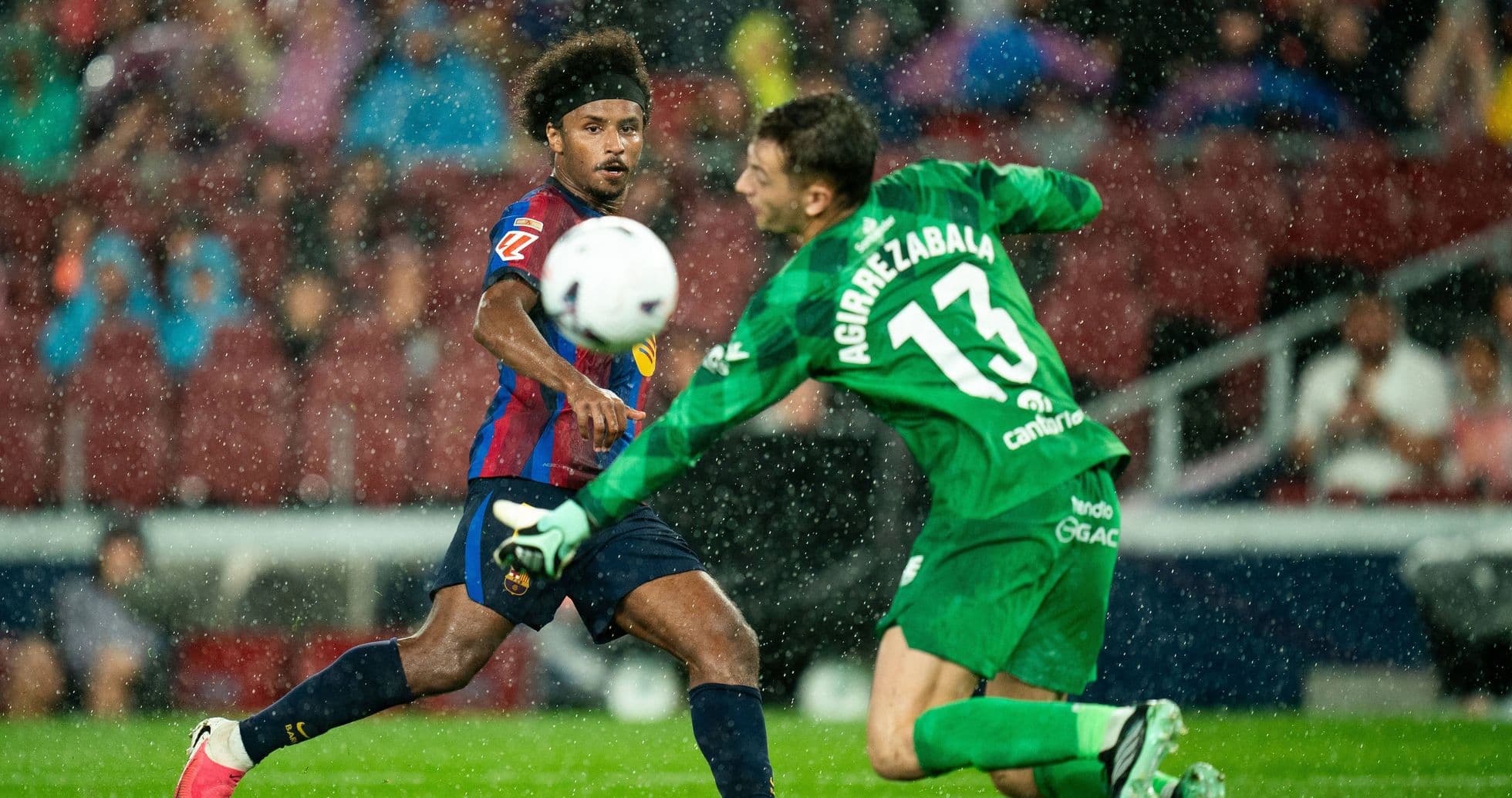
Hansi Flick Leads Barcelona to Record-Breaking Seven Wins in a Row
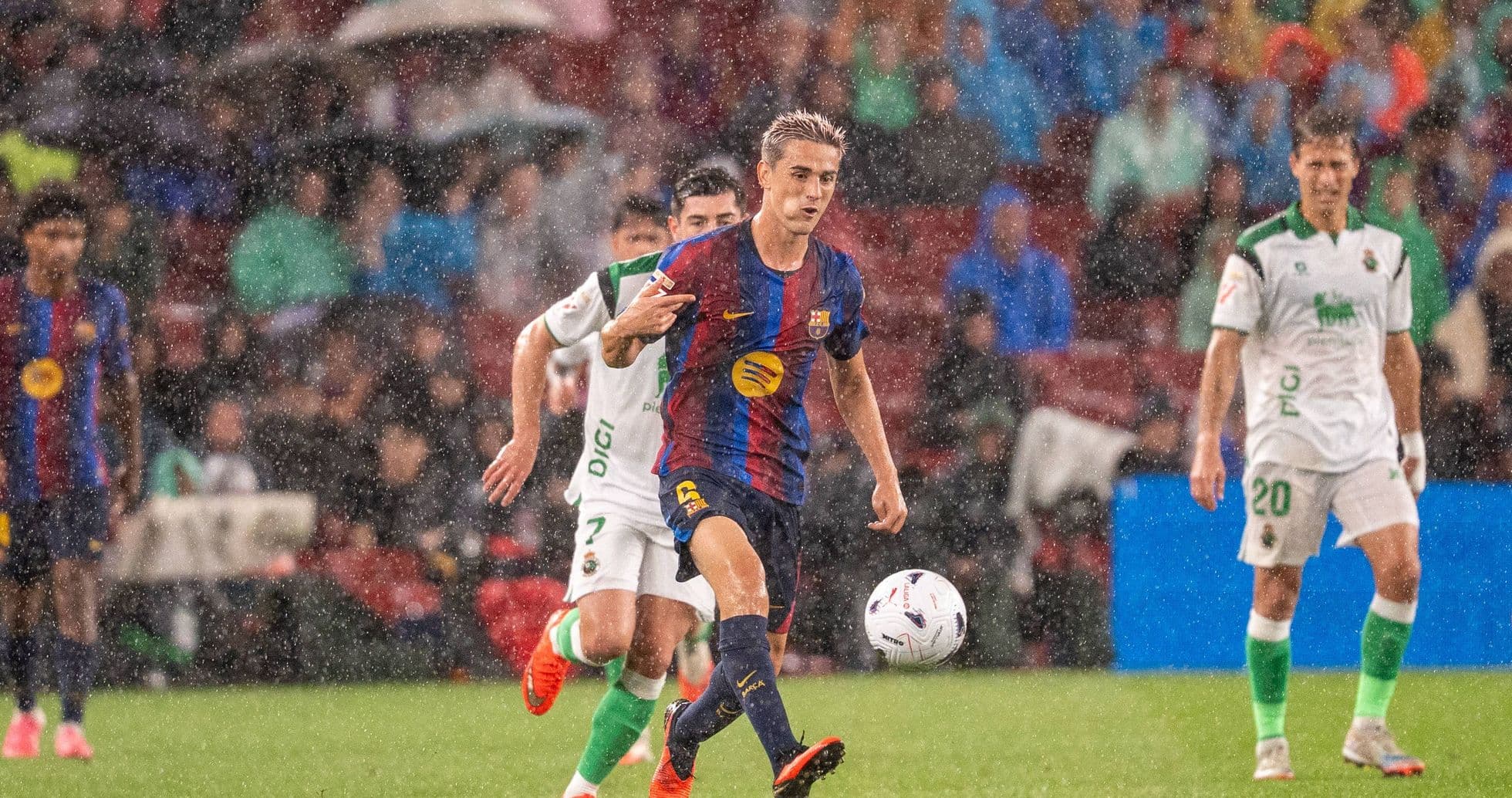
Gavi Reflects on Injury Return as Barcelona Dominate Racing Santander 7-2