
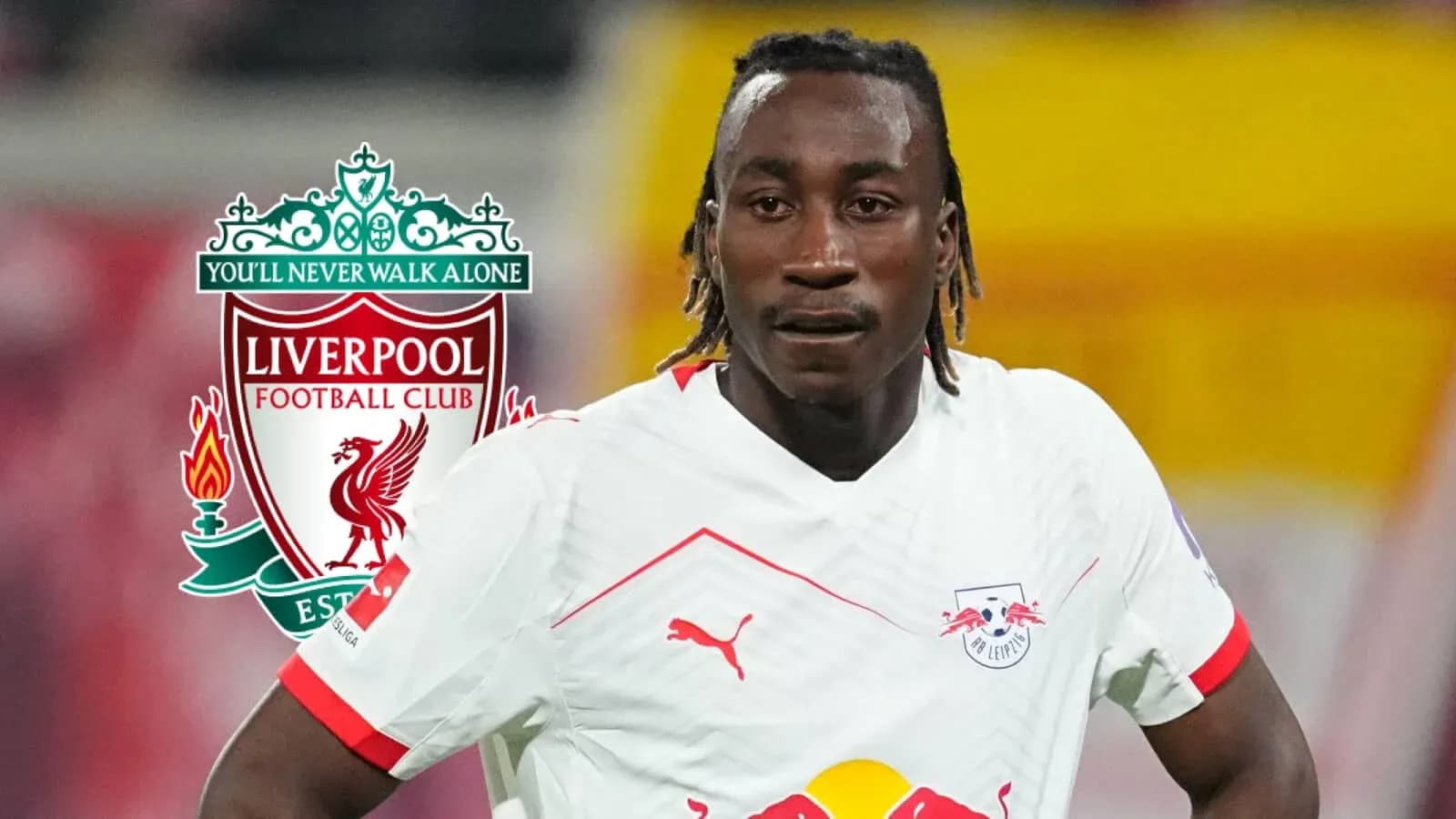
Liverpool’s Transfer Trick Revealed: The Real Story Behind Bobby Clark
Liverpool’s accountants will not be ordering champagne on the back of it, but the club’s latest “clever transfer trick” quietly underlines how the modern game really works: marginal gains, sell‑on clauses and a constant hunt for value in a market that long ago lost its grip on reality.
Liverpool’s “significant sum” that isn’t
The Daily Express framed it as a masterstroke:
“Liverpool’s clever transfer trick pays off as medical takes place today.”
The implication was clear. Liverpool, transfer-market chess grandmasters, had pulled off another financial coup that would meaningfully fuel their summer rebuild and perhaps even tilt the chase for Yan Diomande.
The truth is more mundane, and more revealing.
Bobby Clark is set to join Derby County for £6m. Buried inside that deal is Liverpool’s supposed “trick” – a 17.5 per cent sell‑on clause negotiated when Clark left Anfield. On this move, it lands them a little over £1m.
Useful? Of course. “Significant” in the context of an elite Premier League recruitment drive? Not remotely. In a market where top-level defenders are valued north of £60m, Liverpool have essentially recouped about one‑hundredth of a Diomande.
Even the article eventually backs away from its own hype:
“While not a huge amount of money in the grand scheme of things, it will represent a welcome boost for Liverpool as they go in search of reinforcements in the summer market.”
So the “clever transfer trick” boils down to a standard sell‑on clause and a seven‑figure top‑up that barely dents the cost of a serious target. Smart business, yes. Game‑changer, no.
The Mo Salah “dig” that wasn’t
Elsewhere, Mohamed Salah found himself dragged into a narrative that did not quite match the headline.
“Egypt manager breaks down in tears and makes sly Mo Salah dig after World Cup heroics,” announced the Mirror online.
The timing felt odd. Salah had just become Egypt’s record World Cup scorer, driving them to a first‑ever win at the tournament. Hardly the moment you would expect a national coach to swipe at his talisman.
And he didn’t. The piece itself clarifies that any criticism was not aimed at Salah, but at those who have previously used him poorly: “a dig, seemingly, at the mishandling of Liverpool icon Mohamed Salah,” directed “towards some of the tacticians that have had Salah at their disposal.”
So not a sly dig at Salah at all, but at managers who failed to maximise him. A headline built on tension that dissolves the second you read the detail.
Slushies, slogans and the England circus
While transfer clauses and Salah subplots filled one corner of the agenda, England’s World Cup camp provided its own brand of colour – and not all of it especially illuminating.
The Sun’s big “exclusive” from Kansas? Slushie machines at England’s training base.
We learn, painstakingly, what a slushie is – crushed ice, flavoured syrup, electrolytes thrown in for recovery – as if no reader has ever met a convenience-store drink. The flavours are breathlessly listed: blue blueberry, red raspberry, a mysterious green “believed to be either apple or lime.”
The green one, apparently, is classified information.
Each day, the drinks are given pun‑heavy names based on the squad: “Jordan Ice Pickford”, “Ice, Rice Baby”, “Freeze James”, “Jarell Thirst Quencher”. The list goes on: Dan Brrrrrrn, Eberrrrrechi Eze, Ice Lolly Watkins, Marcus Rashberry, Cold Trafford, Bluekayo Saka.
It is the sort of filler that tends to appear when there is no injury crisis, no tactical row, no genuine controversy to chase. When the football quietens, the puns get louder.
Wonderwall, again
The same paper splashed on another familiar World Cup subplot: the anthem debate.
“Noel Gallagher backs Sun’s campaign to make Wonderwall England’s official World Cup anthem after ‘magical’ singalong.”
The framing hints at a seismic endorsement. In reality, Gallagher’s quote is strikingly lukewarm: “Wonderwall belongs to the people, and it was a magical moment between the people and the players. Best of luck to everyone who’s made the trip out there.”
That’s not so much a campaign launch as a polite nod.
The “celebrity backing” feels equally thin. Rob Rinder and Olly Murs are rolled out to add weight, both calling for the song to soundtrack England’s campaign. If those are the loudest voices you can find, it hardly screams national movement.
The sense is of a story chasing a moment that has already happened – a spontaneous singalong repackaged as a formal push.
Ratings wars and centre‑back debates
Away from the England camp, the media continued to scrutinise itself.
“The BBC have last laugh as ratings in podcast war vs Gary Lineker revealed,” trumpeted The Sun’s website, pointing out that Football Daily has peaked at nearly 250,000 daily streams, with episodes “regularly bringing in more than 100,000 viewers on iPlayer alone.”
Impressive numbers. But the supposed “last laugh” sits awkwardly alongside Lineker’s £14m Netflix deal and six‑figure daily audiences of his own. Hardly the tale of a humbled broadcaster retreating from the fight.
Then there was Phil Neville, speaking to The Times, weighing in on England’s defensive profile:
“Harry Maguire couldn’t play in this side – Tuchel was right to ditch him,” ran the headline, with the standfirst explaining that England’s head coach wants “only fast, athletic centre backs who can defend man-to-man, unlike Manchester United who play compact, counterattacking football.”
It is a neat, tidy argument. It just jars when you look at the names. Dan Burn and John Stones, neither exactly Usain Bolt, are cited as examples of the new athletic ideal.
The game, as ever, is more complicated than the soundbite.
Margins, myths and the market
Strip away the noise – the slushies, the singalongs, the podcast skirmishes – and a clearer picture emerges of where elite football really lives right now.
In the transfer market, Liverpool’s sell‑on clause on Bobby Clark is exactly what it looks like: shrewd housekeeping, not a financial revolution. At international level, Salah’s status is strong enough that even a supposed “dig” bends back towards those who failed to understand him, not the player himself.
And in the background, clubs with serious ambitions still face the same question: when a “significant sum” barely buys you a fraction of a top‑end defender, who can really afford to get their next move wrong?
Related News

Raphinha’s Hat-Trick Powers Barcelona to 7-2 Victory Over Racing Santander
Carabao Cup Fourth Round Draw: Liverpool Set to Clash with Chelsea, Arsenal to Face Fleetwood Town
Key Football Matches to Watch in Azerbaijan This Autumn
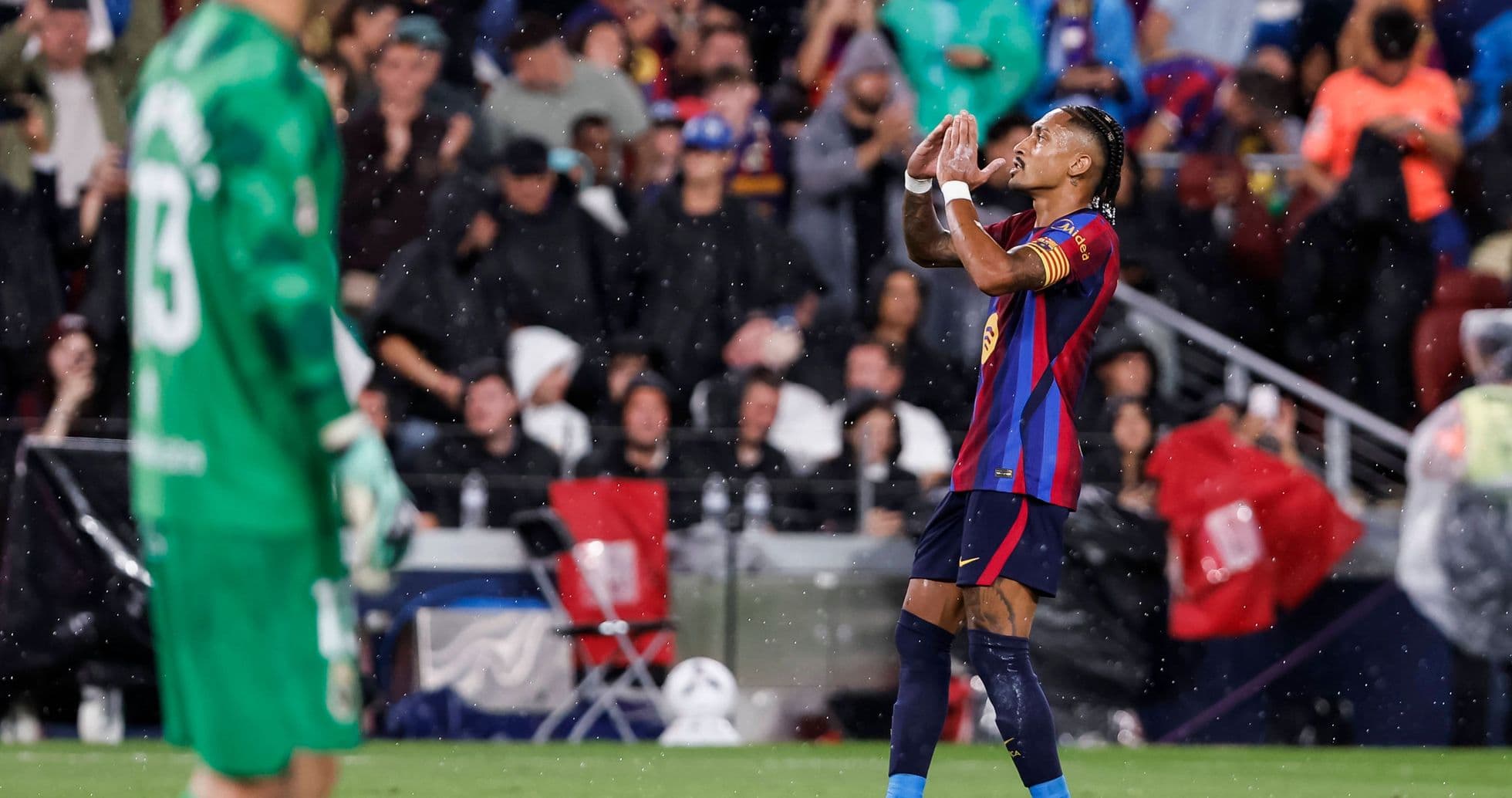
Raphinha's Hat-Trick Drives Barcelona to 7-2 Triumph Over Racing Santander
Hansi Flick Leads Barcelona to Record-Breaking Seven Wins in a Row

Gavi Reflects on Injury Return as Barcelona Dominate Racing Santander 7-2