
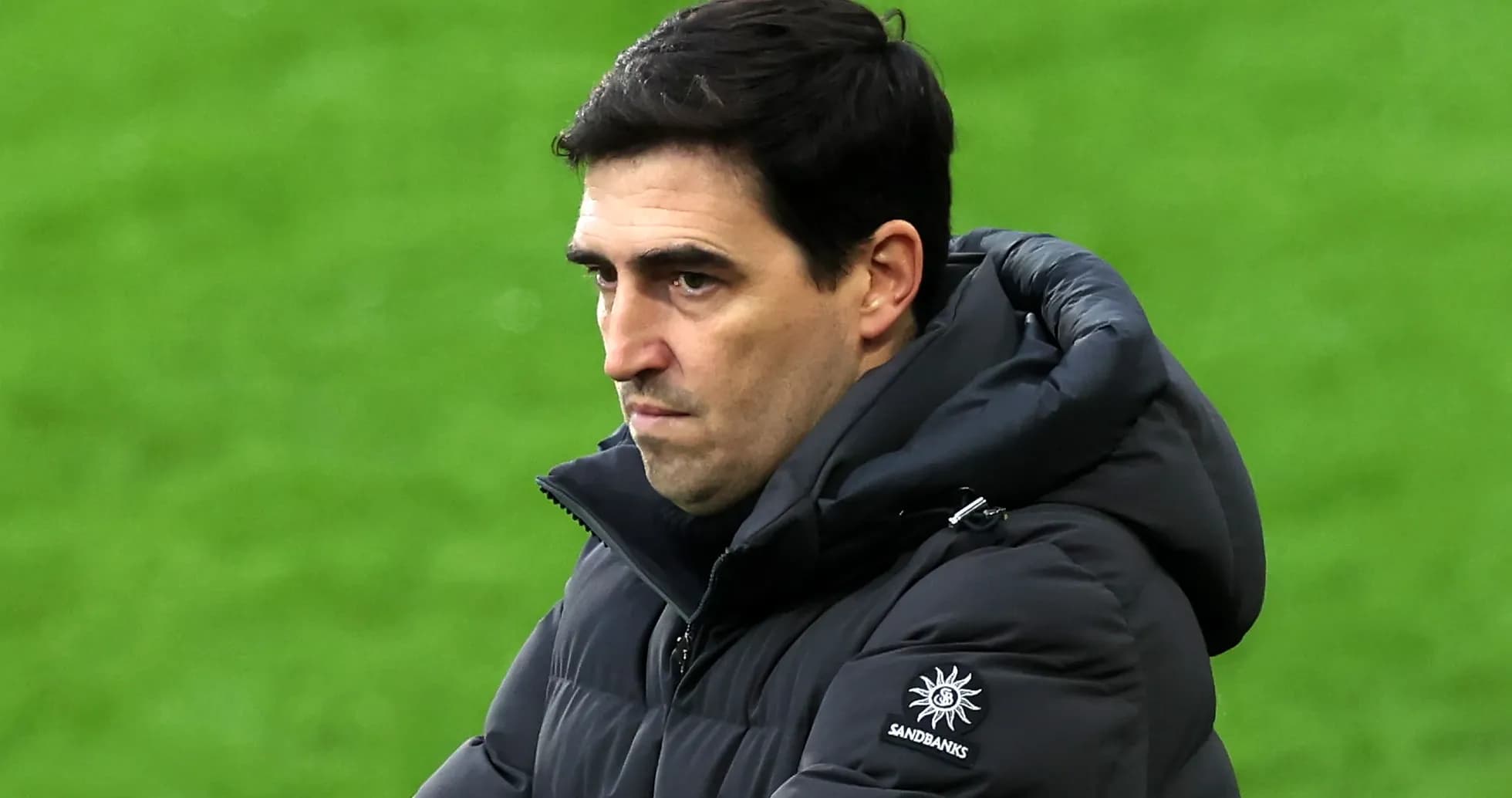
Liverpool's Sacking Strategy: Carragher's Take on Alonso and Iraola
Liverpool did not just sack a manager at the weekend. They detonated a debate that cuts right to the heart of how the club is being run.
Arne Slot, Premier League title winner in his first season at Anfield, is out after a fifth-place finish in his second. Two years, one league crown, and then the door. The decision itself is ruthless. The timing is what has left Merseyside seething.
Because the moment to change course, many feel, has already come and gone.
Alonso window slammed shut
Earlier this year, Xabi Alonso – the romantic choice, but also the rational one for many – was on the market after leaving Real Madrid. He was heavily linked with a return to Liverpool, the club where his passing once dictated entire seasons.
Liverpool paused. Chelsea didn’t.
Alonso agreed to take over at Stamford Bridge last month, and Liverpool chose to stay the course with Slot. Weeks later, Slot is gone and Andoni Iraola is being lined up as the favourite to take over. The sequence is what grates.
On The Overlap, Jamie Carragher did not bother to sugar-coat his view of the process. He zeroed in on sporting director Richard Hughes and the choices made at the top.
Carragher could not understand why, if there was even a flicker of doubt about Slot’s long-term future, Alonso was not treated as the must-not-miss opportunity.
“I would have changed him (Slot) for Xabi Alonso. As soon as he went to Chelsea, I was thinking that I would keep Slot,” Carragher said, laying out the contradiction.
Liverpool kept faith in Slot when Alonso was free, only to sack him once Alonso had committed to a direct rival.
For Carragher, Alonso ticked every box: elite playing career, exposure to some of the game’s greatest coaches, and a coaching résumé that had exploded into life at Bayer Leverkusen.
“When I was thinking about Alonso, it was also because he got the best out of Florian Wirtz,” he explained. “If you were going to change it, why was it not for Alonso? With Alonso, you have an incredible playing CV, the managers he has been coached by. What he did at Leverkusen. He has managed Real Madrid. I know it didn't go well, but he is used to that pressure and scrutiny.”
The logic is simple. If you are going to rip up the project, you do it for the standout candidate. Liverpool, in Carragher’s eyes, have managed to do the hard part – sacking a title-winning coach – without landing the one man who justified such upheaval.
Iraola fit under the microscope
Now the conversation shifts to Iraola, a coach admired for his intensity, bravery on the ball, and high-octane pressing game. At Bournemouth, he showed he could reorganise a squad, absorb the loss of important players, and still impose his style.
Anfield, though, is a different world.
Carragher’s doubts are not about Iraola’s talent in isolation. They are about the fit – the marriage between coach and squad that Liverpool have been so careful to curate in recent years.
Beyond the pedigree question, he raised tactical alarm bells about how Iraola’s relentless approach would mesh with a group built for a different brand of football.
Iraola demands aggression, repeated sprints, and a collective press that lives on the edge physically. Liverpool’s current squad has been assembled under managers with varying interpretations of front-foot football, but not necessarily for Iraola’s very specific, high-pressing template.
“If Liverpool chose Iraola over Alonso, it is very worrying for Liverpool,” Carragher warned. “If it is because Alonso wants to play a back three, or his style of play, fair enough. But I am not sure Liverpool has the players to play Iraola's high-pressing game.”
That is the crux of his concern: not whether Iraola is a good coach, but whether Liverpool are about to force a dramatic stylistic shift on a squad that may not be built to survive it without major surgery.
A summer of upheaval
And surgery is coming anyway.
Mohamed Salah has gone, leaving a cavernous hole on the right wing and a goalscoring burden that no single signing will easily replace. The new manager will walk into a dressing room missing its talisman and a recruitment team under pressure to deliver a world-class wide forward.
Slot’s exit also clears out the training ground hierarchy. Assistants Sipke Hulshoff, Giovanni van Bronckhorst, and Ruben Peeters are all departing, stripping away continuity and institutional knowledge in one sweep. Whoever walks into the manager’s office will need to rebuild not just a squad, but an entire backroom staff.
That is a monumental task for any coach, let alone one stepping into the glare of Anfield for the first time.
Iraola has shown at Bournemouth that he can steady a ship after key departures and reshape a team’s identity on the fly. He has handled the churn of Premier League life, the sales, the setbacks, the constant recalibration that comes with a smaller club fighting to stay ahead of the curve.
This, though, is Liverpool. Title expectations, European demands, global scrutiny. Every tactical tweak, every selection, every substitution will be dissected.
If Fenway Sports Group and Richard Hughes have decided Iraola is the man to lead Liverpool into this new era, they are staking their credibility on his ability to translate that ferocious, high-pressing blueprint onto a squad in flux.
They passed on Alonso when he was there for the taking. They have torn up a recent title-winning regime weeks after doubling down on it.
Now there is no romantic option waiting in the wings, no obvious safety net. The next appointment has to be right – not just in theory, not just on a data sheet, but on the pitch, under the lights, with the Kop demanding answers.
Related News

Raphinha’s Hat-Trick Powers Barcelona to 7-2 Victory Over Racing Santander
Carabao Cup Fourth Round Draw: Liverpool Set to Clash with Chelsea, Arsenal to Face Fleetwood Town
Key Football Matches to Watch in Azerbaijan This Autumn
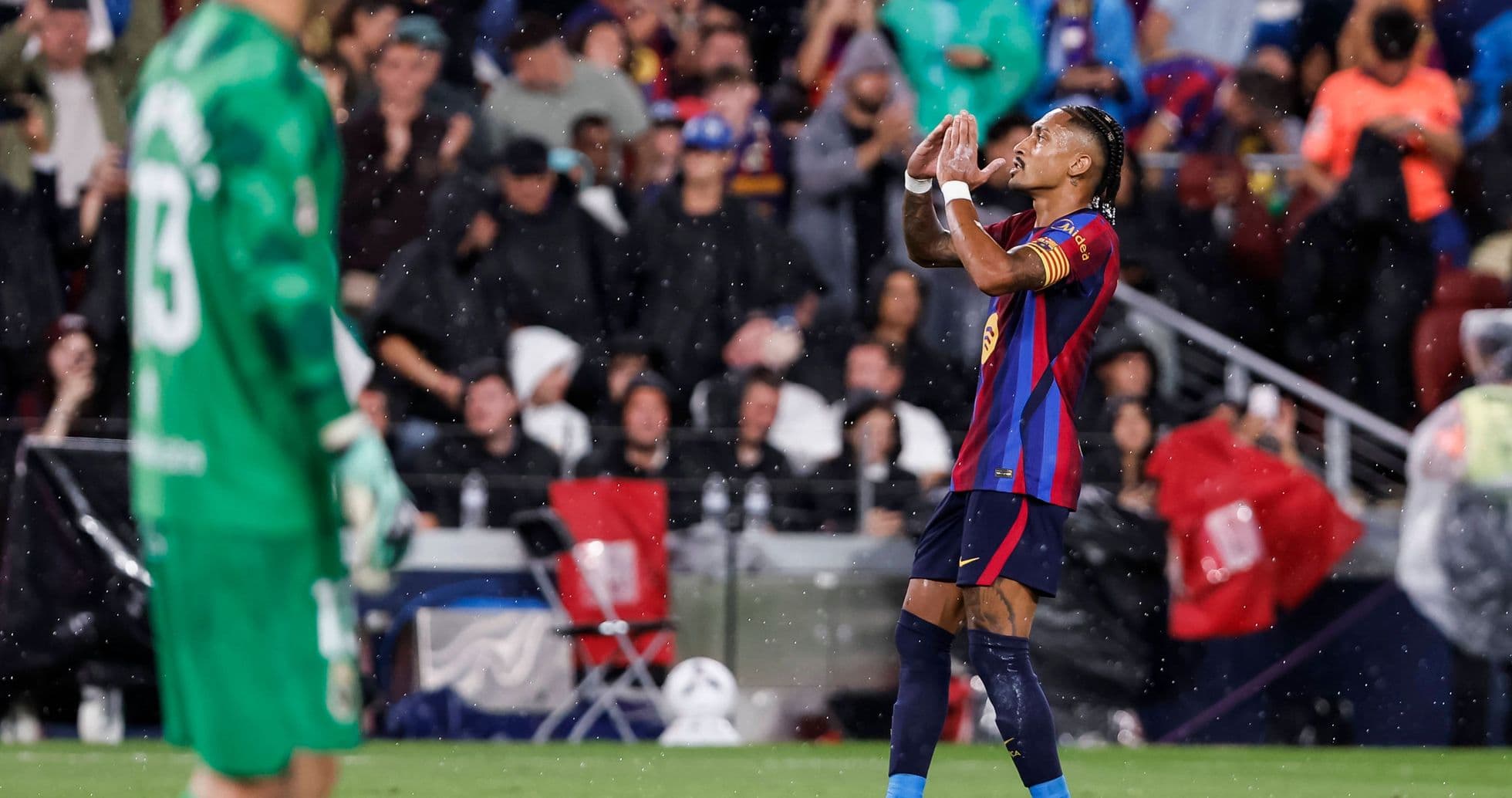
Raphinha's Hat-Trick Drives Barcelona to 7-2 Triumph Over Racing Santander
Hansi Flick Leads Barcelona to Record-Breaking Seven Wins in a Row
Gavi Reflects on Injury Return as Barcelona Dominate Racing Santander 7-2