
Liverpool's Role in the Surging Transfer Market
While the game's biggest stars chase a world title across the Atlantic, English football is locked in a very different contest. No trophies, no crowds, not even a ball in sight. Just balance sheets, phone calls and transfer fees that look increasingly detached from reality.
On Wednesday, the numbers lurched into a new stratosphere.
Tottenham Hotspur have agreed a deal to sign Newcastle United midfielder Sandro Tonali for a basic £92.5million, with a further £7.5m in achievable add-ons. A £100m midfielder, signed by a club that, until recently, prided itself on prudence.
Hours earlier, Spurs had already smashed their own transfer record, confirming the arrival of West Ham United midfielder Mateus Fernandes in an £85m deal. That landmark barely had time to dry on the press release before it was rendered obsolete.
Then came Manchester City, never far from the sharp end of any financial arms race, tying up a move for Nottingham Forest midfielder Elliot Anderson for £116m. A player with promise, certainly. A fee that would once have belonged only to global superstars.
What is Happening to the Transfer Market?
So what exactly is happening to the transfer market?
Prices always creep upwards. What £20m bought a decade ago bears little resemblance to what it buys now. But this is more than a gentle climb. This is a surge, and not just among the usual heavyweights or the obvious superstars.
And that is where Liverpool enter the picture – both as victims of the current landscape and, to a degree, as one of its architects.
Last summer, Liverpool tore up their own rulebook. They spent £116m on Florian Wirtz, then went bigger again with a £125m move for Alexander Isak. Two huge deals in a single window, under owners who routinely stress sustainability and value.
The club offset that with more than £200m in sales, while eventual champions Arsenal posted the highest net spend in the Premier League. But the raw number remains stark: Liverpool’s total outlay of almost £450m was the largest single-window spend by any club in Premier League history.
Those figures have not vanished into the ether. They now sit in every negotiation room, in every agent’s brief, as a reference point. What Liverpool paid for Wirtz and Isak is being used, consciously or not, to frame what others can ask.
Liverpool themselves work that way. The club regularly benchmarks valuations against comparable players – age, quality, contract situation, all fed into the equation. That logic underpins their stance on Curtis Jones. Despite the midfielder entering the final 12 months of his current deal, Liverpool want more than £30m, having watched similar profiles move for sizeable sums in recent windows.
It is not a radical approach. Every serious club does it. But when “good, not yet great” players are moving for eye-watering fees, the baseline for the market shifts. The middle tier gets dragged upwards. The truly elite become even harder to touch.
No surprise, then, that Paris Saint-Germain have slapped a nine-figure price on Bradley Barcola. Or that RB Leipzig felt no pressure to entertain Liverpool’s £86m interest in Yan Diomande, with the Ivorian winger reportedly keen on PSG instead. If the going rate for the merely very good is soaring, clubs will not blink when they name their price for the ones they really want to keep.
For Fenway Sports Group, this is both a challenge and a test of identity. Liverpool’s owners have long worn their transfer nous as a badge of honour: the ability to squeeze value from the market, to find timing and clauses that others miss. Last month’s move for Spain international winger Victor Munoz was straight from that playbook, activating a £34.5m release clause at Osasuna to bypass a bidding war.
They still have to work that way. Even after last summer’s splurge, Liverpool do not have the same financial firepower as some of their domestic rivals. Not when it comes to sheer, repeated, nine-figure bets.
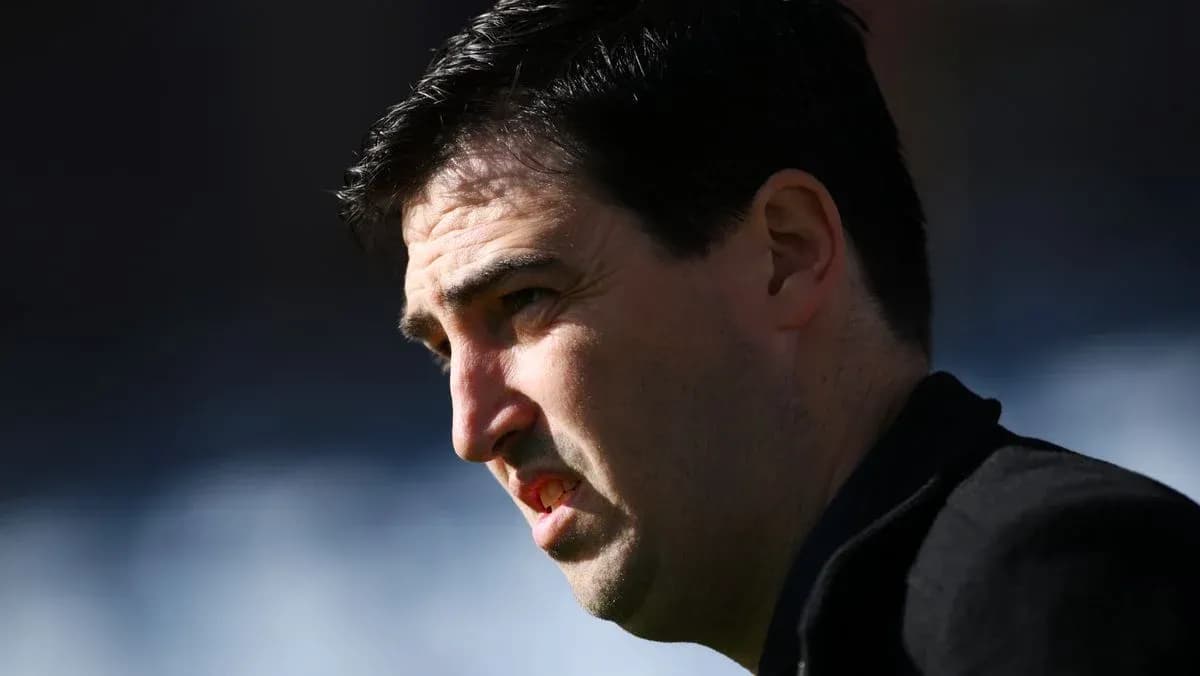
Yet Andoni Iraola’s squad still has gaps. Significant ones. Liverpool are only just warming up in this window, but the task in front of their recruitment team is clear: find players closer to the finished article, at a time when anyone with proven top-level output costs a fortune.
That reality goes some way to explaining the club’s tilt towards a younger age profile in their targets. Younger players mean higher upside, lower wages, and, crucially, the potential for resale. But youth also means risk. In this market, though, the risk of waiting until a player is fully polished might be even greater.
Across the Premier League, the floor has risen. Fees that once would have led the news now pass with a shrug. The very best are drifting into a financial bracket only a handful of clubs can access.
Liverpool helped push the ceiling up last summer. Now they, like everyone else, must live with the altitude.
Related News

Ilia Topuria Accuses Justin Gaethje After UFC Defeat

Tyson Fury vs Anthony Joshua Fight Date and Venue Confirmed
Switzerland Calls Up In-Form Sion Striker Winsley Boteli for Nations League

Bournemouth Secures Historic 2-1 Win Over Real Sociedad in Spain

Portugal Announces Squad for 2026 UEFA Nations League; Cristiano Ronaldo Expected to Play

Raphinha Channels Ronaldo Nazario as Barcelona's Leading Striker After Position Change