
Liverpool Ownership Set for Major Change with Potential 30% Stake Sale
Liverpool’s ownership picture is bracing for another seismic twist, and this time the numbers are as eye-catching as the names involved.
A consortium fronted by former Queens Park Rangers co-owner Amit Bhatia and backed by the family of steel magnate Lakshmi Mittal is in advanced talks over a 30 per cent stake in Liverpool, a slice of the club that could cost around £1.35bn, according to the Daily Mail. That would peg Liverpool’s valuation at just over £4bn – elite territory, but in step with where the market now places one of European football’s modern powerhouses.
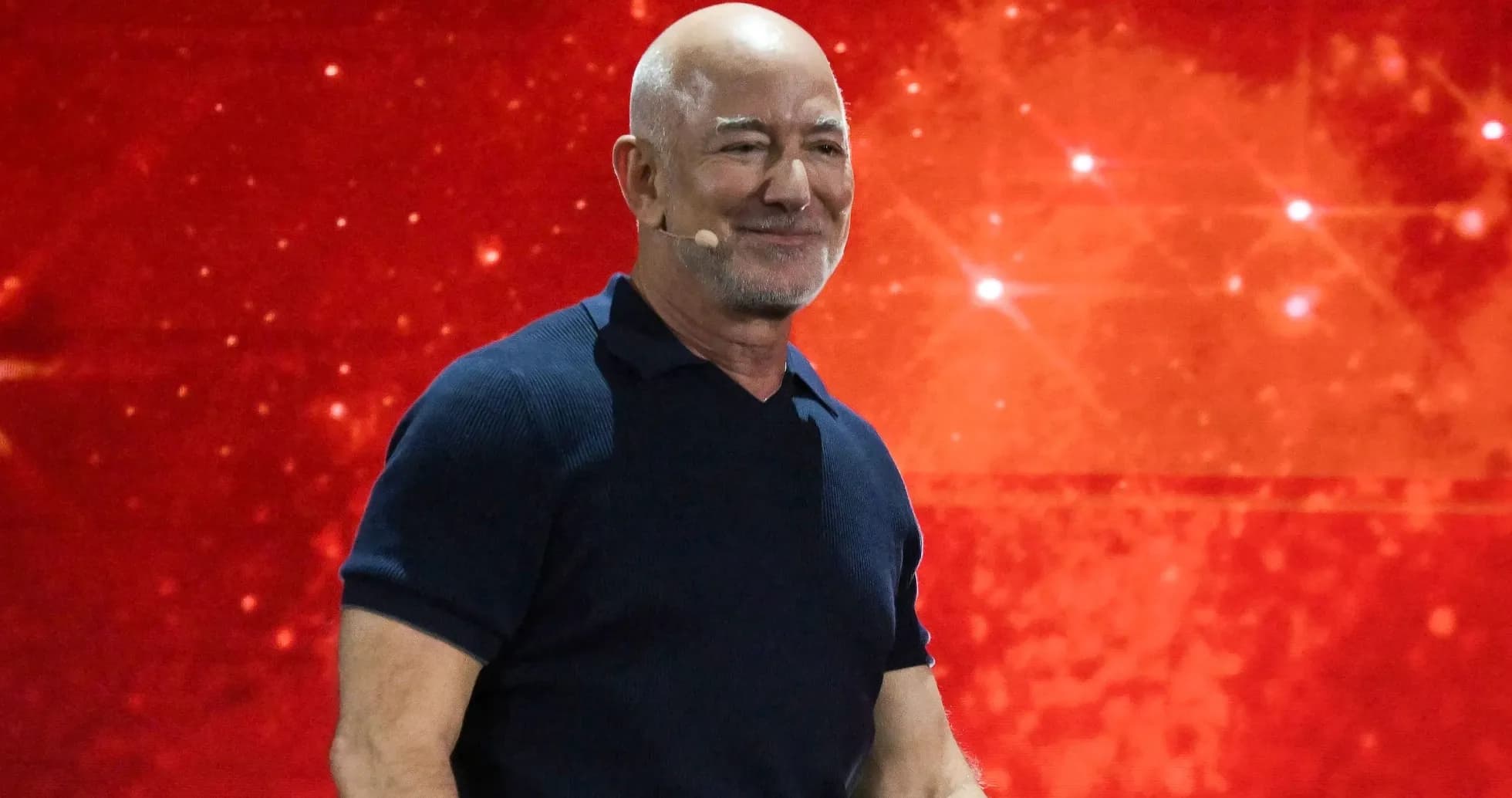
Then comes the potential headline act. Jeff Bezos, the Amazon founder whose personal wealth dwarfs the GDP of some nations, is understood to be interested in joining the group to reinforce the bid. For a club that already trades on global reach, the prospect of pairing the Liverpool brand with one of the world’s most powerful tech figures is a tantalising, and disruptive, possibility.
Fenway Sports Group, Liverpool’s owners since 2010, have confirmed the approach. A spokesperson acknowledged that “an investment consortium led, managed, and represented by Amit Bhatia has expressed interest in making a strategic minority investment in Liverpool Football Club.” Strategic is the key word. This is not a takeover. It is a cash-out at scale that stops well short of ceding control.
Football finance expert Kieran Maguire believes FSG have judged the moment with clinical precision. Speaking to the Daily Mail, he outlined the contours of the proposed deal: “As far as the potential Liverpool investment is concerned, it looks like it's going to be up to 30 per cent or £1.3bn. That values the club at just over £4bn, which is broadly in line with expectations.”
The numbers matter, but the structure matters more. FSG would still hold around 60 per cent, retaining a clear controlling stake. The levers of power – transfer policy, recruitment strategy, long-term planning – would remain in Boston’s hands. Liverpool’s sporting direction, in other words, would still be written in the same office.
Maguire called it “a super smart piece of business” from FSG. They have sold portions of the club before, but never on this scale in a single move. Crucially, the money raised would flow to FSG, not directly into Liverpool’s balance sheet. For supporters dreaming of a sudden, oil-state-style transfer spree, that detail will jar. “If they are selling 30 per cent, that money goes to FSG not Liverpool, so there is no physical impact upon the club's coffers,” Maguire pointed out.
Yet the immediate lack of a direct cash injection into the club does not mean the football operation stands still. The identity of the potential minority investors changes the financial weather around Anfield. With the Mittal family involved and Bezos circling, Liverpool could find themselves backed by individuals capable of altering the club’s borrowing power almost overnight.
Maguire spelt out the potential advantage: “If the club is looking to borrow money at a future date for whatever circumstances and you are owned by Mittal's son-in-law and Bezos, they will be in a position to lend money on an interest-free basis which can only help in terms of cash flow.” In a landscape where interest rates have risen and stadium and infrastructure projects demand heavy funding, that kind of internal lending capacity is a weapon.
Then there is the commercial dimension. Liverpool already sit in the top tier of global sporting brands, but the idea of a formal tie-up with Amazon would open a different frontier. Content, sponsorship, distribution – all could be reshaped.
“Also, having a potential partner of the magnitude of Bezos does mean there is the opportunity for synergies,” Maguire said. “If Amazon Prime want to increase their global influence, then one way could be to do a partnership with Liverpool, whether in terms of content or sponsorship. Liverpool goes out to the world and Amazon goes out to the world as well. As well out of the world, maybe! He is flying people into space after all.”
That last line carries a joke, but the point lands. Liverpool, a club that once defined itself through the docks and the Kop, now sits at the junction of elite sport, global entertainment, and big tech. A minority sale of around 30 per cent would not change the badge or the anthem. It would, however, confirm that the battle for football’s future is no longer just between clubs, leagues, or nations.
It is between ecosystems – and Liverpool may be about to plug directly into one of the biggest on the planet.
Related News
Ilia Topuria Accuses Justin Gaethje After UFC Defeat
Tyson Fury vs Anthony Joshua Fight Date and Venue Confirmed
Switzerland Calls Up In-Form Sion Striker Winsley Boteli for Nations League
Bournemouth Secures Historic 2-1 Win Over Real Sociedad in Spain
Portugal Announces Squad for 2026 UEFA Nations League; Cristiano Ronaldo Expected to Play
Raphinha Channels Ronaldo Nazario as Barcelona's Leading Striker After Position Change