
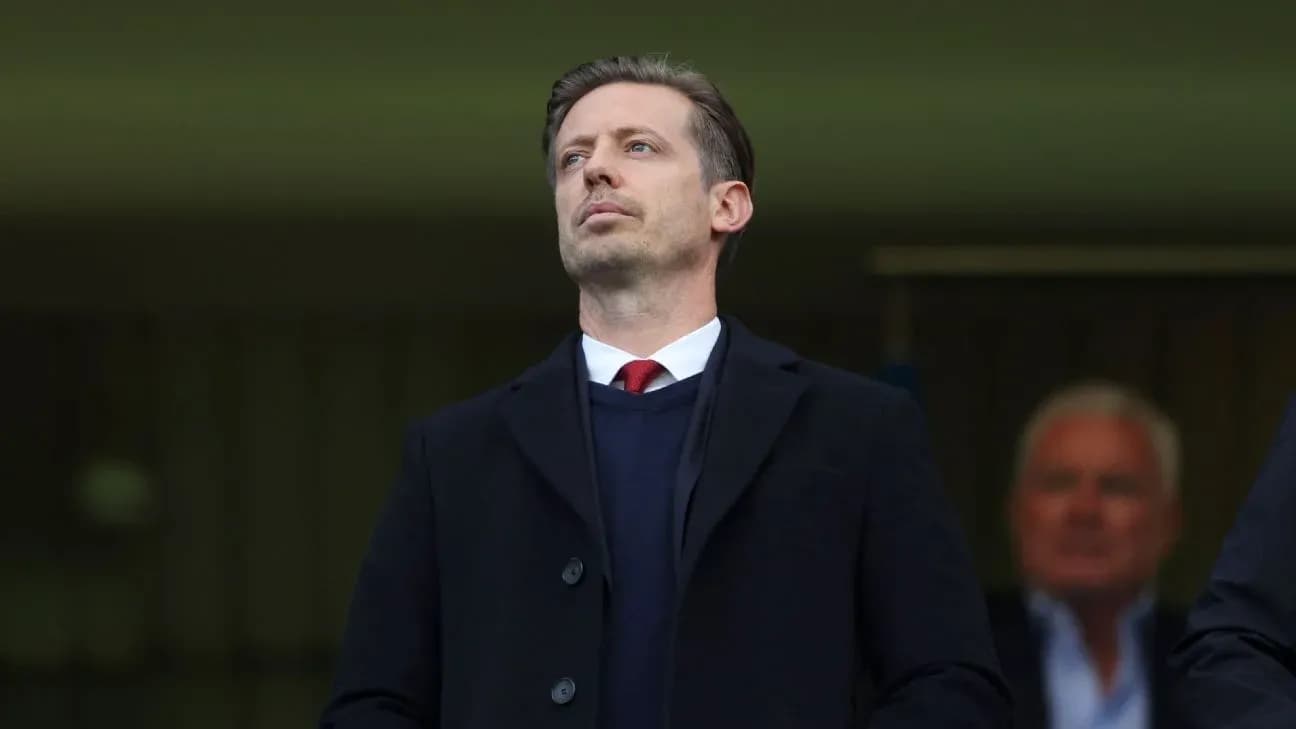
Liverpool Faces Major Changes After Michael Edwards' Departure
Liverpool are bracing for another jolt in a summer already defined by change, with Michael Edwards walking away from Fenway Sports Group just two years after returning to the ownership group in a senior executive role.
The architect of Liverpool’s modern recruitment era, the former sporting director had been appointed FSG’s chief executive officer of football in 2024, tasked with spearheading an ambitious multi-club project. That project has stalled. Edwards, frustrated by the lack of progress in adding a second team to the FSG portfolio, has resigned with immediate effect despite having a year left on his deal.
His exit leaves a sizeable hole at the top of Liverpool’s football structure and places fresh responsibility on FSG president Mike Gordon, who is now expected to step back into a more hands-on role in the club’s day-to-day running.
A grand plan that never took off
When Edwards returned to FSG after leaving Anfield in 2022, the brief was clear: take the data-driven model that helped transform Liverpool and apply it across a wider network of clubs. FSG scoured the market. More than 20 teams were assessed, with Bordeaux and Málaga among those considered as potential acquisitions.
The search dragged on. The portfolio never expanded. Earlier this year, the ownership quietly shelved the idea of adding another club, and the strategic project that had tempted Edwards back began to wither.
FSG framed his departure on Friday as “the culmination of a planned transition following the completion of key strategic priorities.” Behind that carefully chosen language lay a simple reality: attempts to persuade Edwards to stay failed once it became clear the multi-club vision would not move forward at the pace or scale he had expected.
Turbulence in a summer of transition
Edwards’ decision lands at a delicate moment for Liverpool.
The club is already navigating a major reset on the touchline, with Arne Slot gone and former AFC Bournemouth manager Andoni Iraola installed as head coach. The dugout is not the only area under scrutiny. Sporting director Richard Hughes, who brought Iraola to Anfield and whose contract runs until 2027, is being linked with a move to Saudi Pro League side Al Hilal, raising the possibility of further upheaval in the football department.
For a club that prided itself on stability during the Jurgen Klopp years, the concentration of change is striking: a new head coach, uncertainty over the sporting director, and now the departure of the executive charged with shaping FSG’s wider football strategy.
Into that vacuum steps Gordon, a key figure in the Klopp era but someone who had moved slightly into the background as Edwards returned. His increased involvement will be watched closely by supporters who have grown used to a clear, analytically driven chain of command.
Legacy of a title-winning architect
Edwards leaves with his reputation at Liverpool intact, even enhanced by the manner of his exit. During his time as sporting director under Klopp, he helped build the squad that climbed to the summit of English football, culminating in the Premier League title in 2025 and a broader period of sustained success.
His influence went far beyond headline transfers. He helped refine Liverpool’s recruitment, contract strategy and analytics, turning the club into a benchmark operation that many across Europe tried to emulate. His second spell, higher up in the FSG hierarchy, was shorter and less visible but rooted in the same analytical rigour.
In his parting words, Edwards stressed that he believes Liverpool remain “in a strong position, with outstanding people, a clear direction and the foundations in place for continued success.” He also acknowledged that the broader FSG football project “ultimately evolved differently to how we had originally envisaged,” while expressing pride in the range of “thoughtful and well-developed options” presented to ownership.
He reserved his final thanks for Mike Gordon, John Henry, Tom Werner, colleagues across FSG and Liverpool, and, crucially, the supporters “whose passion makes this club so special.”
The statement read like a careful full stop, not a comma.
What comes next, though, is anything but settled. FSG must now prove that the model Edwards helped build can survive without him, at a time when the manager’s office, the sporting director’s seat and the boardroom are all in motion. For a club that has spent a decade trying to stay one step ahead, the question now is blunt: can Liverpool keep their edge while the architects of their modern era walk away?
Related News
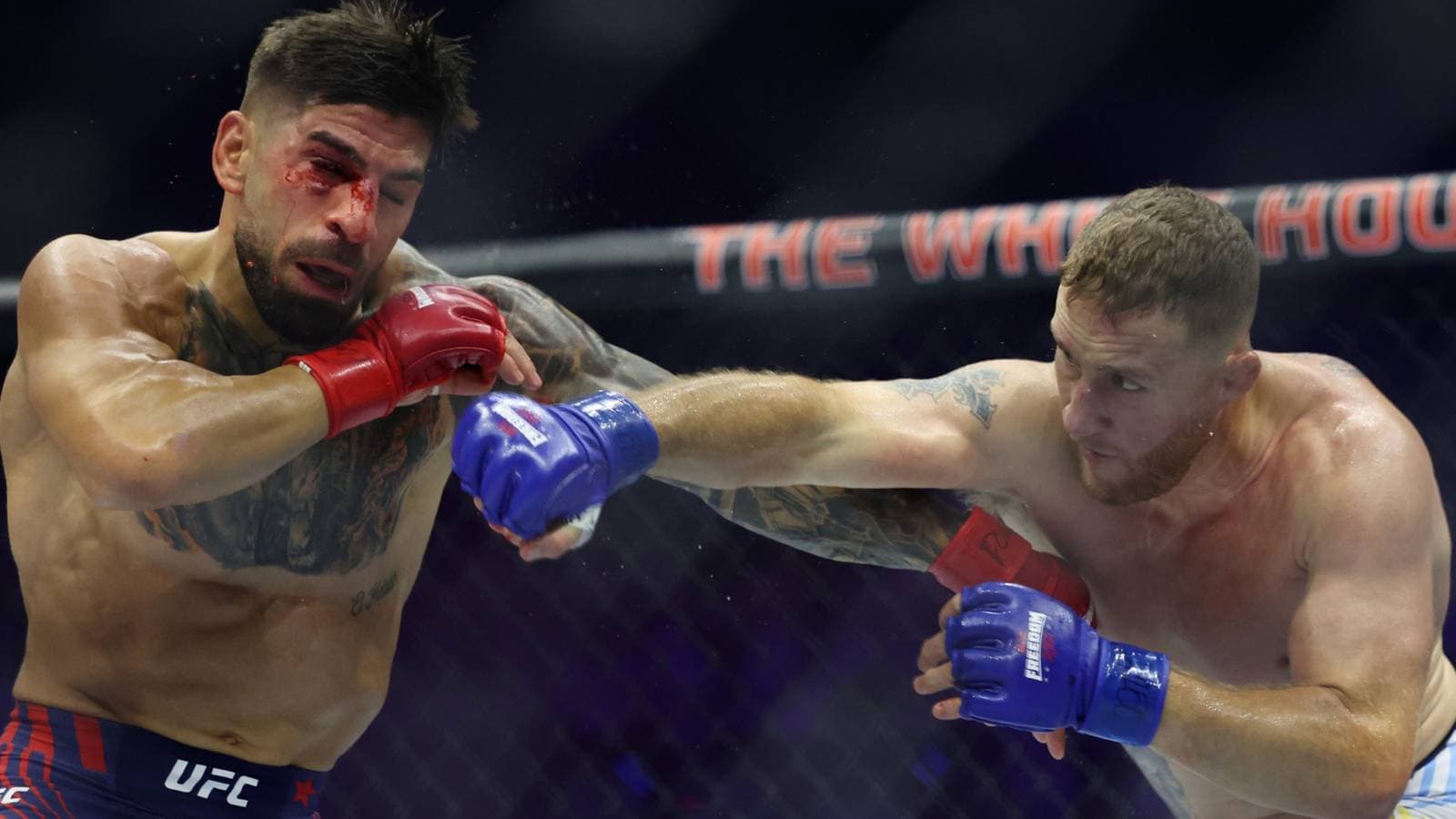
Ilia Topuria Accuses Justin Gaethje After UFC Defeat
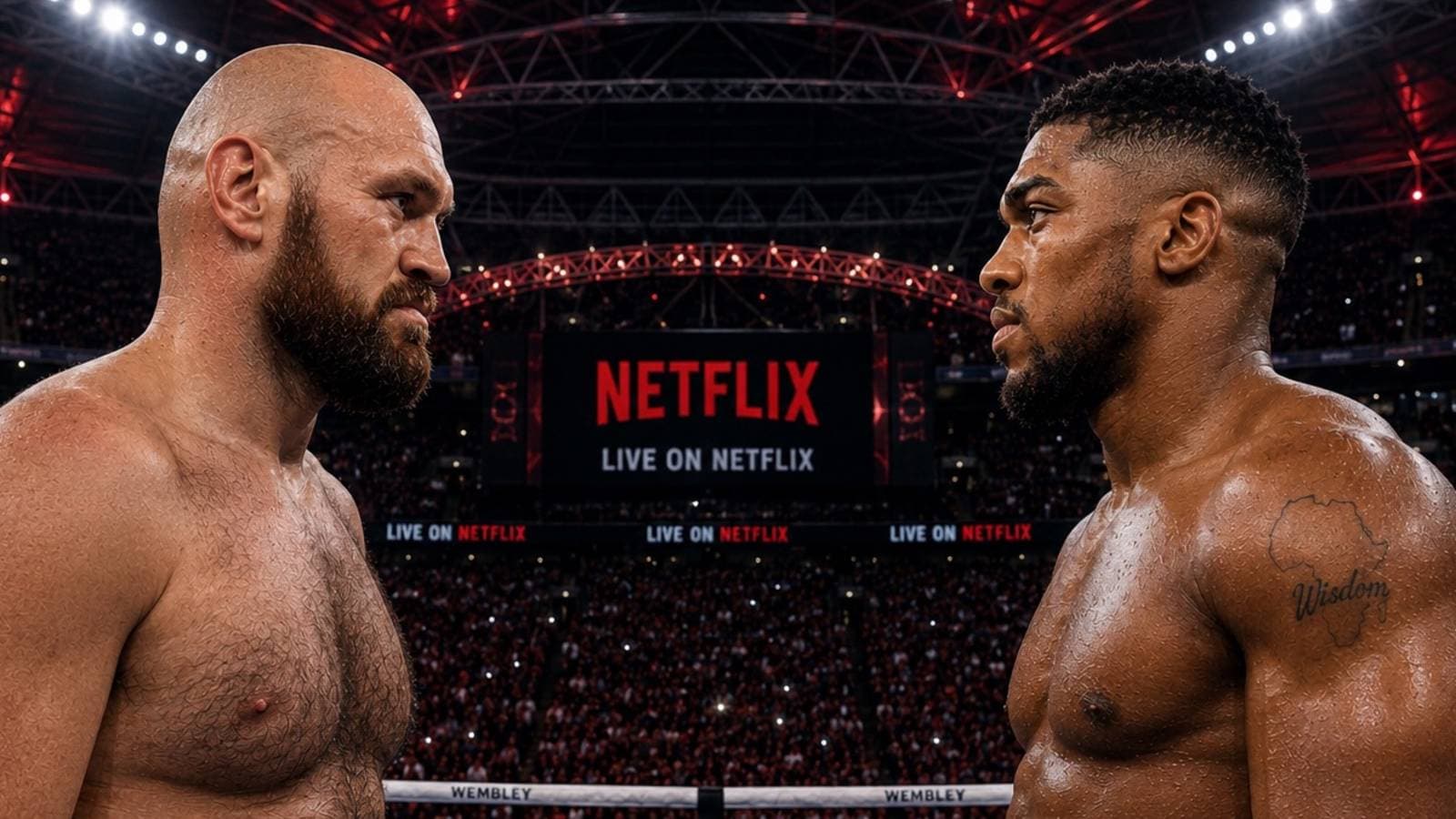
Tyson Fury vs Anthony Joshua Fight Date and Venue Confirmed
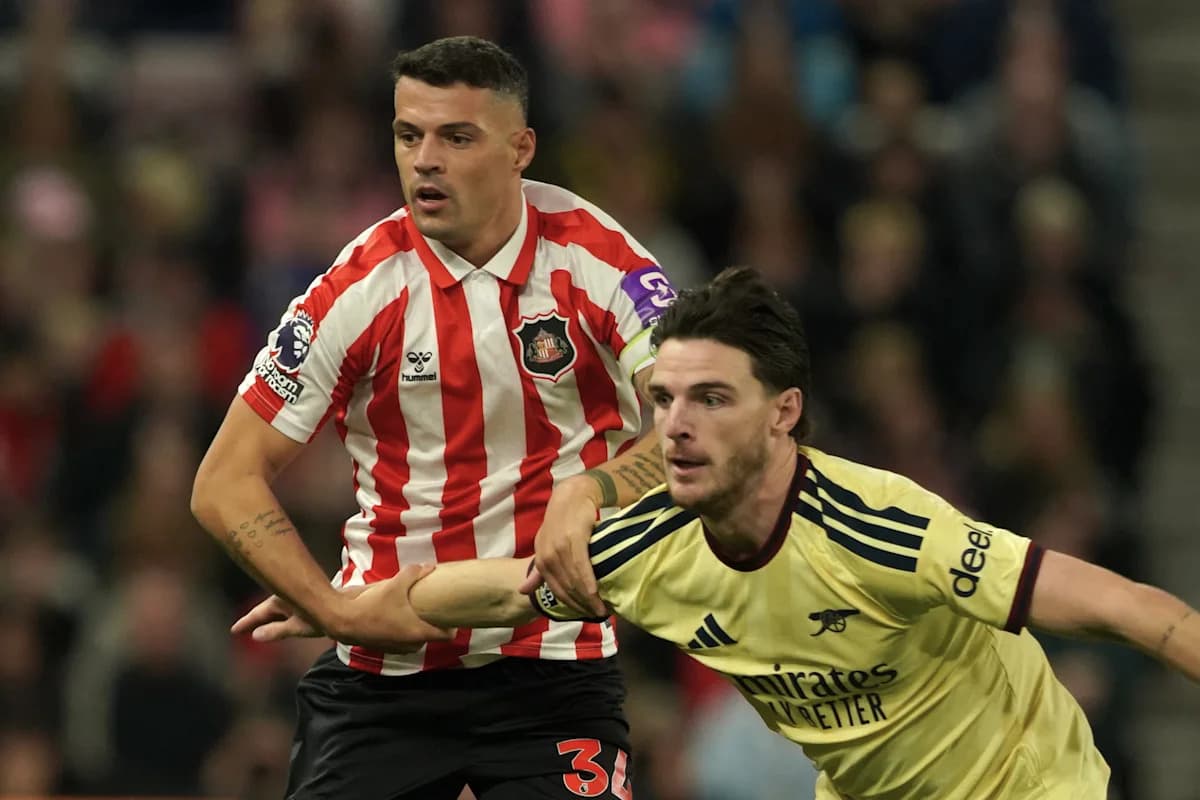
Switzerland Calls Up In-Form Sion Striker Winsley Boteli for Nations League
Bournemouth Secures Historic 2-1 Win Over Real Sociedad in Spain
Portugal Announces Squad for 2026 UEFA Nations League; Cristiano Ronaldo Expected to Play
Raphinha Channels Ronaldo Nazario as Barcelona's Leading Striker After Position Change