
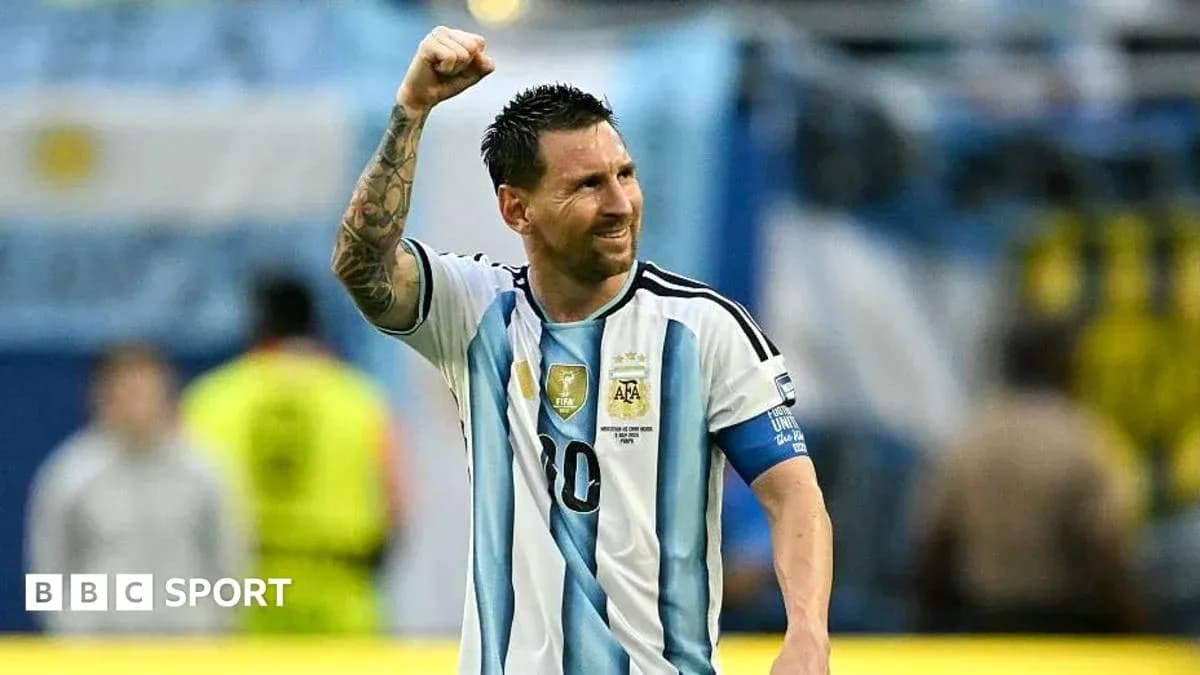
Lionel Messi Scores Again in World Cup Victory
Lionel Messi did it again. Of course he did.
After three against Algeria, two against Austria and one against Jordan, he added another to his personal World Cup catalogue in Miami, as Argentina edged Cape Verde 3-2 in a wild last‑32 tie that crackled from the first whistle to the last. One more goal, one more record, one more reminder that even a quieter Messi still bends tournaments to his will.
This one was his 20th goal at World Cup finals, extending the record he had already taken for himself during the group stage in the United States. It was his seventh of this World Cup alone. Numbers that look absurd on paper, and yet somehow feel entirely in character.
A city wrapped in sky blue and white
The day had been building towards him long before the teams emerged. Miami’s streets turned into a rolling, singing procession of sky blue and white. Drums thudded, songs bounced off high-rises, and fans posed under giant Argentina flags as if queuing for a photograph with a national monument.
Inside, it was even more one‑sided. Blue and white shirts swallowed the stands, and the number 10 was everywhere – on the backs of children, painted on faces, stitched into flags. One banner showed Messi alongside Diego Maradona as near‑holy figures, a piece of fan art that said more than any statistic ever could about how this country sees its footballing gods.
“He’s our hero. He’s like our God,” said one supporter before kick-off, the kind of statement that in most places would sound like hyperbole. Here, it simply felt like a description.
Another fan reached for a different metaphor. “He has aged like fine wine. The older he gets, the better he gets.” Around the stadium, the conversation kept circling back to the same question: Golden Boot. Could he win it again? The answer from the stands was simple – if Argentina reach the final, they trust Messi to take care of the rest.
“We’ve already had so much from him,” said one. “If he wins it, fantastic, but everything he’s already done for Argentina is enough. He is incredible.”
A subdued star, a familiar outcome
By his outrageous standards, this was not a game he dominated from first to last. Cape Verde refused to play the part of grateful guests. Ranked outside the world’s top 60, they showed a composure and courage that made a mockery of that number, frustrating Argentina for long spells and daring to trade punches with the world’s No. 2 side.
They crowded his space, snapped into duels, forced Argentina to work. For long stretches, Messi walked, watched, measured. It almost felt like a lull.
Then the moment came.
Lisandro Martínez stepped in with a pass that sliced through the Cape Verde back line. Messi had already gone, timing his run to slip beyond the defence at exactly the right beat. One touch to gather, a second to lift the ball over the advancing goalkeeper. A finish so calm it almost looked casual, yet technically ruthless.
On BBC Radio 5 Live, former Scotland forward James McFadden could only marvel. The run “beyond the backline,” the “excellent” timing, the “outstanding” weight of the pass, and then that first touch: “exquisite.”
On ITV, Ally McCoist reached for the only phrase that really fits this late stage of Messi’s career: “genius at work.” Another record, another number, another notch on a career already groaning under the weight of them. “It’s just one record after another. It’s amazing.”
Records that keep rewriting themselves
The list is starting to feel endless. Messi is now the first player, male or female, to reach 20 career World Cup goals. No one else has ever scored in eight consecutive World Cup appearances. He is also the first to hit seven or more goals at two different World Cups, after doing the same in 2022.
His tally of seven at this tournament would have been enough to win the Golden Boot in five of the last six World Cups. Since 1978, there have been 13 editions of this competition; seven goals would have topped the scoring charts in all but two of them.
These are not just records. They are distortions of what we thought was possible.
What makes them even more remarkable is how he gets there. This is not a 39‑year‑old sprinting himself into the ground. It is a veteran who has turned the game into a study of angles and pauses. While others charge, Messi scans. He reads patterns, notes weaknesses, files away movements. He walks not because he is disinterested, but because he is gathering information.
When the opportunity finally appears, he is ready. The run is made, the touch is right, the finish is decisive. He has learned when to conserve energy and when to spend it, and that judgment keeps him scoring at a rate that defies his age.
There has been another twist to his game at this World Cup. McFadden pointed out that the familiar “walking” phase – the assessment mode – has been joined by something more: defensive work.
“Throughout the years, Messi has walked at times in games to assess what is happening,” he said. “But here he is getting back to try and win the ball and is leading the press. It’s not a full, high-energy press, but he is leading it.”
Even his off‑ball work has adapted. Not frantic, but purposeful. Not constant, but timely.
Miami, the capital of Messi mania
If there is anywhere outside Argentina where Messi’s presence feels almost overwhelming, it is Miami. Since he joined Inter Miami in 2023, the city has turned itself into a living mural of his career.
His face is painted on walls across neighbourhoods. His name hangs in shop windows. Flags bearing his image ripple in the coastal breeze. Children in Argentina No. 10 shirts play barefoot football on the beach, trying to mimic the left foot they have seen a thousand times on screens and now, occasionally, in person.
His reach stretches beyond the pitch. Local Argentine restaurants proudly offer milanesa – the breaded beef or chicken dish widely known as one of his favourites – and some have gone further, naming menu items in his honour. You can eat with his name on your plate before walking to the stadium to chant it.
Inside the media zones after matches, the obsession takes on a different shape. Reporters pack into narrow corridors, microphones and phones raised above their heads, camera operators balanced on tiptoe, all for the chance of a sentence or two. Conversations die the instant he appears. Tripods shuffle, lights swing, bodies jostle. Then he is gone again, swallowed by a doorway, leaving behind a trail of half‑finished questions and buzzing recorders.
Across the world, dedicated digital platforms track his every move, every training clip, every warm‑up, every goal. Entire audiences follow Argentina’s schedule not because of the team, but because of the No. 10 leading it.
This World Cup, like the last one, is not just about a nation chasing another star on its shirt. It is about the ongoing chronicle of a player whose career has already defined an era and refuses to stop adding chapters.
In Miami, on another fevered night in sky blue and white, Lionel Messi walked, watched, waited – and then scored again. How many more times will we say that before this tournament is done?
Related News
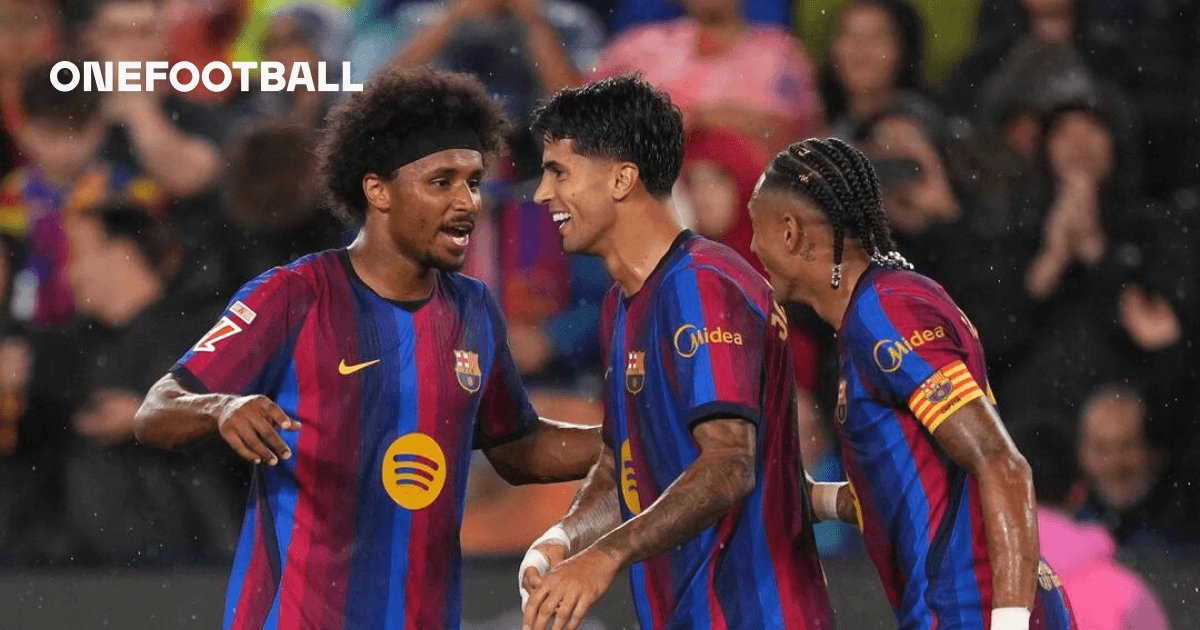
Raphinha’s Hat-Trick Powers Barcelona to 7-2 Victory Over Racing Santander
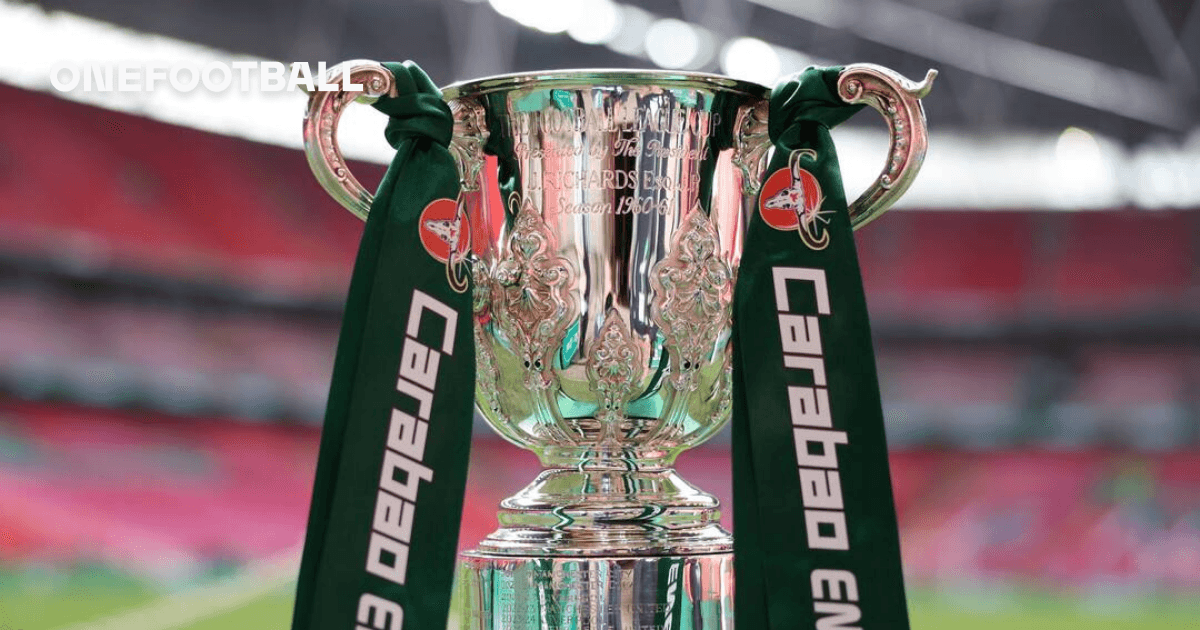
Carabao Cup Fourth Round Draw: Liverpool Set to Clash with Chelsea, Arsenal to Face Fleetwood Town
Key Football Matches to Watch in Azerbaijan This Autumn
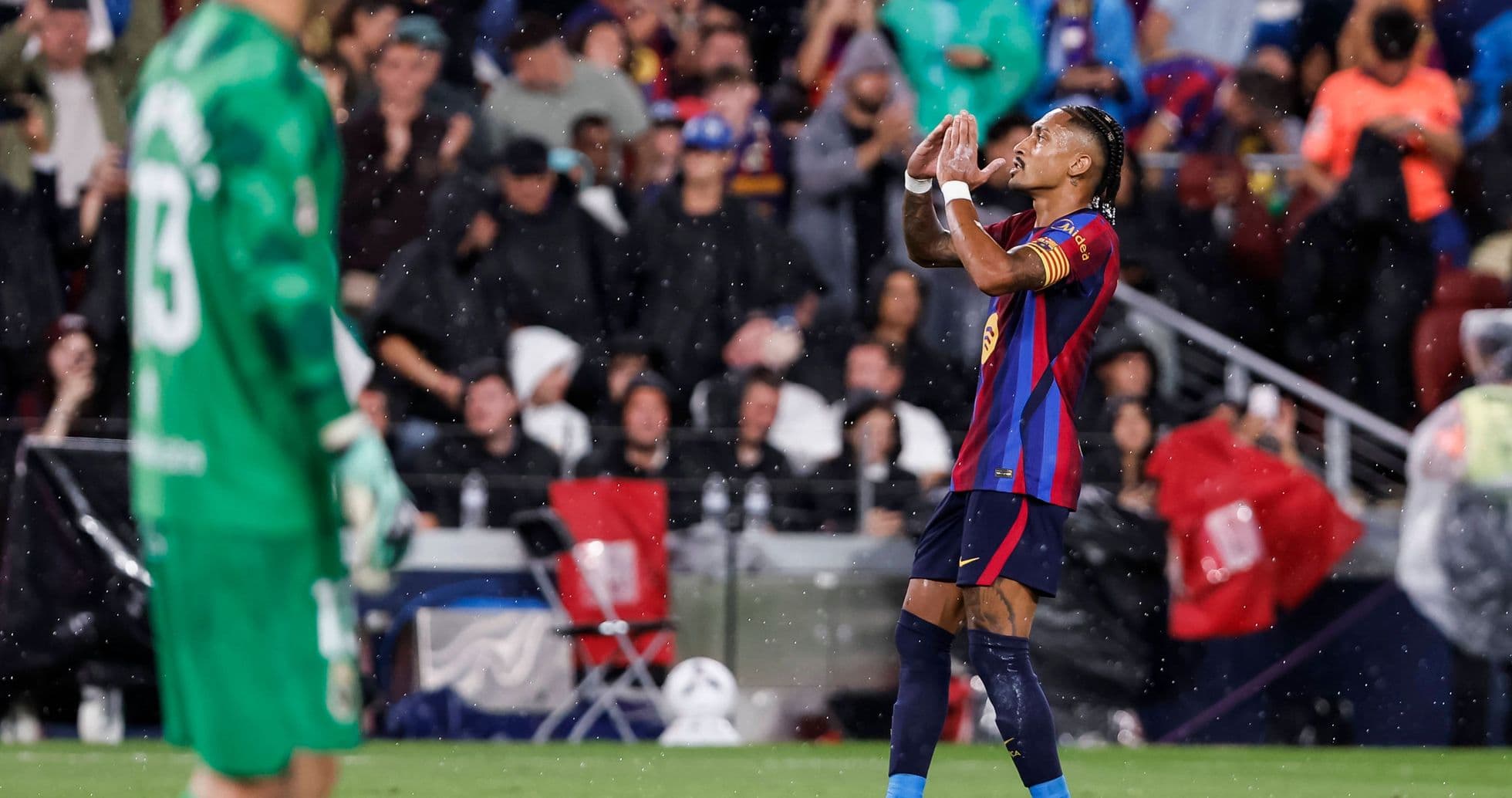
Raphinha's Hat-Trick Drives Barcelona to 7-2 Triumph Over Racing Santander
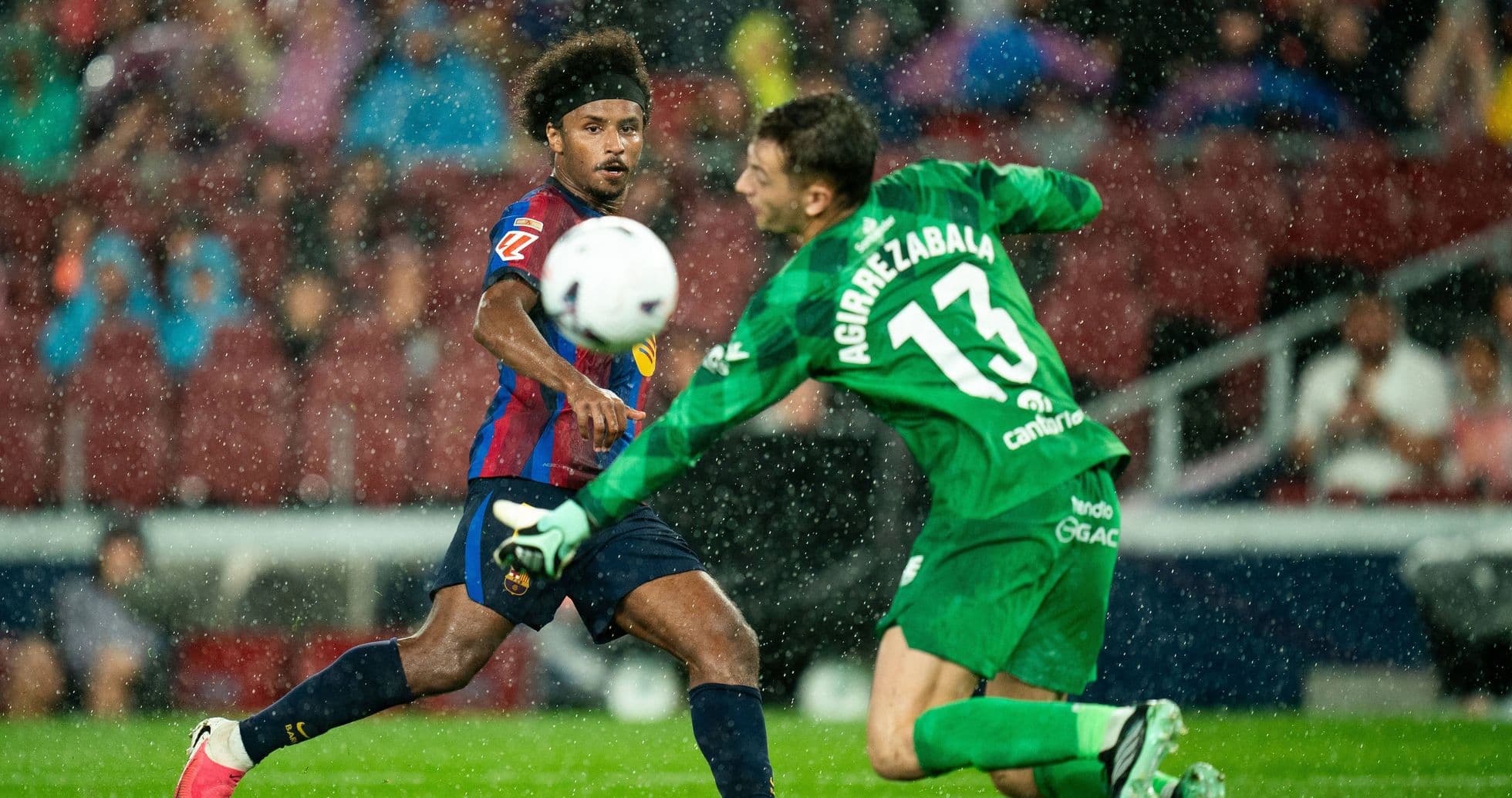
Hansi Flick Leads Barcelona to Record-Breaking Seven Wins in a Row
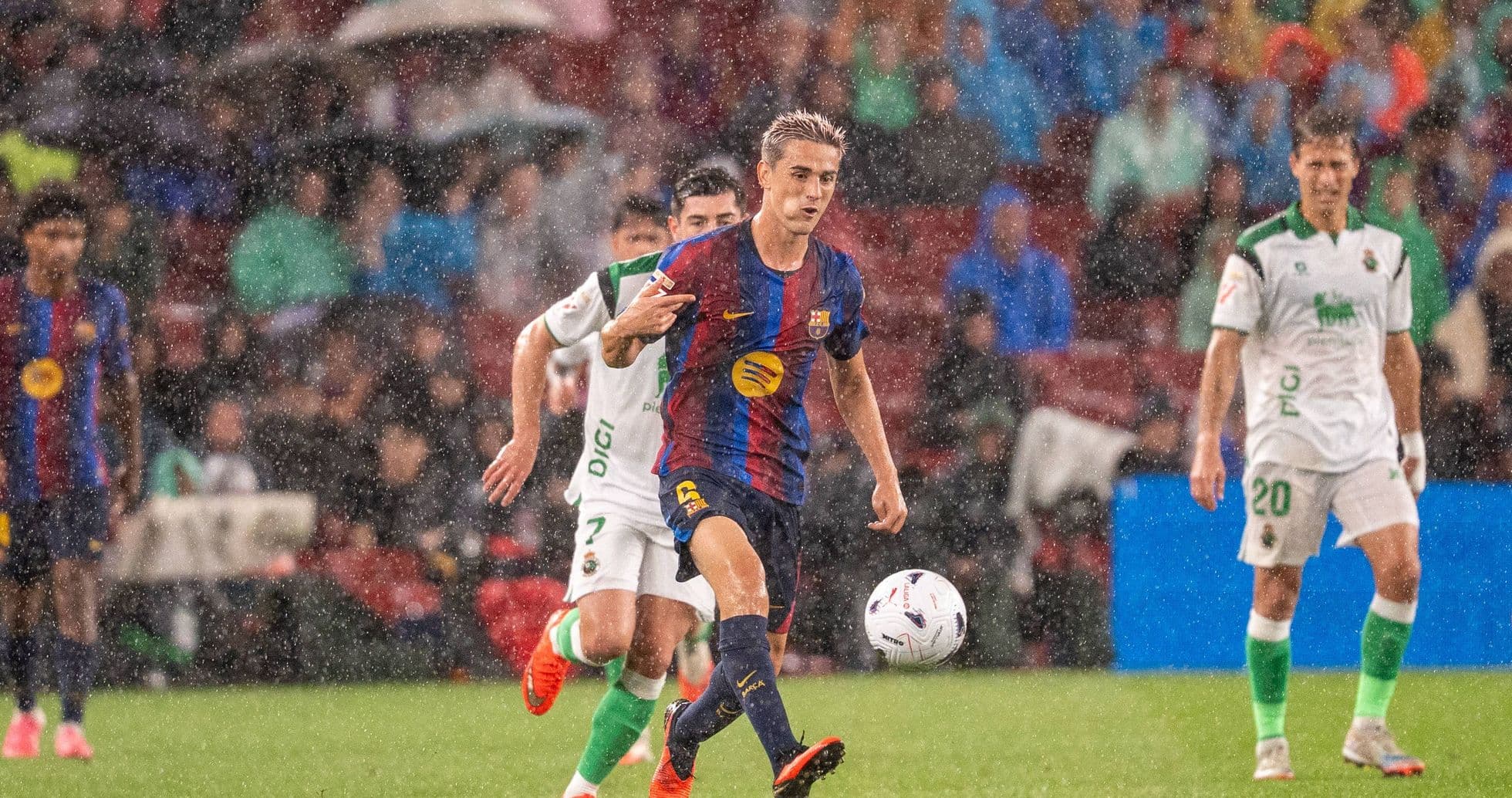
Gavi Reflects on Injury Return as Barcelona Dominate Racing Santander 7-2