
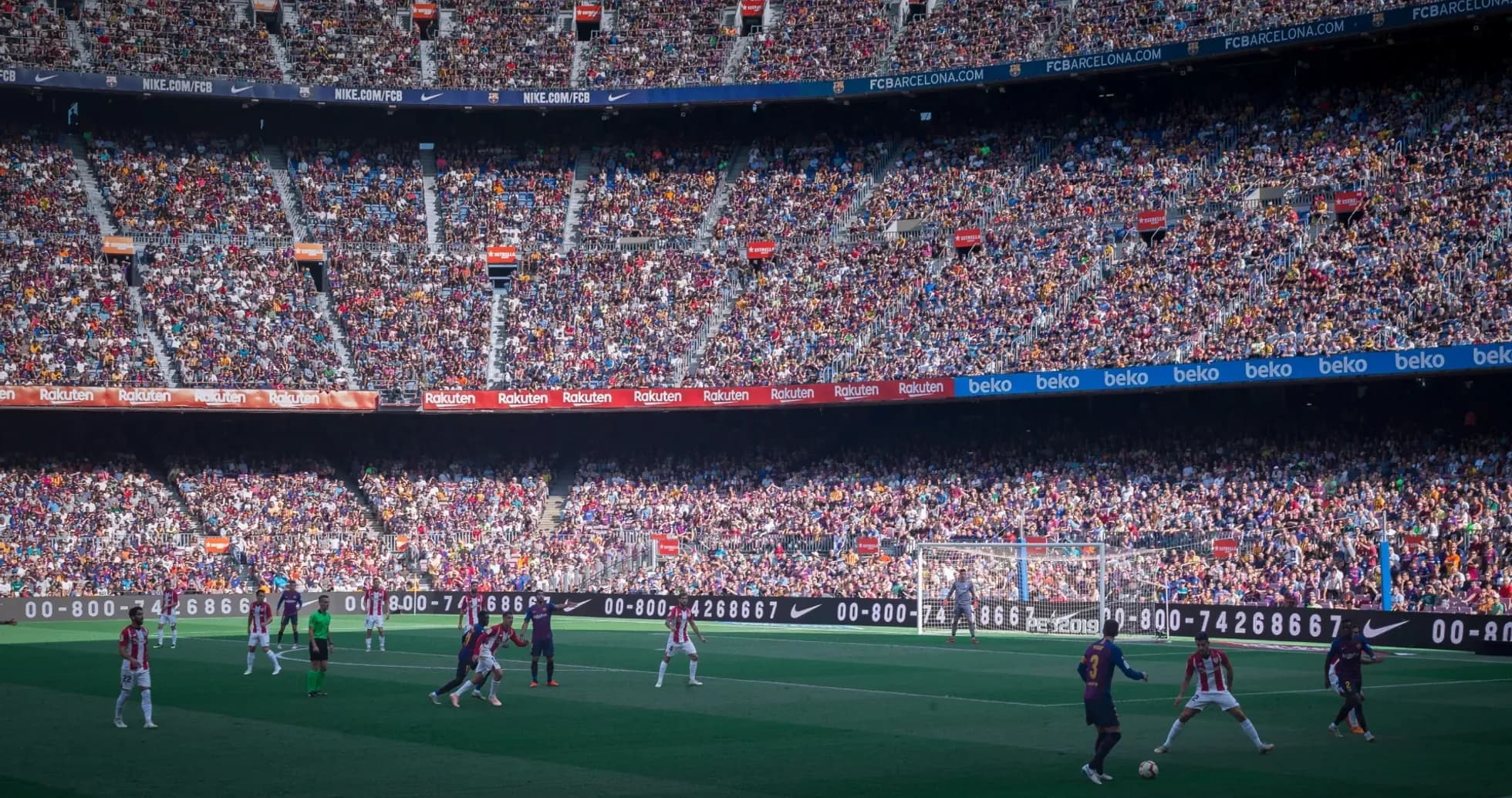
Lincoln Red Imps FC vs Omonia Nicosia: Tactical Clash in Europa League Draw
Lincoln Red Imps FC’s 1-1 draw with Omonia Nicosia at Europa Sports Park was shaped by a clash of game models: Lincoln’s compact, high-commitment 4-1-4-1 against Omonia’s more possession-heavy 4-3-3. Over 90 minutes, the tactical story was one of territory and intensity from the hosts against control and chance volume from the visitors, with both sides ultimately trading a set of defining moments rather than sustained dominance.
Lincoln’s 4-1-4-1, under Juan Bezares, was built to congest central areas and spring quickly into the channels. With 44% possession, their plan was never to circulate the ball for long spells, but to use the lone pivot Joe as the balance point behind a hard-running line of four. The front unit pressed selectively, prioritising Omonia’s first pass into midfield rather than the centre-backs, which helped generate a foul-heavy game (25 fouls for Lincoln) but also disrupted Omonia’s rhythm.
Out of possession, Lincoln’s back four stayed narrow. C. Rutjens and B. Lopes protected the central lane, with full-backs J. Eersteling and T. Cardozo tucking in to reduce the space between the lines that Omonia’s three-man midfield sought to exploit. This compactness forced Omonia to work around the block rather than through it, contributing to Omonia needing volume rather than clear-cut chances: 6 shots on goal from a larger shot profile, but only one breakthrough in regulation time.
With the ball, Lincoln’s threat came in bursts. They generated 2 shots on goal from relatively limited possession, leaning on quick transitions and set plays. The 7 corner kicks underline how often their attacks ended in the final third once they did break out, even if the overall shot count remained modest. The 1 blocked shot figure shows they rarely piled bodies into shooting positions; instead, they looked for quality deliveries and late runs rather than speculative efforts.
The key attacking pattern for Lincoln revolved around wide forwards and the advanced midfield line attacking second balls and set-piece situations. The breakthrough on 71 minutes fit this profile: C. Rutjens, stepping forward from the defensive line, converted after F. Alvarez provided the assist. That a centre-back was the scorer reflects how Lincoln were prepared to commit defenders into advanced zones on dead balls and structured attacks, trusting Joe to screen transitions behind them.
Henning Berg’s Omonia Nicosia, set up in a 4-3-3, leaned heavily into possession and territorial control. Their 56% share of the ball, coupled with 6 shots on goal and 5 blocked shots, speaks to a side that spent long periods in Lincoln’s half, forcing the hosts to defend their box. The blocked shot count is especially telling: Lincoln’s defenders consistently got bodies in front of efforts, indicating deep, last-line defending rather than an aggressive high press.
Omonia’s midfield triangle of P. Andreou, Ewandro and M. Maric was central to this. They circulated the ball to drag Lincoln’s 4-1-4-1 out of shape, then looked to feed the wide midfielders and forward. The high number of Lincoln fouls suggests Omonia were often receiving between the lines and being halted by tactical infringements, particularly as the game wore on and legs tired.
Substitutions from Berg were clearly aimed at refreshing the attacking lanes rather than altering the structure. On 63 minutes, M. Tankovic (IN) came on for M. Mayambela (OUT), and A. Neofytou (IN) replaced L. Diony (OUT), maintaining the 4-3-3 shape but adding new profiles in the wide and central attacking roles. Later, at 80 minutes, A. Chatzigiovanis (IN) came on for J. Montnor (OUT), another like-for-like switch to keep intensity and dribbling threat high in the wide channels. The continuity of the shape underlines Berg’s belief that the original plan was working; Omonia simply needed fresher legs to convert pressure into goals.
Their equaliser in the 90th minute encapsulated that persistence. P. Andreou, operating from midfield, finally found the decisive action to level at 1-1. That a midfielder, not a forward, delivered the goal is consistent with Omonia’s pattern of sustained midfield occupation of advanced zones and late arrivals at the edge of the box as Lincoln’s block retreated deeper.
Discipline further illustrates the tactical tone. Omonia, with 14 fouls and 2 yellow cards, managed their aggression relatively well for a side chasing the game. Lincoln, by contrast, collected 5 yellow cards, a reflection of the strain their defensive game plan placed on individual duels and late challenges as they protected the lead. The rising number of cautions for Lincoln in the final 25 minutes coincided with Omonia’s substitution-driven push and territorial dominance.
Set pieces were another key battleground. Lincoln’s 7 corners to Omonia’s 2 highlight how the home side maximised their fewer forays into the final third. Their goal from Rutjens, assisted by Alvarez, fits a game where Lincoln’s best route to scoring lay in rehearsed dead-ball routines and exploiting Omonia’s defensive organisation in static phases. Omonia’s lower corner count, despite more possession, suggests their attacks often ended in shots or blocked efforts before being forced out for corners.
Structurally, neither coach deviated from their starting system: Bezares kept faith with the 4-1-4-1 and used substitutions to refresh roles within it rather than change shape. A. Mula (IN) replaced N. Pinto (OUT) at 72 minutes, E. Jolley (IN) came on for T. Cardozo (OUT) at 77 minutes, and later L. Mason (IN) and E. Britto (IN) entered for Y. Flalhi Idrissi (OUT) and A. El Ghobashy (OUT) respectively at 85 minutes. These changes were about energy and game management: fresh legs in midfield and defence to sustain the block, and renewed running power to chase counters and relieve pressure.
Statistically, Omonia’s 56% possession, higher shot volume and 5 blocked efforts suggest they carried the greater sustained threat, but Lincoln’s ability to turn 44% possession into 2 shots on goal and 7 corners shows a side that was efficient whenever they advanced. The 1-1 scoreline aligns with the tactical balance: Omonia’s control versus Lincoln’s compactness and set-piece edge, each side imposing its own logic on different phases of the match without ever fully overwhelming the other.
Related News

Francesco Totti Reveals Offers from Top European Leagues at Age 48
Benfica Dominates AC Milan in UEFA Europa League Opener
Levski Sofia vs Red Bull Salzburg: Europa League Defeat Analysis
Five Europa League Players to Watch in the 2026/27 Season

Celje vs Red Bull Salzburg Predicted Lineups and Team News

Anderlecht vs Red Bull Salzburg Predicted Lineups and Team News