
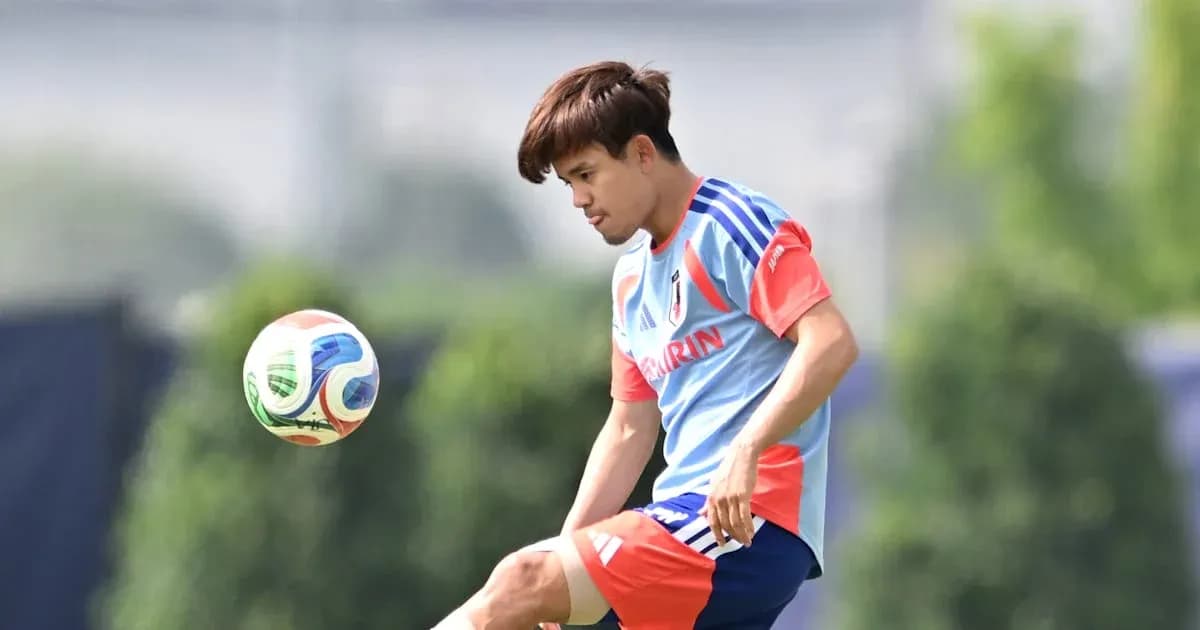
Kubo's Absence: Japan's Resilience Against Brazil
The left knee is wrapped tight, the movement restricted, the minutes almost non‑existent. And yet, on the eve of Japan’s World Cup round of 32 clash with Brazil, Kubo Takefusa offers just two words.
“I’m good.”
He has to say that. That’s what leaders do. But since he went down in Japan’s tournament-opening draw with the Netherlands, the reality has been far less reassuring: rehab sessions, solitary running, no meaningful football. The bandage on his knee tells its own story.
Japan coach Moriyasu Hajime removed any lingering doubt on Sunday. The Real Sociedad playmaker will not play against Brazil. A nation preparing to stay up until 1am now does so with a nagging thought in the back of its mind: what if?
“I’m hoping for a speedy recovery and he’s doing everything he can to pick up his conditioning,” Moriyasu said at the pre-match press conference. The tone was supportive, but the verdict was clear. No Kubo.
A star sidelined, a belief undented
There is no pretending here: Japan are a sharper, more inventive side with Kubo on the pitch. At 25, he carries the rare blend of flair and incision, a left foot that can unpick a defence in ways his team-mates simply cannot. In a squad already stripped of Mitoma Kaoru, captain Endo Wataru and Minamino Takumi through injury, he had stepped into the leadership void with growing authority.
His influence stretched beyond the chalk lines. Around the camp, Kubo’s presence had become a reference point, a standard. With so many senior figures missing, he was the one quietly taking ownership of the moment.
Now Japan must go into the biggest game of their tournament without him.
Yet this team has been built for exactly this kind of test. Moriyasu has leaned heavily on depth, not just on star power. All but three of his 26-man squad have already seen the pitch, and two of those unused are backup goalkeepers. When he turns to the bench, the drop-off is minimal. That is by design.
The “next man up” cliché gets thrown around in sport so often it loses meaning. In this Japanese side, it has teeth. Players step in, the structure holds, the level stays high. That resilience is the spine of their World Cup campaign.
Fear? Not here
If the opponent’s name once carried an aura, it no longer intimidates this generation. Asked to name the strongest teams at this World Cup, Wolfsburg striker Shiogai Kento picked out France and Argentina. Brazil did not make his list.
“You don’t really hear about Brazil lately,” he said.
It was a line that would have sounded outrageous in another era. For decades, Brazil were the gold standard in Japanese football imagination. When the J.League launched 33 years ago, the Selecao and Joga Bonito were the reference point, the dream. Japanese players grew up watching yellow shirts and samba football, measuring themselves against an almost mythical ideal.
Shiogai’s comments show how far that dynamic has shifted.
Even Neymar, a tormentor of Japan in the past with nine goals in five previous meetings, no longer seems to occupy the same space in their minds.
“That’s Neymar of the old. I think we’re OK right now,” Shiogai said.
It was not disrespect. It was something more dangerous for Brazil: unshaken belief.
Depth against pedigree
So what does Kubo’s absence really mean? On paper, it removes Japan’s most natural source of improvisation between the lines. The man who can turn a half-chance into a full one will be watching from the bench, knee taped, emotions no doubt fraying as the minutes tick by.
On the pitch, though, Japan will lean into what has brought them here: organisation, collective running, and a squad that has absorbed injuries without losing its edge. The responsibility spreads. The flair has to be shared.
Against Brazil, that may not be enough. Or it might be exactly what they need.
This is no longer the Japan that bows to the yellow shirts before the whistle. This is a team that has publicly stated it believes it can beat Brazil, a team that has gone beyond that and spoken openly about winning the World Cup. The words are bold. The conviction behind them feels genuine.
A nation will stay awake deep into the night to see if those declarations stand up under the harshest possible light. The old order says Brazil should roll on, that Japan without Kubo will eventually crack under the weight of history and quality.
But history is only useful until someone rips it up.
Will this be another chapter in Brazil’s long dominance over Japan, Neymar adding to his personal tally, the Selecao reminding everyone of their status? Or will this be the night when a short-handed Japan, stripped of its chief creator, proves that depth, defiance and a fearless mindset can redraw the lines?
We’re about to find out.
Related News

Raphinha’s Hat-Trick Powers Barcelona to 7-2 Victory Over Racing Santander
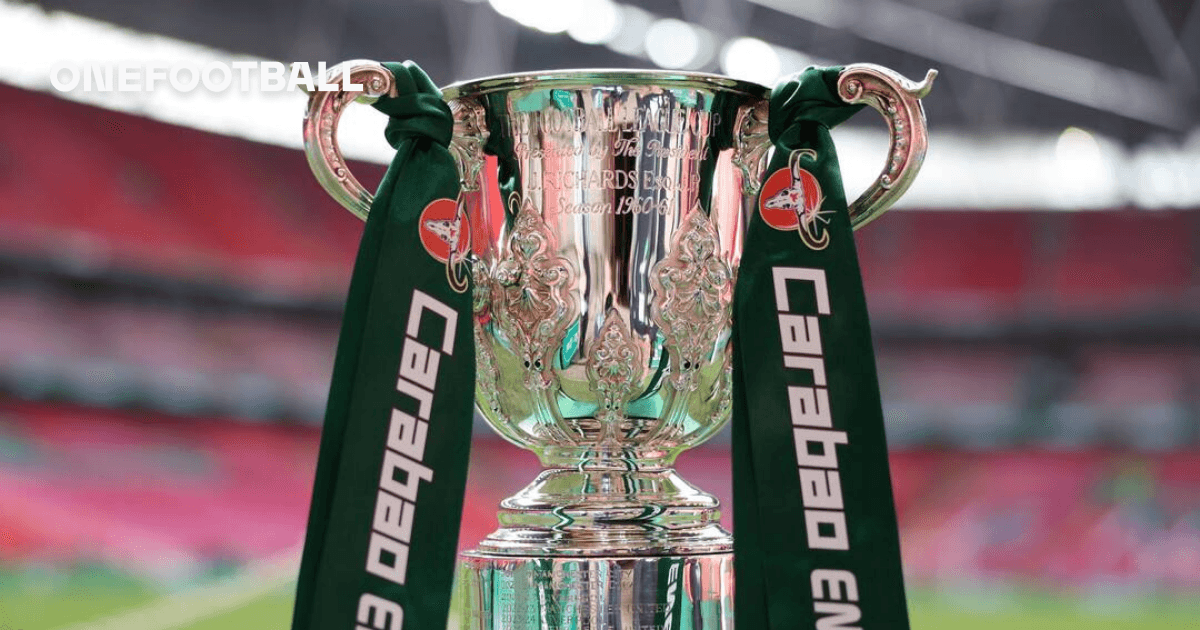
Carabao Cup Fourth Round Draw: Liverpool Set to Clash with Chelsea, Arsenal to Face Fleetwood Town
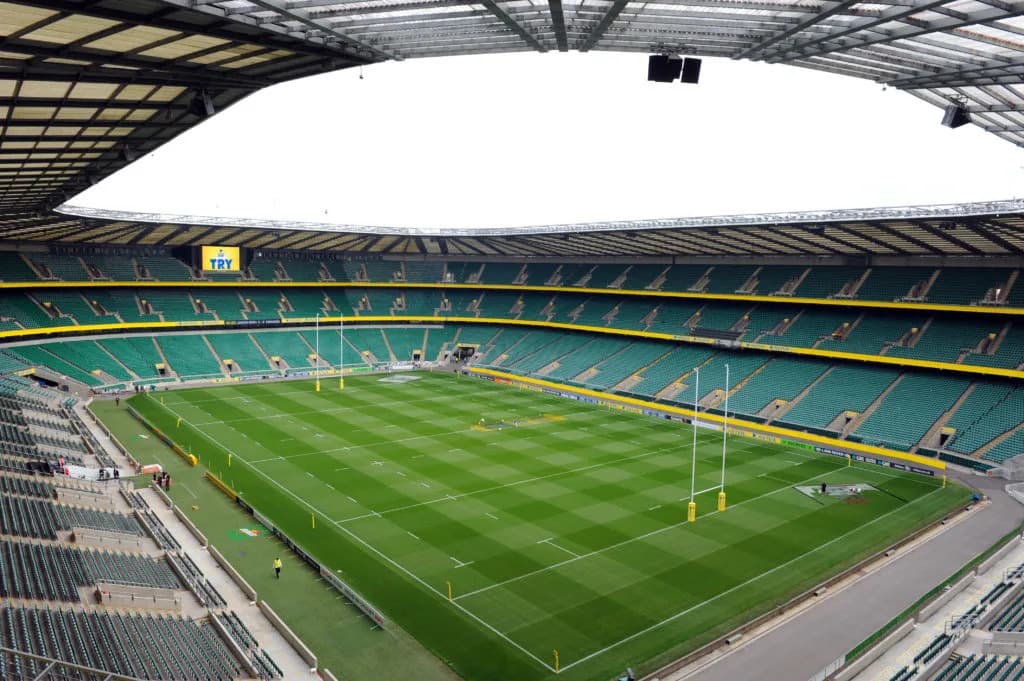
Key Football Matches to Watch in Azerbaijan This Autumn
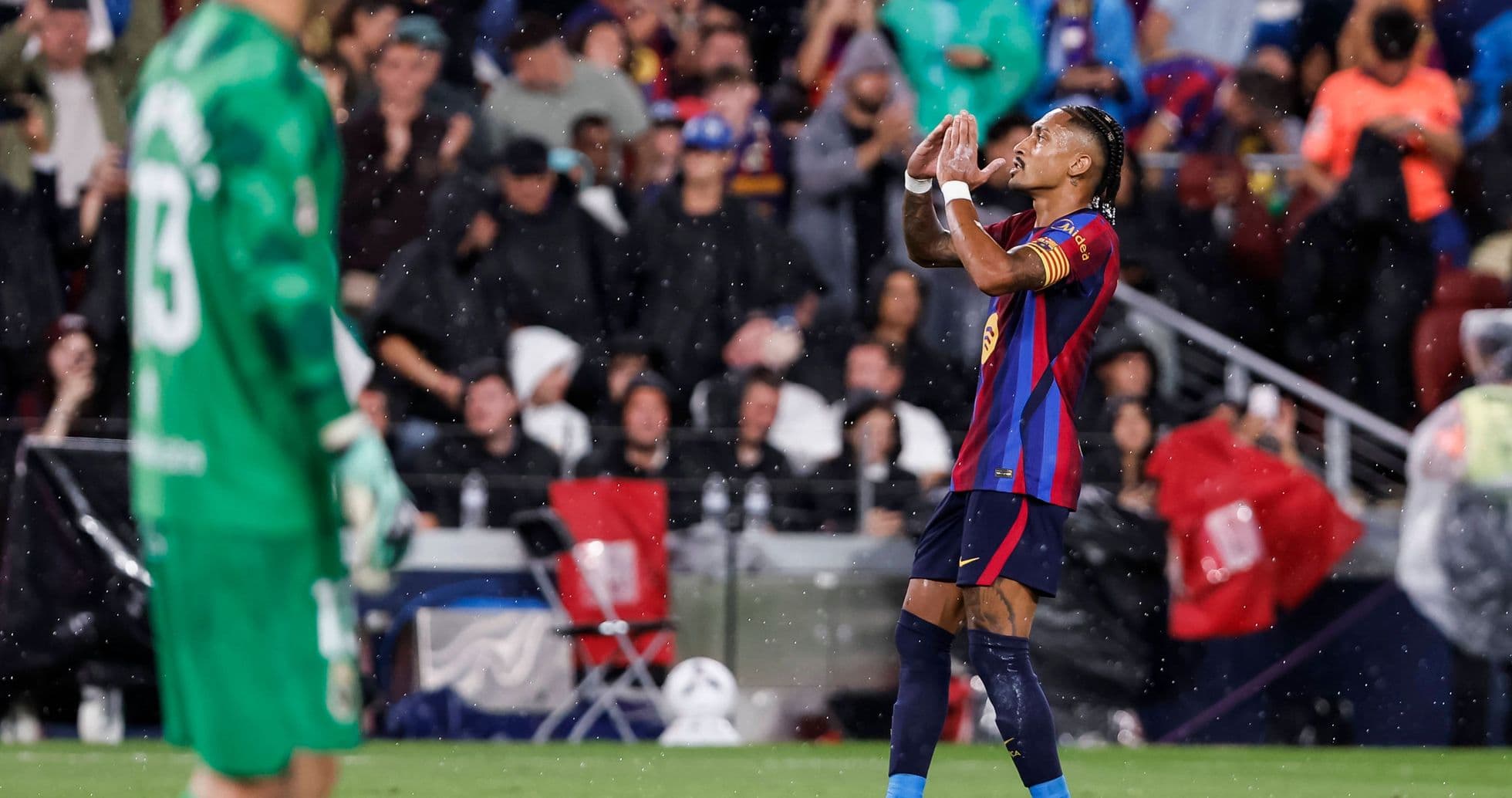
Raphinha's Hat-Trick Drives Barcelona to 7-2 Triumph Over Racing Santander
Hansi Flick Leads Barcelona to Record-Breaking Seven Wins in a Row
Gavi Reflects on Injury Return as Barcelona Dominate Racing Santander 7-2