
Klopp’s Controversial Comment on Nagelsmann Sparks Debate in Germany
Germany had just smashed seven past Curacao. The World Cup campaign had lifted off in ruthless style, the kind of opening statement that settles a nation. Yet the loudest noise did not come from the pitch.
It came from a single word in a TV studio.
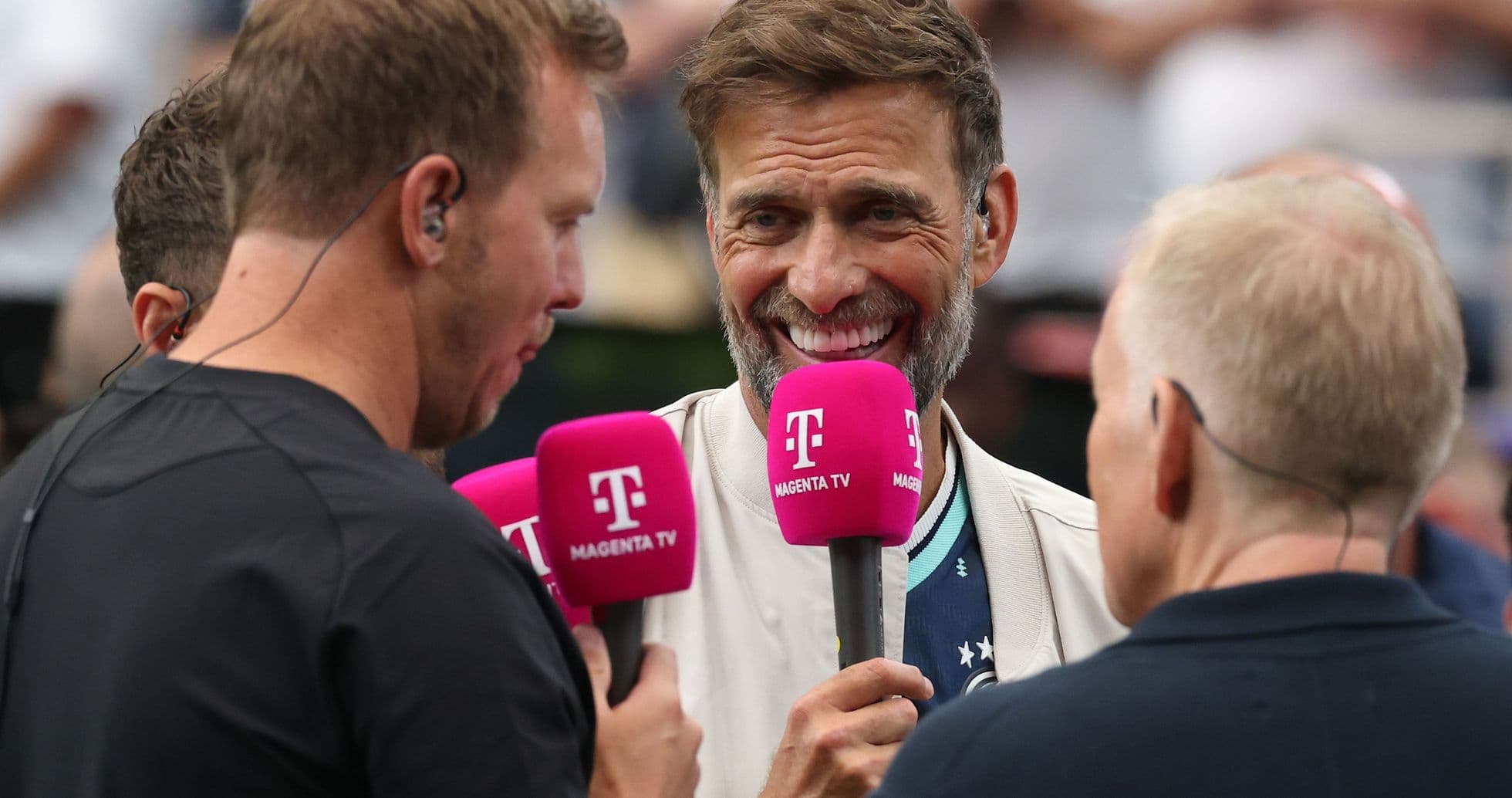
Working as a pundit for MagentaTV ahead of Germany’s opener, Jurgen Klopp sat alongside Thomas Muller, relaxed, joking, very much the charismatic figure many in Germany still dream of seeing on the national-team touchline one day. While discussing the starting XI, Klopp dropped a line that instantly changed the temperature.
“Luckily, Julian Nagelsmann is still picking the team.”
That “still” detonated.
In a country where Klopp’s name hovers constantly over any discussion about the Bundestrainer, the implication sounded obvious to many viewers: Nagelsmann’s grip on the job is fragile, the future already being measured out in months. Social media lit up. Pundits pounced. The word was dissected as if it were a tactical tweak.
Among the critics was Lothar Matthaus, never shy of a strong opinion, who called out the remark as disrespectful and unnecessary. Coming from a figure of Matthaus’s stature, it added weight and urgency. Klopp, so often the master of the moment, had misjudged this one.
He realised it quickly.
Once Germany had dismantled Curacao 7-1 and the players had disappeared down the tunnel, Klopp moved to fix what he had set off. Live on air, with Nagelsmann present, he chose to confront the issue head-on rather than let it fester in the background of a World Cup campaign.
“I’ve already found the most hated word of the year: ‘Still’,” Klopp said during the post-match coverage. “I could have punched myself in the face for that, but it was already too late and I was on TV. It just slipped out so casually and has absolutely no relevance.”
No hiding, no deflection. Classic Klopp: self-deprecating, blunt, and very aware of the weight his voice carries in German football.
About to turn 59, the former Borussia Dortmund and Liverpool manager laid the blame on a lapse in judgement, not malice. The remark, he knew, had landed as a dig at the current coaching staff, precisely at a time when Germany needed calm around Nagelsmann, not another round of speculation about his potential successor.
He wanted to make sure the story stopped with him.
During the live exchange with Nagelsmann, Klopp doubled down on that message, almost mocking himself to make the point clear.
“There’s one more thing I have to say… we still need to make time for this. We’re also informally part of the team, we’re absolutely on your side. What I’ve realized is: I’ll be 59 the day after tomorrow and I’m still an idiot. We are completely on your side, whatever you do. Nothing was intended to come of it to disrupt the process here.”
It was as close as you get to a public mea culpa between two of the most high-profile figures in German football, broadcast live to a country that knows every nuance of their relationship and their respective futures.
The original flashpoint had not just been the “still” comment. Muller’s presence beside Klopp added a layer of mischief that did not travel well once clipped and replayed. The pair had jokingly urged Nagelsmann to drop Jamal Musiala before the game, teasing the Bayern Munich starlet in the way only seasoned insiders can. Muller also ribbed Klopp for supposedly forgetting the calendar, joking about it being June, not September – the month some analysts have floated as a possible moment for Klopp to take charge of the national team.
Inside the studio, it felt like banter. Outside, it sounded like a power play.
For Matthaus and several other prominent voices, the tone crossed a line. With Klopp already widely viewed as the heir-in-waiting, anything that can be read as undermining Nagelsmann becomes dynamite. They labelled the exchange unprofessional, the sort of chatter that piles needless pressure on a coach already managing the weight of a home nation’s expectations and a squad bursting with talent and ego.
The irony, of course, is that on the pitch Nagelsmann’s team responded as if insulated from all of it. The 7-1 demolition of Curacao was ruthless, confident, and clinical. Germany looked like a side that has parked the trauma of recent tournaments and rediscovered its edge, even if the opposition were limited.
Now the real work begins.
Group-stage meetings with Ecuador and Ivory Coast will ask far sterner questions than Curacao could pose. The tournament in North America will tighten quickly, the margins shrinking with every round, and the tactical scrutiny on Nagelsmann will only intensify.
Germany’s next stop is Toronto on Saturday to face Ivory Coast, a physically imposing, battle-hardened side that will not crumble under pressure as Curacao did. It is the kind of fixture that reveals whether a 7-1 win was a statement of intent or simply a soft launch.
For Klopp, the night underlined something else. Even from the TV gantry, even “only” as a pundit, his shadow looms large over the national team. One careless word can shake the conversation. One on-air apology can steady it again.
Nagelsmann still picks the team. The question, as Germany chase a fifth world title, is how long that sentence remains just a fact and not a debate.
Related News
Raphinha’s Hat-Trick Powers Barcelona to 7-2 Victory Over Racing Santander
Carabao Cup Fourth Round Draw: Liverpool Set to Clash with Chelsea, Arsenal to Face Fleetwood Town
Key Football Matches to Watch in Azerbaijan This Autumn
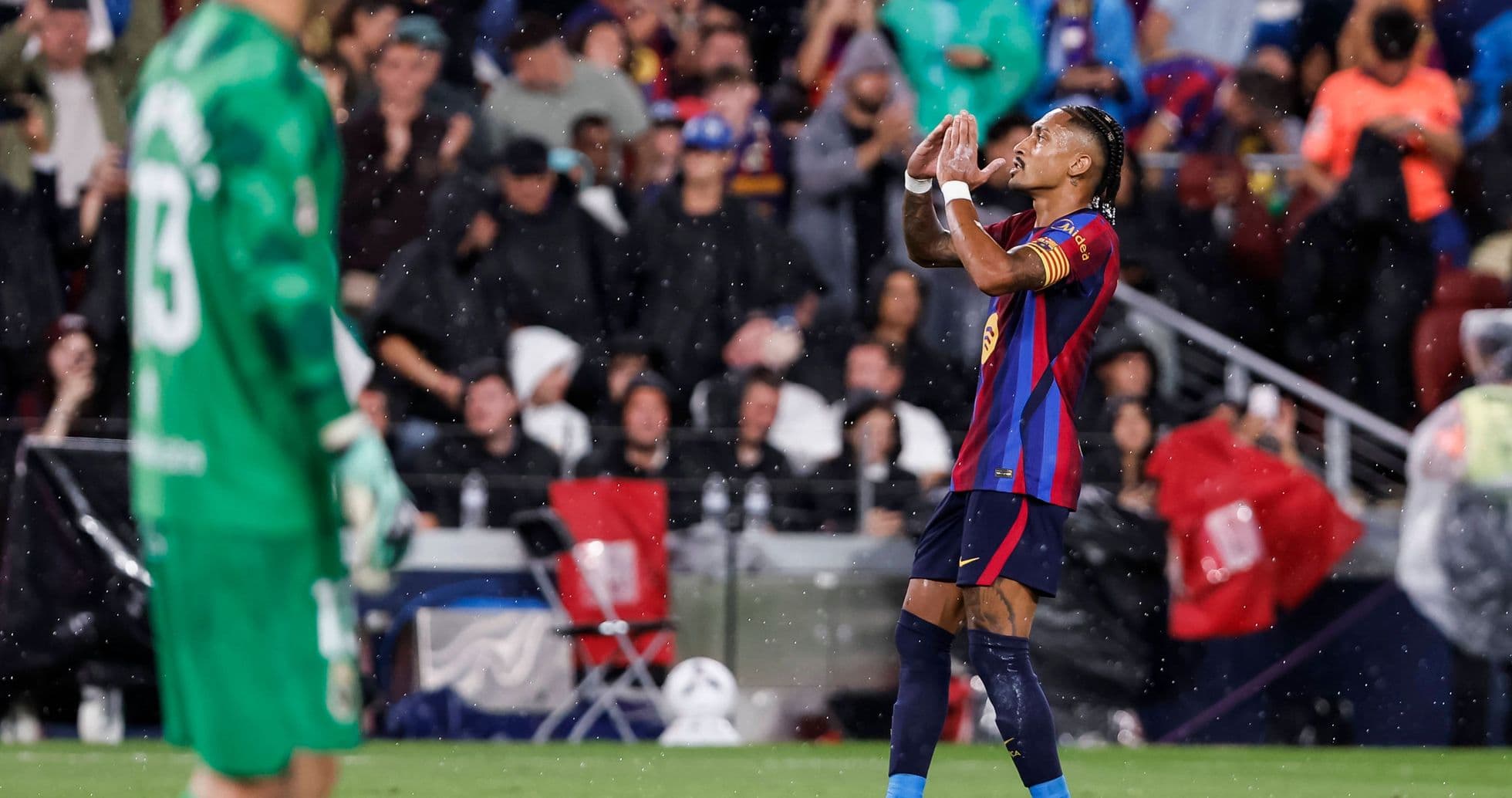
Raphinha's Hat-Trick Drives Barcelona to 7-2 Triumph Over Racing Santander
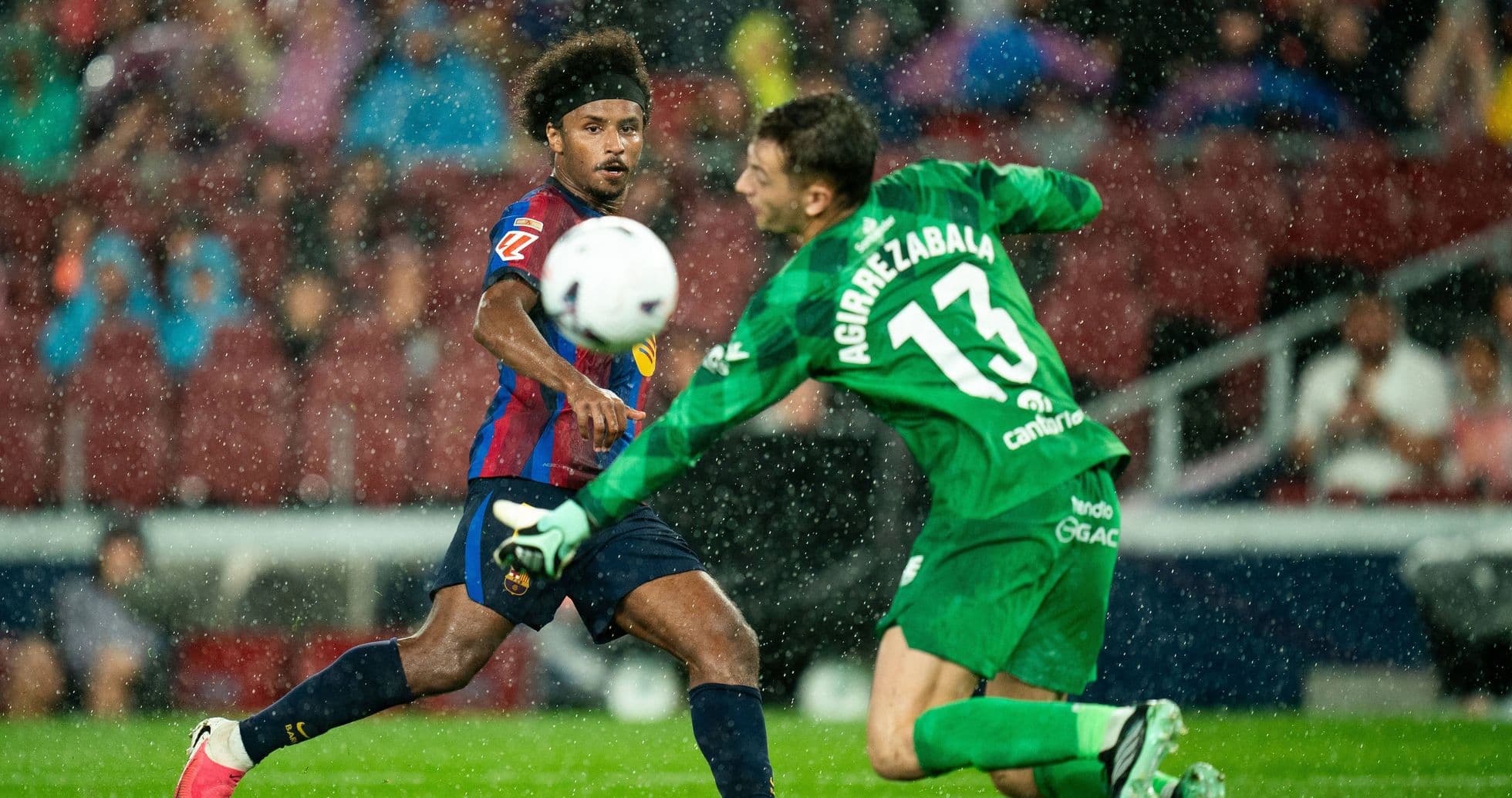
Hansi Flick Leads Barcelona to Record-Breaking Seven Wins in a Row
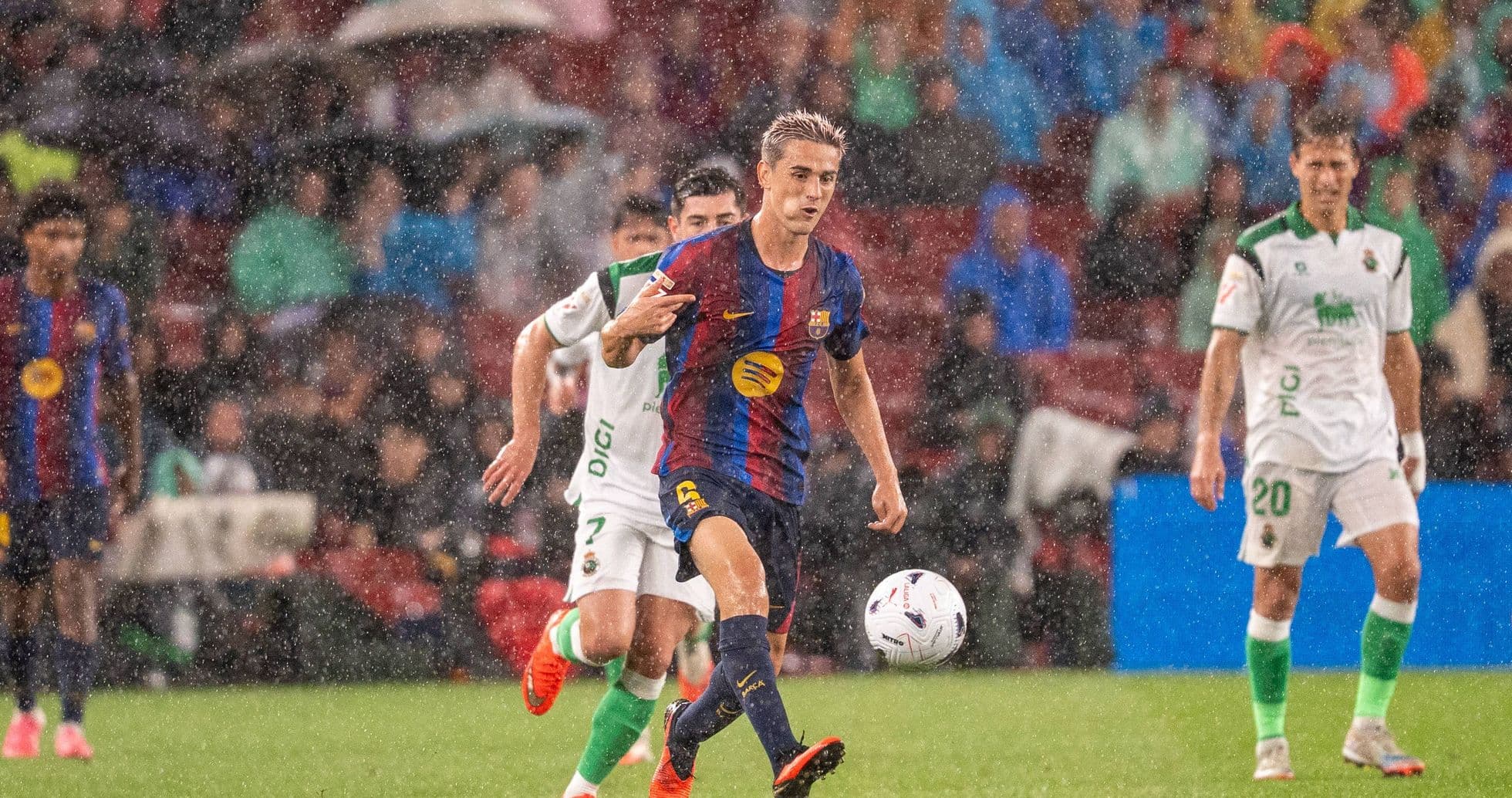
Gavi Reflects on Injury Return as Barcelona Dominate Racing Santander 7-2