
Kenya’s Harambee Starlets: A Rallying Cry After 4–0 Defeat
The scoreline was brutal. The message was not.
Kenya’s Harambee Starlets opened their 2026 Women’s Africa Cup of Nations (WAFCON) campaign with a 4–0 defeat to hosts Morocco in Rabat, a result that sent a wave of anger and disappointment surging through social media back home.
In Salé, just across the Bouregreg River from the capital, one of Kenyan football’s most respected voices urged the country to take a breath.
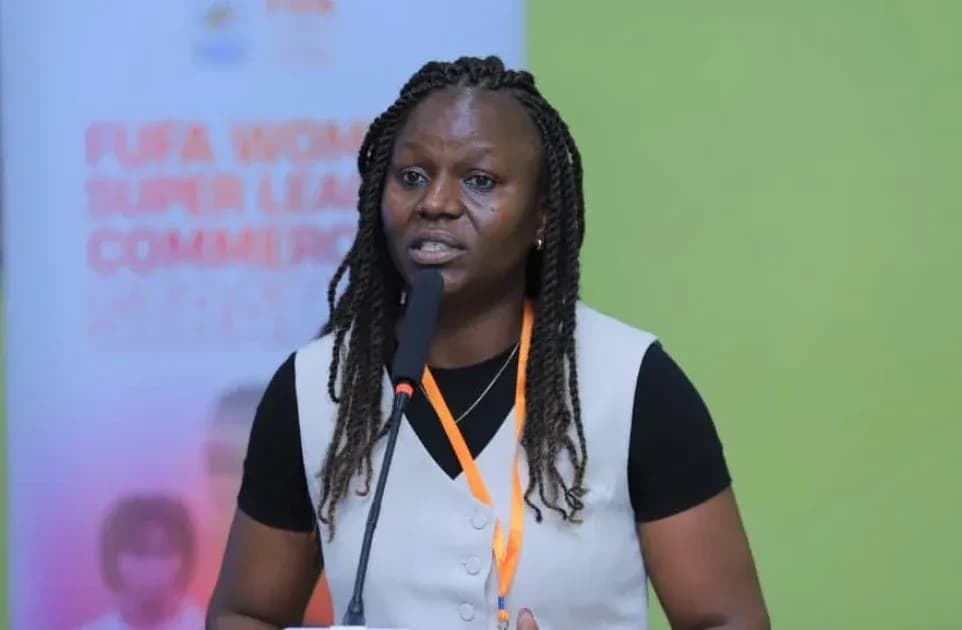
Doreen Nabwire, the former Starlets captain and now a FIFA Women’s Football Development expert, stepped forward to defend the team and reframe the conversation: this tournament, she insisted, is not lost after one bad night.
We Can Still Turn Things Around
Speaking to Kenyan journalists at her office in Salé, Nabwire cut through the noise and zeroed in on the task ahead – Senegal and Algeria in the remaining Group A fixtures.
“I strongly believe we have a good chance against Senegal and Algeria, and we can still turn things around,” she said, refusing to let the Morocco defeat define Kenya’s campaign. “Morocco are a quality side. They have been intentional in their preparations, and they are among the top-ranked teams on the continent.
“Their ambition goes beyond Africa. They are targeting the FIFA Women's World Cup and striving to establish themselves on the global stage.”
There was no sugar-coating of the opening result, but there was perspective. Kenya, she reminded everyone, did not stumble into WAFCON.
“Kenya did not qualify for this tournament by chance; the players earned their place through hard work. Although the opening result was disappointing, our focus now should be on the remaining two group matches. If we can collect maximum points, we still have a chance of progressing.”
The equation is simple: beat Senegal, beat Algeria, and the Starlets are right back in the quarter-final conversation.
A Game Growing Faster Than Its Foundations
Nabwire has lived almost every phase of the women’s game in Kenya. In 2009, she became the first Kenyan woman to play professional football in Europe when she joined Germany’s SV Werder Bremen. She later turned out for PEC Zwolle in the Netherlands. Her words carry the weight of experience.
From that vantage point, she sees a sport racing forward – and a system struggling to keep pace.
“We have reached a stage where women's football is growing at a remarkable pace, and we must dare to dream. We should aim to qualify for the World Cup,” she said.
Then came the reminder that dreams alone are not a strategy.
“However, success depends on much more than what happens on the pitch. Winning matches is only one part of the many other factors that contribute to success.”
Infrastructure. Coaching. Allowances. The unglamorous, often-ignored details that decide whether players step onto the pitch ready to compete or weighed down by off-field chaos.
“We must ensure that everything outside the pitch is taken care of before expecting players to deliver results. We continue to face challenges with infrastructure, coaching and issues surrounding players' allowances. These are important factors because they directly affect motivation and performance.”
The message was pointed but not pessimistic: if Kenya wants to sit at Africa’s top table, it must start behaving like a serious football nation away from match day as well.
Demanding a Proper Stage for the Starlets
For more than 15 years, Nabwire wore the national colours. She understands the gap between ambition and preparation, between what fans demand and what players are given.
“If we want to compete at the highest level, we must create the right environment for our players,” she said. “Everything has to be in place to enable them to step onto the pitch, compete effectively and represent the country with confidence.”
That “everything” is not a slogan. It is training pitches that don’t flood at the first sign of rain. It is qualified coaches at every level. It is allowances paid on time, not after public outcry. It is a federation that plans for World Cups, not just qualifiers.
Nabwire’s defence of the players was not blind loyalty. It was a challenge aimed higher up the chain.
Pushing Back Against the Backlash
The 4–0 loss to Morocco triggered predictable fury online. Accusations. Insults. Calls for sweeping changes after just one group match.
Nabwire pushed back.
“In football, there are three possible results; you win, draw or lose,” she said. “When we win, everyone celebrates, but when we lose, people should understand that it is part of the game. We must learn from our mistakes, identify what went wrong, work on those areas and come back stronger.”
Her words drew a line between accountability and abuse. Critique the tactics, she implied. Question the preparation. But remember that setbacks are baked into elite sport, especially when facing a host nation that has invested heavily and is already eyeing the global stage.
The real test is not how loudly a country celebrates a win, but how it reacts to a heavy defeat.
Senegal Next – and No Margin for Error
There is no time for sulking. The schedule is unforgiving.
Kenya face Senegal at the Olympic Stadium on July 30, with kick-off at 8:00 PM Kenyan time. On the same night, Morocco meet Algeria at Moulay El Hassan Stadium at 11:00 PM Kenyan time.
By the end of that evening, Group A could look very different – or painfully familiar.
For the Starlets, the task is clear: fix the tactical errors that Morocco exposed, rediscover their bite, and turn Nabwire’s belief into points. The quarter-finals are still on the table, but only if Kenya plays like a team that belongs at this level, not one intimidated by it.
The former captain has thrown down a challenge to the country: back the team, demand better structures, and judge this campaign over three games, not one.
Now the question hangs over Rabat, Nairobi and everywhere in between: will Kenya’s response to that 4–0 defeat define their tournament, or will what happens next do it instead?
Related News
Ilia Topuria Accuses Justin Gaethje After UFC Defeat

Tyson Fury vs Anthony Joshua Fight Date and Venue Confirmed
Switzerland Calls Up In-Form Sion Striker Winsley Boteli for Nations League
Bournemouth Secures Historic 2-1 Win Over Real Sociedad in Spain
Portugal Announces Squad for 2026 UEFA Nations League; Cristiano Ronaldo Expected to Play

Raphinha Channels Ronaldo Nazario as Barcelona's Leading Striker After Position Change