
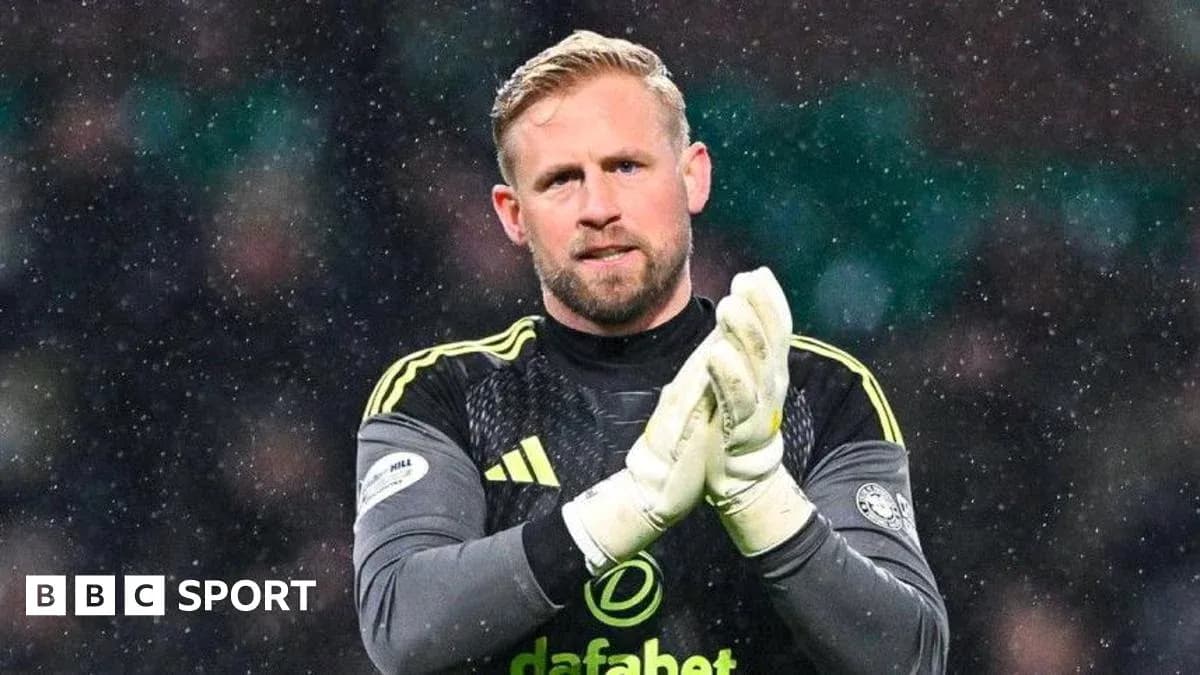
Kasper Schmeichel Retires: A Goalkeeper's Legacy
Kasper Schmeichel, one of the defining goalkeepers of his generation and the last line of Leicester City’s miracle champions, has been forced to retire at 39 after losing his battle with a serious shoulder injury.
The Celtic and Denmark goalkeeper has not played since February and, after months of consultations with surgeons and specialists, has accepted that his body will not allow him to return to elite level.
“I believe that now is the right time,” he told TV2, a sentence that carried the weight of a career he never wanted to end this way.
Injury that wouldn’t heal
The damage traces back to a brutal international window and a Nations League quarter-final defeat to Portugal in March 2025. Denmark had used all their substitutes. Schmeichel stayed on, playing through the pain, as he has done so often across nearly two decades.
He did not realise how serious it was. Not then.
“I didn't realise how bad it was back in March. It's been a long process,” he admitted. The alarm truly rang 11 months later. In February, landing heavily on the same shoulder in Celtic’s Europa League defeat to Stuttgart, he felt it go again. This time there was no disguising it.
“When I landed on it in February, I could tell straight away that something was seriously wrong.”
The hope, initially, was that time and rehabilitation would fix it. Schmeichel was prepared to grind through up to a year of rehab, desperate to squeeze out one last chapter. Instead, the experts closed the book.
“I have consulted with various surgeons and experts regarding my shoulder, and they have told me that I should not expect to return to playing top-flight football.”
He described the call to retire as “a decision that has been made for me”.
From Manchester City prospect to Leicester legend
Schmeichel’s career began at Manchester City, under the long shadow of his father, Peter, one of Manchester United’s greatest. The surname could have crushed him. He chose to build his own story instead.
The defining stretch came at Leicester City. Ten seasons. A club transformed, a city changed, a dressing room that went from relegation fears to the most improbable title in Premier League history.
In 2015-16 he stood behind a back four that refused to blink. Week after week, he delivered saves that turned a fairy tale into a fact. The Premier League trophy followed, then the FA Cup in 2021, another landmark in Leicester’s modern history with Schmeichel again as captain, organiser, and voice.
Spells at Nice and Anderlecht followed his decade in the Midlands, before a move to Scotland and Celtic, where he added yet more silverware to an already heavy collection.
Celtic chapter and final act
In Glasgow, he did not arrive as a prospect or a project. He arrived as a standard. Celtic leaned on his experience, his presence, his calm in tight games. This season he played 39 times, anchoring a side that went on to lift another Premiership title, earning him a second winners’ medal in just two years at the club.
He was out of contract in the summer, but the plan, at least in his mind, was always to fight back, to earn another deal somewhere, to walk away on his own terms. The shoulder refused to cooperate.
“I think everyone dreams of saying goodbye on the field, but you don't always get what you want,” he said. There was no bitterness in it, only realism from a man who has seen enough of football to know how unforgiving it can be.
A pillar for Denmark
On the international stage, Schmeichel’s numbers are as imposing as his frame: 120 caps for Denmark, World Cup appearances in 2018 and 2022, and a run to the semi-finals of Euro 2020 that gripped a nation.
He became Denmark’s constant, the one position no coach had to worry about. Tournament after tournament, qualification cycle after qualification cycle, he stood in goal, a reassuring figure in red, carrying the responsibility that comes with both the shirt and the surname.
The penalty saves, the big nights, the defiance against stronger, richer nations – they all fed into a legacy that belongs entirely to him.
No debts, only memories
Schmeichel’s words on retirement cut through the usual clichés that surround a farewell.
“I've had so much else along the way, so football doesn't owe me anything. I've had so many opportunities, so many experiences.”
For a player who has lifted the Premier League, the FA Cup, league titles in Scotland, and played in multiple major tournaments, it is a striking way to look back. No sense of entitlement. No sense that the game should have bent to his wishes.
“What stands out most are the friendships and connections I've made. The moments I've shared with them - for better or worse.”
He leaves with medals, yes, but also with something harder to quantify: the respect of dressing rooms from Manchester to Glasgow, and of a country that watched him guard its goal for more than a decade.
He wanted one last goodbye on the pitch. Instead, his final act comes in a consultation room, shoulder scans on the table, surgeons telling him the truth no athlete wants to hear.
The career ends there. The influence, and the shadow he now casts for the next generation of Danish goalkeepers, does not.
Related News
Raphinha’s Hat-Trick Powers Barcelona to 7-2 Victory Over Racing Santander
Carabao Cup Fourth Round Draw: Liverpool Set to Clash with Chelsea, Arsenal to Face Fleetwood Town
Key Football Matches to Watch in Azerbaijan This Autumn
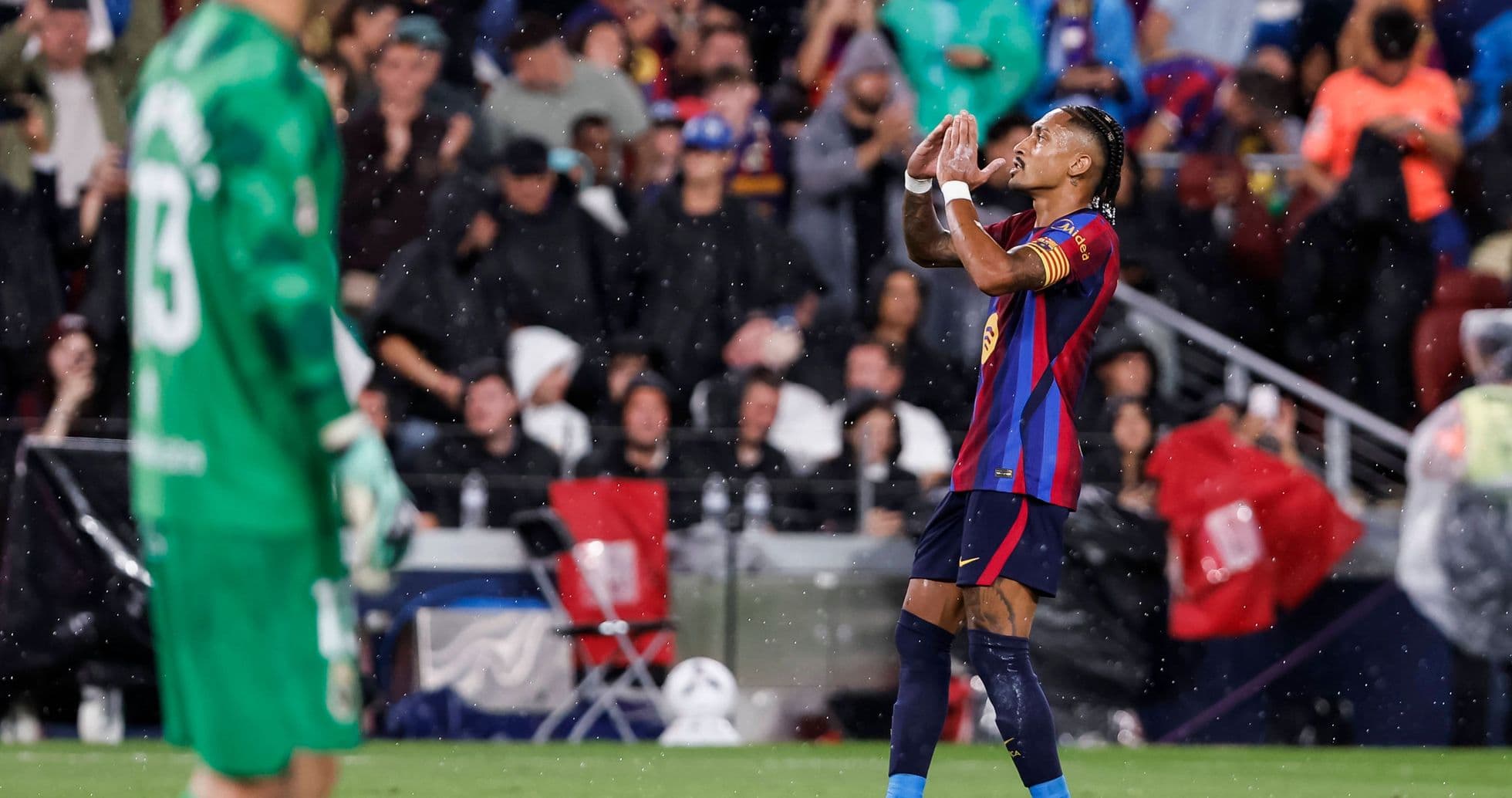
Raphinha's Hat-Trick Drives Barcelona to 7-2 Triumph Over Racing Santander
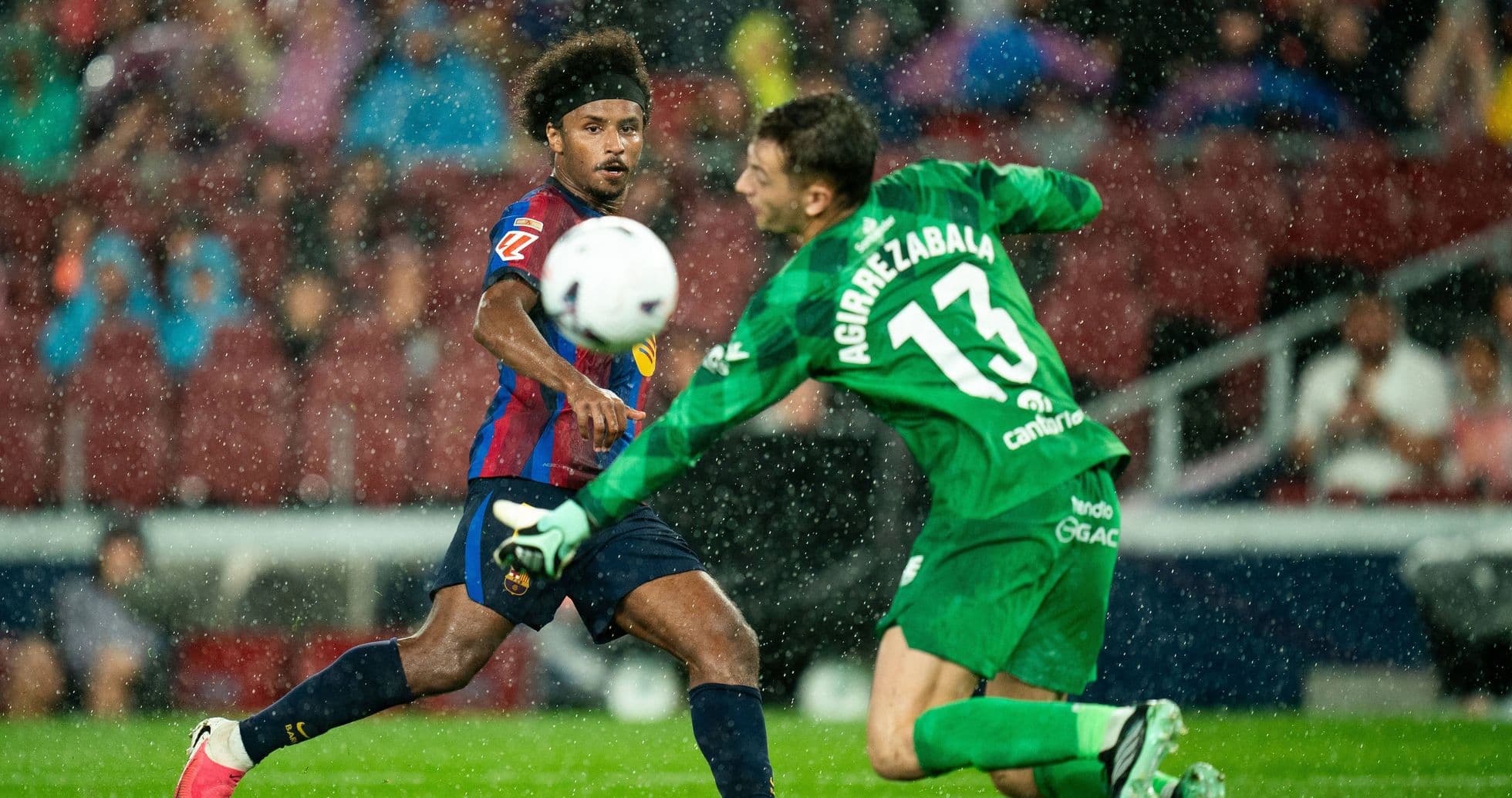
Hansi Flick Leads Barcelona to Record-Breaking Seven Wins in a Row
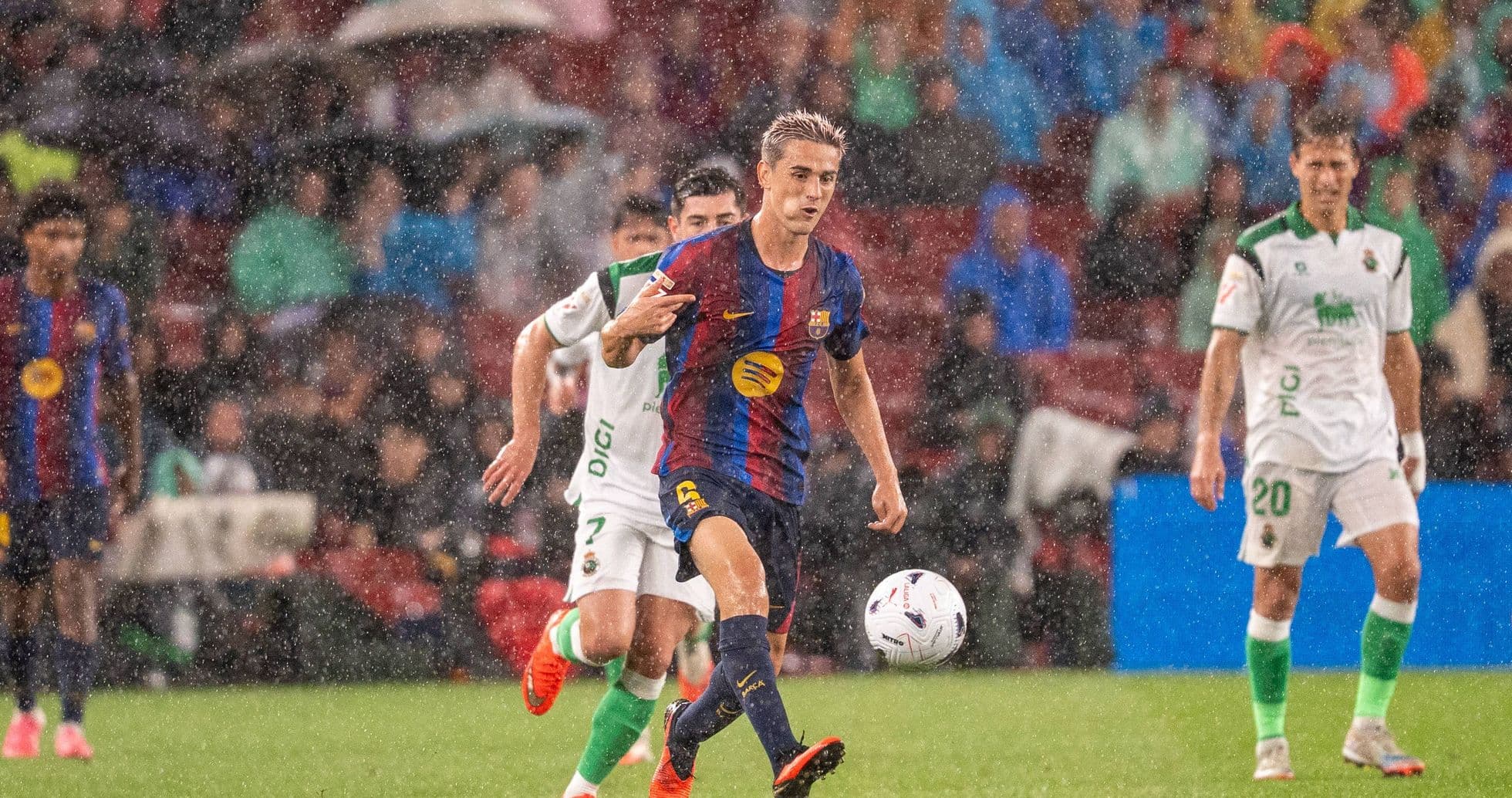
Gavi Reflects on Injury Return as Barcelona Dominate Racing Santander 7-2