
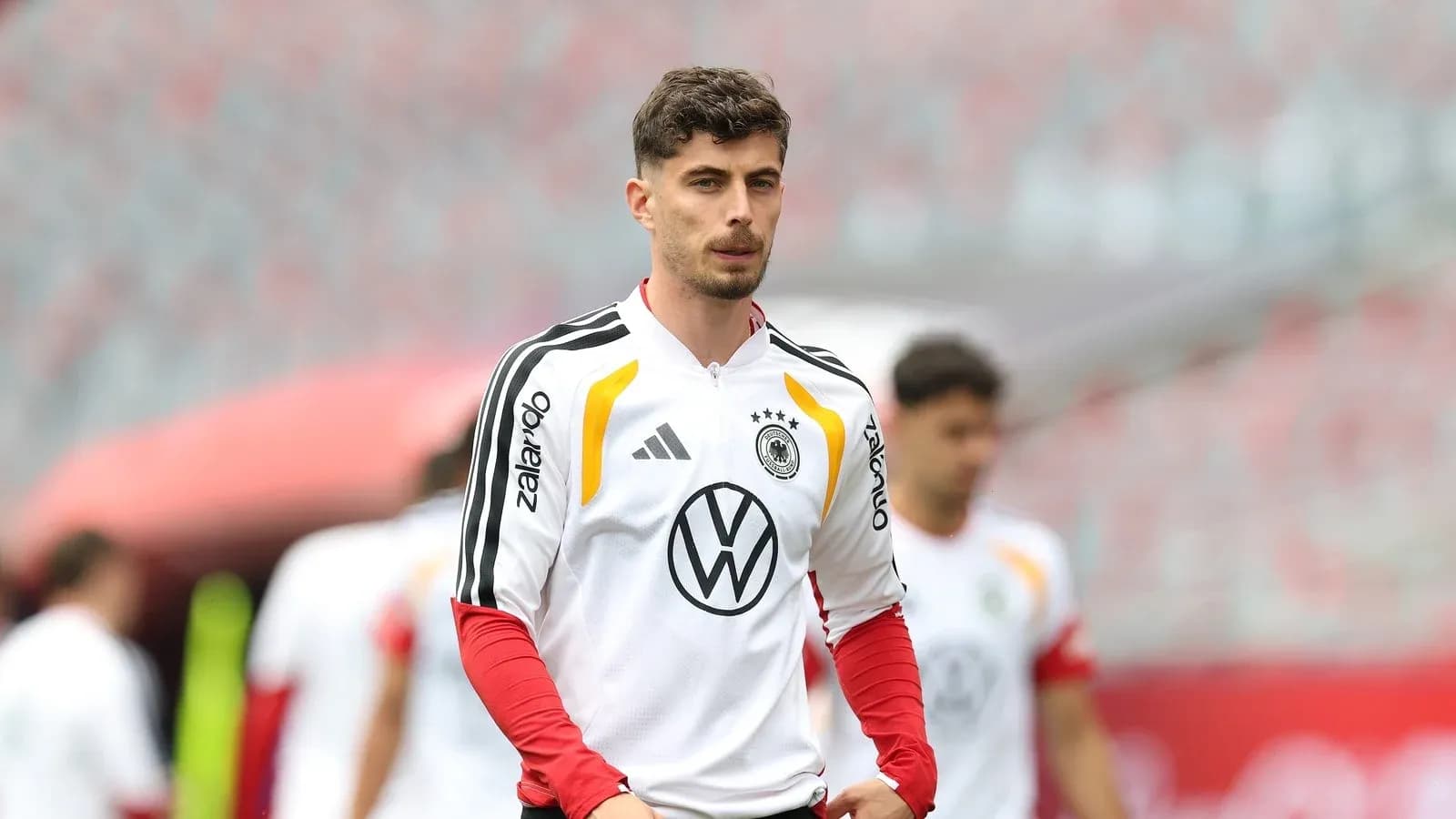
Kai Havertz: Leading Germany in World Cup Knockout Match
Kai Havertz leans into the pressure. He always has.
On a humid knockout night in Boston, with Germany trying to drag themselves back among the World Cup elite, the 25-year-old steps into a role he has long seemed destined for: leading the line, and the charge, for a nation still haunted by a decade of underachievement.
This is not just another game. For Germany, Paraguay in the first knockout round is a doorway. Win, and they reach the last 16 for the first time since 2014, the year they conquered the world. Lose, and the questions about a fallen giant grow louder still.
For Havertz, it’s something more personal.
“This will be my first knockout match in a World Cup,” he told the media on the eve of the tie. He didn’t try to play it down. “I like these big occasions and I feel comfortable in this context.”
He sounded like a man who has been waiting for this stage, not fearing it.
A leader under scrutiny
Germany arrive in the last 32 with their flaws exposed. A 2-1 defeat to Ecuador in their final group game reopened familiar wounds: slow tempo, blunt edge, an attack that ran into a low block and ran out of ideas.
They were criticised for it, and rightly so. A team of this talent should not look so short of invention.
Havertz didn’t hide from that reality. He leaned straight into it.
“We talk a lot about what can work better and what we need to improve,” he said. “The three of us (himself, Florian Wirtz and Jamal Musiala) know ourselves that we haven't fully shown what we're capable of up front yet. We have to take responsibility for that.”
That front three is supposed to be Germany’s cutting edge, the trio that turns possession into fear. They showed exactly that in the opening game when they dismantled Curacao 7-1, Havertz scoring twice in a ruthless display that hinted at something ominous for the rest of the tournament.
Since then, the rhythm has stuttered. The movement has been there in flashes, the understanding only in moments. Havertz knows why.
“It takes a bit of time because everyone comes from their clubs to the national team and you have to get used to your teammates,” he explained. When the World Cup lights come on, patience is a luxury no one grants you. “When you are in a major tournament, people talk (but) I don't care what people say, we are focused on ourselves.”
That last line mattered. It sounded less like defiance and more like a quiet reset. Noise outside, clarity inside.
Paraguay’s rise and Germany’s puzzle
Germany’s reward for winning their group is anything but straightforward. Paraguay arrive in Boston hardened by their route through the group stage and transformed from the side that opened their campaign with a 4-1 defeat to hosts USA.
Since that bruising night, they have shut the door. A tight 1-0 win over Turkey, followed by a goalless draw with Australia, secured progression as one of the eight best third-placed teams and, more importantly, restored belief and structure.
Two clean sheets, a growing sense of identity, and a defensive block that will not be easily shifted. For a German attack already under the microscope, it is a demanding examination.
Germany will have to break down a team that thrives on aggression, contact, and frustration. Paraguay will not mind long spells without the ball. They will relish duels, second balls, and the chance to turn the game into a scrap.
Havertz sees all of that clearly.
“They have quality; aggression and intensity are what define them,” he said. “We need a good performance, and we'll be better tomorrow.”
No excuses. No talk of traps or banana skins. Just a simple equation: be better, or go home.
A stage made for him
Havertz has long carried the tag of a “big-game player” – the man who scores in Champions League finals, the player managers trust when the stakes spike. This World Cup knockout tie offers him the international version of that stage.
“I like big matches, matches on the biggest stage,” he said. “We are fully convinced we can win.”
That conviction will need to seep through the entire German side. The memory of 2014 still hangs over every tournament they enter, a reminder of what the shirt used to guarantee: presence, authority, inevitability.
Now, nothing is guaranteed. Not progression. Not performances. Not fear in the opposition’s eyes.
What Germany do have is a core of attacking talent entering their prime and a forward who embraces the weight of the moment instead of shrinking from it.
Tonight in Boston, against a Paraguay side that has grown tougher with every minute of this World Cup, Kai Havertz walks into his first knockout match on this stage with the ball at his feet and history at his back.
If Germany are serious about chasing a fifth world title, this is where that belief has to stop being a slogan and start looking like a performance.
Related News
Raphinha’s Hat-Trick Powers Barcelona to 7-2 Victory Over Racing Santander
Carabao Cup Fourth Round Draw: Liverpool Set to Clash with Chelsea, Arsenal to Face Fleetwood Town
Key Football Matches to Watch in Azerbaijan This Autumn
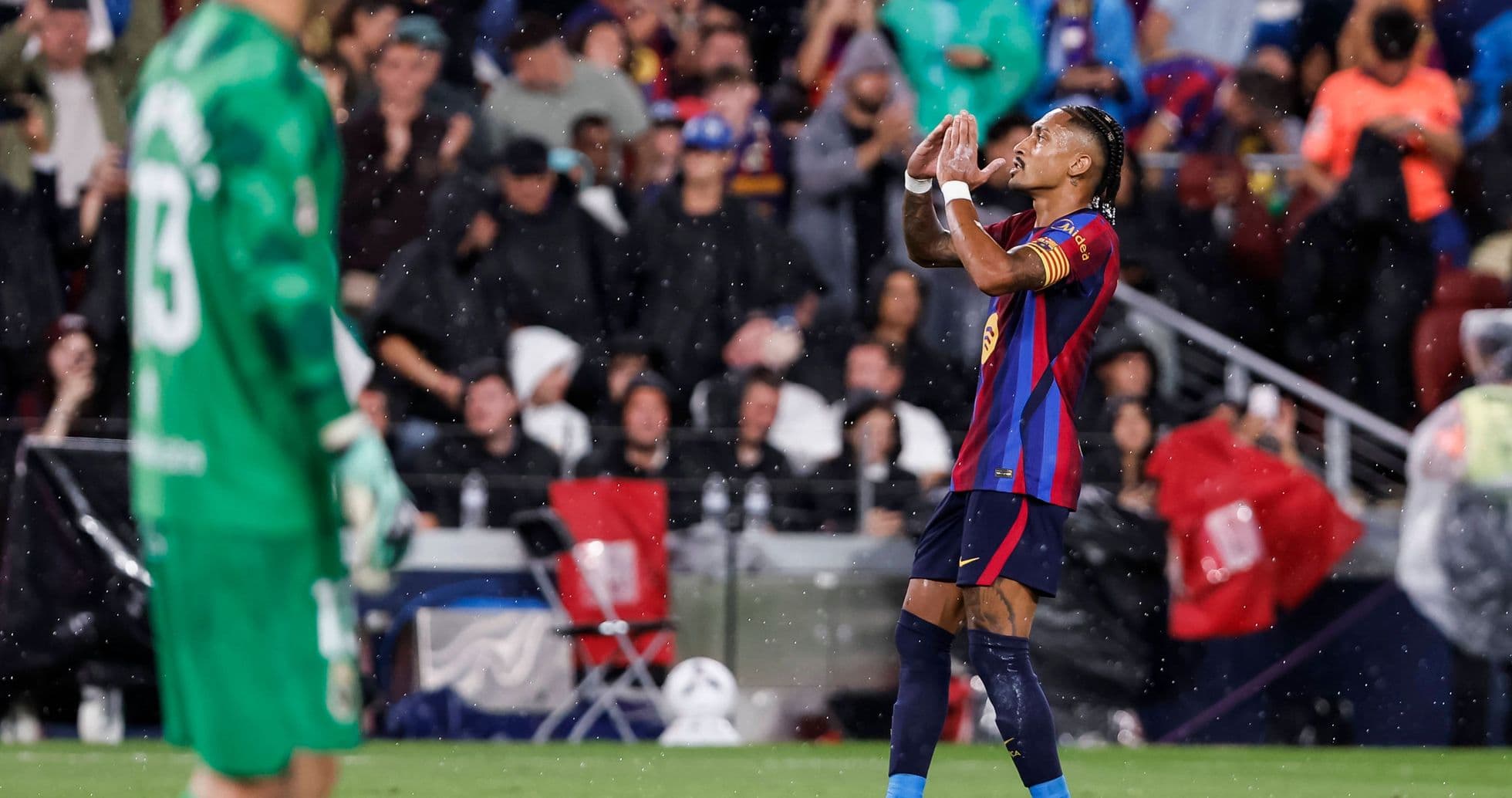
Raphinha's Hat-Trick Drives Barcelona to 7-2 Triumph Over Racing Santander
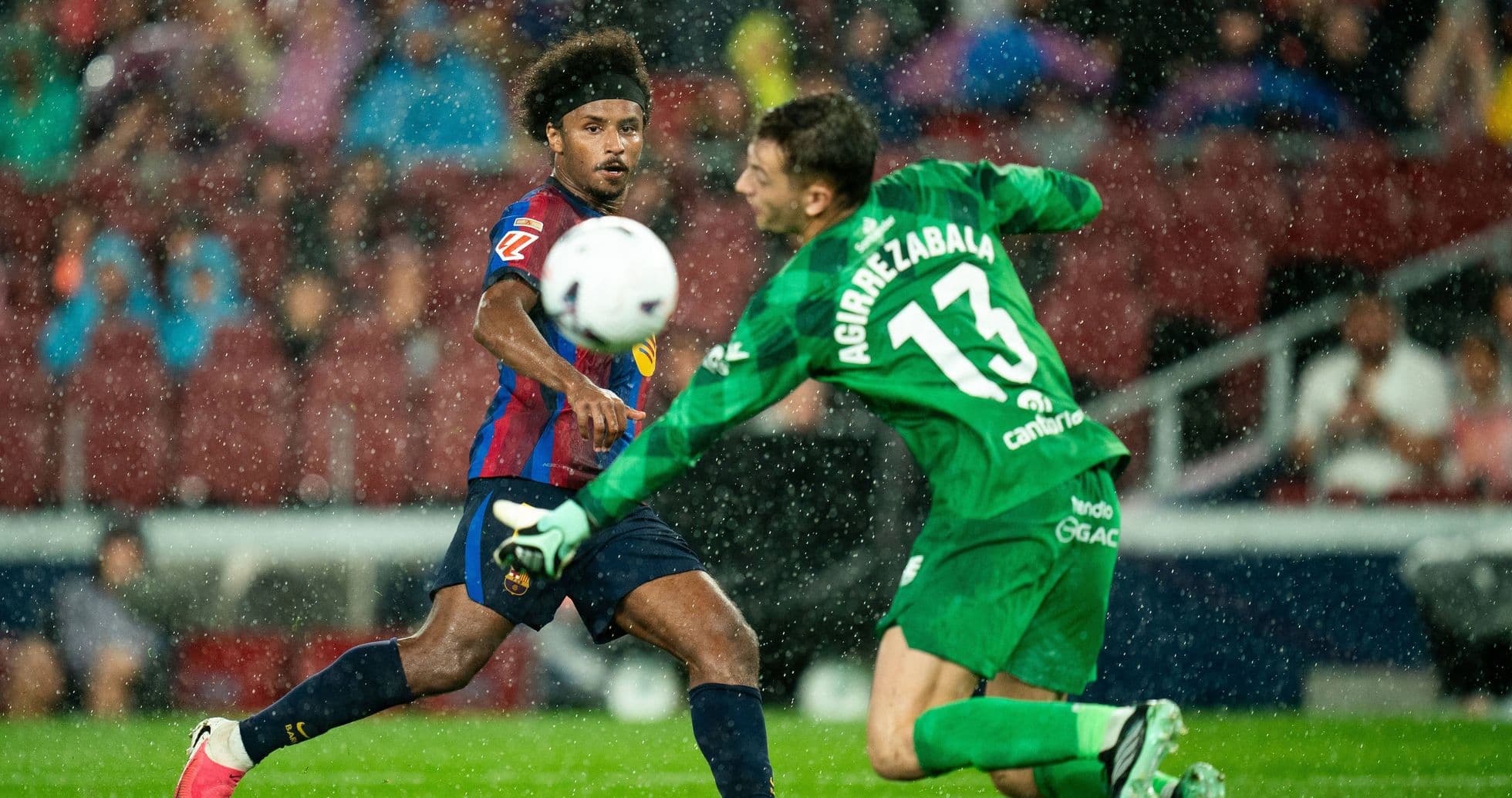
Hansi Flick Leads Barcelona to Record-Breaking Seven Wins in a Row
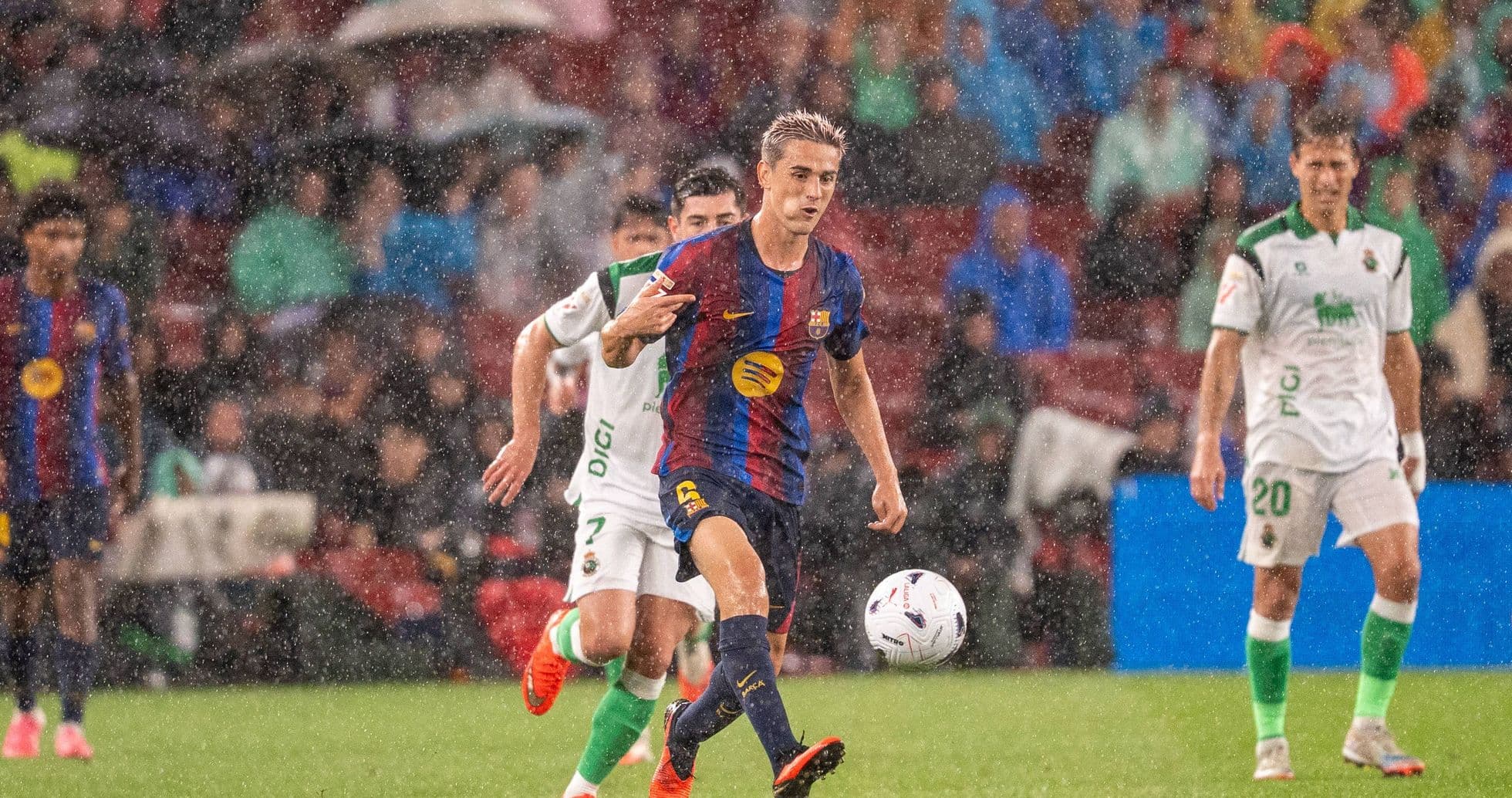
Gavi Reflects on Injury Return as Barcelona Dominate Racing Santander 7-2