
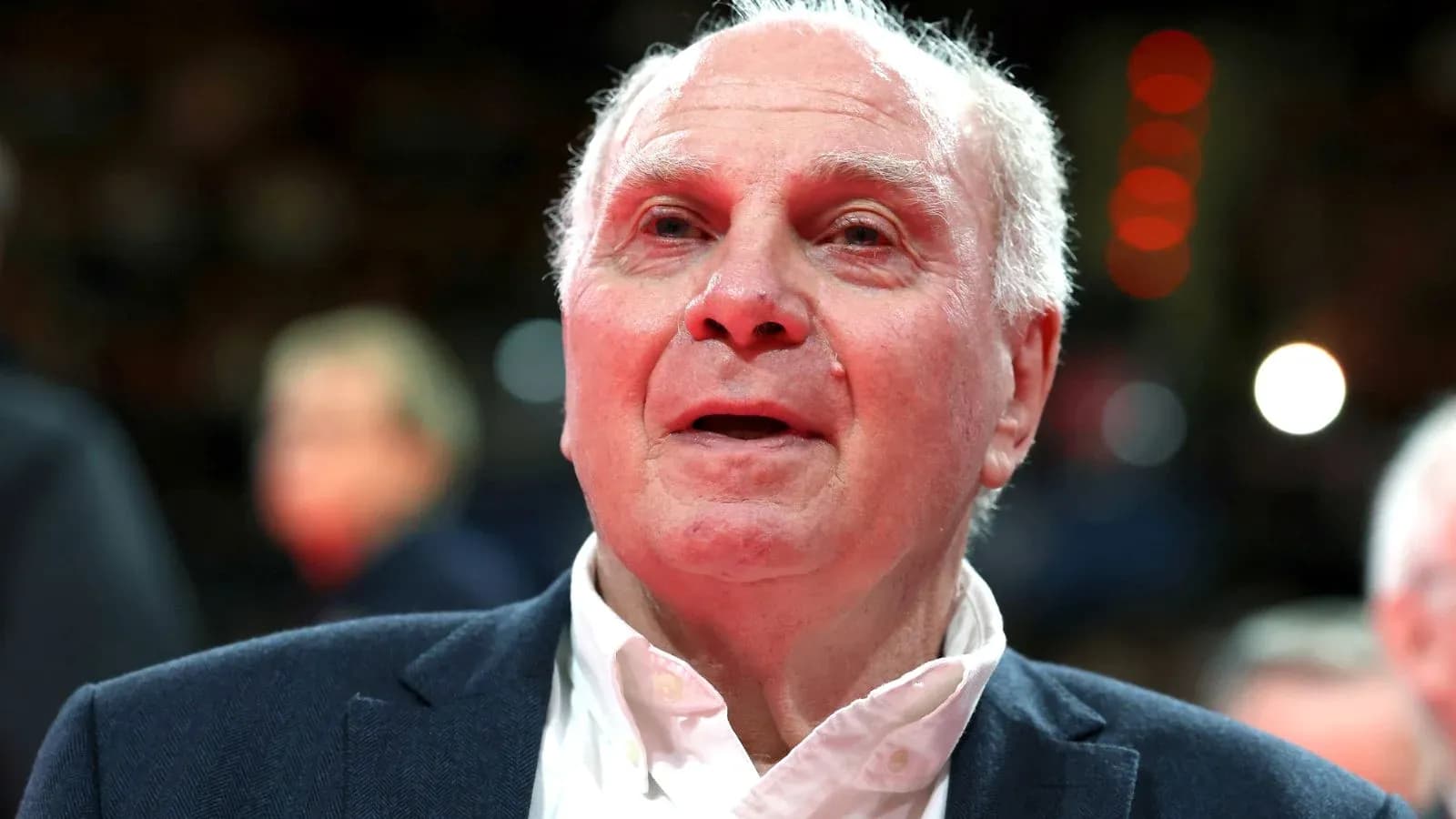
Jürgen Klopp and Marc Kosicke: Revolutionizing German Football
Jürgen Klopp did not arrive at the DFB alone. He brought the man who has been at his side for almost 20 years, the quiet strategist behind some of German football’s biggest stories: Marc Kosicke.
At his official unveiling, Klopp confirmed that Kosicke will become “my assistant coach for strategy, development and innovation” with the national team. To clear the way, Kosicke has stepped down as managing director of his company Projekt Five and ended his advisory work for other coaches. The long-time confidant is now fully tied to one project: Klopp’s Germany.
“It is not enough for only a head coach to come in,” Klopp said. “We have to change a great many things. We want to turn over every stone.”
It is exactly the kind of mission that fits Kosicke’s profile. He is widely regarded as the “inventor” of the modern coach adviser, having worked with top managers including Julian Nagelsmann until 2021.
Yet Kosicke’s influence stretches well beyond the dugout. A Bremen-born, self-confessed Werder fan, he once helped shape the identity of Bayern Munich, of all clubs. He played a key role in turning “Mia san mia” from a local saying into the official slogan of Germany’s most powerful football institution.
From chance flight to club bible
The story begins in 2008, on a flight to a FIFA event in Switzerland. Kosicke was travelling with his then business partner Oliver Bierhoff. By coincidence, Uli Hoeneß was on the same plane. The Bayern figurehead was frustrated.
He complained about his own players and lamented that nobody really knew what Bayern Munich stood for. That was the opening.
Kosicke asked him directly what he believed Bayern represented. Hoeneß could not give a clear answer.
Kosicke then drew on his past in the sports industry. He told Hoeneß he had worked for Nike and Adidas, companies that use so‑called “company bibles” to communicate core values and messages to every employee. Hoeneß wanted something similar for Bayern. Could Kosicke draft it?
“With 100 per cent cluelessness but a lot of self-confidence,” as he later put it, he agreed. Hoeneß made one thing clear: he wanted Kosicke personally, not “some Roland Berger tie-wearing troupe.”
So Kosicke assembled a deliberately mixed working group inside the club. Staff from the fan shop and marketing sat alongside the kit man and the youth coordinator. From the media department came Stefan Mennerich, and from scouting, chief scout Wolfgang Dremmler. For four weeks, they worked through what Bayern Munich should stand for.
The slogan was there from day one
At the end of that process, the club had its “bible” of values. But the slogan? That had been in Kosicke’s head from the start.
He already had “Mia san mia” in mind during the conversation with Hoeneß on the plane. He simply chose not to reveal it immediately. Had he done so, he felt, he would have “shot his bolt straight away”. Instead, the group focused on defining the values that would sit beneath the slogan.
They settled on 16 commandments. Among them: “We are a family and stand by one another.” Another: “We do not communicate about one another in public.” It was a codified identity for a club that had long lived by instinct and tradition.
For the final presentation to the board, Kosicke went for symbolism. He had a few prototype copies of the Bayern bible bound in real lederhosen leather. When he unveiled the title, the reaction in the room was immediate. Everyone was delighted.
Hoeneß, though, spotted one problem. “Great slogan, but this MIR is a space station,” he joked. On the cover, it did not say “Mia san mia” but “Mir san mir”. The Bremen native had tripped over Bavarian dialect. It was the only correction they needed.
Rights signed away, legacy locked in
Kosicke’s work did not end with a leather-bound booklet. Alongside the bible, he developed a roadmap for how Bayern should implement those values across the club. Once that was done, his task was complete.
When he sent his invoice, he also formally assigned his rights to the slogan to Bayern and gave a promise: as a man from Bremen and adviser to Jürgen Klopp, he would not present himself as the great inventor of “Mia san mia”.
The club, meanwhile, embedded the concept into its daily life. Every new arrival was to receive the bible as part of their onboarding. An office employee in the club headquarters, a youth player from Fürstenfeldbruck, or a star signing such as Sadio Mané – all would be handed the same message: this is who we are, these are the values we live by.
Now, that same mind, once used to distil Bayern’s identity and guide some of Europe’s most prominent coaches, will be working at Klopp’s side in the national team setup. If Germany really are about to “turn over every stone”, Kosicke will be one of the hands doing the lifting.
Related News
Ilia Topuria Accuses Justin Gaethje After UFC Defeat
Tyson Fury vs Anthony Joshua Fight Date and Venue Confirmed
Switzerland Calls Up In-Form Sion Striker Winsley Boteli for Nations League
Bournemouth Secures Historic 2-1 Win Over Real Sociedad in Spain
Portugal Announces Squad for 2026 UEFA Nations League; Cristiano Ronaldo Expected to Play
Raphinha Channels Ronaldo Nazario as Barcelona's Leading Striker After Position Change