
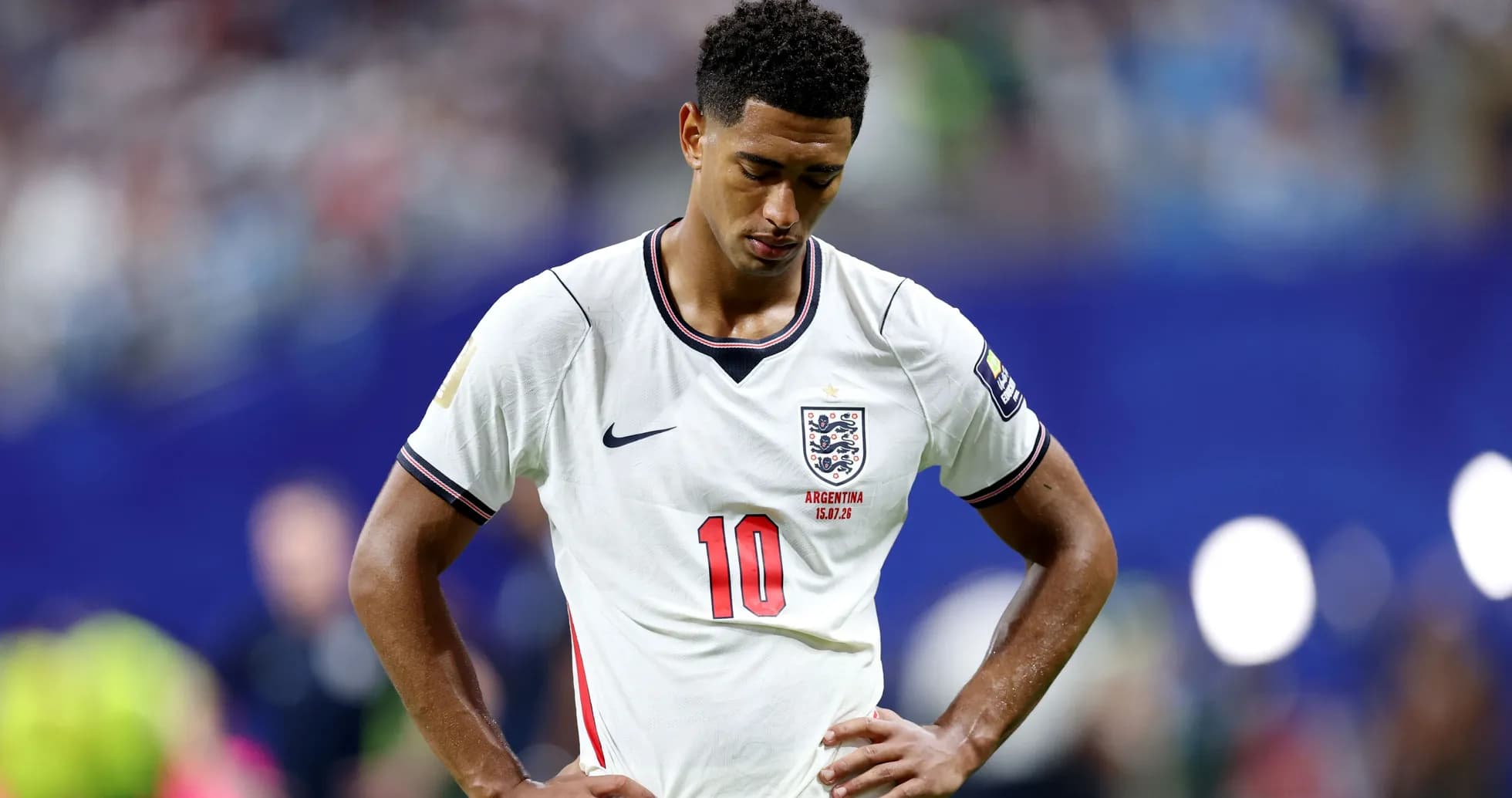
Jude Bellingham Reflects on England's Heartbreaking World Cup Exit
Jude Bellingham stood in front of the cameras, eyes glazed, voice heavy, trying to explain the kind of defeat that doesn’t just end a tournament, but lingers for years.
England had been minutes away from a first World Cup final since 1966. Instead, a 2-1 loss to Argentina, snatched in the dying moments, sent them spiralling out at the semi-final stage and left their talismanic midfielder visibly broken.
This was supposed to be his tournament. Seven goal contributions, a statement brace against Norway in the quarter-final, and a sense that the 23-year-old had dragged England to the brink of history. Yet when it mattered most, history refused to budge.
“It is so gutting,” Bellingham admitted, the words coming slowly as he tried to process the collapse. “I wanted to be a part of an England squad that finally done it and got it over the line. To be here, telling the fans the same things they've heard for years, it's really gutting.”
No clichés. No shield. Just raw honesty from a player who has carried expectation for club and country all year. After a bruising season with Real Madrid and the agony of losing the Euro 2024 final, this felt like one blow too many.
“I wish I could give one more win or two more wins,” he said, searching for a way to apologise to millions watching at home. “But at the moment, my head is a bit fuzzy with disappointment, so I'm sorry.”
On the pitch, the story had followed a familiar English script. Anthony Gordon’s opener had put them in control, the kind of early strike that usually settles nerves and tightens grip. For a while, it did. England managed the game, Argentina chased shadows, and the final inched closer.
Then came the turn.
Thomas Tuchel, wary of Argentina’s growing threat and the spaces beginning to appear, chose security. He switched to a back five, a move designed to close the gaps but one that instead opened the door.
“We decided to go to a back five because the gaps were far too open,” Tuchel explained afterwards, taking the blame squarely on his own shoulders. “Argentina played with more risk, played with more rhythm and played with the feeling maybe that they had nothing to lose any more, which freed them up and pulled us back.”
The shift changed everything. England retreated, Argentina advanced. What had been a controlled performance became a siege. Tuchel knew it.
“Because we obviously played suddenly with a feeling that we had a lot to lose,” he said. “Of course the responsibility is on the coach and if it doesn’t go well it’s easy to say it was wrong.”
Argentina sensed that hesitation and punished it. The equaliser rattled England; the late winner crushed them. By the time the whistle blew, the tactical tweak had become the defining moment of the night.
Outside the dressing room, questions swirled around Tuchel’s future before the players had even left the pitch. The substitutions, the defensive stance, the timing of the changes – all under the microscope. Yet inside the corridors of power, the mood is very different.
FA chief executive Mark Bullingham has given his backing to the former Chelsea and Bayern Munich coach. The plan remains for Tuchel to lead England into the home European Championships in 2028, a tournament already being framed as a chance at redemption on familiar soil.
Tuchel, for his part, is not looking for an exit.
“We keep on going with the contract until the home Euros,” he said, making it clear he has no intention of walking away from the fallout or the responsibility.
Before that, though, comes a game that no one really wants.
England now head into a third-place play-off against France on Saturday, a fixture that feels more like an obligation than an opportunity. A win would secure their best World Cup finish in 60 years, a statistic that looks impressive on paper but will do little to soothe the wound of another near-miss.
For Bellingham and his teammates, the bronze medal on offer cannot mask the sense of what has slipped through their fingers. The pain is too fresh, the margin too fine, the dream too close.
The recovery will not be quick. It rarely is after nights like this. But the clock is already ticking towards 2028, when England will host the continent and, once again, step into a major tournament carrying the weight of history and hope.
The question now is simple: how many more times can this group go to the brink before they finally break through?
Related News
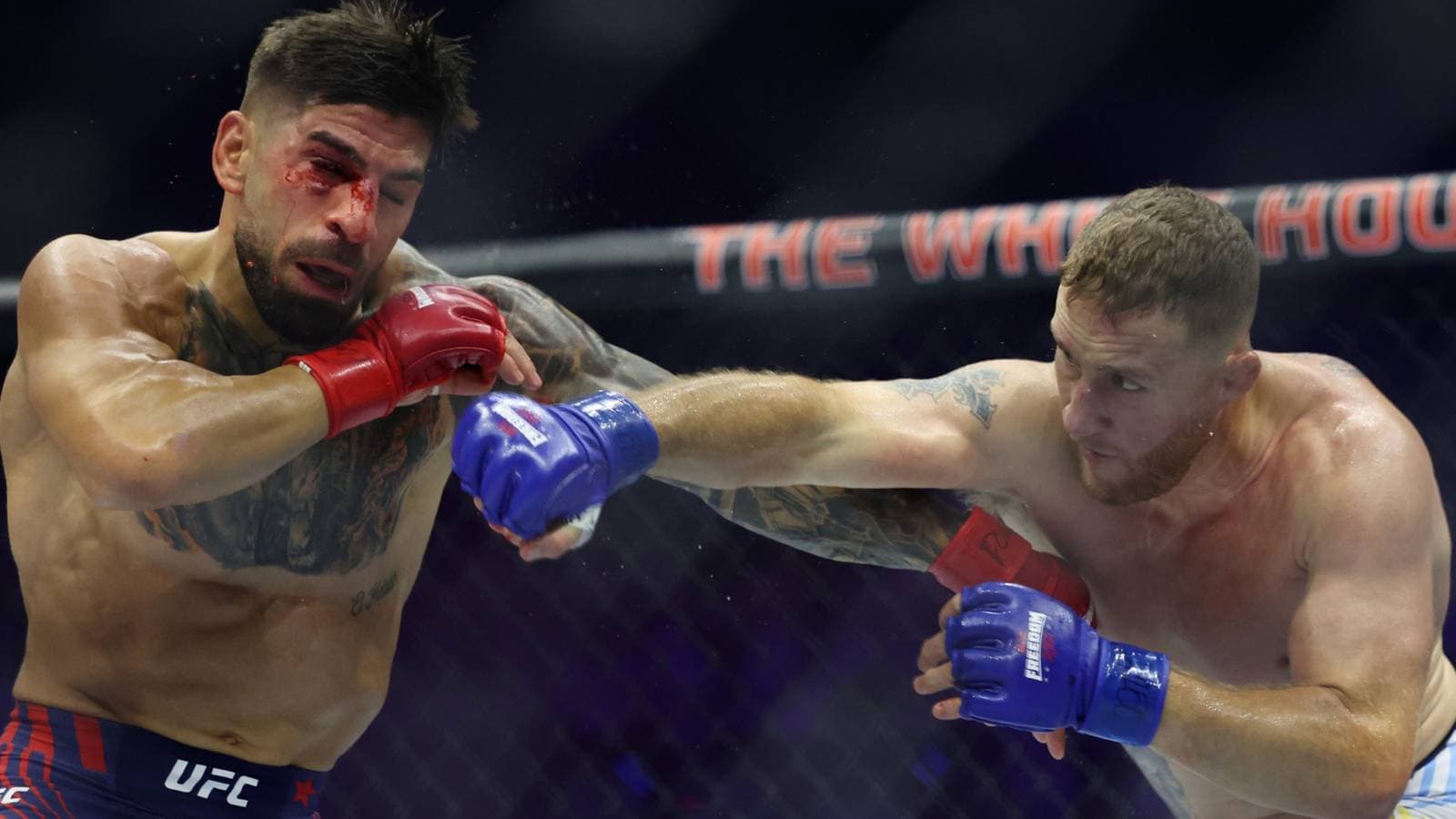
Ilia Topuria Accuses Justin Gaethje After UFC Defeat

Tyson Fury vs Anthony Joshua Fight Date and Venue Confirmed
Switzerland Calls Up In-Form Sion Striker Winsley Boteli for Nations League
Bournemouth Secures Historic 2-1 Win Over Real Sociedad in Spain
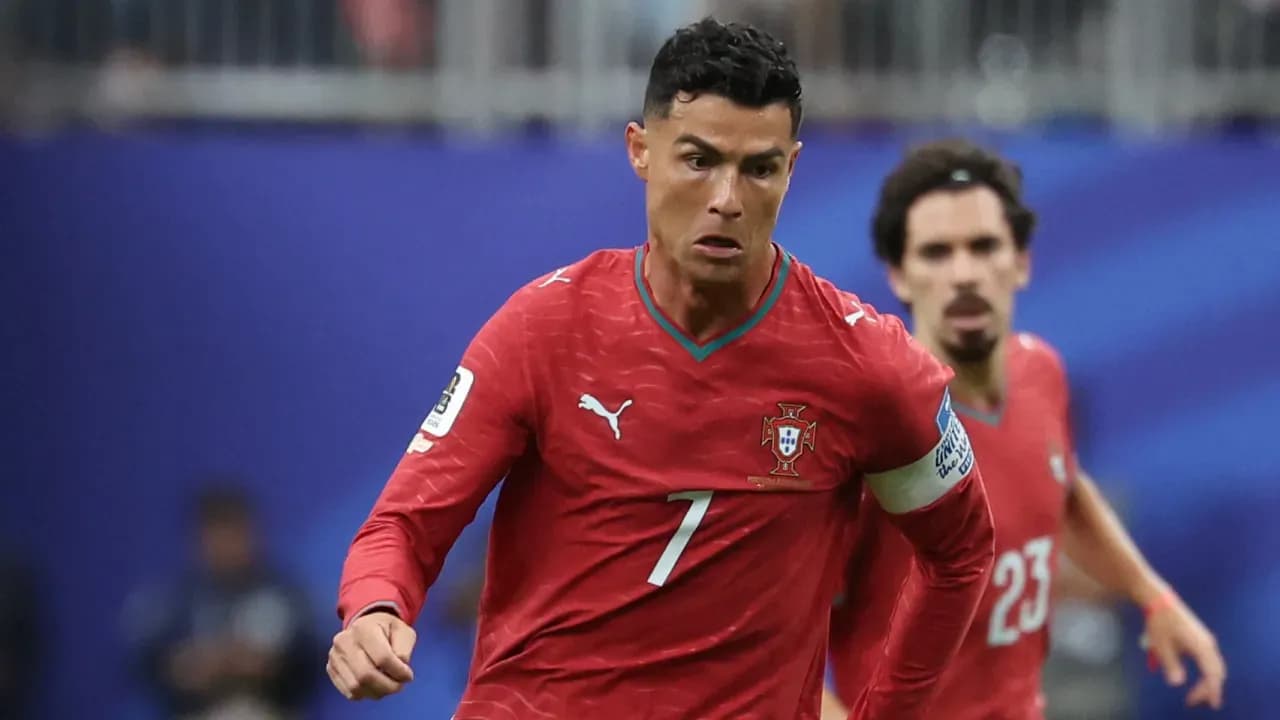
Portugal Announces Squad for 2026 UEFA Nations League; Cristiano Ronaldo Expected to Play

Raphinha Channels Ronaldo Nazario as Barcelona's Leading Striker After Position Change