
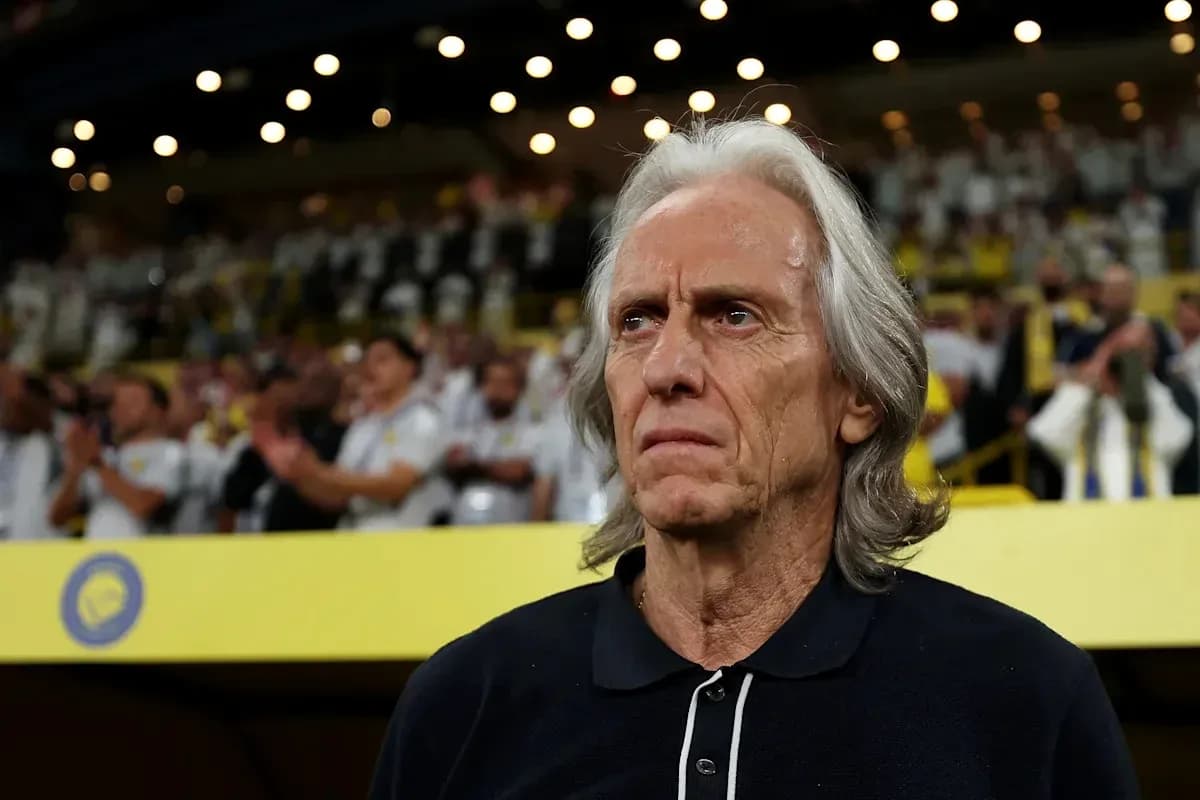
Jorge Jesus Set to Lead Portugal After Martínez's Departure
Portugal is turning the page. With Roberto Martínez out after a painful World Cup exit to Spain, Jorge Jesus is poised to become the new national team coach, stepping into one of the most demanding jobs in international football.
The move, reported by Portuguese newspaper “A Bola”, comes in the immediate aftermath of Portugal’s elimination in the round of 16 at the 2026 World Cup, a campaign that never quite matched the weight of its talent.
A new cycle, a familiar face
Jesus, recently freed from his spell in Saudi Arabian football, has emerged as the clear choice to lead Portugal into a new cycle. Within the corridors of power at the Portuguese Football Federation, there is broad agreement: this is the man to reset the project.
A meeting between Jorge Jesus and FPF president Pedro Proença is expected to formalize the deal in the coming days, once the Portuguese delegation returns from the United States. The groundwork is laid; only the signatures are missing.
If confirmed, Jesus will inherit a squad loaded with quality but scarred by inconsistency, a group that has shown flashes of brilliance without ever fully convincing on the biggest stage.
Martínez’s last act
The change in the dugout was triggered by a brutal finale. Portugal’s World Cup journey ended with a 1-0 defeat to Spain, decided by a goal from Mikel Merino deep into second-half stoppage time. A tight, balanced Iberian clash was settled in the cruelest way possible.
Moments after the final whistle, Martínez faced the media and made his position clear. The cycle was over.
“It is the end of the cycle. It is important now to have that again, and it is legitimate for the president to choose his national team coach. I am grateful for all the support they gave me,” he said, confirming his farewell and effectively clearing the way for a new era.
His tenure closes with a sense of unfinished business. A gifted generation never quite found a sustained rhythm under his watch.
A World Cup of contradictions
Portugal arrived at the 2026 World Cup with one of the most talented squads in its history. The campaign that followed felt like a tug of war between potential and performance.
In the group stage, they never fully settled. The tournament opened with a draw against the Democratic Republic of the Congo, a result that immediately raised questions. A thumping win over Uzbekistan briefly eased the tension, a reminder of the side’s attacking power, but a goalless stalemate with Colombia left them advancing only in second place. Progress, yes, but without authority.
The second round brought one of their most emotionally charged performances. Facing Croatia, Portugal had to come from behind in a fierce, highly contested match. They did it the hard way, showing resilience and personality, and for a moment it felt like a turning point.
Then came Spain. A tense, finely balanced round-of-16 tie, both sides probing, neither willing to blink. Portugal held their own, matched Spain stride for stride, only to be punished in stoppage time. Merino’s late strike didn’t just end a match; it ended an era.
The Jesus challenge
Now the responsibility is set to fall on Jorge Jesus. A coach known for his intensity on the touchline, his demanding standards, and his tactical detail, he will be asked to turn an inconsistent contender into a ruthless tournament team.
He takes over a national side that has learned the hard way that talent alone is not enough. The tools are there. The question, as this new cycle begins, is whether Jesus can finally turn Portugal’s promise into something lasting, something worthy of the generation that refuses to wait forever.
Related News
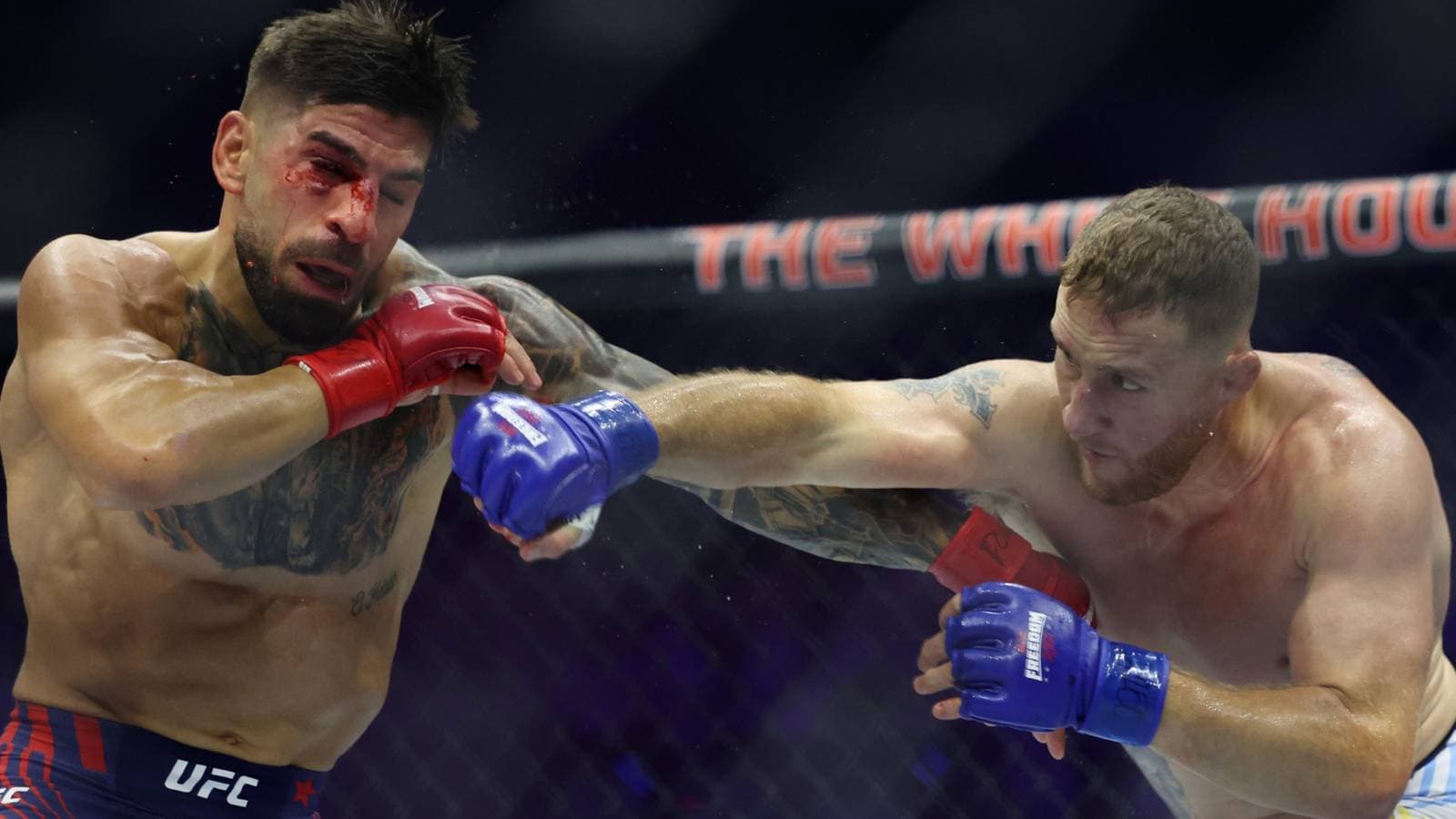
Ilia Topuria Accuses Justin Gaethje After UFC Defeat

Tyson Fury vs Anthony Joshua Fight Date and Venue Confirmed
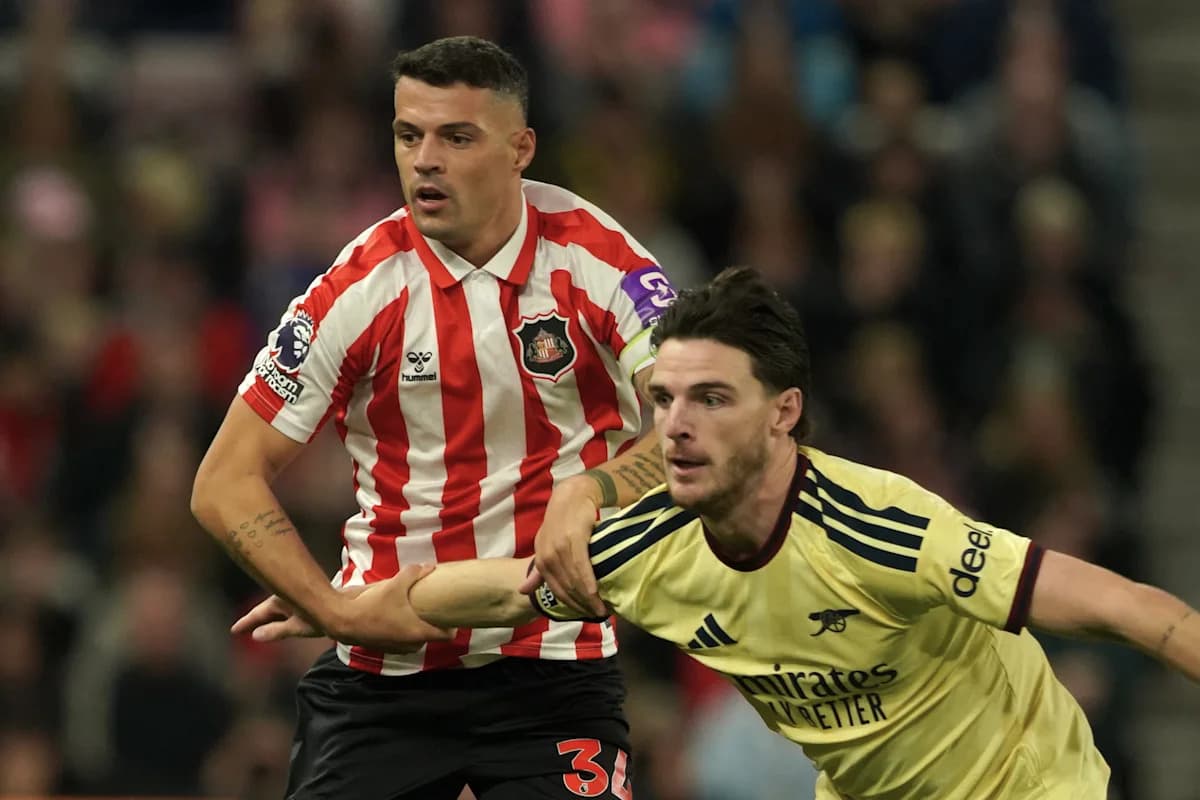
Switzerland Calls Up In-Form Sion Striker Winsley Boteli for Nations League
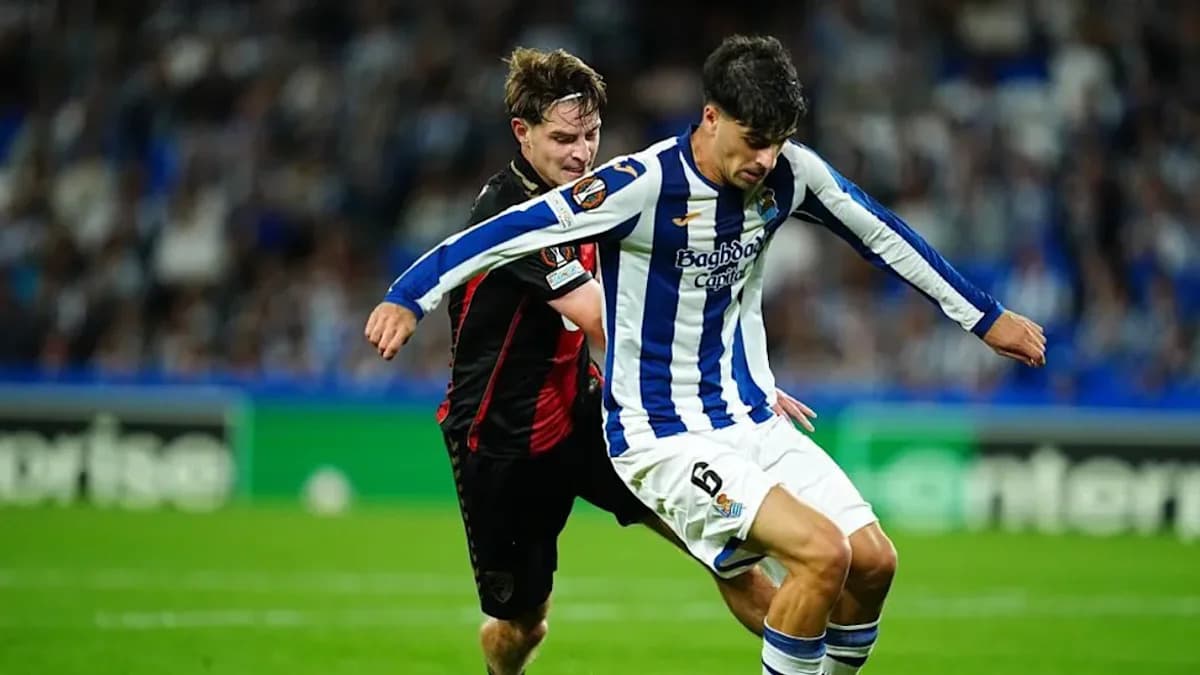
Bournemouth Secures Historic 2-1 Win Over Real Sociedad in Spain
Portugal Announces Squad for 2026 UEFA Nations League; Cristiano Ronaldo Expected to Play

Raphinha Channels Ronaldo Nazario as Barcelona's Leading Striker After Position Change