

James Milner Retires After Premier League Record Career
James Milner has finally stopped. Not because the legs gave in, or the hunger dulled, but because, after 24 seasons, English football’s great constant decided the story had reached its natural end.
At 40, the Premier League’s record appearance-maker has announced his retirement, closing the book on a career that stretched across generations and rewrote what longevity looks like at the top level.
He walks away with 658 Premier League games to his name, five more than Gareth Barry, the man he overtook in February when he started for Brighton & Hove Albion against Brentford. From that moment, the record belonged to him alone. Now it always will.
From boyhood debut to ironman record
Milner’s journey began in the most romantic way English football can offer: a local lad, 16 years old, pulling on the shirt of the club he grew up supporting. Leeds United gave him his first taste of the Premier League, and he responded by becoming the competition’s youngest-ever scorer at the time.
Those early years set the tone. Reliability. Work rate. A maturity beyond his age. Coaches trusted him, team-mates leaned on him, and fans quickly learned that wherever he played, the standard never dropped.
Leeds, Newcastle United, Aston Villa, Manchester City, Liverpool, Brighton. Six clubs, one identity. Milner the professional. Milner the standard-setter.
The medals to match the miles
For all the talk of running stats and versatility, Milner’s career is not just a monument to durability. It is decorated.
Three Premier League titles – two with Manchester City, one with Liverpool – anchor a trophy list that mirrors the modern English game’s powerhouses. Add a UEFA Champions League, two FA Cups, two EFL Cups and a FIFA Club World Cup, and the picture sharpens: this was not a passenger on great teams. This was a core piece, trusted in the biggest moments by some of the era’s most demanding managers.
He never dominated highlight reels, but he dominated managers’ team sheets. That is its own kind of stardom.
On the international stage, Milner earned 61 England caps across seven years, featuring at the 2010 and 2014 FIFA World Cups and at Euro 2012 and Euro 2016. In an era of constant churn around the national side, he remained a dependable thread.
Fighting for survival, finishing in Europe
Milner’s own reflection on his journey tells you how wide its spectrum ran. He talked about “fighting for survival” at one end and winning trophies and playing in Europe at the other. Few players have lived as many versions of the Premier League as he has: relegation scraps, title races, European nights, and everything in between.
His final chapter at Brighton carried its own symbolism. Last year, he could “not lift [his] foot,” as he put it, yet he still forced his way back to help Roberto De Zerbi’s side secure European qualification for only the second time in the club’s history. At 40. In the fastest, most physically demanding era the league has ever seen.
The pressure of time finally told, but not before he had squeezed every last drop from a body that seemed to run on stubbornness as much as stamina.
The man behind the numbers
Milner’s statement on retirement was as you would expect: grounded, grateful, almost understated for a man whose career spanned more than two decades at the top.
He spoke of “immense pride, gratitude and memories that will stay with me for the rest of my life,” and reserved his warmest words for the “owners, staff, coaches, team-mates and supporters” who shaped his journey. The trophies mattered, of course. The records, too. But he kept circling back to people and friendships, the everyday fabric of a football life.
He leaves the game with 24 Premier League seasons behind him, a medal collection that would grace any hall of fame, and a reputation as one of the most relentlessly professional players of his era.
The numbers will sit in record books. The example he set – the fitness, the attitude, the refusal to fade quietly – will linger longer. The next teenager stepping into a Premier League dressing room could do worse than ask a simple question: how did James Milner last this long, at this level?
English football has lost one of its great ever-presents. The league will move on, as it always does. But that appearance record, and the standard that came with it, may take a very long time to catch.
Related News

Raphinha’s Hat-Trick Powers Barcelona to 7-2 Victory Over Racing Santander
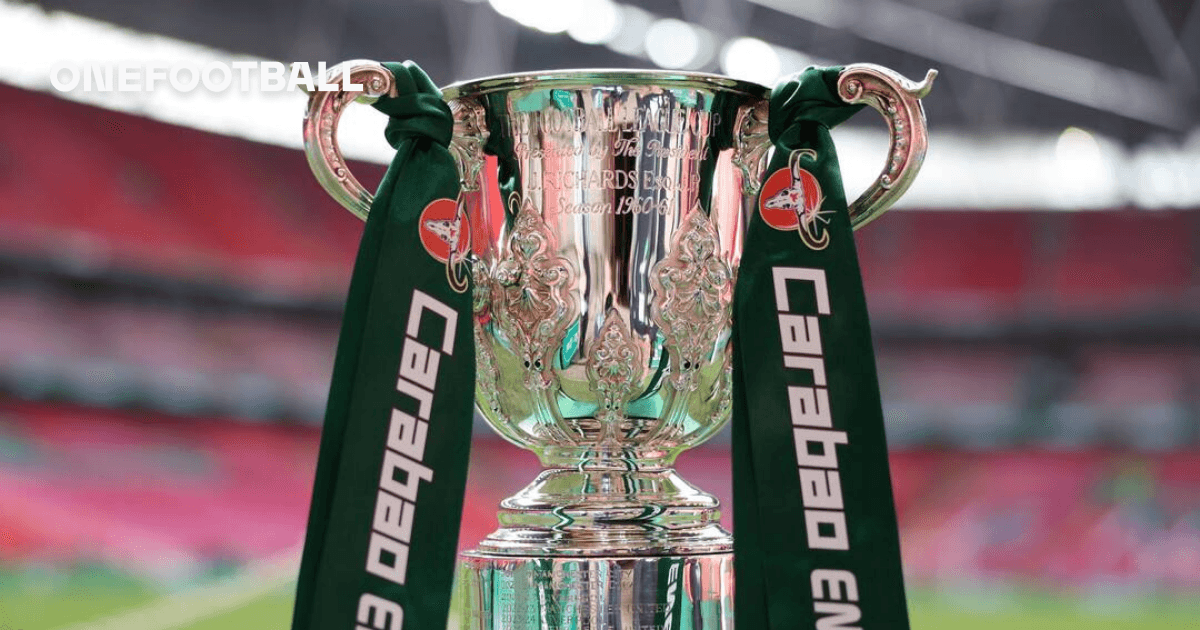
Carabao Cup Fourth Round Draw: Liverpool Set to Clash with Chelsea, Arsenal to Face Fleetwood Town
Key Football Matches to Watch in Azerbaijan This Autumn
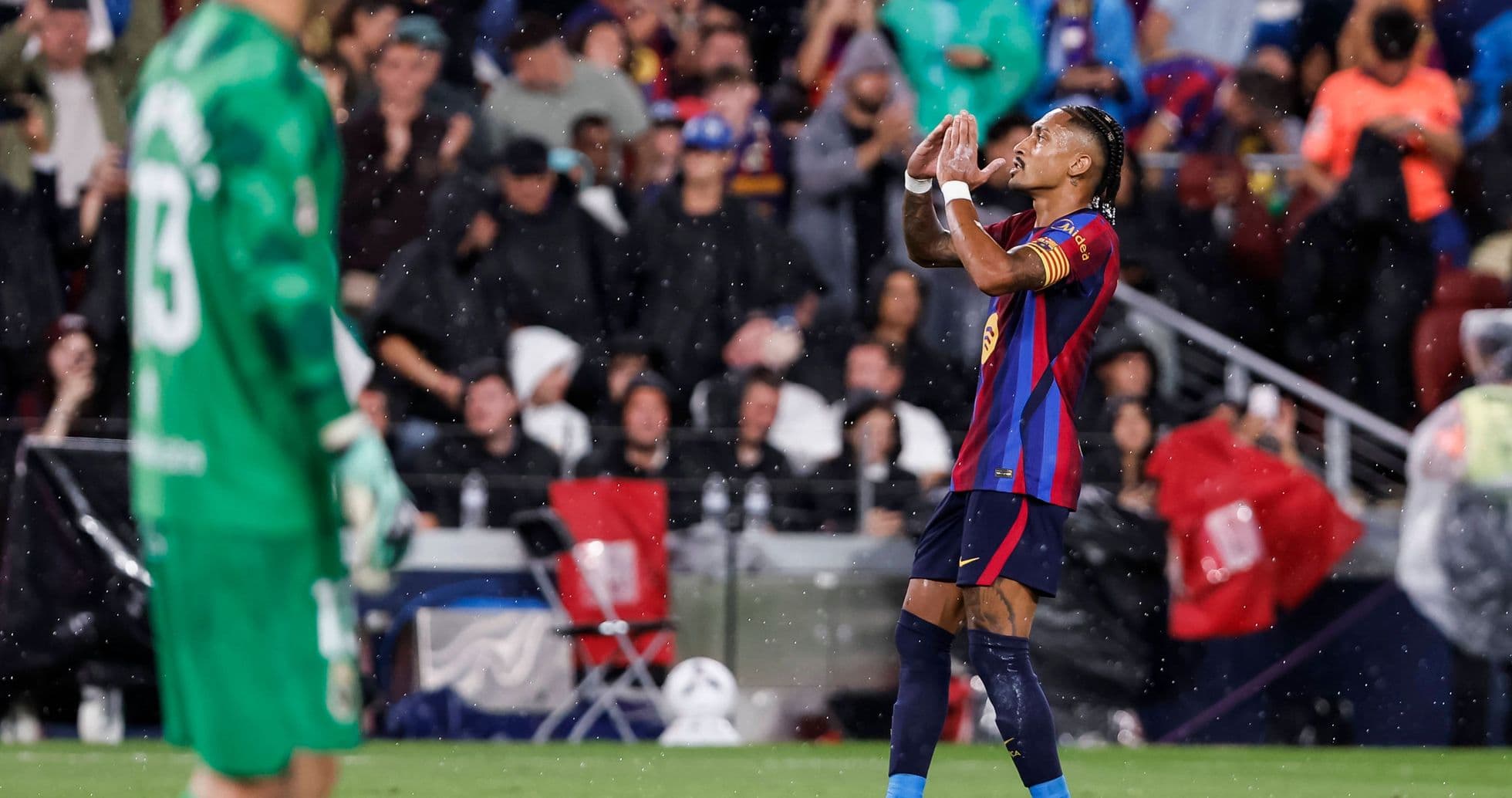
Raphinha's Hat-Trick Drives Barcelona to 7-2 Triumph Over Racing Santander
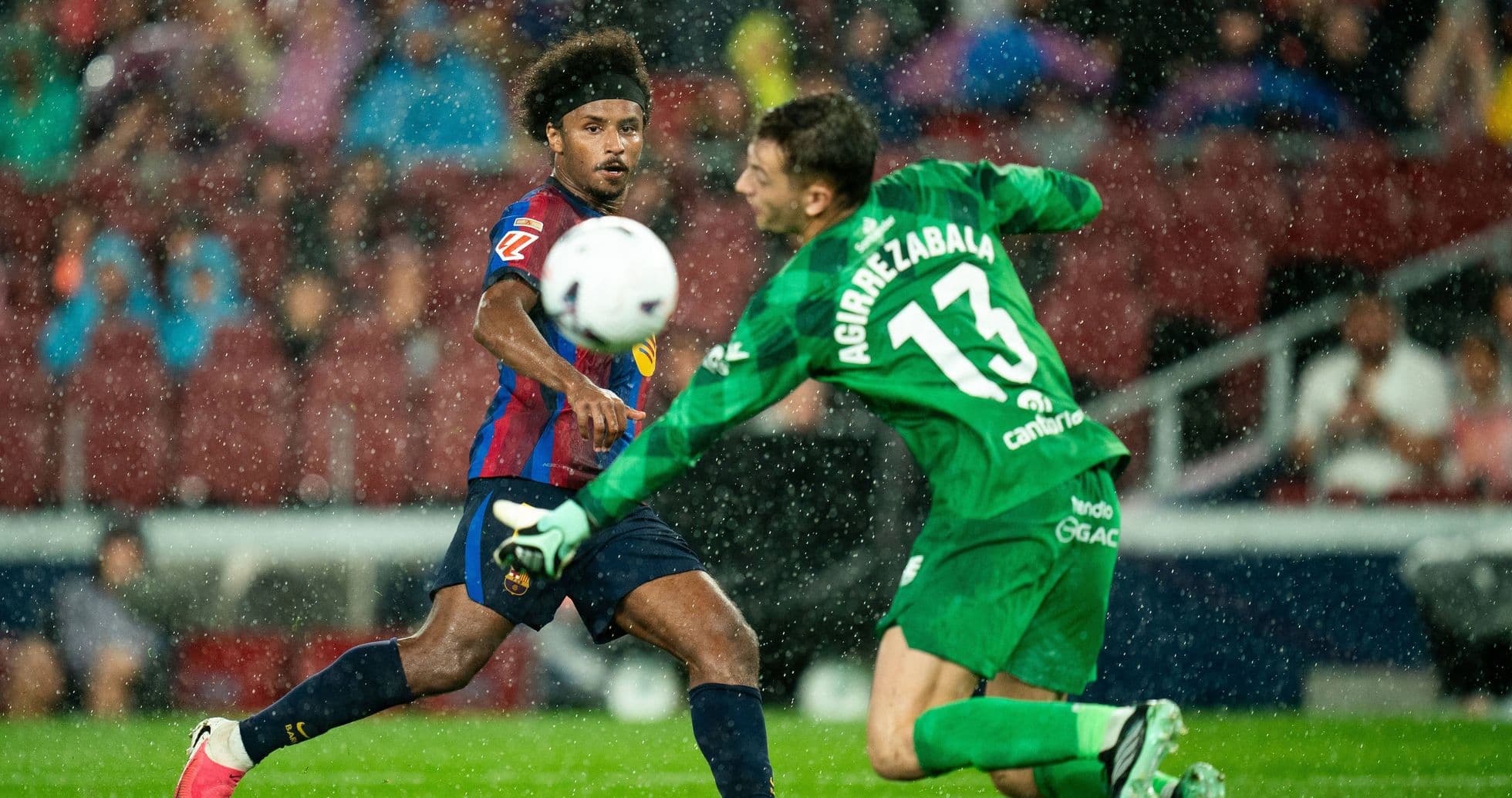
Hansi Flick Leads Barcelona to Record-Breaking Seven Wins in a Row

Gavi Reflects on Injury Return as Barcelona Dominate Racing Santander 7-2