
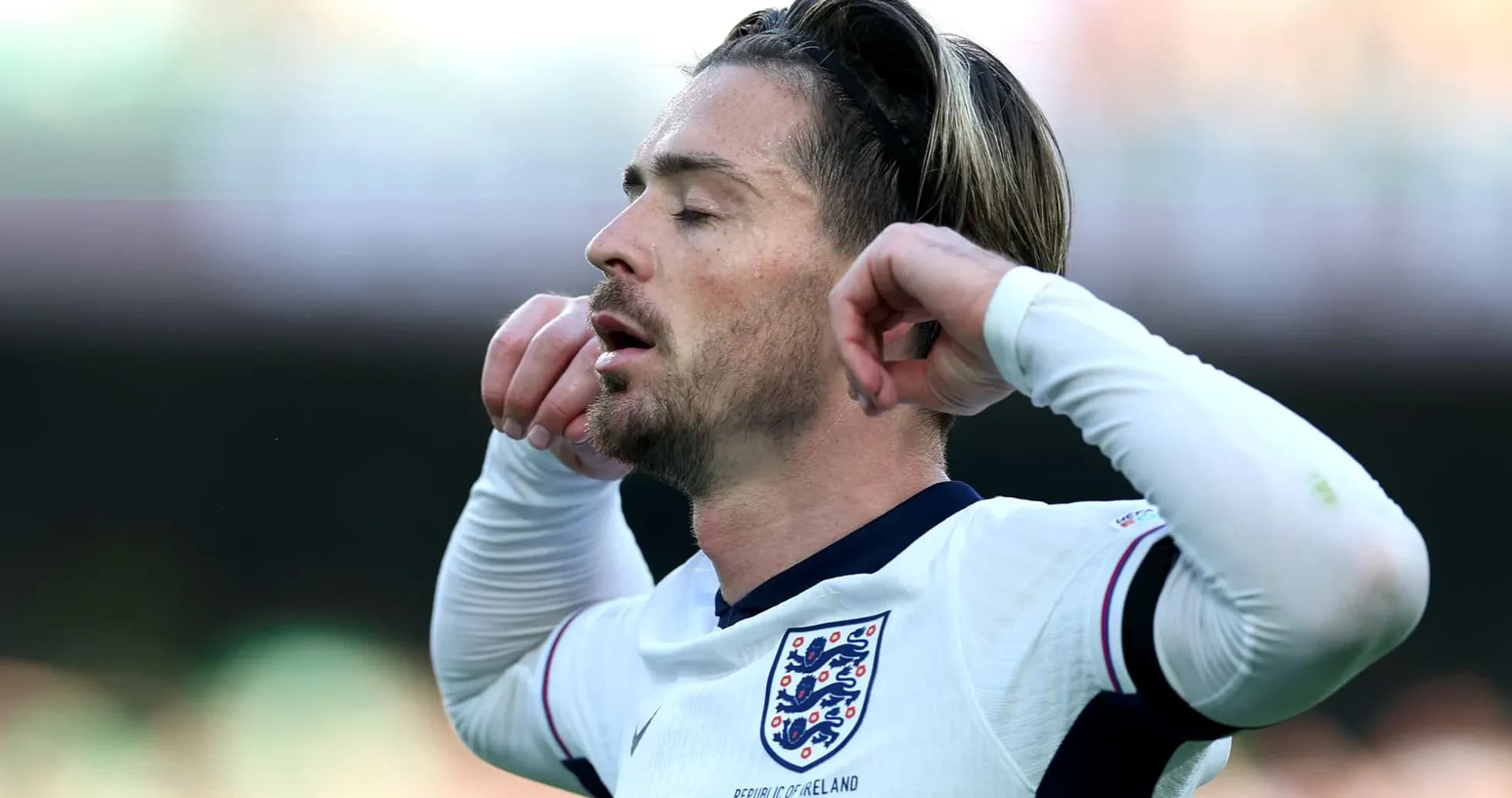
Jack Grealish: From £100 Million Star to Injury Challenges
When Jack Grealish walked out of Aston Villa in the summer of 2021, he did so as the most expensive player in British football history. £100 million, a nine-figure fee, a boyhood hero heading to the Etihad Stadium to become the face of a new Manchester City era.
He left as the poster boy. He arrived as the project.
The medals came quickly. In his second season, Grealish stood in Istanbul as a Champions League winner and part of a Treble-winning side. Yet even in the glow of that triumph, there was a sense that Pep Guardiola’s demands had clipped some of the swagger that made him such a phenomenon at Villa Park. The numbers underline it: by the end of the 2024-25 campaign, Grealish had 17 goals from 157 appearances for City. Respectable. Not transformative.
Under Guardiola, the margins are brutal. Standards never soften. Grealish began to slide down the pecking order and, eventually, out of the picture. The solution was a loan to Everton, a move that looked like a lifeline.
For a while, it was exactly that.
On Merseyside, Grealish started brightly enough to collect a Premier League Player of the Month award. He had Goodison Park on its feet again, drifting inside, drawing fouls, knitting attacks together. The old confidence flickered back into life. Then came the foot injury, the stress fracture, the surgery, and with it a season cut off in January.
The timing could hardly have been crueller. World Cup hopes vanished in an instant for a player with 39 senior England caps. Everton, armed with a £50m purchase option, stepped back and waited, hoping that City might be more flexible in the summer market. They still are. As it stands, no permanent deal has been agreed.
England moved on without truly moving on from him. No one nailed down the left flank during the run to the semi-finals of FIFA’s showpiece in North America. The position remained open, the conversation unfinished, the door half-closed rather than slammed shut.
So where does Grealish sit now in that debate?
Halesowen-born former Premier League title winner Lee Sharpe, speaking to GOAL in association with NetBet, sees a crowded but intriguing picture on that side of the pitch.
“They seem to have a bit of an abundance of left-sided players,” he said. “Like you say, you've got Grealish, you've got Cole Palmer that can play there, although I'm not sure either of them are really that out-and-out, winger-type, quick-to-go-by people. I think [Anthony] Gordon and [Marcus] Rashford between them had decent World Cups.”
Two profiles, two approaches, one shirt.
“There's two strong candidates for the left-sided players and it just depends on what sort of football and what team they're playing against,” Sharpe added. He even drifted back to that agonising defeat to Argentina. “I was wishing they'd brought Rashford on against Argentina and just put the ball near the corner flag for five or 10 minutes and chased after it and turned Argentina around. That didn't seem to happen.
“A Grealish or a Palmer would have probably kept the ball, but I'm not sure they've got that pace to go and threaten in behind when you need to do so. But yeah, once Jack Grealish gets himself fit and Cole Palmer keeps himself fit and gets over his little injuries that he had last year, they're phenomenal players and they're game-changing players.”
That word hangs over Grealish now: fit.
What he needs from the 2026-27 campaign is not a tactical reinvention or a new role. It is something far more basic and far more elusive.
“He just needs a year of staying fit and not getting injured. Every player needs that,” Sharpe said. “It's soul-destroying when you get injured and you know you've got a long rehab and you're not going to see many of the lads. You're going to miss out on everything that goes on with the lads and the season. You just want to play.
“It's so hard to be injured for anybody, mentally, physically, and then to come back from it. The rehab, getting fit again, getting back into the team again, your timing and getting your game back for match days.
“It's a horrible process, but he just needs 10, 12, 15 games now to get back up to speed and get his confidence fully flowing. I'm sure we'll see another great year from Jack Grealish.”
Those 10 to 15 games could define the next phase of his career. Put them together, stay on the pitch, and the conversation around him changes quickly: from damaged asset to decisive option, from luxury to necessity.
Sharpe has no doubts about the raw material.
“He's unbelievable. He's got so much ability,” he said. “I remember back to the England game, I think it was the Germans we played against. He just bossed the whole game. They couldn't get the ball off him. That's the kind of player he is.
“He's so comfortable on the ball. He can run with it. He can slot a pass in. He can score a goal. He's got so much ability. He's great to watch. He plays with a smile on his face. He's great with the fans. I think he's a credit to the game and to himself.”
The fee, the fanfare, the Treble – all of that belongs to the first act of Jack Grealish’s elite career. What comes next will be decided not by hype or history, but by something more fragile: the strength of a healing foot, the resilience of a mind that has lived through the “soul-destroying” grind of rehab, and the answer to a simple question.
Can he stay on the pitch long enough to remind everyone why he was worth £100 million in the first place?
Related News
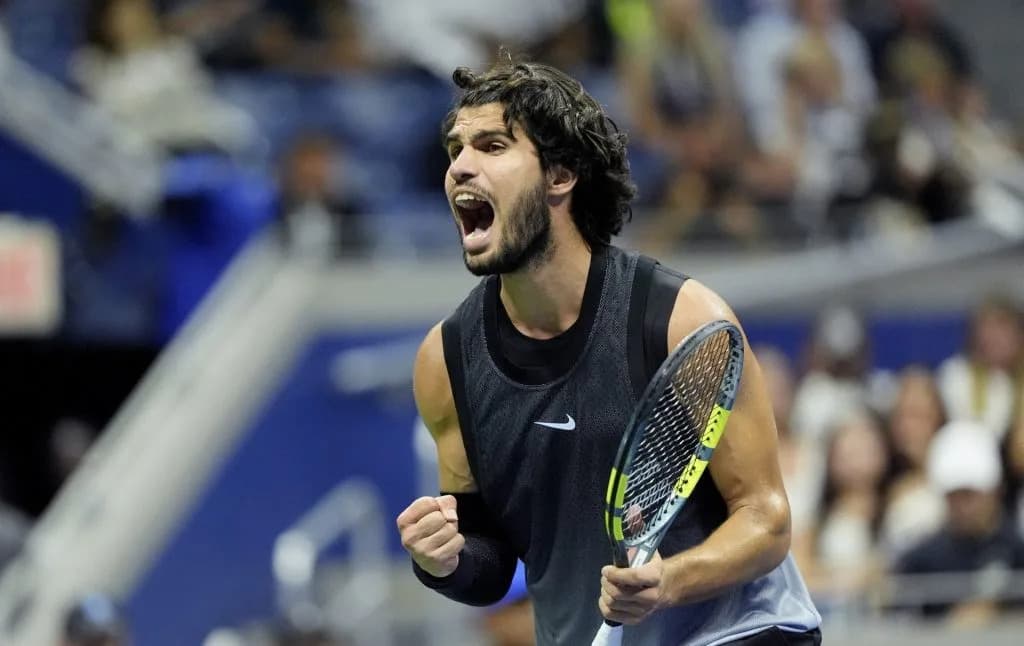
Carlos Alcaraz Urges Tennis Organizers to Stop Matches Finishing in the Early Morning
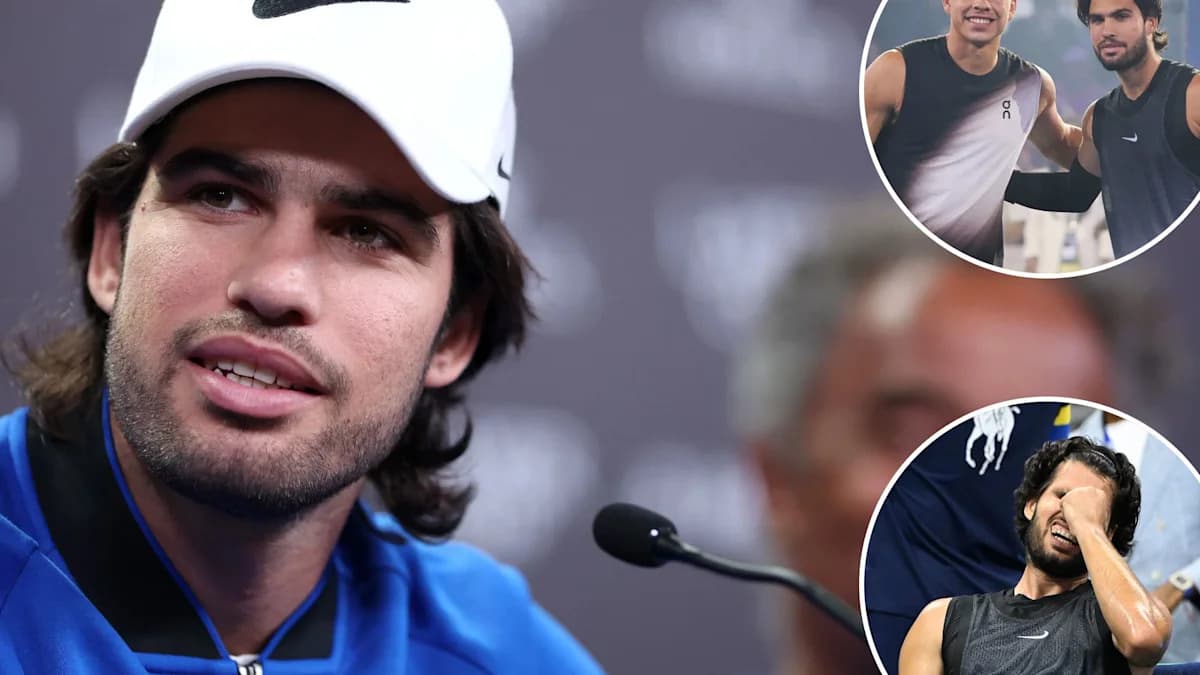
Carlos Alcaraz Frustrated by 3:30 a.m. US Open Finish: 'Too Much'
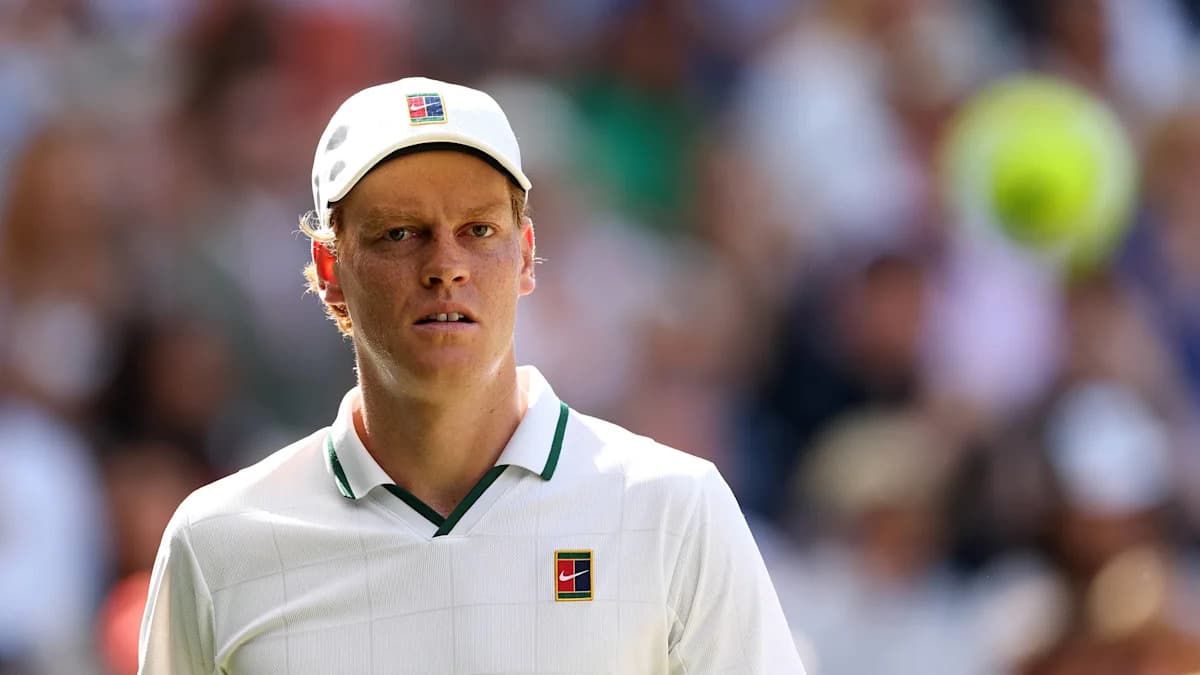
Jannik Sinner Set for ATP 500 Return in Beijing with Novak Djokovic Also Competing
Meet Iva Jovic: The Rising American Tennis Talent
Flavio Cobolli Shares Insights on Training with Jannik Sinner Ahead of His Tennis Return
Till vs Romero: Fight Details, Undercard, and Viewing Info for This Weekend