
Ireland's Political Storm Amidst Friendly Win Over Qatar
The tennis balls came first.
They rained down in waves at the Aviva Stadium, bright green protests skidding across the turf as Ireland edged past Qatar 1-0 in a friendly that never felt remotely routine. The scoreline will be forgotten quickly. The backdrop will not.
This was a match played under a cloud, Ireland’s forthcoming Nations League fixtures against Israel – and in particular the 4 October game in Dublin – turning a low-key international into a flashpoint. Several times in the first half, play stopped as tennis balls, stamped with the message “stop the game”, landed on the pitch. The interruptions were brief, the message anything but.
Ireland caught in the crossfire
On the touchline, Heimir Hallgrimsson cut the figure of a coach who knows his team have been pushed into a political storm they did not create and cannot control. Seamus Coleman had already voiced his unease, suggesting that Hallgrimsson and the players had been left exposed by decisions made far above them. It struck a chord in the dressing room.
Hallgrimsson did not try to dodge it.
“Seamus spoke really well about it the other day. We all don’t agree with what’s going on. Ideally it’s not in our hands. It’s not a nice situation to be put into. Like I said, personally, none of us agree with what’s going on.”
The win over Qatar – a functional, narrow victory – felt almost incidental. Ireland got their goal, saw the game out and walked off to a mixture of applause and agitation. The real noise surrounded what comes next, not what had just happened.
Volpato’s late World Cup turn
Elsewhere, another national shirt is at the centre of a very different kind of decision.
Cristian Volpato, the Sassuolo playmaker, is on the brink of a World Cup about-face that would have seemed unthinkable four years ago.
The 22-year-old, an Italian international at youth level and a genuine option for the Azzurri, is poised to switch allegiance to Australia, the country of his birth. He previously turned down the chance to represent the Socceroos at the tournament in Qatar. Now, with another World Cup looming, he wants in.
Football Australia is waiting on Fifa to rubber-stamp the change of association. The clock is loud. Tony Popovic must name his 26-man squad by 1 June, and Volpato’s place hinges on paperwork being completed in time. If it is, Popovic suddenly gains a creative wildcard; if it is not, Australia lose a rare talent to the limbo between two nations.
Pulisic and Pochettino’s demand
In the United States camp, the tension is more personal. Christian Pulisic, 27 now and long burdened with the tag of “the coming man”, finds himself facing a sharper standard from his national-team coach.
Mauricio Pochettino did not hide his frustration at Pulisic’s absence from the Gold Cup.
“I was disappointed with him [for missing the Gold Cup],” he said in a media briefing. “I am transparent about that. He was disappointed with our decision not to include him in the two friendly games [against Switzerland and Turkey].”
The exchange lays bare a simple truth: reputation no longer buys automatic trust. Pochettino has set a tangible target – one goal – and even that sounded like a challenge rather than a pat on the back. For a player who has carried the hopes of a generation, the time for being “next” is over. He either leads this cycle or becomes a symbol of what might have been.
Havertz, underdogs and a familiar stage
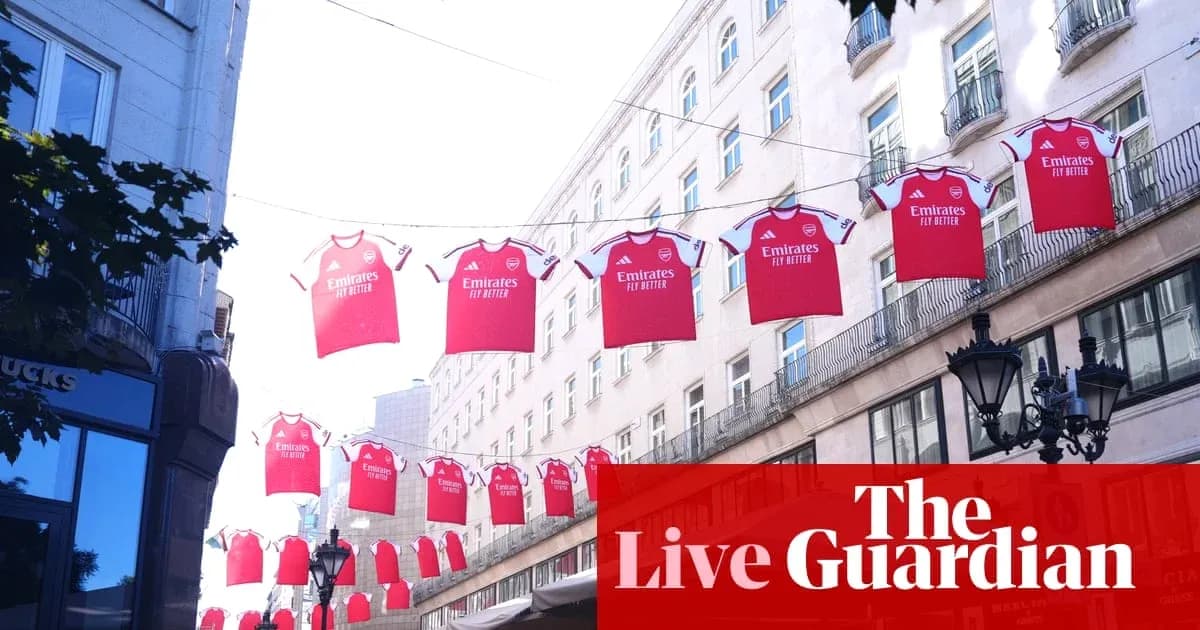
While international sides wrestle with politics and identity, Arsenal are locked in a far more traditional struggle: how to beat Paris Saint-Germain in a Champions League final that almost nobody expects them to win.
Kai Havertz knows this script. He has lived it. He is now the player Arsenal hope can twist it again.
Havertz looks ahead to Saturday’s final in Budapest with the memory of Porto still fresh – the night Chelsea, under Thomas Tuchel, stunned a Manchester City team that had cantered to the Premier League title.
“We were the underdogs on that day, for sure,” he says. “We hadn’t had the best season. But now it is completely different.”
Different, yes, but the parallels are obvious. Once again, he walks into a final with most of the conversation swirling around the favourites. Once again, he stands as the elegant disruptor, the player who can turn a tight, tactical contest with one touch.
Arsenal’s narrow path against PSG
The margins for Arsenal are thin. Jonathan Wilson’s tactical preview leans heavily on set pieces as Arsenal’s best route to goal. The numbers back it up: PSG have scored more from non-penalty set plays in this Champions League campaign – eight to Arsenal’s five – yet corners and free-kicks remain the London club’s likeliest weapon.
The real danger lies the other way. PSG live off transition. Teams in Ligue 1 often sit deep and try to suffocate their space, but the evidence from their wins over Chelsea, Liverpool and Bayern Munich is stark: give them grass to run into and they will carve you open.
Arsenal cannot allow Desiré Doué or Khvicha Kvaratskhelia to square up full-backs and go. Both are quick, fearless dribblers who attack space with ruthless intent. And full-back is exactly where Arsenal hurt.
On the right, Ben White is out with a knee injury. Jurriën Timber is doubtful after a groin problem picked up against Everton in mid-March. That leaves Mikel Arteta juggling imperfect solutions against two of the most direct wide players in Europe. One wrong matchup, one mistimed step, and PSG are away.
PSG arrive fresh, and dangerous
If there is a sliver of good news for Luis Enrique, it is this: his stars should be fresh. He has treated Ligue 1 like a training ground, rotating heavily and keeping his core players’ minutes low.
The numbers are striking. Ballon d’Or winner Dembélé has started just 11 of 34 league games. Neves, Mendes and Fabián Ruiz have 13 starts each. Kvaratskhelia has 18, Doué and Hakimi 16, Marquinhos 11. None of them has played even half of PSG’s league minutes.
They have not been grinding through winter away days; they have been preserved for nights like Budapest. Arsenal, by contrast, have had to scrap to the finish line in the Premier League, managing knocks and fatigue while trying to maintain rhythm.
A World Cup under a different kind of strain
All of this unfolds with another World Cup drawing near, and with it a different kind of anxiety. Since the US and Israel attacked Iran on 28 February, the fixture between the US and Iran in Los Angeles has been shrouded in doubt.
Questions have lingered: would Iran’s government permit Team Melli to travel to the country that led the attack? Would the US even welcome them? As kick-off approaches, the match looks set to go ahead, but the tension has not eased.
Los Angeles – “Tehrangeles” to its huge Iranian diaspora, many of whom fled the 1979 revolution – could become a stage for protests and acts of defiance, from the stands or even from the players. It is a World Cup fixture, but it is also a political theatre, with footballers walking a tightrope between national duty and personal conviction.
Budapest at the centre
So the game keeps spinning. Ireland navigate protests and politics. Volpato waits on a signature that could reshape his career. Pulisic feels the heat of expectation harden around him. Iran weigh a journey that is about far more than sport.
And in Budapest, Arsenal and PSG prepare to collide, one side fuelled by rotation and star power, the other clinging to set pieces, structure and the belief that underdogs sometimes bite twice.
Saturday will tell who has judged the moment better.
Related News
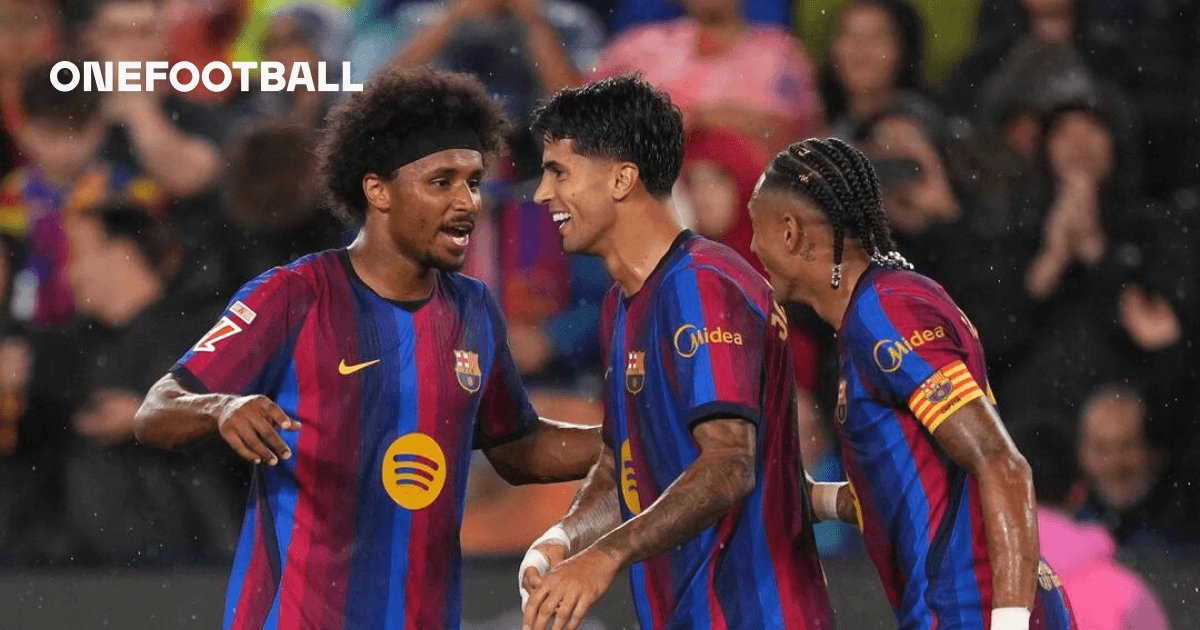
Raphinha’s Hat-Trick Powers Barcelona to 7-2 Victory Over Racing Santander
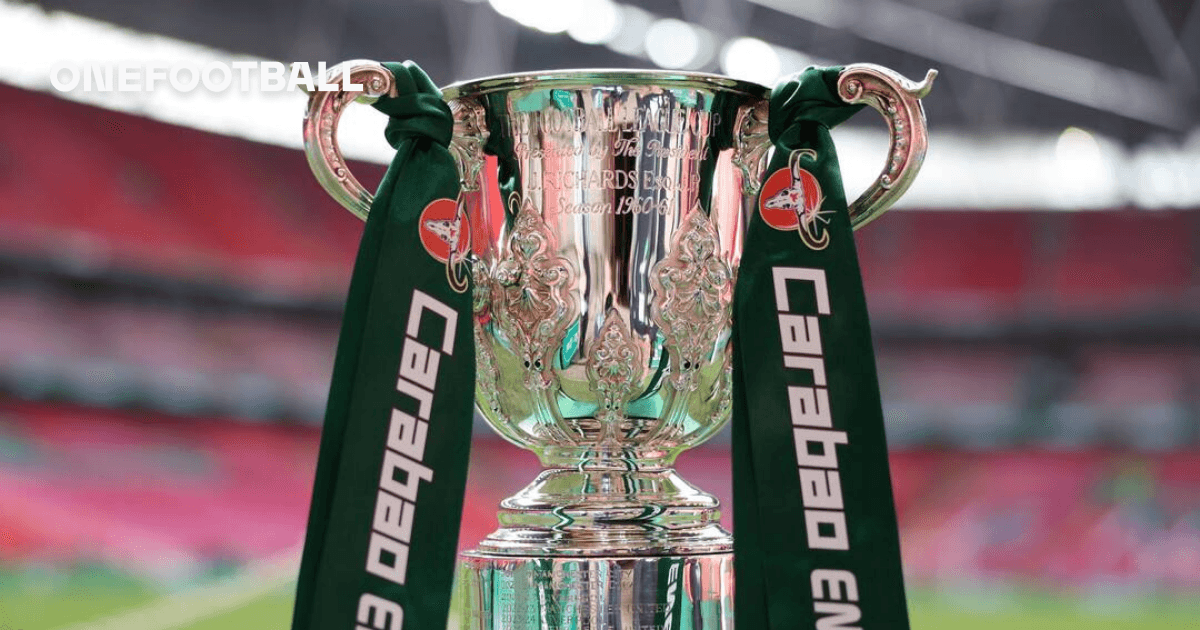
Carabao Cup Fourth Round Draw: Liverpool Set to Clash with Chelsea, Arsenal to Face Fleetwood Town
Key Football Matches to Watch in Azerbaijan This Autumn
Raphinha's Hat-Trick Drives Barcelona to 7-2 Triumph Over Racing Santander
Hansi Flick Leads Barcelona to Record-Breaking Seven Wins in a Row
Gavi Reflects on Injury Return as Barcelona Dominate Racing Santander 7-2