
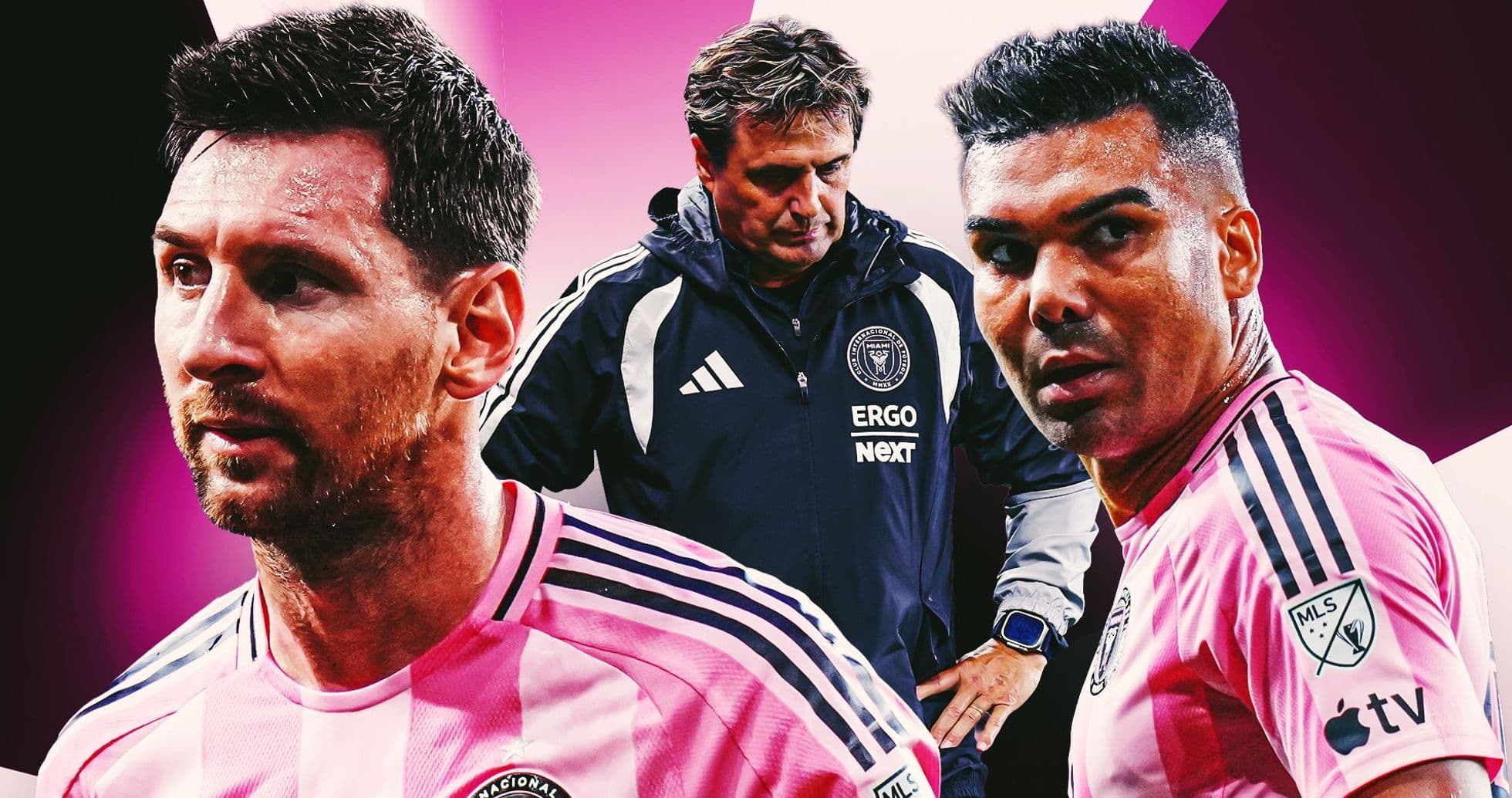
Inter Miami's Reliance on Messi Highlights Urgent Need for a Long-Term Plan
Lionel Messi has reshaped Inter Miami, turning them from one of MLS’s weakest teams into champions and elevating the club to international recognition. Supported by Jorge Mas’s financial backing and David Beckham’s influence, the team’s rise has been remarkable. Still, this success heavily depends on Messi’s presence.
At 39 years old, Messi is nearing the end of his career. His contract runs through 2028, but age and recent personal reflections on Instagram about his father’s passing raise questions about how much longer he’ll stay. Miami must start planning for life without him because their current model risks slipping back into mediocrity when Messi eventually leaves.
A Team Struggling Beyond Messi
Recent matches reveal Miami's true challenges. Their 4-1 defeat to Nashville exposed glaring weaknesses: slow midfield, poor defensive shape, and vulnerability on counterattacks. Players like Hany Mukhtar and Sam Surridge exploited those gaps, leaving Miami’s defense exposed. The team’s strategy seems dependent on Messi’s creativity, with supporting players unable to compensate when he’s contained.
Key figures such as Luis Suarez and Casemiro show signs of decline or inconsistency, while defensive options like Sergio Reguilón have not played regularly since 2022. These flaws aren’t easily fixed tactically, suggesting Miami remains an average playoff contender carried by one superstar.
Questionable Transfer Decisions
Miami’s recent signings hint that they haven’t adequately prepared for a future without Messi. Spending $15 million on German Berterame, a forward lacking standout qualities, raises doubts about transfer strategy. Benjamin Cremaschi’s departure amid dissatisfaction indicates missed opportunities to nurture young talent like him for a more balanced squad.
The roster has been built largely to satisfy Messi’s preferences. For example, Sergio Busquets and Jordi Alba joined in 2023 partly to entice Messi to Miami. Rodrigo De Paul’s move was influenced by his desire to play alongside Messi before the World Cup. Even Casemiro openly admitted his arrival was motivated by the chance to play with the greatest player.
"For me, without a doubt, I am coming only to play with the best player of all time," Casemiro said. "I want to enjoy, I want to help him to keep winning because he is a winner."
What If Messi Leaves?
When Messi eventually departs, Miami faces a tough situation. They would be left with expensive designated players like De Paul and Berterame who may not fit a sustainable team model. De Paul’s contract extends through 2029 on high wages, and flexibility with his deal could be limited.
Miami needs a successor who can carry both the sporting and commercial weight Messi currently holds. Julian Alvarez fits that profile in theory, offering youth, talent, and marketability tied to Argentina. But acquiring him is unlikely given Atletico Madrid’s €75 million initial fee plus add-ons, and a rejected €150 million offer from Real Madrid. Miami would have to break MLS spending norms to sign him.
If Alvarez is out of reach, turning to American stars might be the fallback. Christian Pulisic and Weston McKennie stand out as recognizable names with some national appeal. Yet neither matches Messi’s global draw, meaning the club’s core identity would still need rebuilding.
Dependence Beyond Soccer
Messi’s role at Inter Miami goes beyond playing. His name attracts sponsorships, fills seats, and boosts worldwide attention. A stadium stand bears his name, and reportedly, his compensation package includes ownership shares. The club's entire project centers on him, leaving a gap that will be hard to fill.
Looking Ahead
Before Messi arrived, Miami was near the bottom of MLS standings, despite signing big names like Blaise Matuidi and Gonzalo Higuain. Attendance was low, and trophies were absent. Messi changed all that, but recent results like the heavy loss to Nashville suggest replicating that success is challenging without him.
The league’s upcoming switch to a Fall-Spring calendar in 2027-28 and possible salary cap changes could allow Miami to rethink its approach. For now, they have about one full year and part of another season to make the most of Messi’s presence. After that, the club faces uncertainty unless it acts soon.
Watching Messi leave the pitch after frustrating losses highlights Miami’s precarious position. Without a clear succession plan, the club risks falling back into the shadows once their star moves on.
Related News
Raphinha’s Hat-Trick Powers Barcelona to 7-2 Victory Over Racing Santander
Carabao Cup Fourth Round Draw: Liverpool Set to Clash with Chelsea, Arsenal to Face Fleetwood Town
Key Football Matches to Watch in Azerbaijan This Autumn
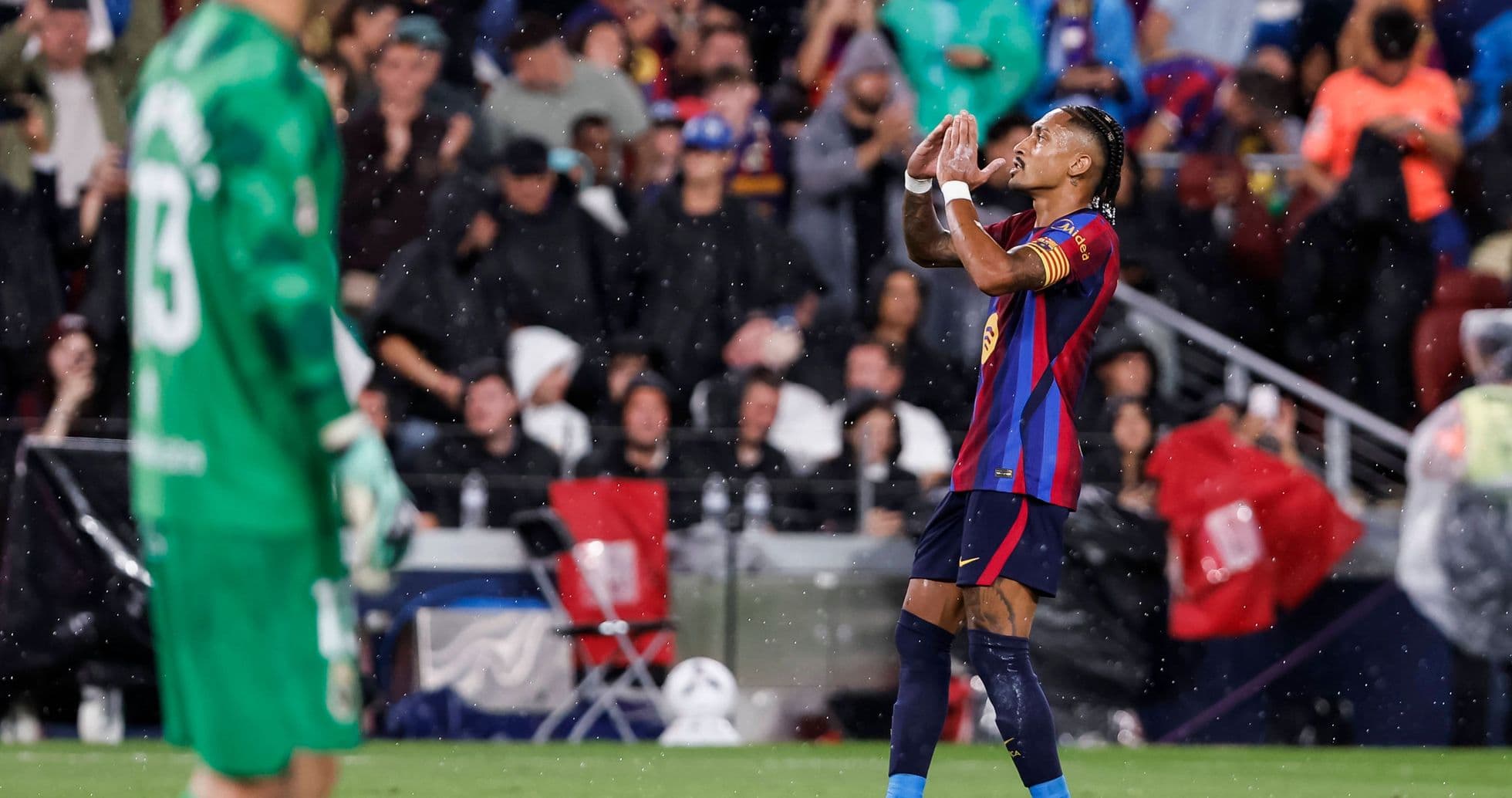
Raphinha's Hat-Trick Drives Barcelona to 7-2 Triumph Over Racing Santander
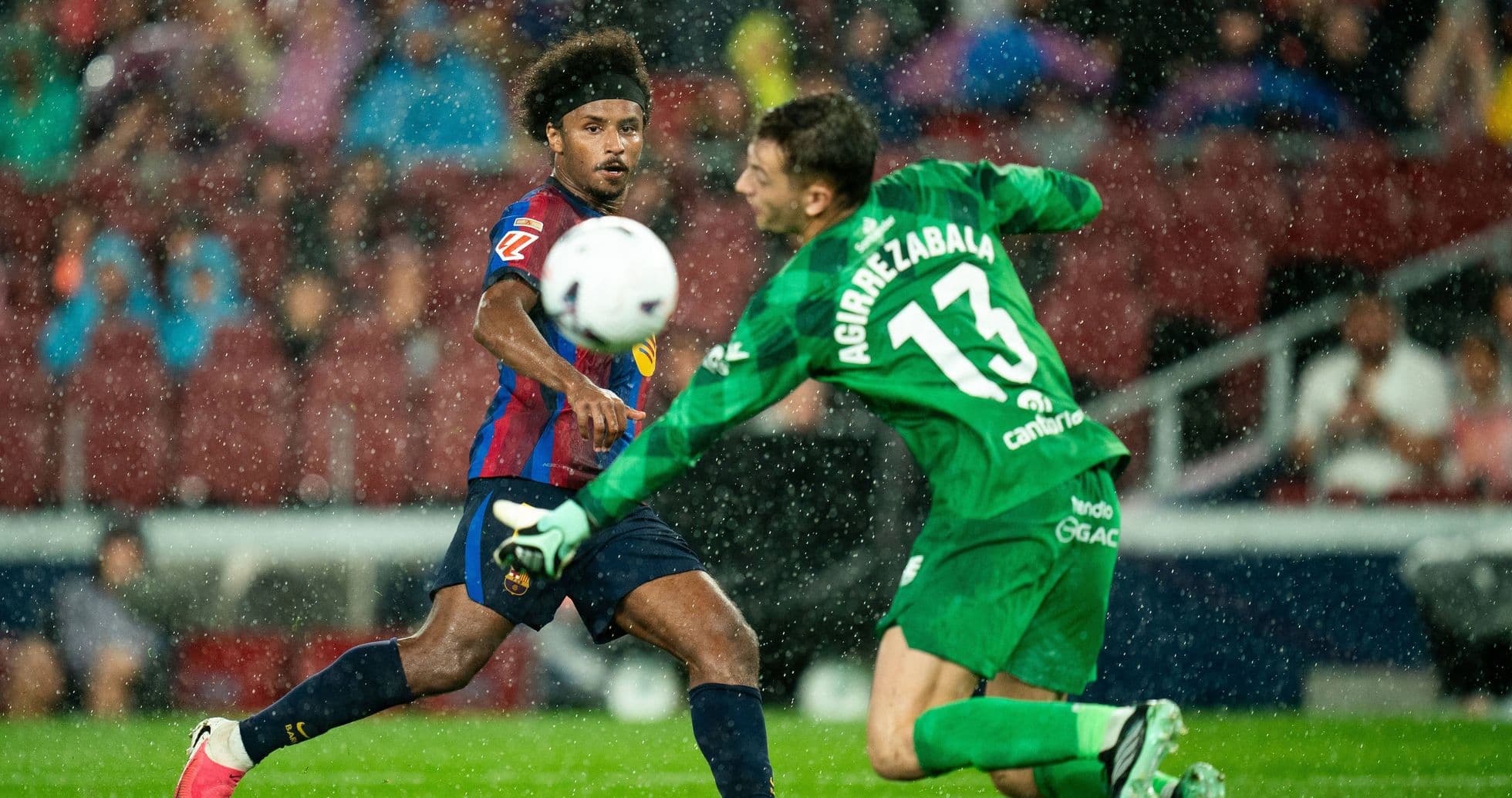
Hansi Flick Leads Barcelona to Record-Breaking Seven Wins in a Row
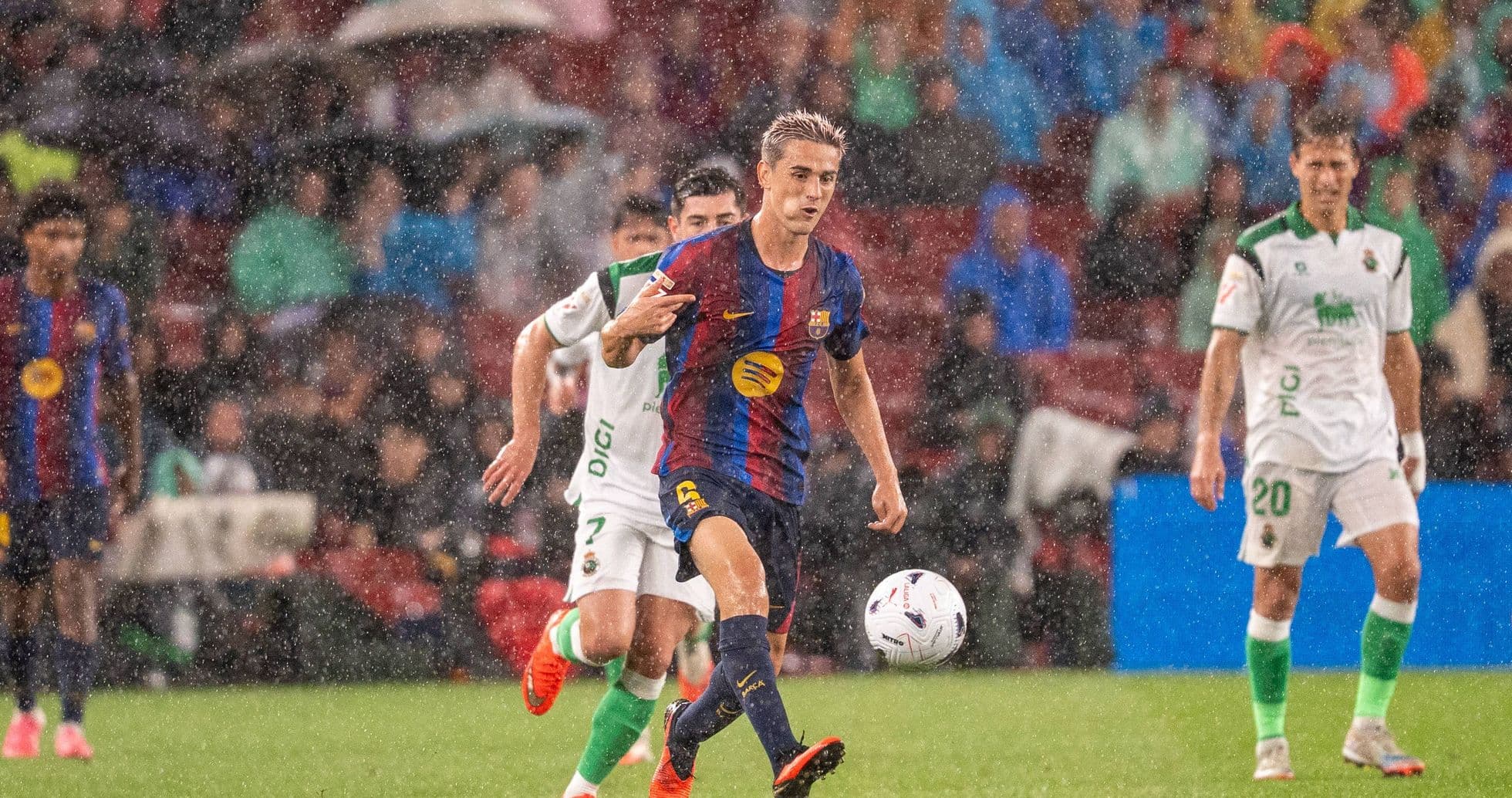
Gavi Reflects on Injury Return as Barcelona Dominate Racing Santander 7-2