
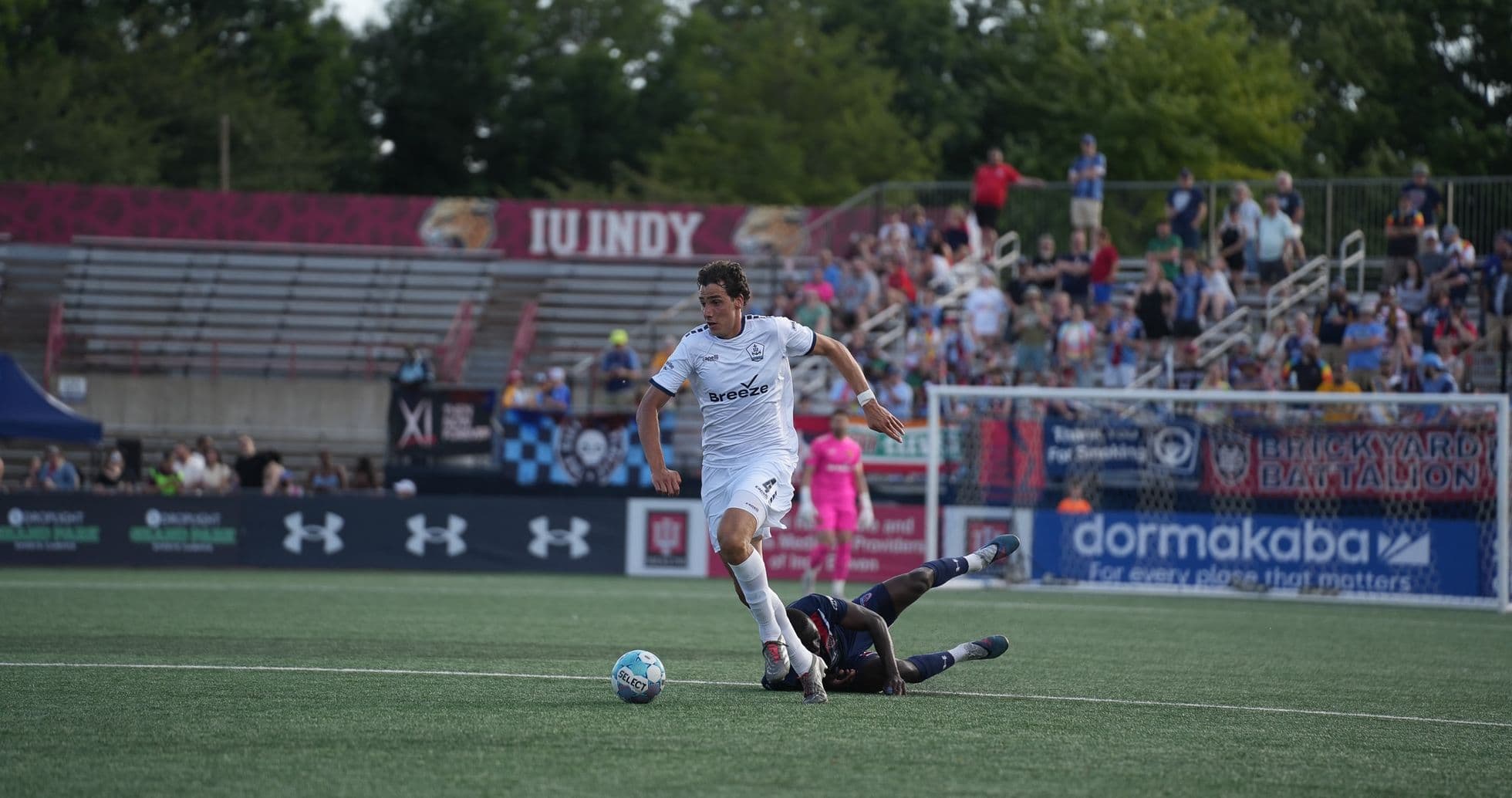
Indy Eleven Secure 1–0 Victory Against Rhode Island in USL Championship Showdown
Under the lights at Michael A. Carroll Stadium, this USL Championship group-stage tie between Indy Eleven and Rhode Island felt less like a routine league fixture and more like an early play-off rehearsal. The table framed the narrative before a ball was kicked: Indy Eleven heading into this game as a top-end force, ranked 2nd in USL 1 with 18 points and a goal difference of 5 (16 scored, 11 conceded overall), Rhode Island arriving as dangerous mid-table spoilers in 9th with 12 points and a goal difference of 3 (17 scored, 14 conceded overall).
Following this result, a 1–0 home win, the story is of a side whose seasonal DNA at home has hardened into something close to fortress football. Indy had already gone six home matches without defeat heading into this game, winning five and drawing one, scoring 12 and conceding only 5 at home. That home average of 2.0 goals for and 0.8 against was the backdrop to Rhode Island’s more volatile away profile: four matches on their travels, one win and three defeats, scoring 6 and conceding 8, an away average of 1.5 goals for but 2.0 against. The numbers suggested an open contest; the reality was a tight, controlled home performance that underlined why Indy’s promotion credentials are being taken seriously.
I. The Big Picture – How the Elevens Bent the Game to Their Shape
Sean McAuley’s lineup told its own story. With E. Dick in goal, a defensive spine of L. Neidlinger, M. Rasheed and P. Craig, and a midfield platform built around C. Lindley and N. Okello, Indy were set up less like a free-flowing home side and more like a team intent on managing territory and tempo. A. Quinn and B. Rendon provided connective tissue between lines, while J. O’Brien and J. Blake worked as hybrid midfield-forwards around central striker E. Kizza.
Across from them, Khano Smith’s Rhode Island leaned into a more expansive identity that has yielded both goals and chaos this season. Koke Vegas anchored a back line of N. Scardina, K. Yao, G. Stoneman and A. Sanchez, with C. Holstad and H. Bacharach Capdevila forming the central engine. Ahead of them, the creative band of J. Kwizera, A. Shapiro-Thompson and Leo Afonso supported J. Williams up top. On paper, this was a side built to stretch the pitch and test Indy’s lines with movement and combinations between the thirds.
Yet Indy’s seasonal trends suggested this would never become a shootout. Overall, they average 1.6 goals for and 1.1 against per match, a profile of controlled aggression rather than chaos. Rhode Island, by contrast, live closer to the edge: 1.7 goals for and 1.4 against overall. The 1–0 scoreline ultimately reflected Indy’s preference, not Rhode Island’s.
II. Tactical Voids – Discipline, Margins and the Hidden Story
With no recorded absences in the data, both coaches effectively had their core groups available. That meant the tactical voids were less about missing personnel and more about how each side would navigate disciplinary risk.
Indy’s yellow-card timing this season is revealing. Heading into this game, 31.25% of their cautions came between 31–45 minutes, with another 25.00% between 76–90 and 18.75% from 61–75. In other words, they are most combustible just before the break and in the closing stretch. Rhode Island, meanwhile, have their own late-game edge: 34.78% of their yellows arrive between 76–90, and every red card they have seen this season has come in that same 76–90 window (100.00% of their reds).
This disciplinary profile mattered here. Indy’s game model, especially at home, is about building a platform and then protecting it without tipping into chaos. Their single clean sheet heading into this game came at home, and they had never failed to score at Michael A. Carroll Stadium this season. Rhode Island, on the other hand, had yet to keep a clean sheet away and had conceded heavily in some of their defeats on their travels. The longer the match stayed tight, the more that late-game card history loomed: Rhode Island’s tendency to pick up late cautions and reds versus an Indy side that often tightens the screws in the final quarter-hour.
III. Key Matchups – Hunter vs Shield, Engine vs Engine
Hunter vs Shield
Without individual scoring data, the “hunter” here is Indy’s collective home attack: 12 home goals from six matches, powered by a rotating cast of forward and midfield threats. E. Kizza, as the nominal No. 9, was the reference point, with J. Blake and B. Rendon often acting as second-wave runners and A. Quinn supplying the final pass.
Their target was a Rhode Island away defence conceding 8 in 4 on their travels. K. Yao and G. Stoneman, flanked by N. Scardina and A. Sanchez, were tasked with compressing space between lines while still stepping out to deal with Lindley and Okello. Koke Vegas, behind them, had to manage both the penalty area and the spaces in behind as Indy tried to drag the back four around with movement from Blake and O’Brien.
The 1–0 outcome suggests Indy’s “hunter” did not overwhelm Rhode Island’s “shield,” but it did enough. Indy’s season-long ability to find goals at home without ever failing to score was extended, while Rhode Island’s away fragility – conceding an average of 2.0 goals per away match heading into this fixture – was improved on but not solved. They bent but did not break repeatedly; once was enough to lose.
The Engine Room
If the front lines decided the score, the midfield decided the pattern. For Indy, Lindley and Okello were the twin pistons, with Quinn and Rendon drifting into half-spaces to overload Rhode Island’s central duo of Holstad and Bacharach Capdevila. The visitors needed those two to break up play and trigger transitions into Kwizera, Shapiro-Thompson and Afonso.
Rhode Island’s overall profile – 17 goals for, 14 against – speaks of a team that can hurt you if given broken-field situations. Indy’s central block, then, had one overriding task: deny the chaos. By compressing the middle and forcing Rhode Island to build more slowly, they turned what could have been a track meet into a positional chess match. That suited a side whose home goals-against average is only 0.8 and whose only clean sheet of the season had come on this ground.
IV. Statistical Prognosis – What This Result Tells Us Going Forward
From an xG lens, even without explicit values, the underlying indicators are clear. Indy’s home attacking output (2.0 goals per match) against a Rhode Island away defence (2.0 conceded per match) points to a home side that typically generates strong chances in front of their own fans. Rhode Island’s 1.5 away goals for per match suggested they would craft opportunities of their own, but they ran into a unit that, at home, concedes little and increasingly knows how to close out tight games.
Following this result, Indy Eleven look like a side whose promotion push is built on home dominance and defensive solidity rather than sheer attacking volume. Their goal difference of 5 overall is modest for a team in 2nd, but the split matters: they are far more secure at home than on their travels, and nights like this reinforce that identity.
Rhode Island, meanwhile, remain an intriguing but incomplete project. Their overall goal difference of 3 and their ability to score both home and away show promise, yet the away defensive numbers and late-game disciplinary trends hint at a team still learning how to manage fine margins on the road. On another night, their front four might have found the space they craved; here, Indy’s structure and stadium turned that ambition into frustration.
In tactical terms, this 1–0 was less about a single decisive moment and more about a season-long pattern crystallising in 90 minutes: Indy Eleven at home are a controlled, disciplined machine, and Rhode Island, for all their attacking verve, are not yet built to dismantle that kind of structure on their travels.
Related News
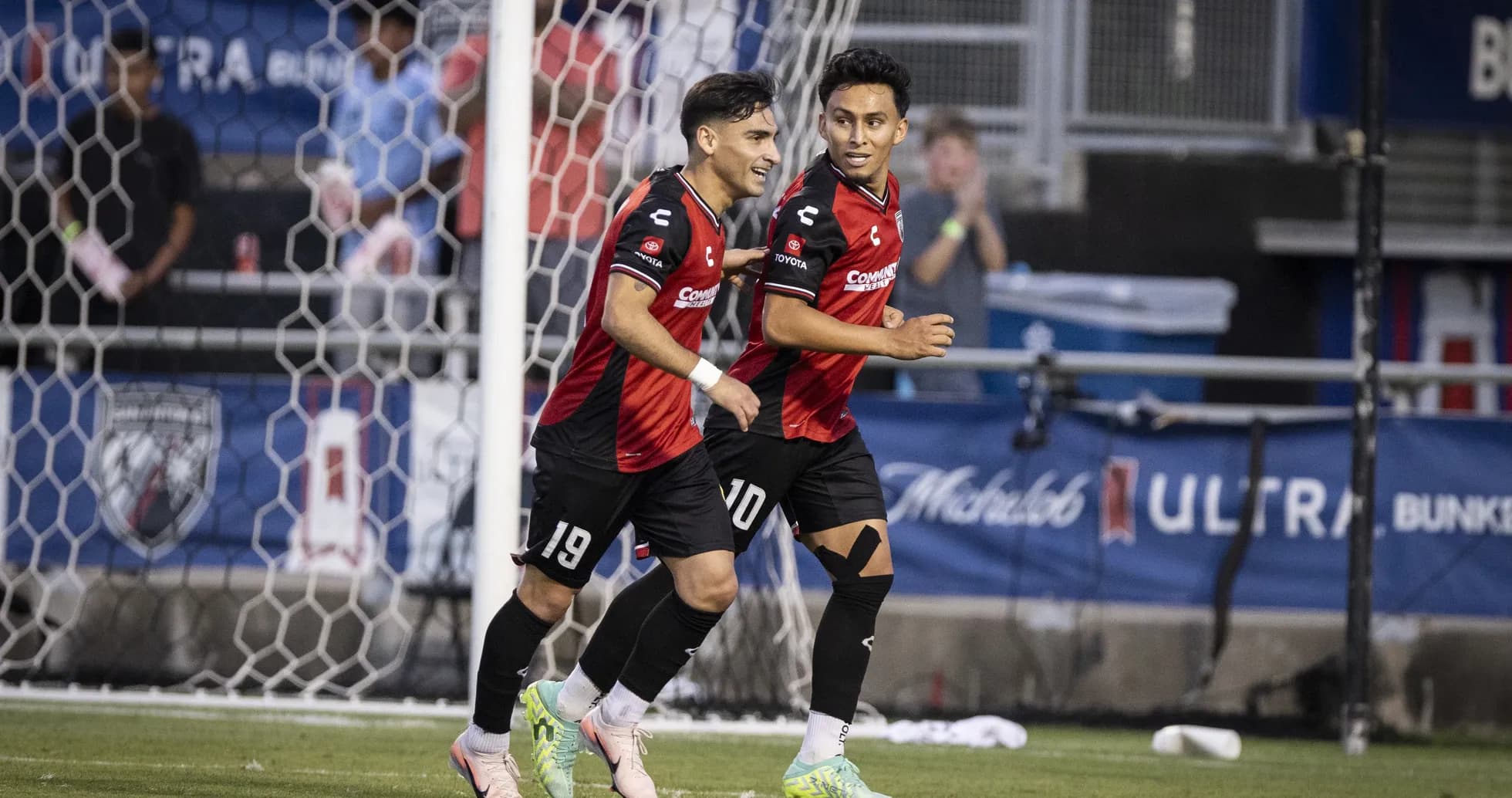
San Antonio Triumphs Over Colorado Springs in USL Championship Clash
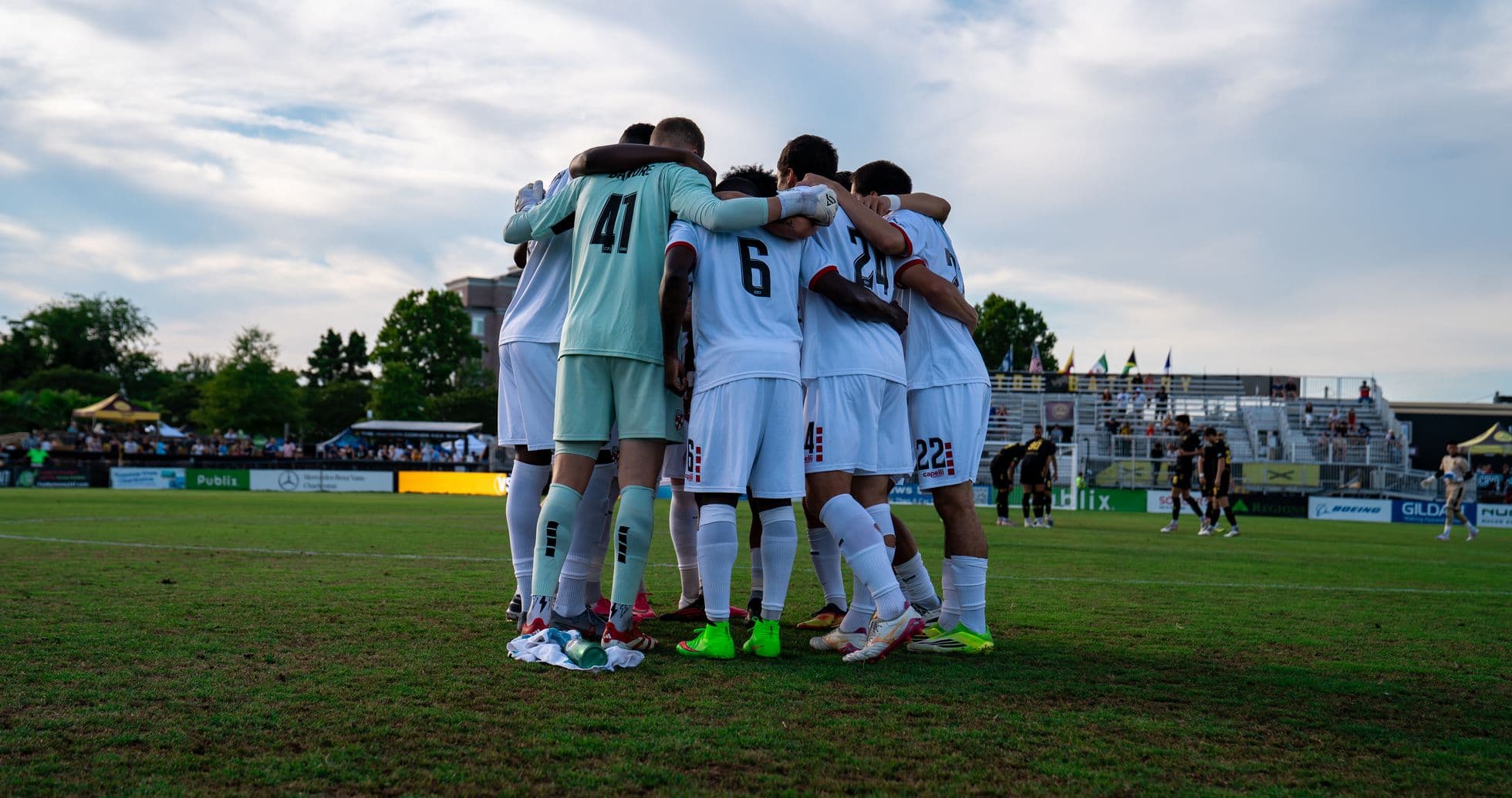
Charleston Battery's Dominance Over Loudoun United: A Tactical Analysis
Orange County SC Triumphs 4-2 Over Miami FC in USL Showdown
Colorado Springs vs San Antonio Match Preview
Colorado Springs vs San Antonio: USL Championship Clash Preview
Miami FC vs Orange County SC Match Preview