
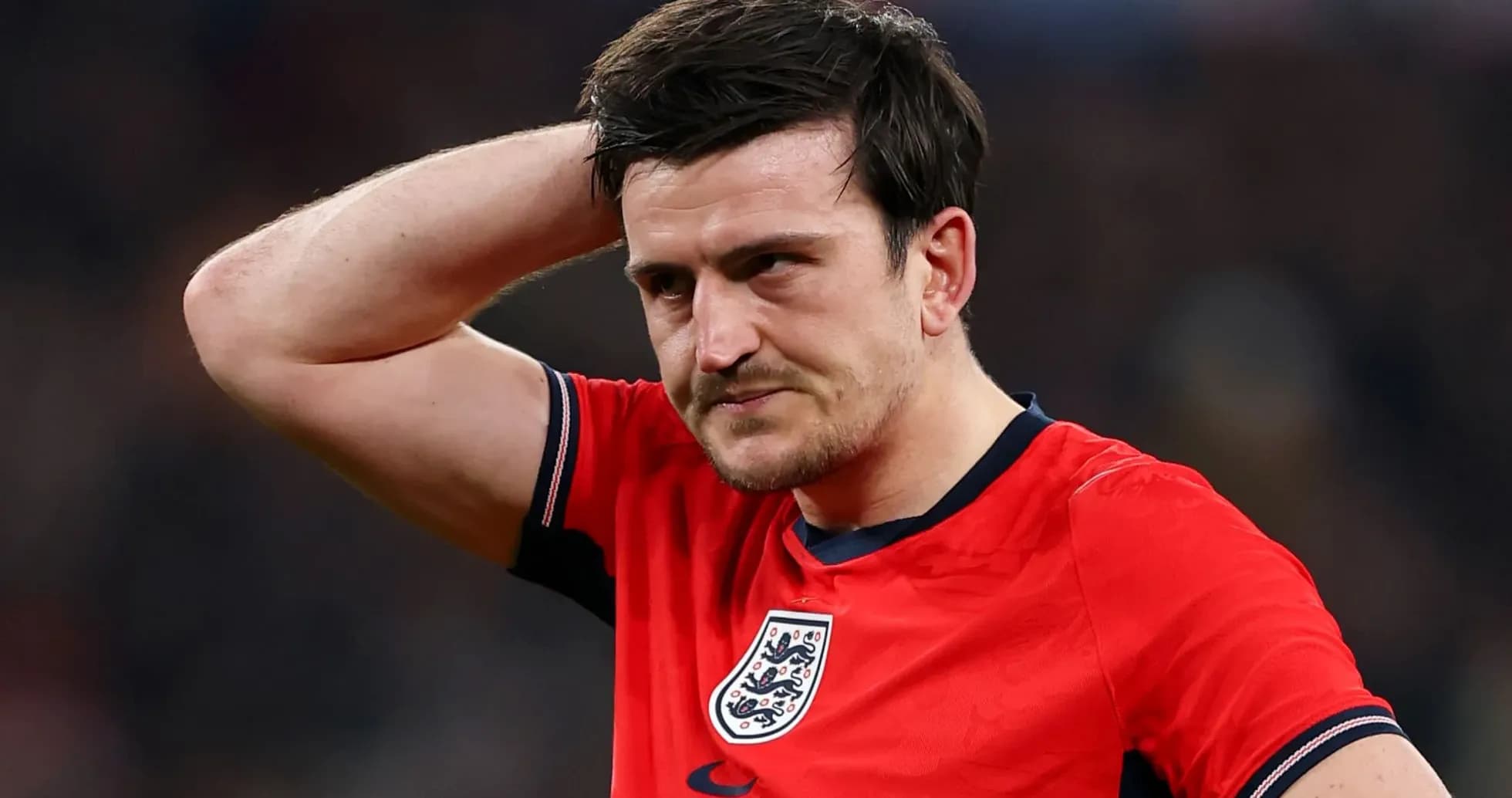
Harry Maguire's Omission from England Squad Raises Questions
Harry Maguire has grown used to scrutiny. He has not grown used to being an afterthought.
After dragging his club form back into shape at the sharp end of the 2025-26 Premier League season, helping Manchester United to third place and a return to the Champions League, the 33-year-old looked to have forced his way back into the international conversation. Sixty-six caps, big-tournament pedigree, a reputation for standing tall when the pressure bites hardest – it all pointed towards one more major summer with England.
Thomas Tuchel thought differently.
The England manager chose a new hierarchy at centre-back for the World Cup in the United States, and Maguire found himself behind John Stones, Ezri Konsa, Marc Guehi, Dan Burn and Jarell Quansah. No grand summit, no long explanation. Just a modern dismissal, delivered via screen.
“He FaceTimes everyone. It’s quite an awkward call,” Maguire admitted on The Rest Is Football podcast, laying bare the cold reality of elite selection in a squad brimming with younger, more flexible options.
England win, questions remain
On paper, Tuchel’s first big defensive call worked. England opened their World Cup campaign with a 4-2 win over Croatia in Texas, Stones and Konsa handed the starting shirts at centre-back.
The scoreline flattered the back line more than the performance did.
Croatia exposed gaps in the first half, pulling at England’s shape, asking questions that will only grow louder as the tournament deepens and the opposition sharpens. The attacking talent bailed them out; the defensive doubts stayed put.
For former England full-back Danny Mills, speaking on behalf of betTOM, that was always the looming issue.
“I think going into the tournament, the defensive situation was always going to be the worry – especially as you go deep into the tournament and you come up against better teams, some very, very good teams, in the latter stages,” he told GOAL. “Trying to find that balance is never going to be easy, I think, with the squad that was picked.”
Mills had no problem with Stones. Quite the opposite.
“I've said from day one, if Stones is fit, he plays, because I think he's exceptional,” he said. The surprise, for him, lay in the partnership. “I was a little bit surprised by Stones and Konsa, that selection. But I would have played him alongside Marc Guehi. They've not just played together at Manchester City, they know each other from Manchester City as well. They've trained together every day, they have an understanding, they've built that up.”
That chemistry, in Mills’ eyes, is exactly what England will need when the margins tighten.
Full-back flair, defensive doubts
The concerns are not limited to the centre of defence. The full-back picture carries its own tension.
“Reece James, I think he's a fantastic full-back and a great footballer,” Mills said, before shifting his focus to the other flank. “Left-back, Nico O'Reilly has done great for Manchester City, but my concern is he's better attacking than he is defensively at times, and he goes wandering into those areas.”
O’Reilly’s energy and adventure have lit up Manchester City’s left side, but tournament football can be unforgiving when a full-back vacates his post too often. For Mills, that imbalance made Maguire’s omission all the more striking.
“So, yes, I was surprised by the omission of Harry Maguire,” he admitted.
This is the heart of the argument. Not that Maguire is flawless, not that he must start every game, but that in a squad light on proven, tournament-tested defensive voices, his profile still has real value.
A weapon on the bench, not in the squad
When Mills looks down the defensive list, he sees promise, not certainty.
“When I look at the squad in general, defensively, at what stage do some of those players start for England?” he asked. “I'm not sure some of them do, unless there's six or seven injuries.”
Maguire, by contrast, offers options.
“Whereas Harry Maguire, you can bring on, you can play him in a back three if you need to. You can use him as a weapon up front.”
Those late-game set-piece scrambles, those desperate final 10 minutes when a centre-back is thrown forward – Maguire has lived those moments. He has also anchored England deep into tournaments, absorbing pressure and leading a line under the most intense glare.
“So, yes, one or two defensive concerns still,” Mills concluded. “Fantastic second half, great performance in the second half, but I think there will be much stiffer challenges to come.”
The win over Croatia eased nerves. It did not close the debate.
Second chance, same answer
England’s defensive picture twisted again when Tino Livramento, the versatile Newcastle defender, was forced to withdraw from the squad. There, at least, seemed an obvious opening to correct what many saw as the original oversight.
Maguire’s name never came.
Instead, Tuchel turned to Chelsea’s Trevoh Chalobah, a player with just one senior cap. A surprise, on the surface. But for Mills, the logic lies in the groundwork laid weeks earlier.
Quizzed on whether Maguire might have harmed his chances with his candid reaction to the initial snub, Mills pointed instead to process and planning.
“I have to assume that when the squad was announced – three weeks ago, three-and-a-half, four weeks ago – Thomas Tuchel would have had to say to four or five players, ‘keep yourself fit and keep yourself ready, because you're on the standby list and if something happens, you may get a phone call’,” he said.
That standby group, quietly primed in the background, shapes what happens when injuries hit. It is a brutal ask: train alone, stay sharp, watch others fly to a World Cup while you grind in the shadows.
“That is hard because you're not involved in it and most of your other players and colleagues are either at a World Cup or they're off on holiday, enjoying themselves and doing what they need to do,” Mills explained. “But you've got to train alone, keep training – very, very hard to get to that stage and be ready just in case.”
The implication is clear. Chalobah was likely on that list. Maguire, once central to everything England did at major tournaments, was not.
“So I would assume that's the reason why there would be a list of maybe four or five that were told you have an opportunity if somebody gets injured and that's maybe why that call-up has come,” Mills said.
For now, Maguire watches from the outside, his late-season revival at Old Trafford not enough to shift Tuchel’s thinking. England march on with a fresh defensive order, their attacking firepower masking early cracks.
The real test will come when the games tighten, the stakes rise, and the back line is asked to stand firm without the man who once embodied England’s defiance on the biggest stage.
Related News
Raphinha’s Hat-Trick Powers Barcelona to 7-2 Victory Over Racing Santander
Carabao Cup Fourth Round Draw: Liverpool Set to Clash with Chelsea, Arsenal to Face Fleetwood Town
Key Football Matches to Watch in Azerbaijan This Autumn
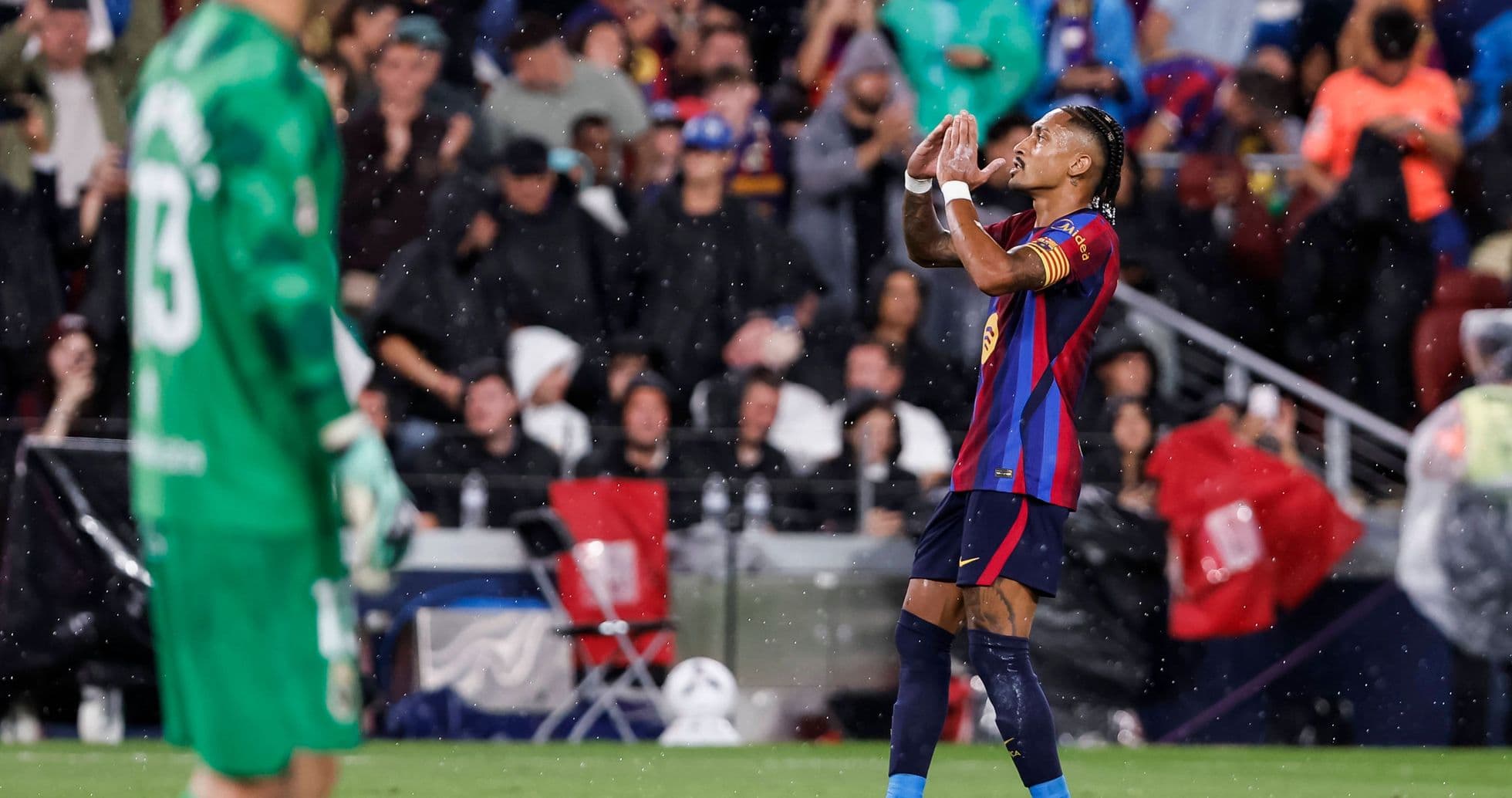
Raphinha's Hat-Trick Drives Barcelona to 7-2 Triumph Over Racing Santander
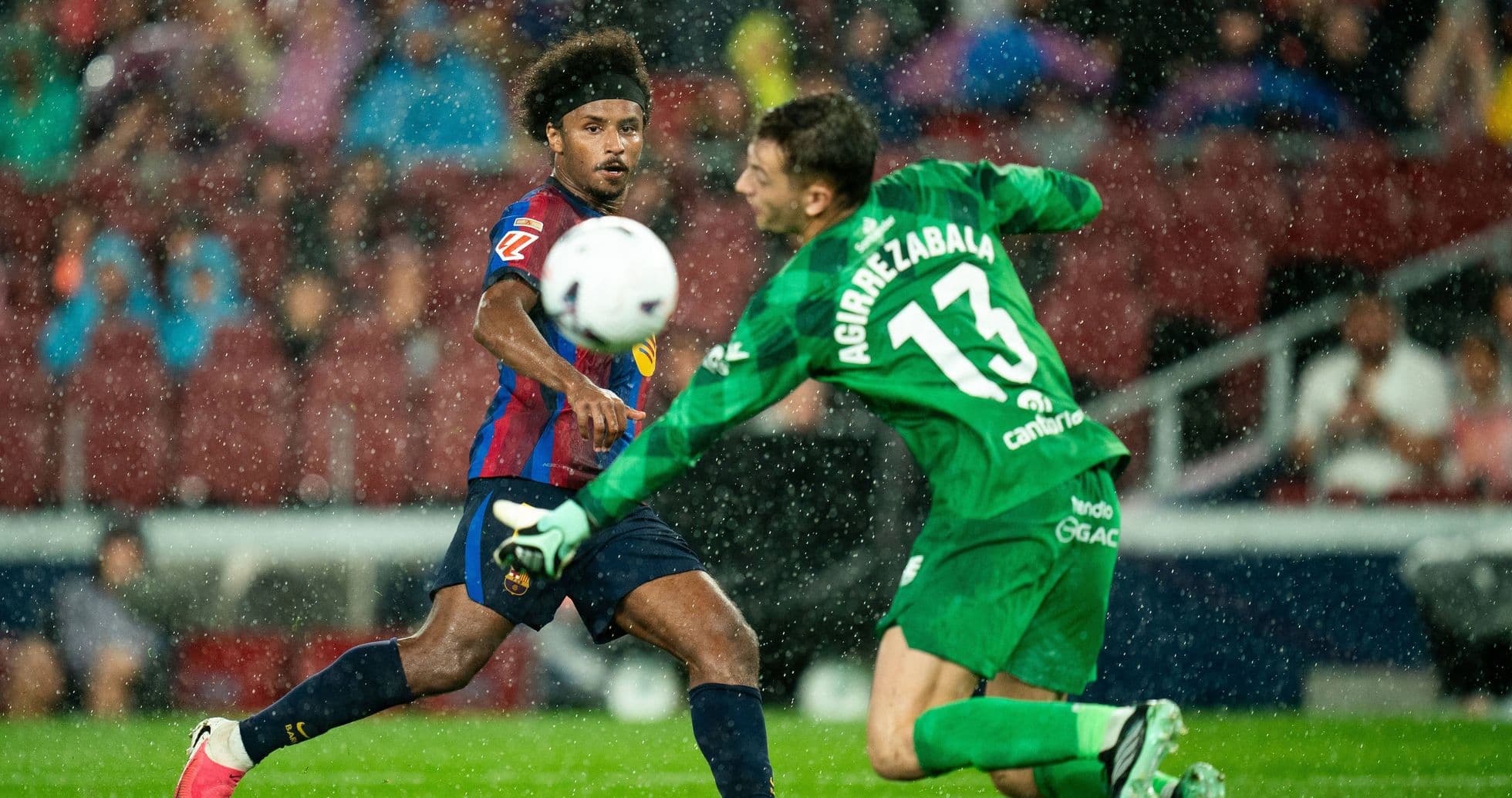
Hansi Flick Leads Barcelona to Record-Breaking Seven Wins in a Row
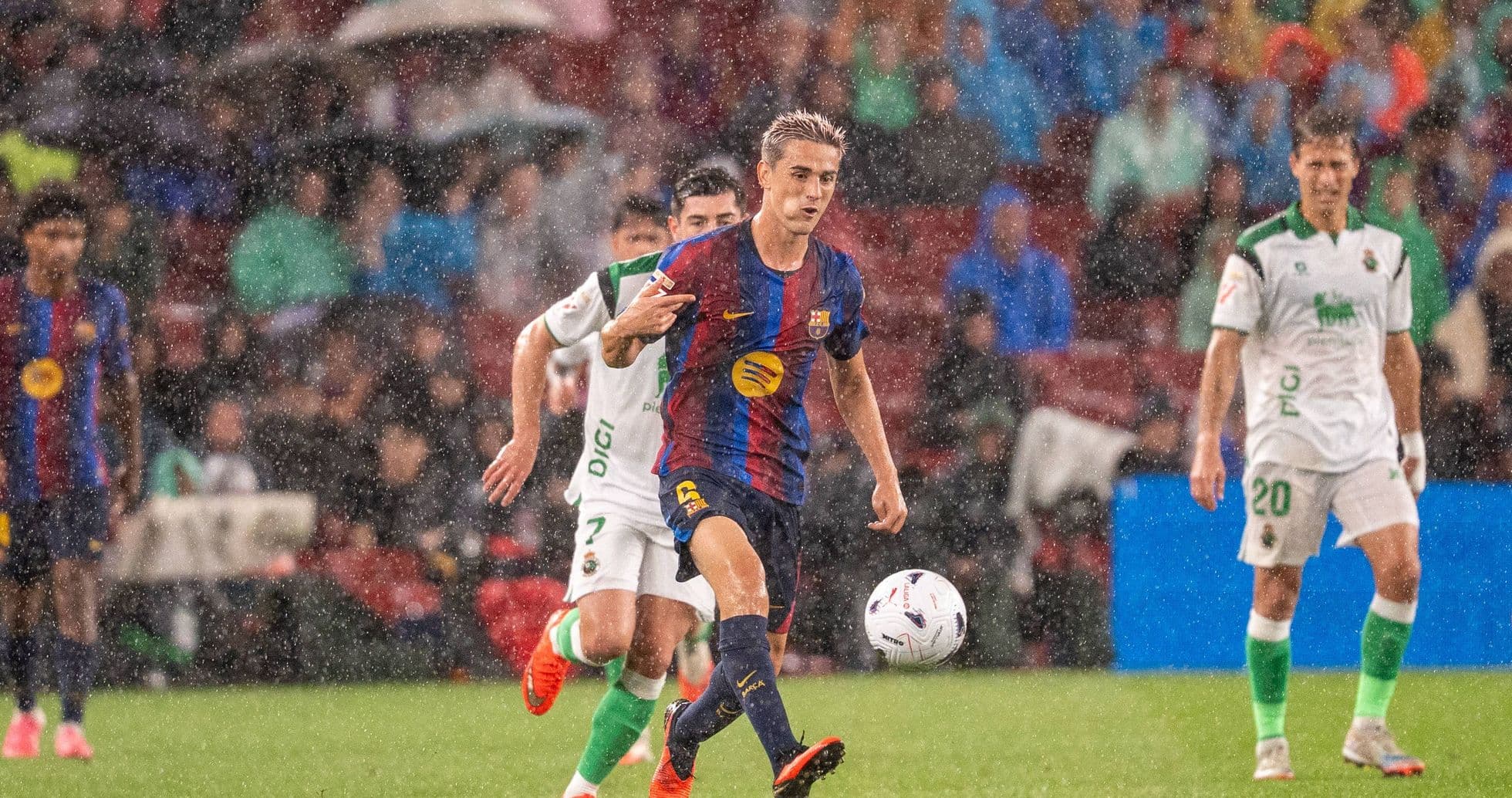
Gavi Reflects on Injury Return as Barcelona Dominate Racing Santander 7-2