
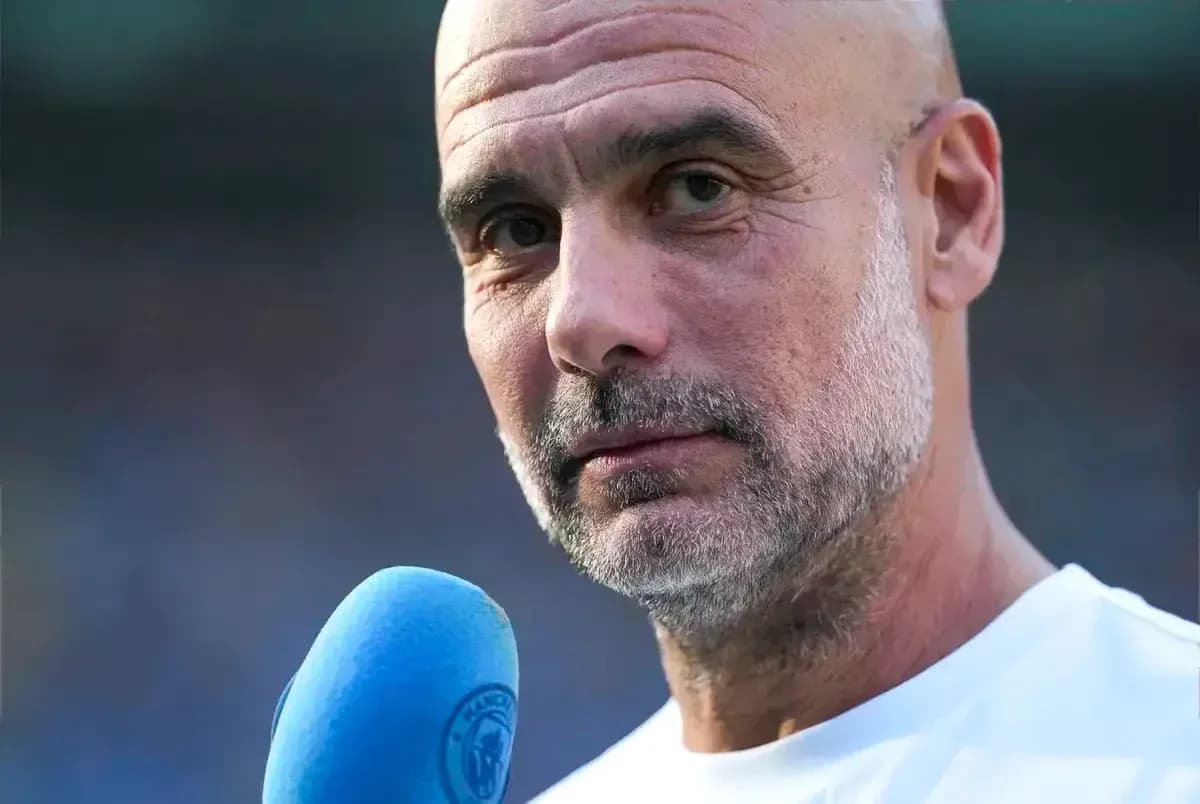
Guardiola's Warning to Man City: Squad-Building Challenges Ahead
Pep Guardiola has left Manchester City, but he hasn’t left the conversation. From a distance, the architect of the club’s greatest era has delivered a blunt message to the new regime: squad-building at the Etihad is far more fragile than it looks on a whiteboard.
In a new interview with OKX, Guardiola laid out the trap that awaits sporting director Hugo Viana and new head coach Enzo Maresca as they reshape City for the next cycle. It sounded less like nostalgia, more like a manual – with a few hazard signs scribbled in red.
The myth of the “young team for three or four years”
Guardiola knows the temptation. You look at a depth chart full of 22- and 23-year-olds, you talk about a “core for the next three or four seasons,” and you think the hard work is done.
He doesn’t buy it.
“I spoke many times with the Manchester City sporting director(s) (former) Txiki Begiristain and (current) Hugo Viana, and said, ‘Now we have a young team for the next three or four years!’” Guardiola recalled. “It’s not true. You don’t know why, but it doesn’t work.”
The problem, he says, is simple and brutal. Young players don’t wait.
“A lot of players, young players, don’t play and say, ‘I want to leave! I’m here in cold Manchester, not playing, I want to leave!’ And you have to replace those guys.”
There is no sentiment in that line. Just the reality of life at a superclub: if you can’t offer minutes, you’ll be forced into the market again, no matter how carefully you thought you’d planned the future.
A decade of dominance, and the scars that came with it
Guardiola’s words carry weight because of what he left behind. Ten years at the Etihad. Four consecutive Premier League titles. Three FA Cups. A first UEFA Champions League crown. An era so dominant it reshaped what success looks like in English football.
But buried inside those numbers were the tensions he’s now describing. Seasons where elite players rotated in and out of the XI. Young talents who saw only substitute cameos and Carabao Cup starts. Dressing rooms where competition was a strength on the pitch and a constant headache off it.
His admission that he wrestled with those issues himself is telling. It’s also timely. City’s current summer is already defined by players “understood to be pushing for moves” as they search for the one thing Guardiola could never guarantee all of them: regular football.
Recruitment as a collective responsibility
Guardiola didn’t single out Viana to pile pressure on the new sporting director. He did the opposite. He widened the frame.
“The big task is how the club, organisation, sporting director, manager, CEO, hierarchy recruit the right players you need – everyone makes mistakes, but make as few as possible. That’s the key point.”
That line underlines how he sees modern recruitment: not as the whim of one powerful executive, but as a shared duty. Sporting director, head coach, chief executive, ownership – all tied to the same decisions, all exposed when they get them wrong.
At City, that structure was built around Guardiola and Txiki Begiristain. Now it’s Maresca and Viana stepping into those roles, inheriting both the model and the expectations that come with it.
Maresca and Viana walk straight into Guardiola’s warning
The timing of Guardiola’s comments is no coincidence. Maresca is in his first pre-season as City manager. Viana is in the middle of one of the club’s most significant rebuilds in recent memory. The issues Guardiola describes aren’t theoretical for them – they’re on the table right now.
Several squad members face uncertain futures as Maresca runs the rule over every position ahead of the 2026-27 campaign. Some will stay and fight. Others will push for loans or permanent exits. The exact scenario Guardiola outlined – young players unwilling to sit in “cold Manchester” without a clear path to the XI – is already playing out.
For Viana, that means juggling competing priorities. Keeping enough depth to compete on all fronts. Protecting asset value. Deciding who goes on loan, who is sold, who gets a new contract. All while trying to refresh a team that has already reached the summit.
On the incoming side, Guardiola’s mantra – “make as few mistakes as possible” – hangs over every deal. The club’s record £116 million move for Elliot Anderson from Nottingham Forest is the clearest example. That transfer, long-tracked and heavily scrutinised internally, looks like the kind of calculated, high-conviction signing Guardiola is talking about, not a rushed response to a gap on the squad list.
The next chapter of a ruthless cycle
Guardiola’s warning strips away the romance from talk of “projects” and “windows”. At City’s level, squad-building is a constant, ruthless cycle. Young players arrive full of ambition. Some break through. Others stall, grow restless, and force the club back into the market again.
The challenge for Maresca and Viana is not to stop that cycle. They can’t. It’s to control it. To lose the right players at the right time. To back the ones who will define the next era. To ensure that when another talent decides “I want to leave”, the replacement is already identified, already understood, and – crucially – the right fit.
Guardiola has handed them the rule he lived by: everyone makes mistakes, just make fewer than the rest. City’s future now depends on how closely they can follow it.
Related News
Ilia Topuria Accuses Justin Gaethje After UFC Defeat

Tyson Fury vs Anthony Joshua Fight Date and Venue Confirmed
Switzerland Calls Up In-Form Sion Striker Winsley Boteli for Nations League
Bournemouth Secures Historic 2-1 Win Over Real Sociedad in Spain
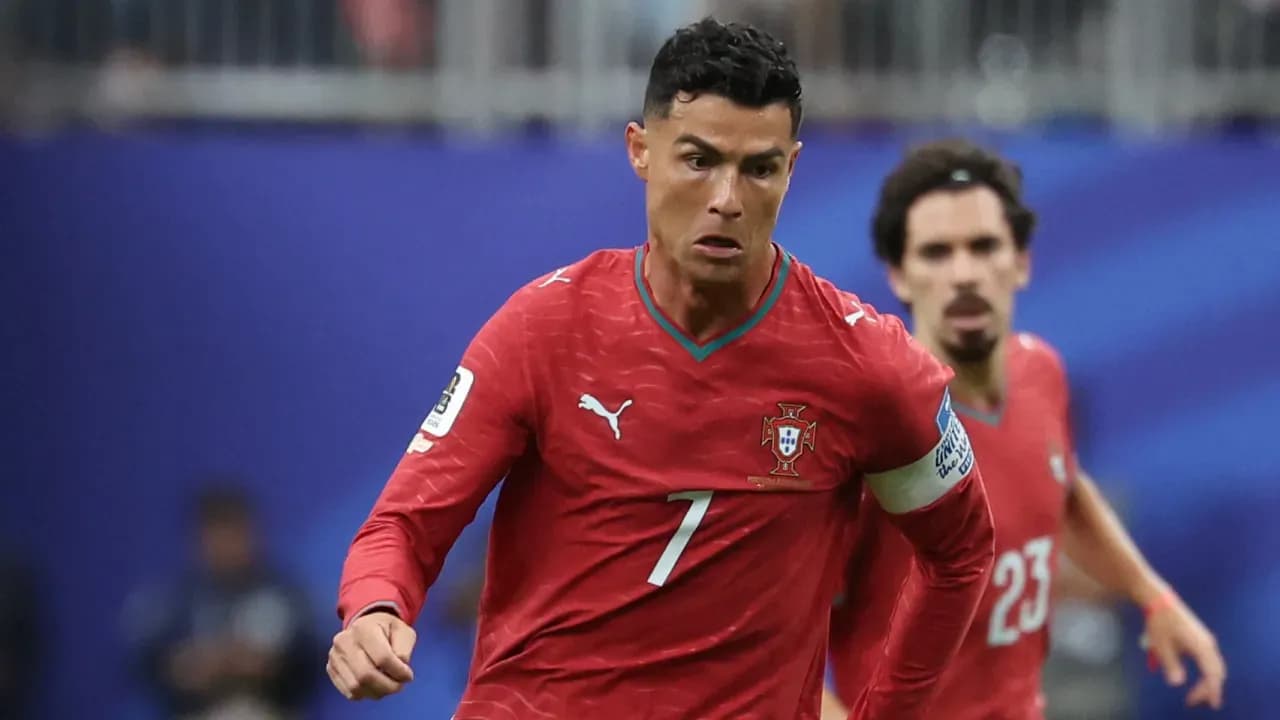
Portugal Announces Squad for 2026 UEFA Nations League; Cristiano Ronaldo Expected to Play

Raphinha Channels Ronaldo Nazario as Barcelona's Leading Striker After Position Change