
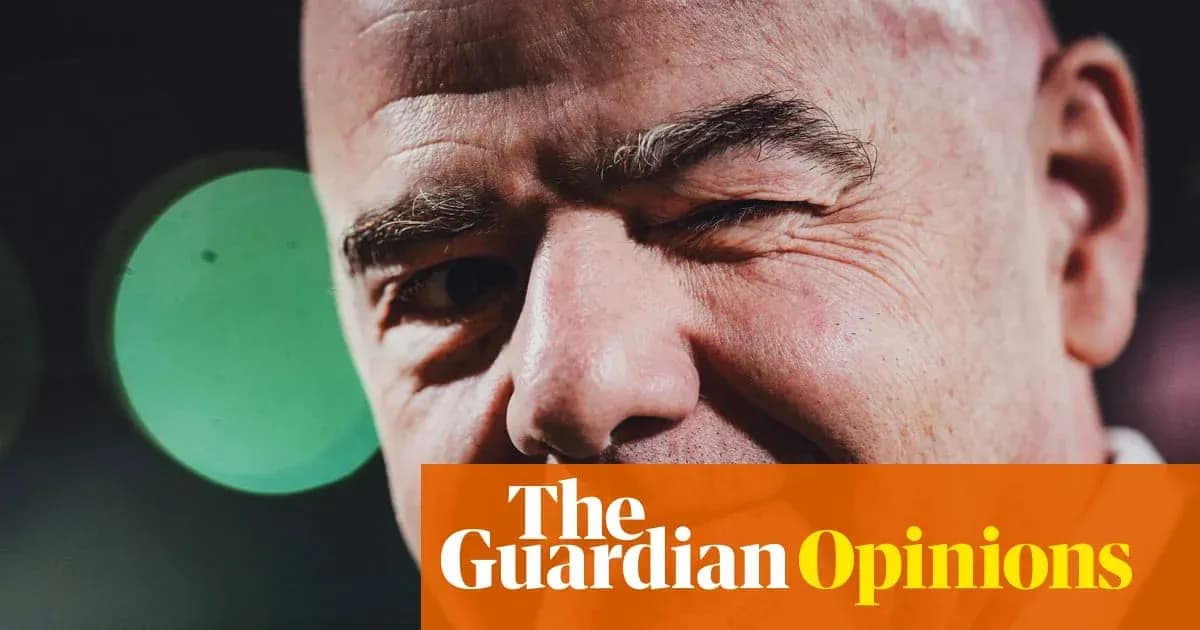
Gianni Infantino Must Resign for Football's Future
There is no polite way to dress this up. Gianni Infantino has to go – by resignation or by force of law. The Fifa president has burned through the last reserves of trust in football’s global governance, dragging the game’s ruling body to a point where its credibility barely exists.
His climbdown on Saturday morning only underlined the scale of the crisis. Cornered by a furious backlash, Infantino abandoned his push to carve up future World Cups for private investors under the banner of the Fifa Forward Enterprise (FFE). He spoke of resuming talks on football’s growth “in the spirit of shared interest in our game”. The words landed as nothing more than an attempt to cling on. Every extra day he spends in office deepens the stain on an institution whose reputation is already on the floor.
A presidency out of control
The FFE scheme was not some minor misstep. It was an extraordinary overreach: a unilateral move to hand vast influence over football’s future to venture capital, with minimal transparency and scant regard for Fifa’s own structures. For many leaders, that alone would be career-ending.
Infantino’s record stretches far beyond that single project. He has repeatedly treated Fifa’s statutes and governance regulations as optional, shredding the idea that the organisation polices itself. The slogan “football unites the world” has never felt more hollow.
Article 10.3 of Fifa’s own regulations, the section that defines the president’s responsibilities, is damning when held against his conduct. The president must ensure Fifa’s “objectives, mission, strategic direction, policies and values are sustainably pursued, protected and implemented, and that a positive image of Fifa is fostered”. The role also demands “promoting friendly and peaceful relations within Fifa”.
Look around. Federations and senior officials have been distancing themselves from Infantino at speed. Relations are fractured, trust is shot, and the image of Fifa is toxic. None of that sits comfortably with the rulebook.
The regulations certainly do not endorse a president freelancing with private schemes – some aligned with the current US administration or its offshoots – pushed forward with little appetite for oversight, explanation or collective decision-making.
Flashpoints and fractures
Where did it all tip over? For many in the game, particularly in Europe, the Folarin Balogun saga pushed them to the brink. It landed on top of a pile of grievances already building for months.
There was the bewilderment and anger when Infantino handed a newly minted Fifa peace prize to Donald Trump in December. The process behind the award was barely explained, the claims about the US president’s “achievements” hotly disputed. It felt like another presidential vanity play, not a serious football initiative.
Stakeholders were then left seething by the introduction of “hydration breaks” at this summer’s World Cup, a fundamental tweak to the rhythm of matches pushed through with minimal consultation. The football itself became a laboratory for untested ideas.
The 2034 World Cup bidding process only deepened the sense of alarm. Fifa’s decision to fast‑track the race and effectively wave through Saudi Arabia’s candidature in December 2024 drew heavy criticism. The process looked hurried, opaque and predetermined.
And now, on top of that, come revelations that plans for a 64‑team World Cup are already being driven forward. Expansion, investment, more games, more content – always more. The direction of travel is clear; the guardrails are not.
When Uefa finally snapped on Saturday, its language cut through. In a blistering statement, European football’s governing body demanded an end to “secret schemes on fast track timescales, cooked up by faceless individuals and of dubious benefit to the game”. It was not just the FFE plan in the crosshairs, but an entire style of rule: centralised, secretive, dismissive of the wider football community.
Uefa leads the revolt
This time, the anger did not stop at strong words. Uefa moved from rhetoric to leverage. It pledged to boycott future Fifa tournaments if Infantino refused to drop his World Cup sell‑off plan. That was the moment the balance of power shifted.
The threat worked. The FFE project was pulled back. For Aleksander Ceferin, Uefa’s president, it was a defining victory – a rare instance of a confederation forcing Fifa’s hand in such direct fashion.
Yet the job is only half done. Infantino remains in office, and reports suggest he has already turned to a major consultancy to help soothe relations with federations, rebuild bridges and sell a fresh narrative. If he is allowed the time and space to offer new promises and patch together old alliances, the window for real change will close quickly.
Inside Uefa and across other confederations, there is a clear understanding: the pressure cannot ease. Senior figures are adamant that Infantino cannot survive this scandal. The next step, they believe, lies with the member associations.
The test for national FAs
Most national FAs had already pledged their support for Infantino’s re‑election next March. Those letters now look like a trap of their own making. Many associations would be deeply embarrassed if their public declarations of loyalty were widely circulated today.
The route back is obvious, if uncomfortable. Associations can recall those letters. The mechanism requires a formal request to Fifa, but if enough FAs act, it would amount to a de facto vote of no confidence in the president. The same system that was used to lock in his power can be used to challenge it.
This is the moment of responsibility. Member associations cannot shrink from confronting an existential threat to their sport. To stay silent now would be to echo Infantino’s failures, to be complicit in the erosion of football’s integrity. Backing away would leave the job unfinished and the damage entrenched.
Uefa has already signalled its intent to do more than simply say “no”. It has promised to design a new model for distributing Fifa’s wealth, tapping into the organisation’s multibillion cash reserves without “selling the family silver” to outside investors. Behind the scenes, it is working with other confederations to identify credible candidates who could stand against Infantino if he clings on until election time.
There is an opportunity here, buried inside the chaos: to reshape global football governance, to restore some measure of accountability and transparency. But that opportunity exists only if Infantino is removed from the controls and prevented from dictating the final outcome.
The alternative is bleakly familiar. Fifa – and, by extension, the game itself – will continue to lurch from one self‑inflicted disaster to the next, its public conversation dominated not by players, tactics or tournaments, but by one man, his ego and his appetite for ever‑bolder ventures.
How long will football tolerate that as the face of its future?
Related News
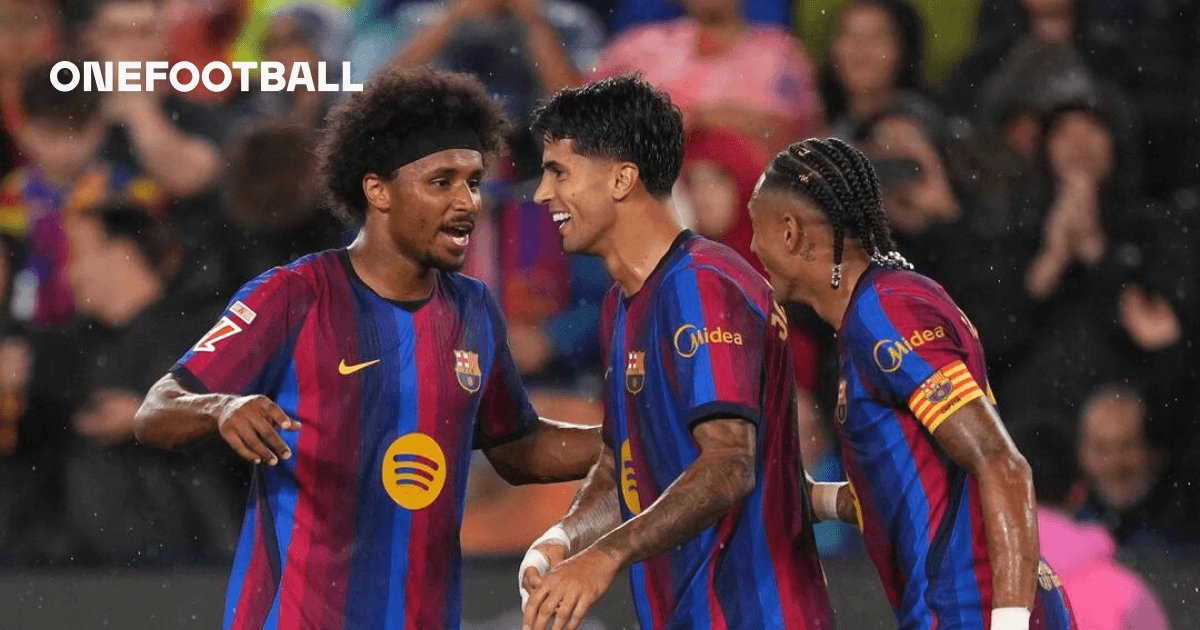
Raphinha’s Hat-Trick Powers Barcelona to 7-2 Victory Over Racing Santander
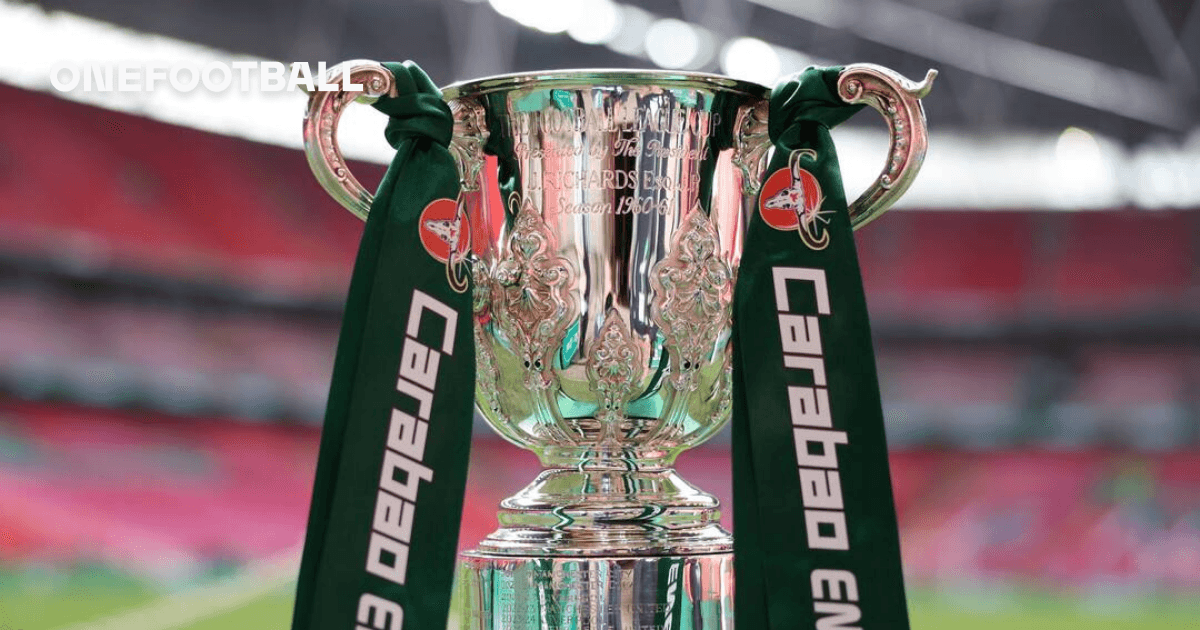
Carabao Cup Fourth Round Draw: Liverpool Set to Clash with Chelsea, Arsenal to Face Fleetwood Town
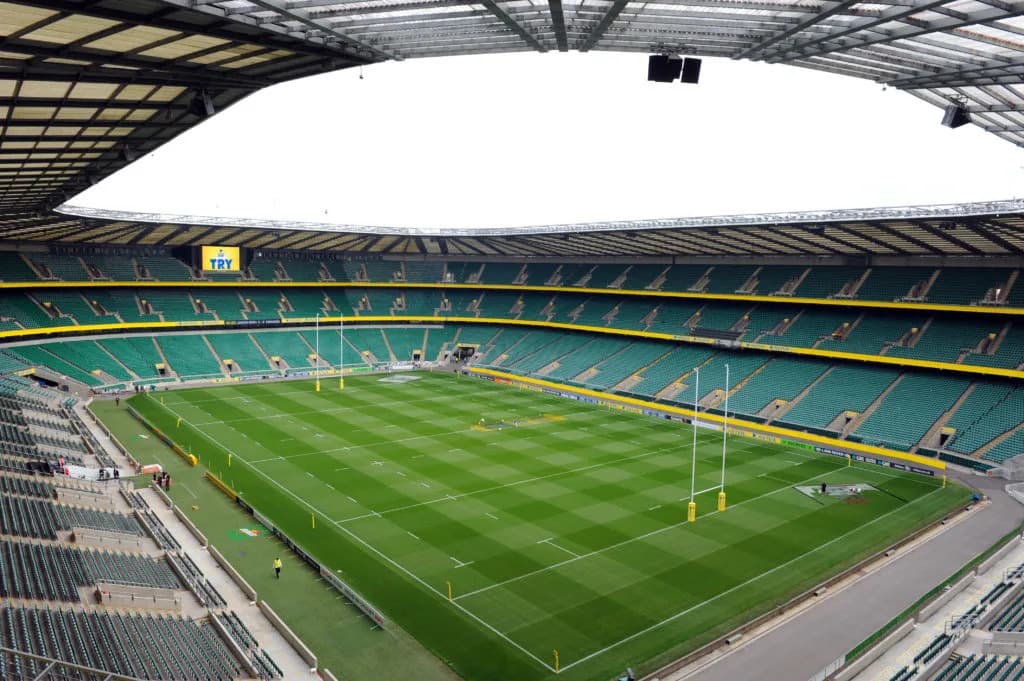
Key Football Matches to Watch in Azerbaijan This Autumn
Raphinha's Hat-Trick Drives Barcelona to 7-2 Triumph Over Racing Santander
Hansi Flick Leads Barcelona to Record-Breaking Seven Wins in a Row
Gavi Reflects on Injury Return as Barcelona Dominate Racing Santander 7-2