
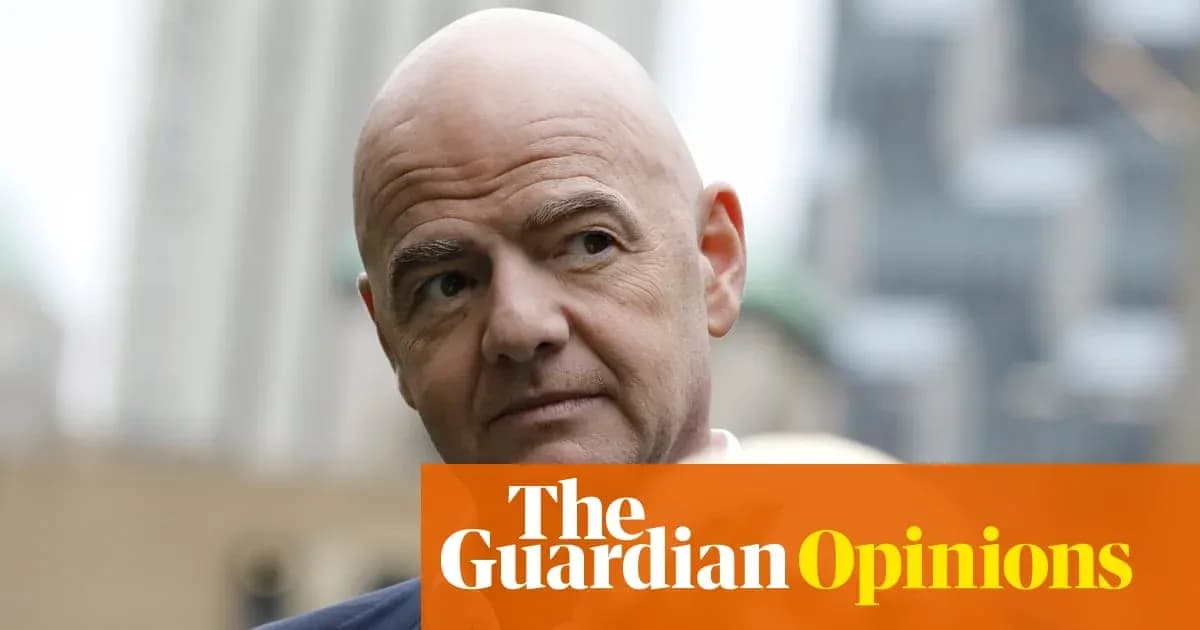
Gianni Infantino's Quest for Power in Football
Gianni Infantino once sold himself as the man who would clean up football’s most powerful institution. The technocrat who would turn the page on Sepp Blatter’s murky era, restore “the image of Fifa” and usher in an age of accountability and transparency. He even imagined a world where “everyone in the world will applaud us”.
What he really promised, though, was money. A “very significant increase” in funding to the 211 member associations. The applause, he knew, would come from the ballot box.
Back then, in 2016, Infantino was dismissed in some quarters as a grey Swiss functionary who had somehow slipped through the cracks to win a shock election. That label looks laughable now. Inside the game, the comparison that sticks is very different: “he thinks he’s running a nation state”.
This week’s revelation that Fifa plans, without consultation, to sell a slice of the World Cup’s commercial rights to outside investors only hardens that view. It is the sort of move you expect from a head of state looking to reshape a national asset, not from the president of a governing body that still claims NGO status.
The pattern, though, has been there from the start.
The relentless expansionist
Infantino’s presidency has been defined by one instinct: grow. Grow the tournaments, grow the calendar, grow the revenues, grow his reach.
Within months of taking office he floated expanding the World Cup. He got his way: from 2026 the tournament will swell to 48 teams. At the same time he pushed an enhanced Club World Cup, then a global Nations League backed by outside capital and a bespoke corporate vehicle. That last idea died under pressure, but only after months of aggressive lobbying.
He did not stop. In 2021, as the 12 Super League clubs plotted their breakaway, they reportedly believed Fifa would quietly bless the project. It collapsed under the weight of public and political fury, yet the assumption that Infantino might side with them spoke volumes about how he was perceived in those boardrooms.
By the end of that same year he was fronting another grenade: a biennial World Cup. Two global showpieces every four years, sold as a way to “develop football” but clearly designed to supercharge commercial income and centralise power in Zurich.
Then came the post-pandemic rush. Football staggered out of Covid-19 with gaping financial holes. Fifa stepped in with its Forward Programme, plugging gaps with development money while simultaneously accelerating its own expansionist agenda.
A 32-team Club World Cup was launched with talk of growing it even further. The 2030 World Cup was sliced across three continents and six host nations. The 2034 edition was handed to Saudi Arabia in a process so swift and unchallenged it barely qualified as a contest. There is already talk that the World Cup might one day stretch to 64 teams.
Even the small details carry the same imprint of control. Mandatory hydration breaks, introduced at the end of last year, were framed as a welfare measure, but they also hand broadcasters and sponsors more predictable windows. Every tweak has a commercial echo.
What drives the president?
Inside the corridors of power a question keeps surfacing: what is eating Infantino? What lies behind this constant appetite for more?
The first, and most obvious, answer is patronage. Expand competitions, raise more money, redistribute it, and your electorate stays loyal. It is old politics, dressed up in new jargon.
On those terms, he has delivered. Fifa’s revenues have effectively tripled since he took over. The cheques that land in national association accounts are bigger and more regular. He has also overseen changes to term-limit rules that, conveniently, allow him to stretch his time in office. His third full term is all but assured.
But here’s the puzzle: that third term will also be his last under the new rulebook. If patronage alone were the point, if it were simply about securing re-election, he has already done enough. So why keep pushing the boundaries?
The latest commercial plan offers a second theory. Reports in the Times have suggested that Infantino could slide into the role of CEO of the new World Cup rights venture once he leaves the presidency, stepping into a corporate salary bracket far beyond that of an NGO chief. Fifa has flatly denied any such discussions, and there is no confirmation of any arrangement. Even so, the idea of a lucrative landing spot after office has lodged itself in the minds of many who watch him closely.
Yet that explanation still feels too neat for the sheer scale of the upheaval.
Power, status and the high table
There is a third reading, more mundane on paper but increasingly persuasive: Gianni Infantino is simply enthralled by power and status.
The story is familiar. An Italian kid, working class, growing up in wealthy Switzerland, bullied for his ginger hair. The outsider looking in. Now he sits at the top table of the world’s biggest sport.
As president, he has shown a clear taste for the high life. Private jets became a talking point early in his reign. He surrounded his 2016 candidacy with a dozen former professionals, the so‑called Fifa Legends, drafted in to sprinkle stardust on his campaign.
Once elected, the celebrity focus shifted from ex-players to heads of state. His circle expanded to include Vladimir Putin, the emir of Qatar, the crown prince of Saudi Arabia and, ultimately, the president of the United States, Donald Trump. Infantino did not just meet them; he seemed to study them, adopt their mannerisms, borrow their posture as global operators.
The more he moved in those circles, the more he behaved like a man running a geopolitical project rather than a sports federation. The World Cup became not just a tournament but a bargaining chip, a diplomatic tool, a lever.
With that came a perception of enormous power. Inside Fifa, resistance has been minimal. Outside it, the game’s institutions have struggled to mount a coherent challenge. One sweeping change has followed another with barely a pause.
Yet political alliances of this kind are rarely permanent. They are deals, not friendships. They carry a cost.
A dangerous bargain
That cost may now be coming due. One senior football figure, speaking about the new commercial plan to sell a share of World Cup rights, insisted the idea was not really Infantino’s at all.
“Gianni has got in way over his head with Trump,” they said. “He [Trump] is now extracting his share of the World Cup rewards.”
The allegation is stark and unproven, but it captures the unease swirling around Zurich. A president who once promised to restore Fifa’s image now stands accused of turning the game’s crown jewel into a chip on someone else’s table.
Infantino wanted to be applauded. He wanted to be the man who made football richer, bigger, everywhere. He has certainly made it bigger. He has certainly made it richer.
The question now is simple, and far more uncomfortable: in chasing that vision, whose game is he really playing – and how much of football is he prepared to put on the line?
Related News
Ilia Topuria Accuses Justin Gaethje After UFC Defeat
Tyson Fury vs Anthony Joshua Fight Date and Venue Confirmed
Switzerland Calls Up In-Form Sion Striker Winsley Boteli for Nations League
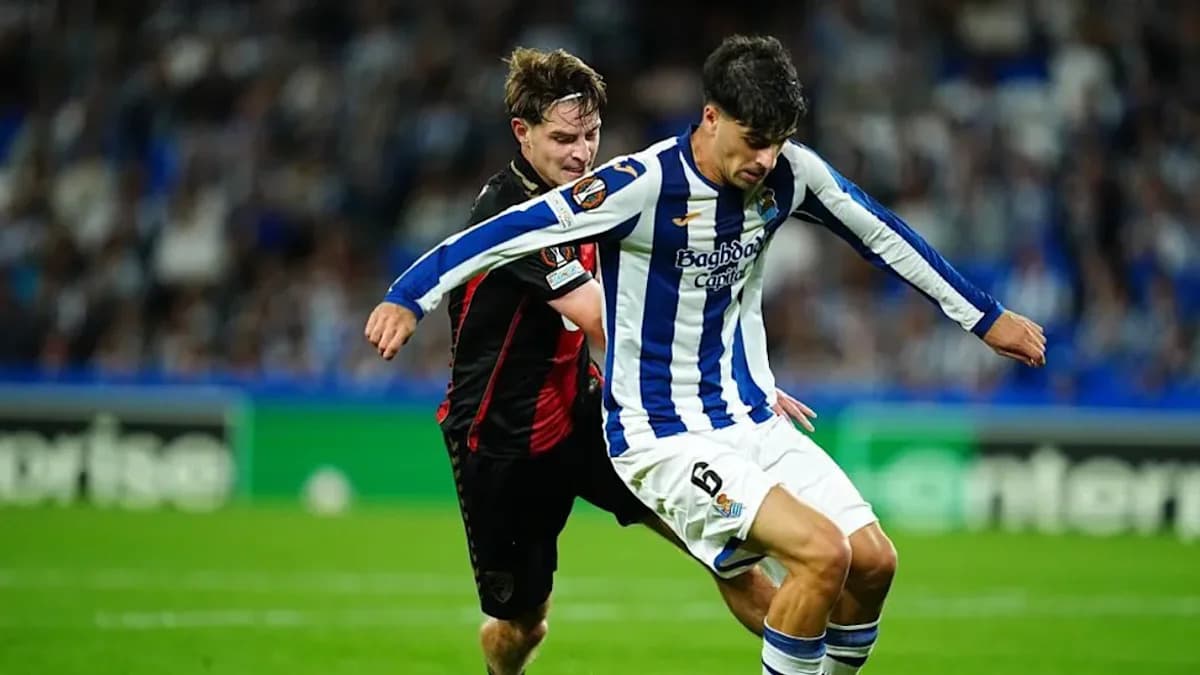
Bournemouth Secures Historic 2-1 Win Over Real Sociedad in Spain
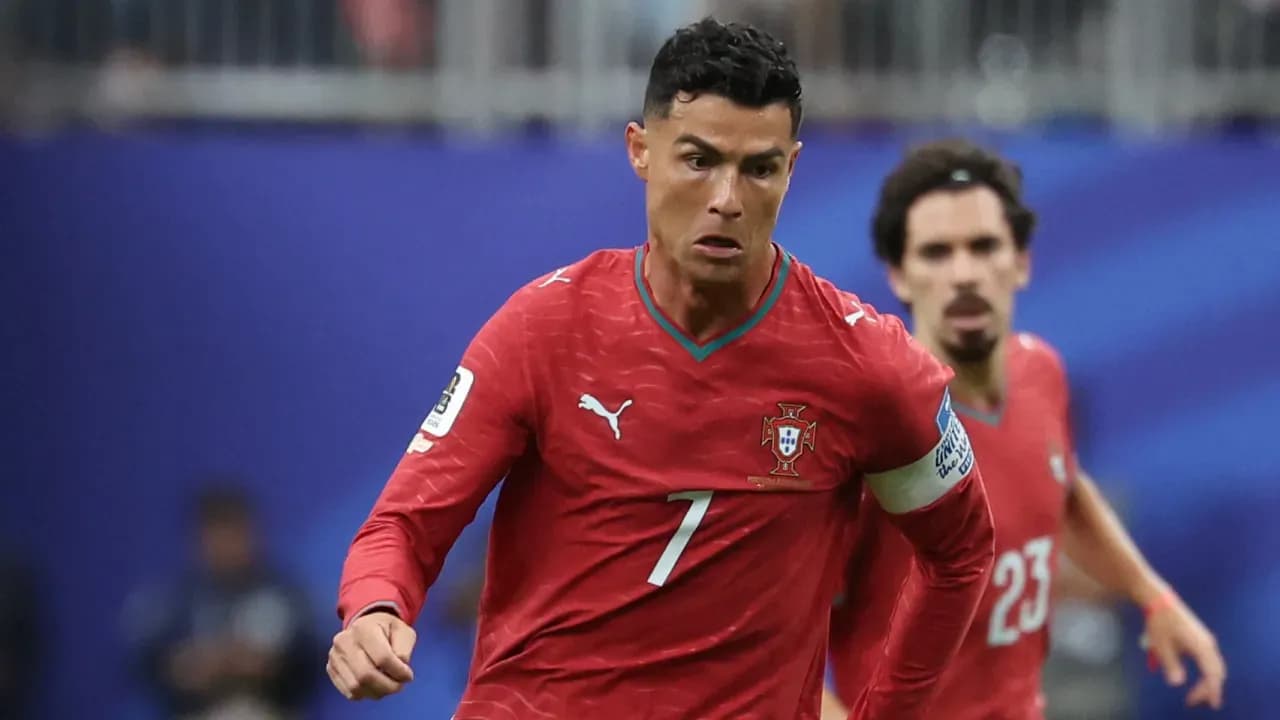
Portugal Announces Squad for 2026 UEFA Nations League; Cristiano Ronaldo Expected to Play
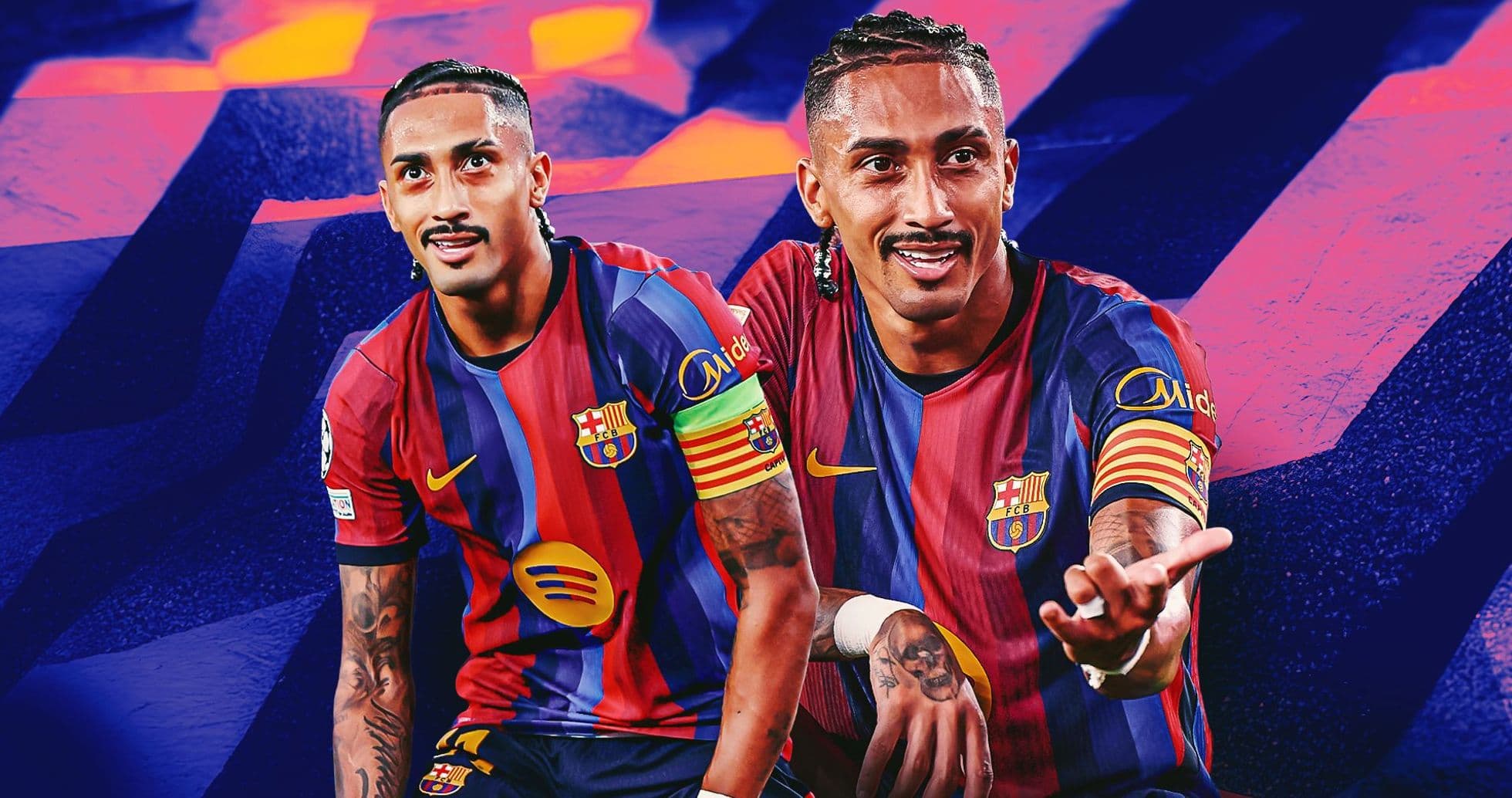
Raphinha Channels Ronaldo Nazario as Barcelona's Leading Striker After Position Change