
Ghana's World Cup Opener: Surviving Panama, Facing England's Challenge
Ghana escaped. That is the only honest way to frame their World Cup opener.
Ranked 73rd in the world and notionally underdogs to Panama by 39 places, the Black Stars still walked into the game as favourites. They left with a 1-0 win, bruised, relieved, and acutely aware that the same performance against England will not just be punished – it will be shredded.
Carlos Queiroz tweaked, shuffled and suffered his way through long spells of that match. His team laboured, his structure creaked, and several of his biggest names chose the wrong day to go missing. The result flatters them. The warning does not.
England are next. Tournament favourites. Group favourites. And for Ghana, a far sterner test than a Panama side that could not turn dominance into damage.
The two nations have only shared a pitch once at senior level – a 1-1 friendly at Wembley in March 2011. This time, the stakes are real. This time, there is no room for sentiment.
Queiroz has problems to solve. Some are tactical. Some are about personnel. One has a name.
The Jordan Ayew question
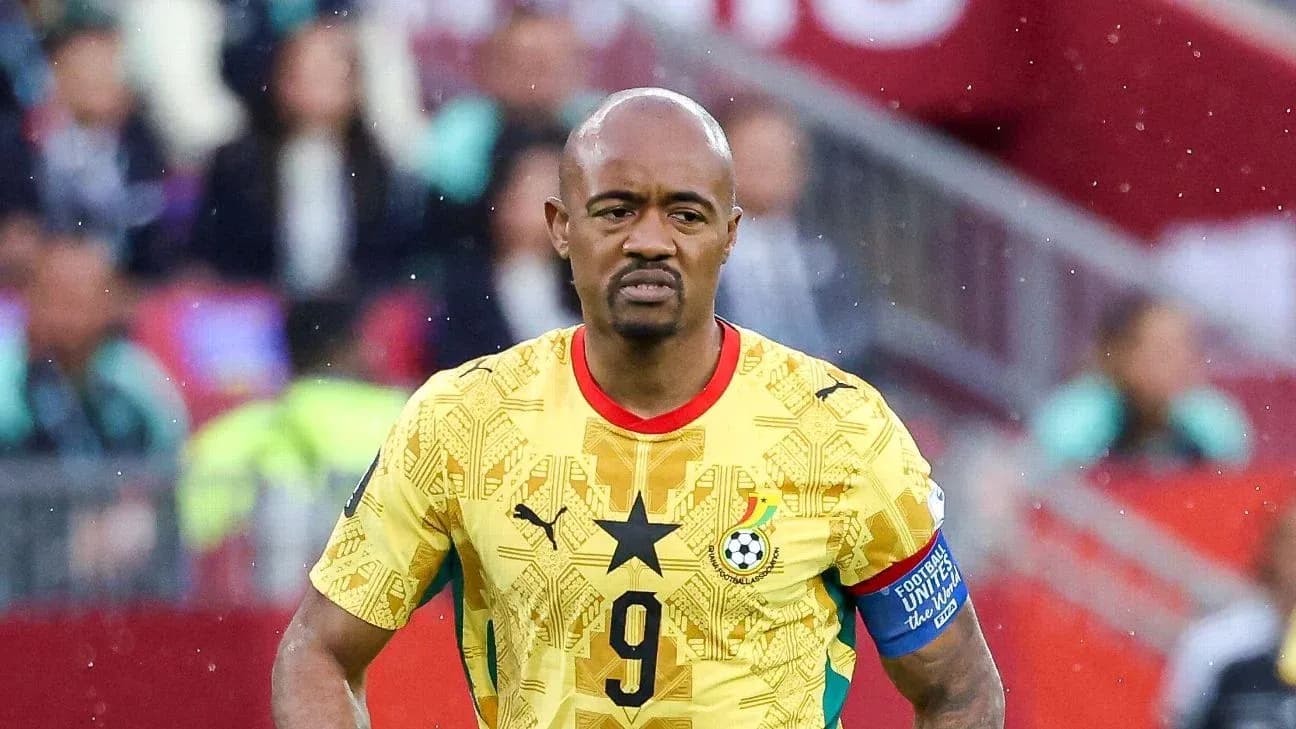
Jordan Ayew is not just another player in this squad. He is the captain, the most experienced international, and the heir to a famous surname. Over 100 caps, three World Cups, and the weight of Abedi Pele’s legacy sit on his shoulders.
When he led Ghana out against Panama, he joined an exclusive club: only four Ghanaians have now appeared at three World Cup tournaments. That kind of mileage matters. It brings institutional knowledge, calm in chaos, and authority in a dressing room that skews young.
But it also brings a dilemma.
Against Panama, Ayew looked off the pace. Literally. His lack of speed was brutally exposed, and when he did get on the ball, his decisions often dragged Ghana backwards instead of springing them forwards.
One moment summed it up. Antoine Semenyo slid a pass into Ayew, with green grass ahead and the Manchester City forward bursting beyond his man. Time, space, the obvious ball on. Ayew chose to dribble into traffic. Turnover. Chance gone.
Panama did not make them pay. England will.
A slow centre forward against this England defence is a risk too big to carry. Harry Maguire is no longer the only reference point; this is a back line drilled by Thomas Tuchel, protected by Declan Rice, and quick to swarm. They will not allow a static No. 9 to play his way into form.
The obvious alternative is Brandon Thomas-Asante, who came on, stretched Panama, and set up Caleb Yirenkyi’s winner. He has pace, aggression, and the benefit of playing his club football in England, even if not yet against the calibre of players he is about to face.
Dropping Ayew entirely, though, strips Ghana of their leader on the pitch. Starting him as the main striker is equally untenable. So Queiroz must shift the problem, not ignore it.
The solution is to move Ayew deeper.
When he drifted into advanced midfield pockets against Panama, Ghana suddenly looked more coherent. He linked play, found short passes, and operated where his lack of pace mattered less and his intelligence more. Between the lines, he can knit midfield to attack, pull defenders into awkward zones, and create channels for runners.
A front structure with Ayew as a No. 10, Semenyo through the middle, and one of Thomas-Asante or Abdul Fatawu attacking from wide gives Ghana something they desperately need against England: pace on the last line. Ayew can orchestrate; the others can run.
His role must change. His importance does not.
Partey’s return to the engine room
If there was one glaring absence against Panama, it sat in the middle of the pitch.
Elisha Owusu was handed the keys and found himself swamped. To his credit, the team’s first-half shape left him exposed, but the gap between what he offered and what Thomas Partey can bring was impossible to ignore.
Partey should walk back into this XI.
England’s midfield is elite. They dismantled Croatia 4-2 in their opener, with Jude Bellingham dictating tempo and Rice anchoring with authority. Leave them space, and they will carve you apart. Chase them, and you tire. Stand off, and you suffer.
With Partey alongside the impressive Yirenkyi, Ghana can change the dynamic. They do not have to simply survive English possession; they can contest it. They can slow the game down when needed, then punch forward when England’s shape loosens.
Partey and Yirenkyi sitting together narrows the central channels Bellingham loves to surge through. It forces Rice to think more about defending than launching attacks. That, in turn, frees Ayew to float between midfield and forward lines, linking play without constantly dropping into his own half.
Against Panama, Ghana spent too long reacting. Against England, they need to dictate at least parts of the game. Partey is the player who makes that possible.
Exposing England’s flanks
England’s 4-2 win over Croatia looked convincing on the scoreboard. The tape told a slightly different story.
They conceded twice and flirted with more. The recurring theme: vulnerability on the flanks.
Reece James, for all his quality, lost his man on one Croatian goal. On the opposite side, Nico O’Reilly impressed going forward but remains “a work in progress” defensively. Croatia saw that and went after him. Ghana must do the same.
This is where Semenyo, Thomas-Asante, Fatawu and Ernest Nuamah become central to the plan.
Semenyo’s direct running and strength can isolate full-backs and pin them deep. Thomas-Asante’s pace and relentless movement can drag centre-backs into channels they do not want to defend. Fatawu’s one‑v‑one ability from wide areas can stretch the back line and create gaps between full-back and centre-back.
Croatia caused England real discomfort when they attacked quickly, before the defence could reset. Every time they broke with speed and numbers, England’s structure wobbled.
Ghana have the same tools: pace, physicality, and enough craft in transition to hurt a team that prefers to have the ball. The key is conviction. When the turnover comes, the first thought must be forward, not sideways.
No more slow starts
The most worrying aspect of the Panama game was not the missed chances or the nervy ending. It was the first hour.
Panama controlled the ball. They created better openings. Ghana were reactive, pinned back, and second best in too many duels. Only when Queiroz pushed Semenyo centrally and turned up the press did the match tilt.
That kind of slow burn will not survive contact with Tuchel’s England.
Croatia showed that when they pressed England high and hard, mistakes followed. England conceded twice before the break and looked unsettled whenever the pressure came in waves.
They also scored twice in that first half.
If Ghana sit off, waiting to “grow into the game” as they did against Panama, they may find the contest effectively over before they can adjust. Harry Kane, Bellingham, Bukayo Saka – this is not a frontline that needs multiple invitations.
Ghana must start at the tempo they finished with against Panama. Aggressive, compact, snapping into challenges, turning the game into a physical battle and a mental grind. This has to become a war of attrition, not a tactical exhibition.
England like rhythm. Ghana’s job is to deny it.
Surviving England’s dead-ball threat
Open play is only half the problem. The other half is stationary – and just as dangerous.
On the World Cup’s opening matchday, England posted the highest non-penalty expected goals and the most shots on target from set pieces. Kane’s second against Croatia came from a Rice corner and an unmarked header. That is not a coincidence. It is a pattern.
Ghana cannot afford lapses on corners and free kicks. Not one.
Whether Lawrence Ati-Zigi recovers in time to start after his first-half collision against Panama, or Benjamin Asare steps in again, the instruction is the same: every runner tracked, every zone attacked, no ball-watching.
The first step is preventative. Do not give England cheap free kicks around the box. Do not allow the same central holes that appeared against Panama. This is where Partey’s positioning and reading of danger become vital.
And then there is the penalty area.
Giving away spot-kicks is a luxury Ghana simply cannot afford. Kane is ruthless from 12 yards and meticulous in his preparation. He studies goalkeepers. He plays games in the run-up, shaping one way, finishing another.
Asare and Ati-Zigi must do their homework in return. Study his patterns. Hold their nerve. Force him to make the first move.
After the Panama win, Queiroz framed the task ahead in stark terms. “We have to suffer; there is no other way,” he said, calling every result at this World Cup “very expensive” and insisting his players are ready to pay the price.
England will test that claim.
Ghana have the tools to hurt them – pace out wide, a retooled midfield with Partey, and a captain who can still dictate a game from a different zone. What they cannot afford is another hour of hesitation.
The margin for error has vanished. Now we find out whether the Black Stars can turn survival against Panama into a statement against England.
Related News
Raphinha’s Hat-Trick Powers Barcelona to 7-2 Victory Over Racing Santander
Carabao Cup Fourth Round Draw: Liverpool Set to Clash with Chelsea, Arsenal to Face Fleetwood Town
Key Football Matches to Watch in Azerbaijan This Autumn
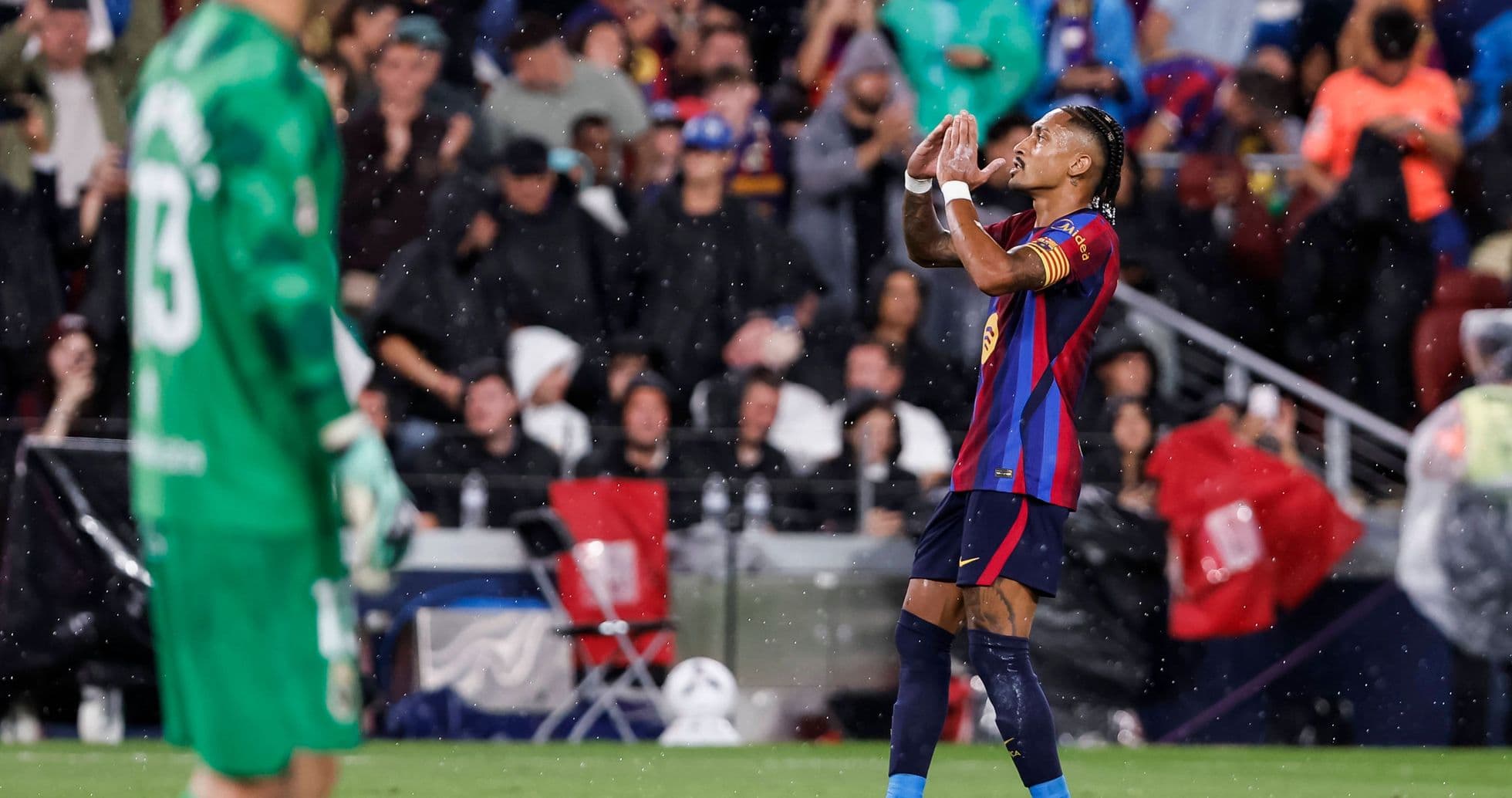
Raphinha's Hat-Trick Drives Barcelona to 7-2 Triumph Over Racing Santander
Hansi Flick Leads Barcelona to Record-Breaking Seven Wins in a Row
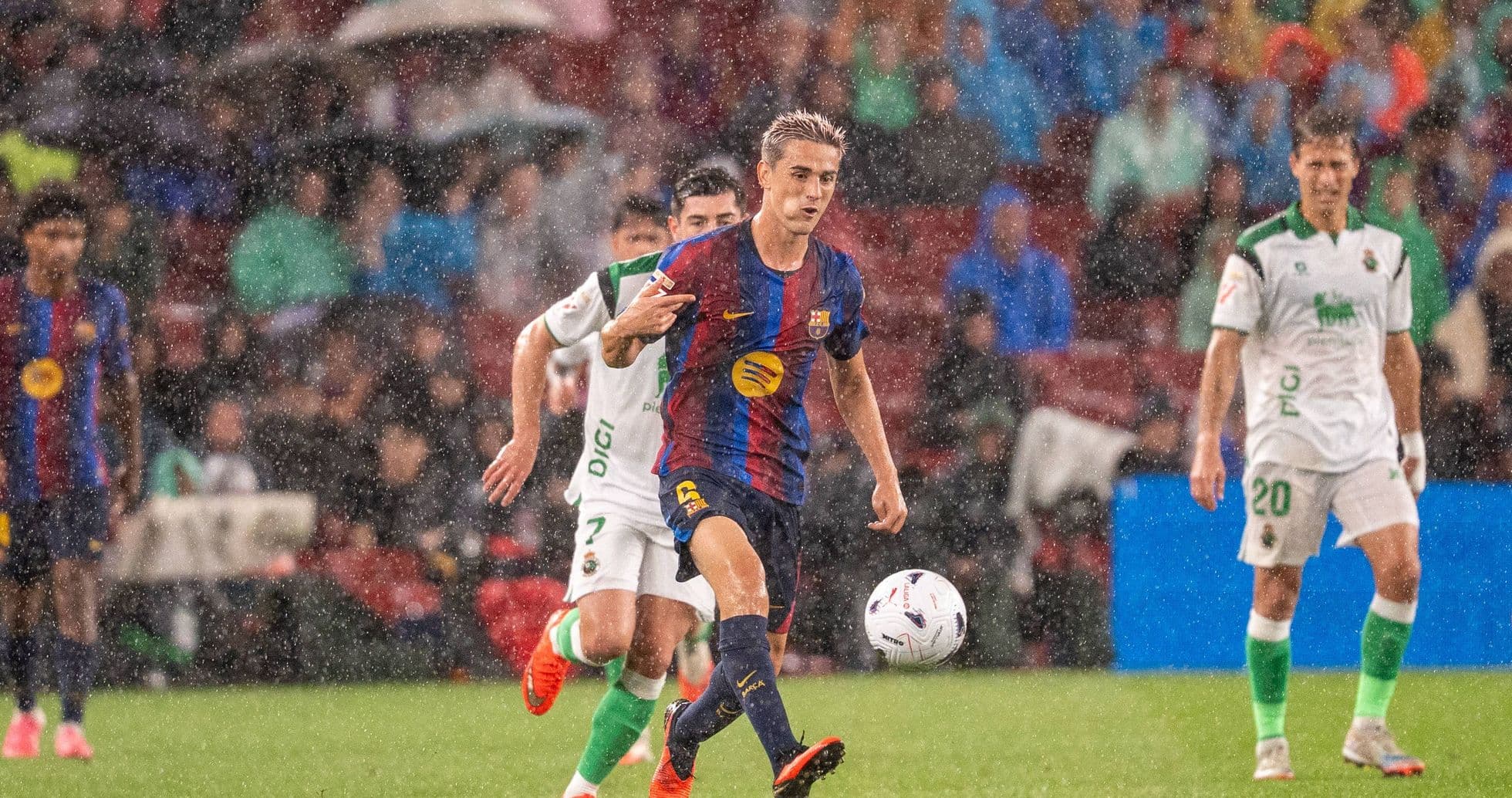
Gavi Reflects on Injury Return as Barcelona Dominate Racing Santander 7-2