
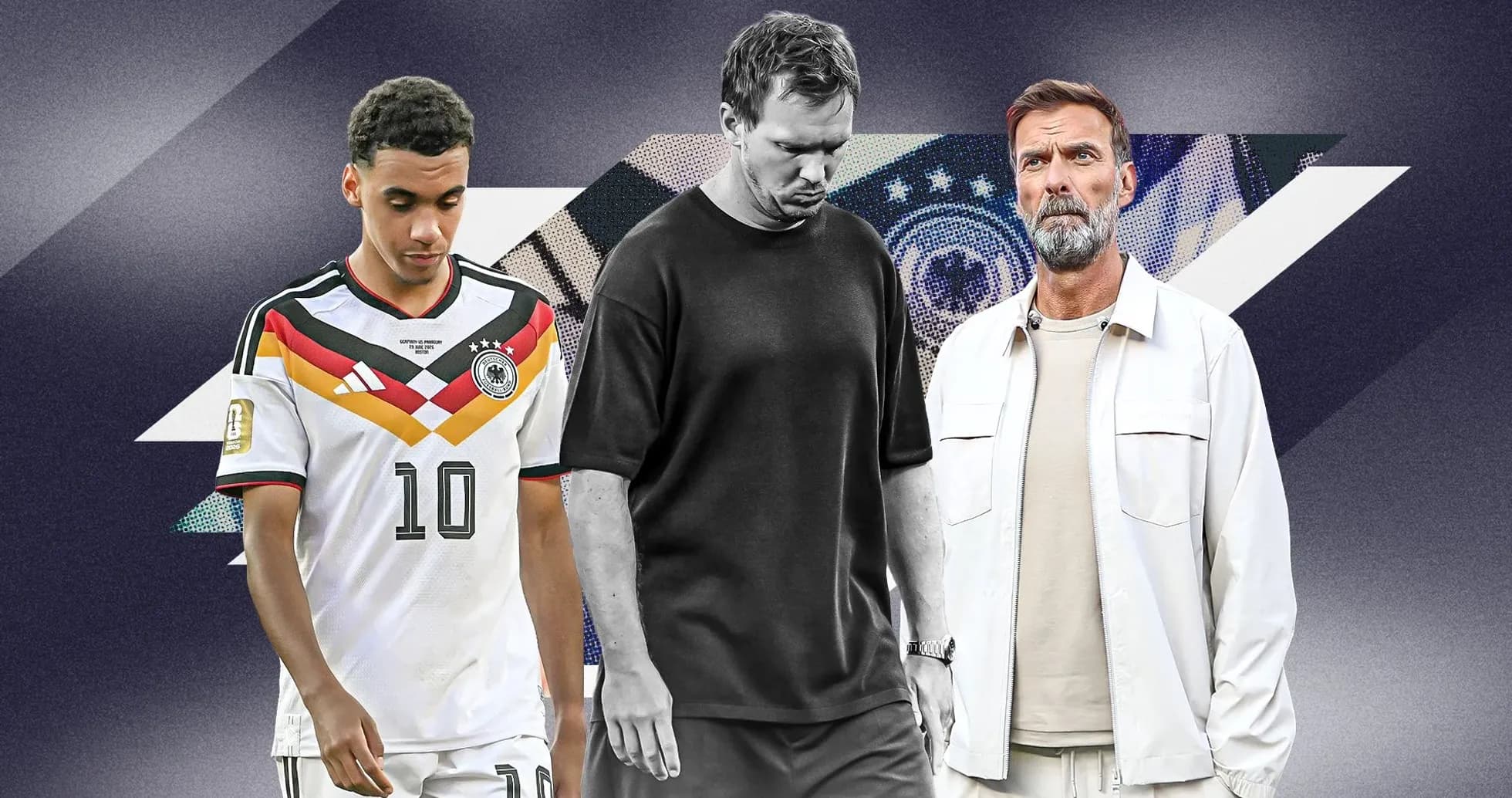
Germany's World Cup Woes: A Cycle of Repetition and Regret
Germany have been here before. That is precisely the problem.
When Joachim Löw’s world champions crashed out of the 2018 World Cup in the group stage, the diagnosis was brutal and instant. The era was over. Twelve years in charge, a golden peak in 2014, and then a collapse against Mexico and South Korea that stripped away every illusion of invincibility. The obvious step was to move on.
Germany didn’t. They clung to the past.
Löw stayed, carried by old credit and sentiment, all the way to Euro 2020 – delayed to 2021 – where a flat, uninspired Germany slid out in the last 16 against England. Only then did he walk away.
Hansi Flick arrived as the reset button. He rode a wave of optimism into Qatar in 2022, only to repeat the same grim pattern. A bright start against Japan, a lead squandered, a defeat that set the tone. Another group-stage exit. Again, the expectation was swift, decisive action. Again, Germany hesitated. Flick stayed until the autumn of 2023, when a steady drip of poor results finally forced the DFB’s hand.
Julian Nagelsmann was supposed to be the clean break. Young, sharp, tactically inventive, with a reputation forged at RB Leipzig and Bayern Munich, he felt like a modern answer to a modern problem. For a while, it worked.
From unity to unraveling
At Euro 2024 on home soil, Nagelsmann stitched together something Germany had been missing for years: a sense of shared purpose. Players, coach, fans – for once, they pulled in the same direction. The football was bold, the atmosphere electric. A quarter-final exit to eventual champions Spain hurt, but it felt like a beginning, not an ending.
Nagelsmann wasted no time setting the bar even higher. The 2026 World Cup became the declared target. Germany, he insisted, would be back at the summit.
Fast forward two years and that promise lies in ruins.
The decline has not been sudden. It has been a slow bleed – of public trust, dressing-room faith, and tactical clarity. Nagelsmann, once the most popular national coach since Löw at his peak, has burned through his capital at a staggering rate. The nadir came in Foxborough on Monday, with a World Cup campaign that managed to feel even more deflating than 2022.
This time, there was no sense of a team learning on the job or growing into a tournament. Germany simply regressed.
A coach who wouldn’t get out of his own way
The damage was not confined to the pitch. Nagelsmann repeatedly chose the microphone as his battleground.
Every few weeks, a press conference or interview would bring another detailed, public critique of individual players. Names, roles, weaknesses – all laid out in full view. It was unnecessary. It was often counterproductive. Some of the statements were clumsy, others flatly contradicted earlier promises about how certain players would be used.
When the questions turned sharper, Nagelsmann did not. Rather than projecting calm authority, he frequently sounded irritated, even patronising. The World Cup stage magnified those moments. Instead of a coach insulating his squad from the storm, Germany had one standing in the middle of it, feeding the noise.
Then came the decisions that cut deeper.
Toni Kroos’ triumphant return for Euro 2024 had looked like a masterstroke. The same could not be said of the move to bring back Manuel Neuer. After firmly denying any such plan, Nagelsmann reversed course and recalled the 40-year-old goalkeeper for this World Cup. Oliver Baumann, excellent throughout qualifying, was abruptly shunted aside.
It was handled poorly and, in football terms, it was needless. Neuer did nothing in this tournament that Baumann could not reasonably have been expected to do. The message, though, was loud: hierarchy over form, reputation over process.
Joshua Kimmich became another symbol of muddled thinking. Germany’s captain ping-ponged between right-back and central midfield, even within the same game – notably in the defeat to Paraguay. Instead of anchoring the side, Kimmich became a piece in a tactical puzzle Nagelsmann never quite solved.
A World Cup without conviction
On the pitch, Germany’s World Cup never caught fire. The warning signs flashed early and never really dimmed.
They lacked invention in attack and looked fragile at the back. A short-lived second-half surge against Curacao aside, the performances were flat. Against Ivory Coast, Ecuador and Paraguay – solid, but far from elite opponents – Germany stumbled rather than strode.
The Paraguay defeat was not an ambush. It was a comprehensive failure that had been coming. There was no clear progression from the Euros, no visible evolution of ideas. In sporting terms, this campaign was more disappointing than 2022. At least then, Germany had taken a point off Spain and shown flashes of high-level football. This time, even those consolations were missing.
To their credit, the players fronted up. They spoke of collective responsibility and publicly shielded Nagelsmann from direct blame. Yet international football is unforgiving. The coach must supply a coherent plan, especially when the squad brims with talent. Nagelsmann did not.
His in-game management only deepened the doubts. Substitutions against Ecuador raised eyebrows. The choice to start super-sub Undav against Paraguay, removing one of his few genuine game-changers from the bench, looked like a gamble without logic. It backfired.
Klopp on the gantry, Klopp in every conversation
If there was a cruel twist for Nagelsmann, it sat in the television gantry.
Jurgen Klopp, the man many in Germany now see as the ideal successor, spent the tournament dissecting every flaw on air. Charismatic, clear, unflinching, he laid out what he saw.
“You have to attack down the wings. There’s no alternative,” he told Magenta TV after the elimination. It was not a throwaway line. It cut to the heart of Germany’s sterile, central traffic. “We all know how well these guys can play, but they didn’t bring that to the pitch. In three months, we’ll be raving about [Florian] Wirtz and [Jamal] Musiala again about how great they are, but not now.”
He drew a sharp contrast between the sides’ mentalities.
“Paraguay had the opportunity to achieve something, Germany was under pressure to achieve something. Everyone in the stadium thought: Now they’ll turn it around! But we didn’t. We let them off the hook... We can talk about the DFB. We absolutely have to change a few things.”
For a growing section of supporters, that “change” has a name. Klopp.
Currently serving as Red Bull’s head of soccer, the former Liverpool and Borussia Dortmund manager would ignite a level of euphoria German football has not seen in years if he stepped into the national team dugout. Euro 2028 and the 2030 World Cup with Klopp at the helm is the dream scenario.
He is not exactly beating down the door. Asked in Boston about the possibility, Klopp kept his distance.
“I haven’t thought about that yet. I understand that when the national coach position is discussed, my name is mentioned in some form. But it’s not the moment to really talk about it. There’s nothing to say about it. I have a job that I enjoy very much. As far as I know, it’s not a part-time job.”
The message was measured, not dismissive. His name lingers over every DFB meeting room all the same.
The decision Germany can’t duck again
Publicly, Nagelsmann still has backing. The squad have spoken up for him. Sporting director Rudi Völler has done the same. Loyalty, though, cannot be a strategy.
The DFB have already seen what happens when they wait too long. They did it with Löw. They did it with Flick. Both times, the delay only deepened the crisis and complicated the rebuild that followed.
They cannot afford a third repetition.
If they believe Nagelsmann is no longer the man to lead this group, they must act – and quickly. Not just because the calendar demands it, but because the future they want might not stay available forever. Klopp has a job he enjoys and no shortage of options. Hope, even in football, has an expiry date.
Germany stand at a familiar crossroads. This time, the real test is not recognising the problem. It is whether they finally have the courage to act before it’s too late.
Related News
Raphinha’s Hat-Trick Powers Barcelona to 7-2 Victory Over Racing Santander
Carabao Cup Fourth Round Draw: Liverpool Set to Clash with Chelsea, Arsenal to Face Fleetwood Town
Key Football Matches to Watch in Azerbaijan This Autumn
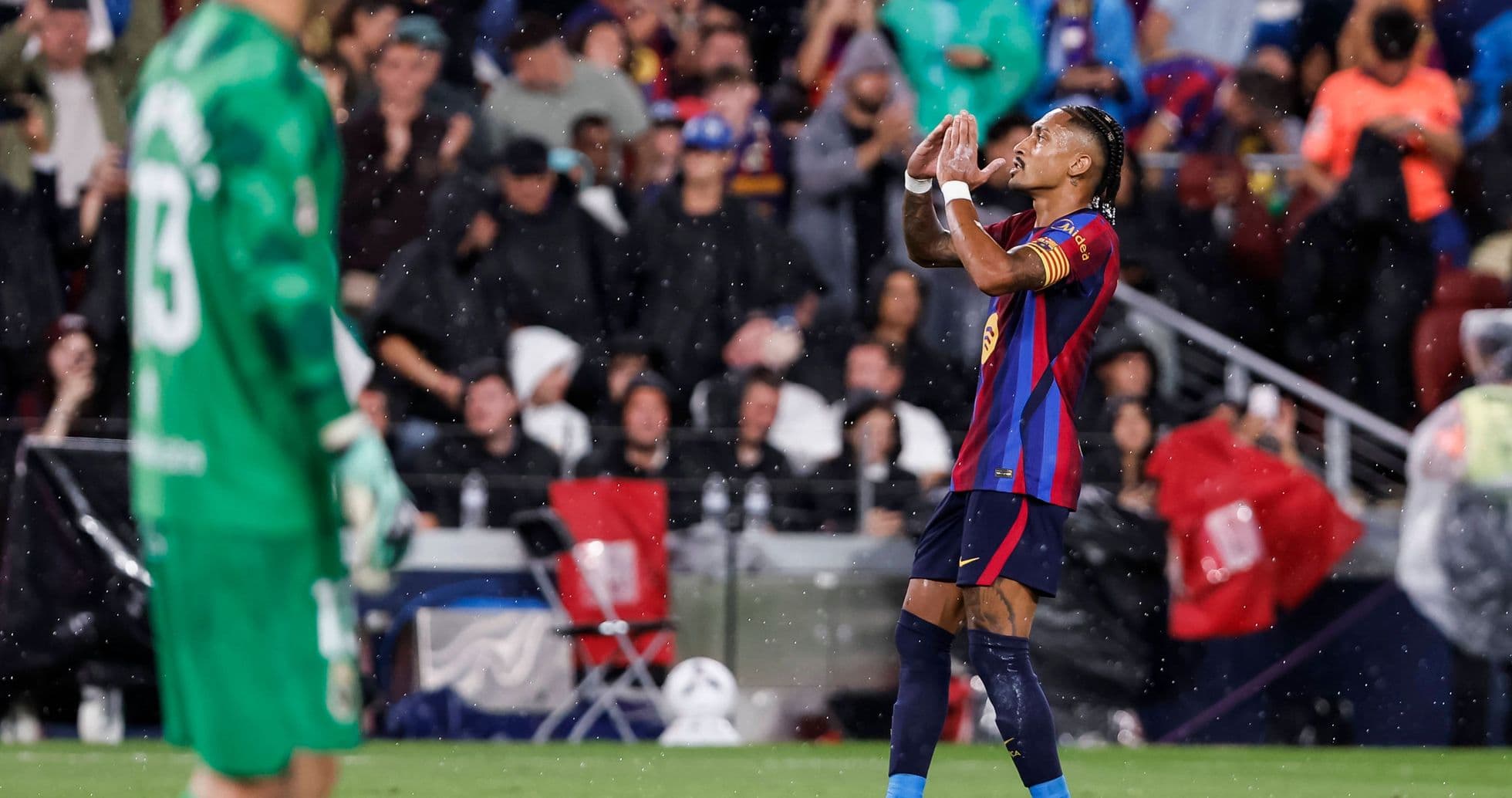
Raphinha's Hat-Trick Drives Barcelona to 7-2 Triumph Over Racing Santander
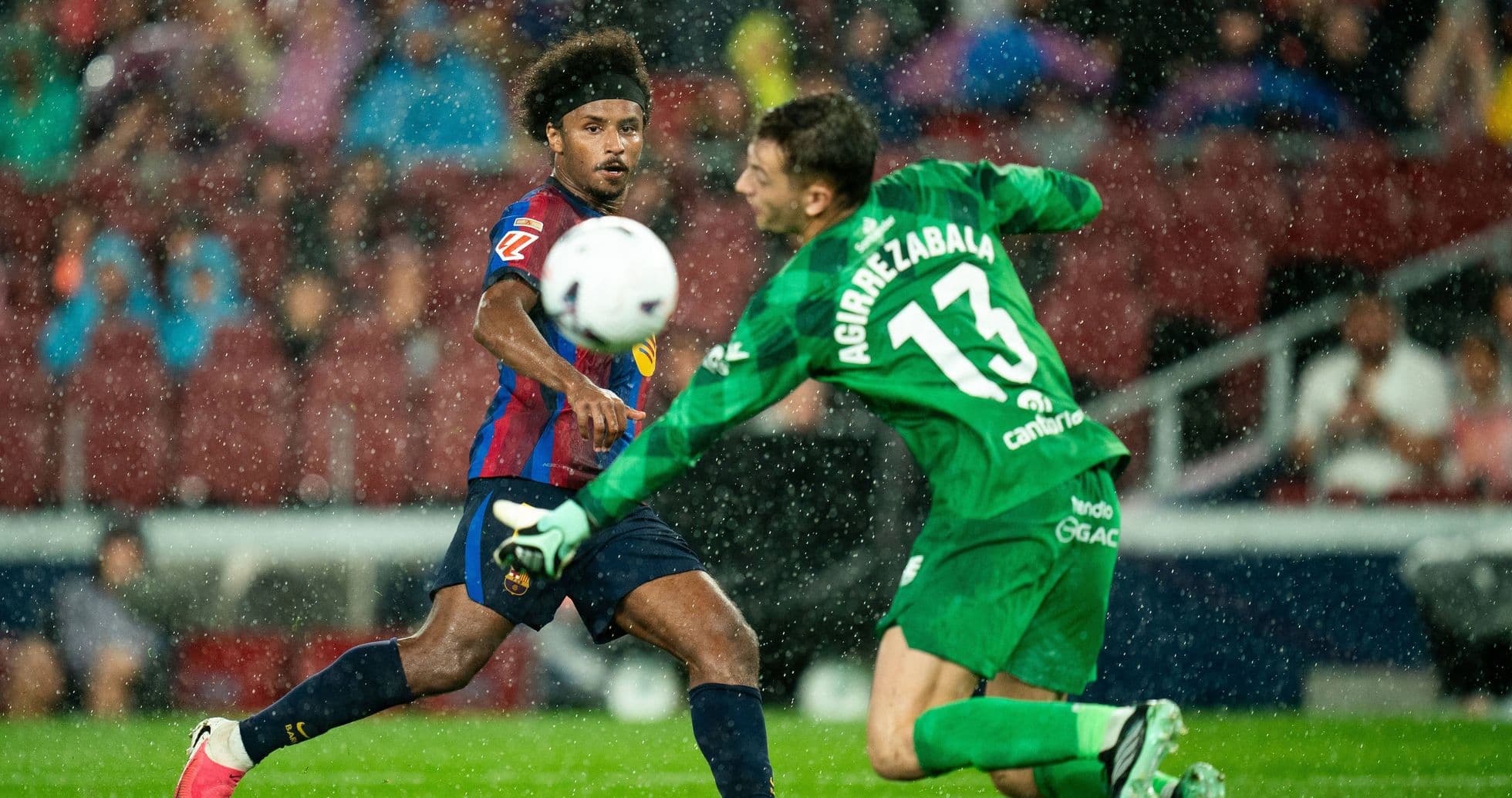
Hansi Flick Leads Barcelona to Record-Breaking Seven Wins in a Row
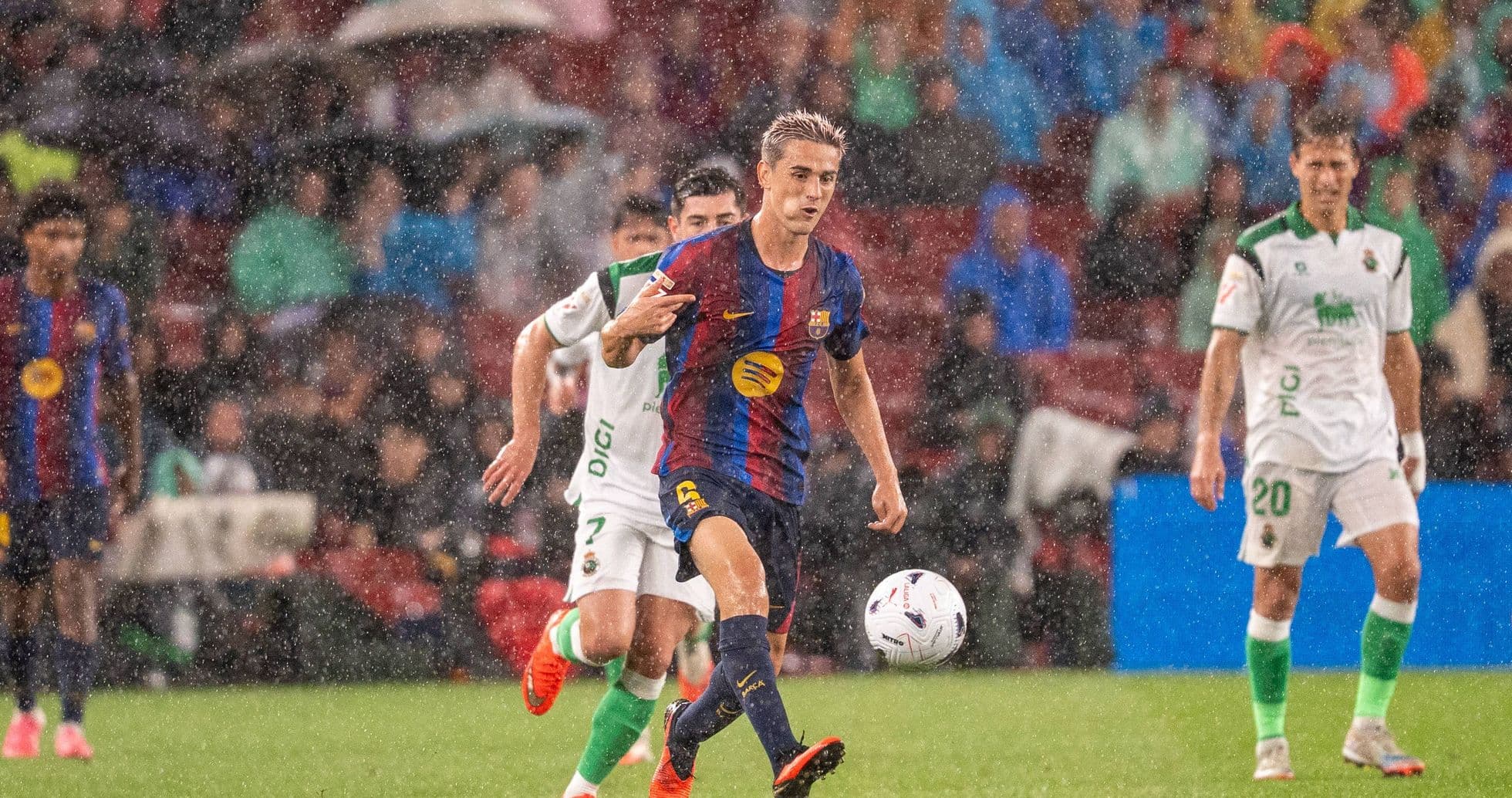
Gavi Reflects on Injury Return as Barcelona Dominate Racing Santander 7-2