

Frank Lampard Remembers Jose Mourinho's Sacking
Frank Lampard still remembers the way Jose Mourinho walked into the dressing room that day. No entourage. No announcement. Just the manager who had transformed his career, stepping into the middle of the room to tell his players he’d been sacked.
"I remember him coming into the dressing room and he said to me that he’d been sacked," Lampard recalled. The words landed heavily. This was not a routine farewell, not the usual handshake and polite applause. "I couldn’t think about how much this man had helped my career, how much I loved working with him. There were tears, which is not normal in the dressing room when a manager leaves."
Tears. From senior professionals. From men who had won titles under him and built their reputations alongside his. That was the depth of the bond.
John Terry felt it just as sharply, but his memories carry something else: guilt. The former Chelsea captain still turns over one moment in his mind, one game that became the flashpoint for Mourinho’s departure in 2007 — the 1-1 Champions League draw with Rosenborg at Stamford Bridge.
"I would leave that pitch in a coffin for him," Terry said, summing up the loyalty Mourinho inspired. "You’ve got grown men, tears running down their face, not really understanding why. And even still today I’m like, that’s my fault."
It comes back to a single lapse. A single marking error that still gnaws at him.
"When we drew the Champions League game, my man scored. If I didn’t let that person score, would he have lasted another couple of years? Who knows?" Terry admitted. "I still feel kind of responsible for that, if that makes sense. It’s just disappointing how it all ended, if I’m honest. I absolutely loved him and adored him and was more upset than anyone, to be honest."
While the players wrestled with their emotions, Mourinho saw a different picture developing above them. From his perspective, the break with Roman Abramovich had been brewing long before Rosenborg, long before the tears in the dressing room.
He traces it back to the changing shape of power at Chelsea.
"In my work, the triangle: Jose, Peter Kenyon, Roman was invaded by strangers," Mourinho said, lifting the curtain on the internal dynamics at the club. At the start, it had been tight, controlled, clearly defined. "In the beginning, you play at Stamford Bridge, you look to the box, Roman, his wife, with one or two persons of his confidence."
That small circle did not stay small for long.
"A few seasons later: former players, agents. These kinds of people, they know where the money is," he said. The message was clear: the owner’s ear was no longer reserved for the manager and chief executive. Other voices had moved in, and with them came interference, influence, and a slow erosion of trust.
The tension surfaced in strange ways. Mourinho recalled one request from Abramovich that said everything about how their relationship had shifted.
"I think Roman changed," Mourinho said. "For example, one day Peter came to me quite embarrassed and he told me, 'Jose, I have to tell you something. The boss is in Sardinia with these boats, and the people that work in these boats they play football against guys from the hotel, and they are losing. Can you go there to win a game for him?'"
It was a surreal demand for a manager preparing elite players for a competitive fixture. Mourinho’s answer was blunt.
"'No, Peter, I have training today. I have to prepare for tomorrow; I cannot go'." The refusal did not go down well. "And he was not happy with that."
In that clash — between a coach obsessed with preparation and an owner used to getting what he wanted — you can see the fault line that eventually split the club’s most powerful partnership. For Lampard and Terry, it ended in tears in a dressing room. For Mourinho, it ended when that once-tight triangle at the top no longer belonged to him.
Related News
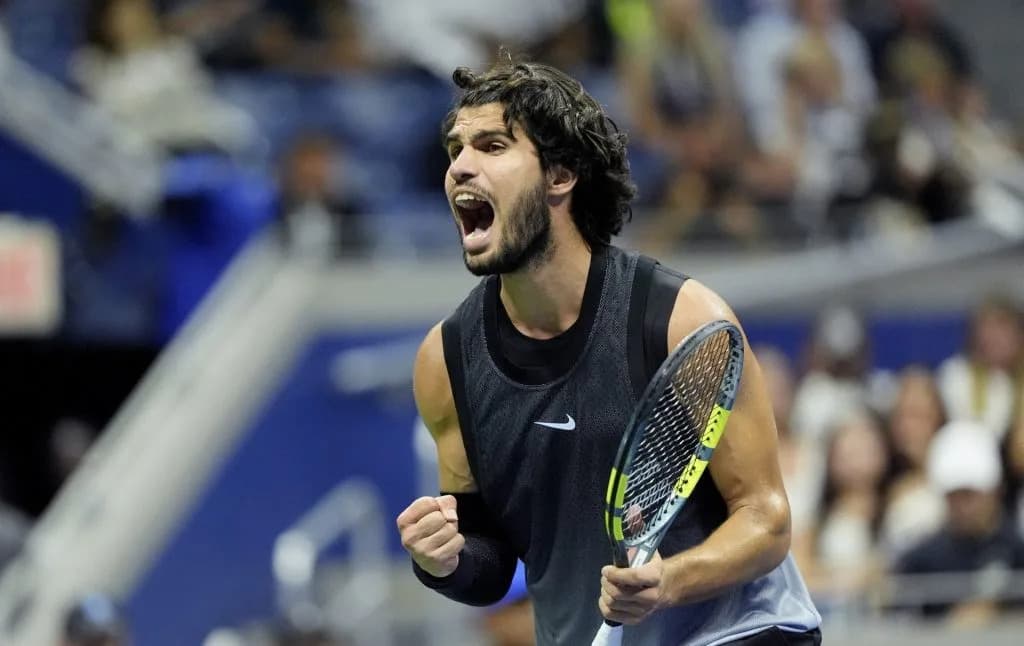
Carlos Alcaraz Urges Tennis Organizers to Stop Matches Finishing in the Early Morning
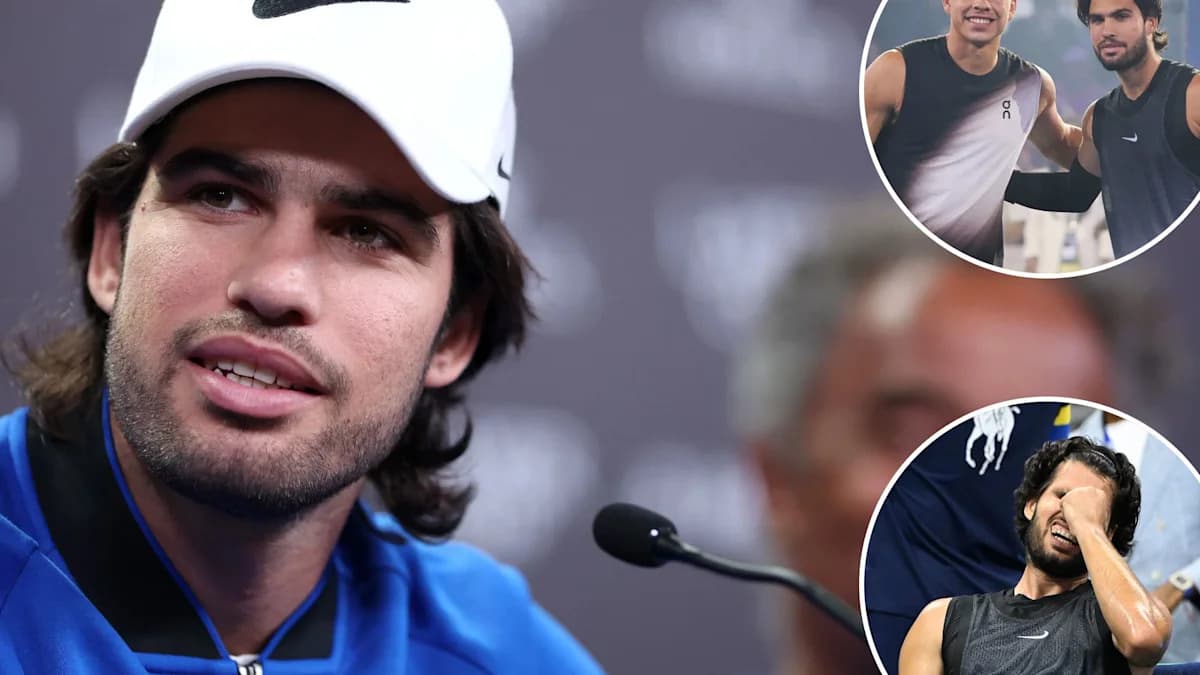
Carlos Alcaraz Frustrated by 3:30 a.m. US Open Finish: 'Too Much'
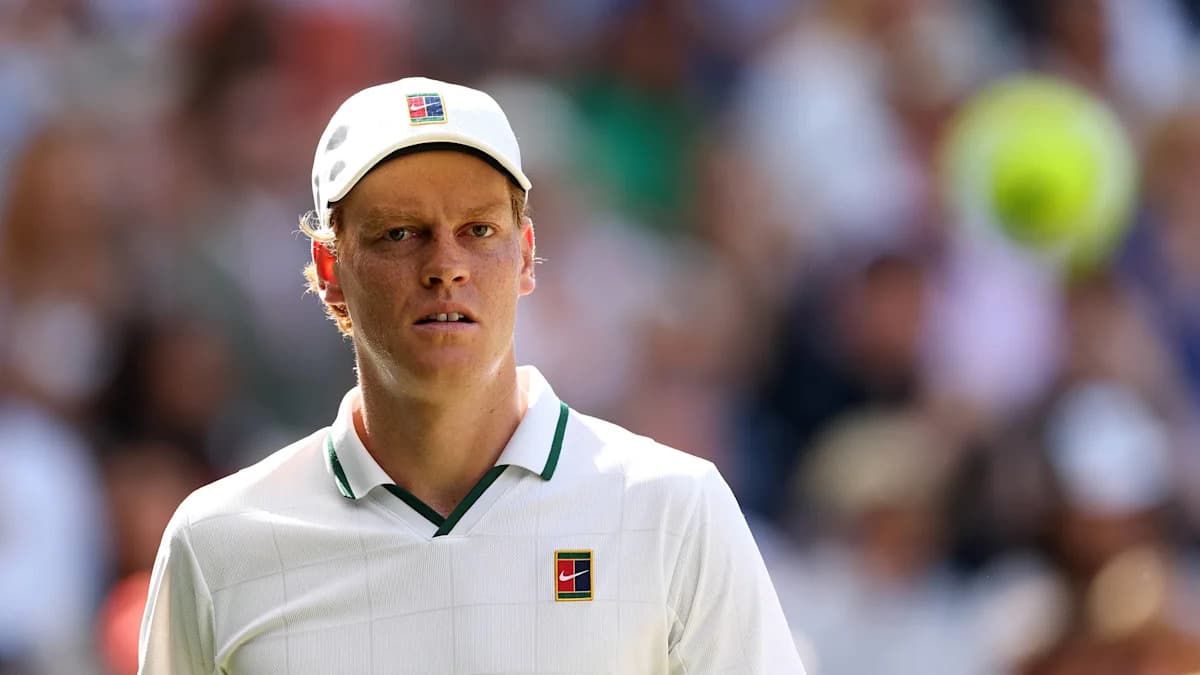
Jannik Sinner Set for ATP 500 Return in Beijing with Novak Djokovic Also Competing
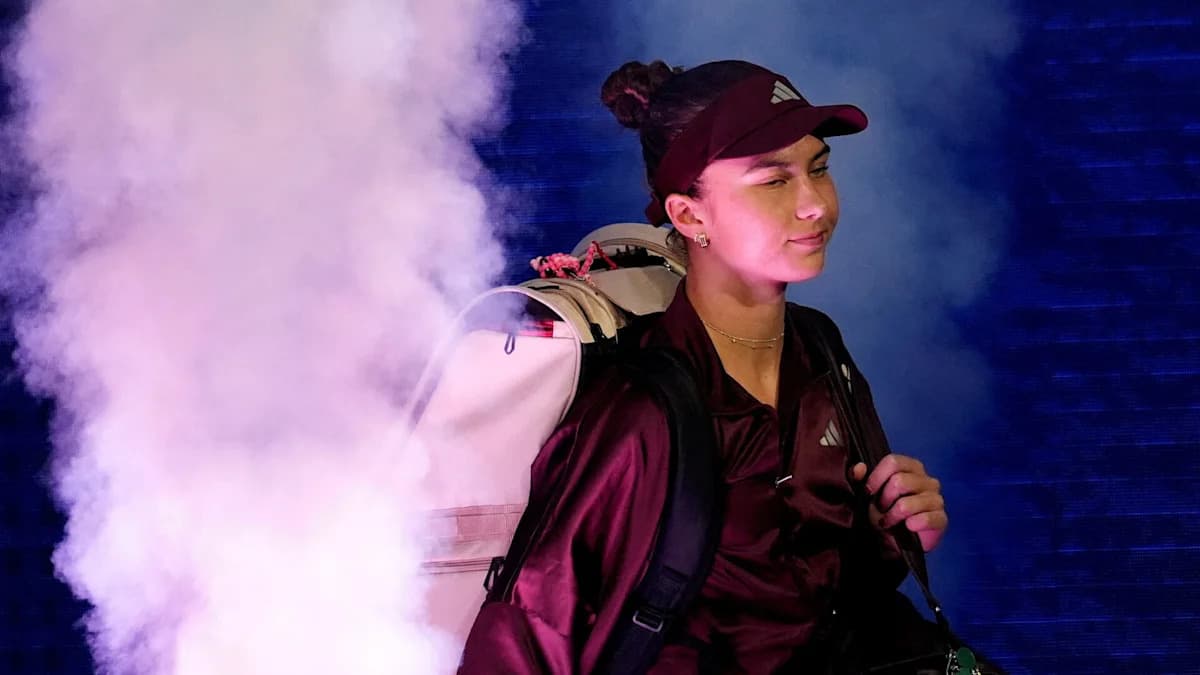
Meet Iva Jovic: The Rising American Tennis Talent
Flavio Cobolli Shares Insights on Training with Jannik Sinner Ahead of His Tennis Return

Till vs Romero: Fight Details, Undercard, and Viewing Info for This Weekend