
France's World Cup Journey: Stars and Challenges Ahead
France do not just arrive in North America as contenders. They land as a looming presence, a team whose recent history bends tournaments around it.
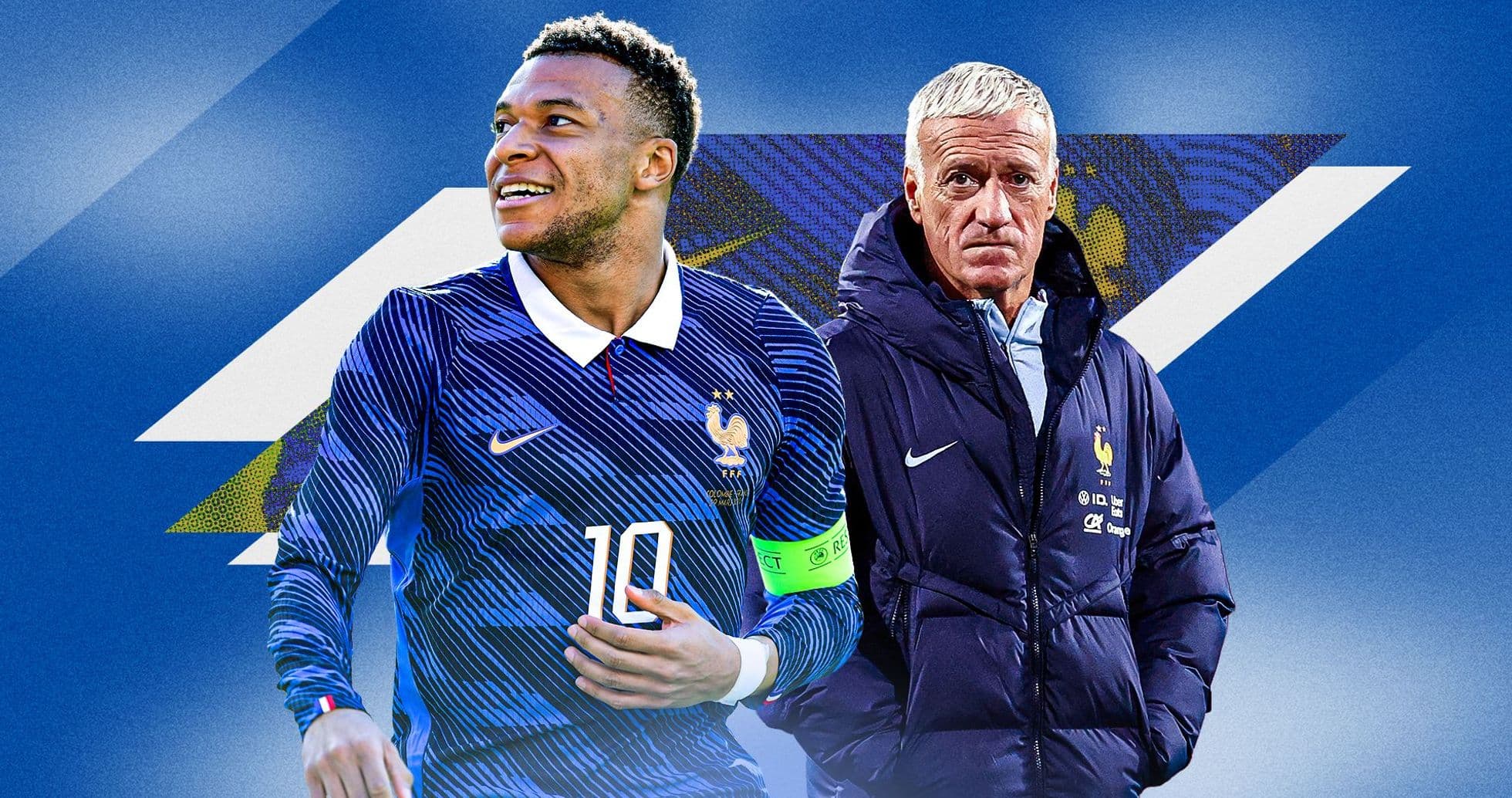
World champions in 2018, beaten finalists in 2022 – that résumé alone explains why Les Bleus sit among the heavy favourites. But the real warning lies in the names on the teamsheet. Kylian Mbappe, still a one-man storm. Michael Olise, Bayern Munich’s new conductor. Desire Doue and Ousmane Dembele, the twin livewires in Luis Enrique’s revitalised Paris Saint-Germain.
Firepower to spare, doubts at the back
In the final third, France are loaded. Mbappe remains the reference point, a relentless scorer for club and country. Around him, the cast has evolved.
Olise has surged into the spotlight after a breakout year in Munich. Doue and Dembele have become central to a PSG side that finally looks like a coherent project rather than a collection of stars. Put them together and France can change the rhythm, the shape and the tempo of a game without losing quality.
The questions lie behind them.
The defence has looked exposed too often, and the fitness of William Saliba hangs over the camp. His presence – or absence – could tilt the balance between a team that simply outguns opponents and one that controls entire matches. For all the attacking glamour, France know how quickly a fragile back line can undo months of work.
There is another familiar concern as well: the dressing room. This is a group that has not always been easy to manage, rich in ego and personality as much as talent. Keeping that room aligned over a long, gruelling tournament might be Deschamps’ toughest assignment of all. If he gets it right, stopping France from marching all the way to the final in New Jersey will be a monumental task.
Deschamps’ last stand
This campaign also carries a sense of finality.
Didier Deschamps has heard it all over the years – criticism of his style, his caution, his man-management, from inside France and far beyond it. Yet the record is undeniable. When he took over in 2012, the national team felt spent, the cycle after Laurent Blanc apparently broken.
Since then, he has rebuilt and then reloaded.
Under Deschamps, France lifted the World Cup in Russia in 2018, beating Croatia in the final. They added the UEFA Nations League in 2021, overcoming Spain in Milan. They have reached two more major finals: Euro 2016, lost in Paris to Eder’s extra-time strike for Portugal, and that epic 2022 World Cup final against Argentina, decided on penalties after one of the most dramatic games the sport has seen.
His contract runs out in July and will not be renewed. That brings almost 15 years in charge to a close. No matter how this tournament ends, this is Deschamps’ last dance with Les Bleus – and he knows it. So do his players.
Mbappe the symbol, Olise the rising force
The spotlight will, as ever, fall first on Mbappe. Captain, number 10, symbol of a generation. Every camera will chase his runs, every narrative will bend towards him.
But another figure is quietly positioning himself to steal the show.
Michael Olise has taken a decisive step up at Bayern Munich. For the second straight Bundesliga season, he hit double figures for both goals and assists, while also posting standout numbers in the Champions League. His performance in Bayern’s 6-1 dismantling of Atalanta in Bergamo – two goals, one assist, a display of complete authority – felt like a statement that he belongs among the elite.
Olise brings a blend that coaches crave: creativity with end product, flair with reliability. His hat-trick against Northern Ireland in France’s final warm-up game underlined just how sharp he is heading into the summer. At 24, this tournament could mark the moment he shifts from promising star to genuine reference point, not just for his club but for his country.
If Mbappe remains the face of the project, Olise has every chance of becoming its heartbeat.
Akliouche, the wild card
Beyond the headline acts, France still have room for a surprise.
Maghnes Akliouche is one to watch. Deschamps called him up for the first time during qualifying, and the Monaco midfielder wasted no time making an impression: a goal against Azerbaijan, an assist against Iceland, and a sense that he belongs on this stage.
A product of Monaco’s famed academy, long regarded as one of Europe’s most fertile talent factories, Akliouche finally broke through last season. Seven goals and twelve assists across Ligue 1 and the Champions League marked him out as more than just another prospect.
He operates primarily as a right-sided attacking midfielder in a 4-2-3-1, but he can also drift inside and dictate as a central playmaker. Crucially, he does not fit the cliché of the slight, purely technical winger. Akliouche couples physical presence with refined technique, a profile that has become gold dust in the modern game.
He is unlikely to start often. That might be exactly what makes him so dangerous. Off the bench, with tired legs in front of him and space opening up, he has the tools to change matches – to unpick a deep block, to provide the unexpected when France are running out of ideas.
In a squad stacked with established stars, it might be a player like Akliouche who decides a tight knockout tie. And in a farewell tournament for Deschamps, those small, decisive moments will define whether this era ends with a whisper, or one last roar.
Related News
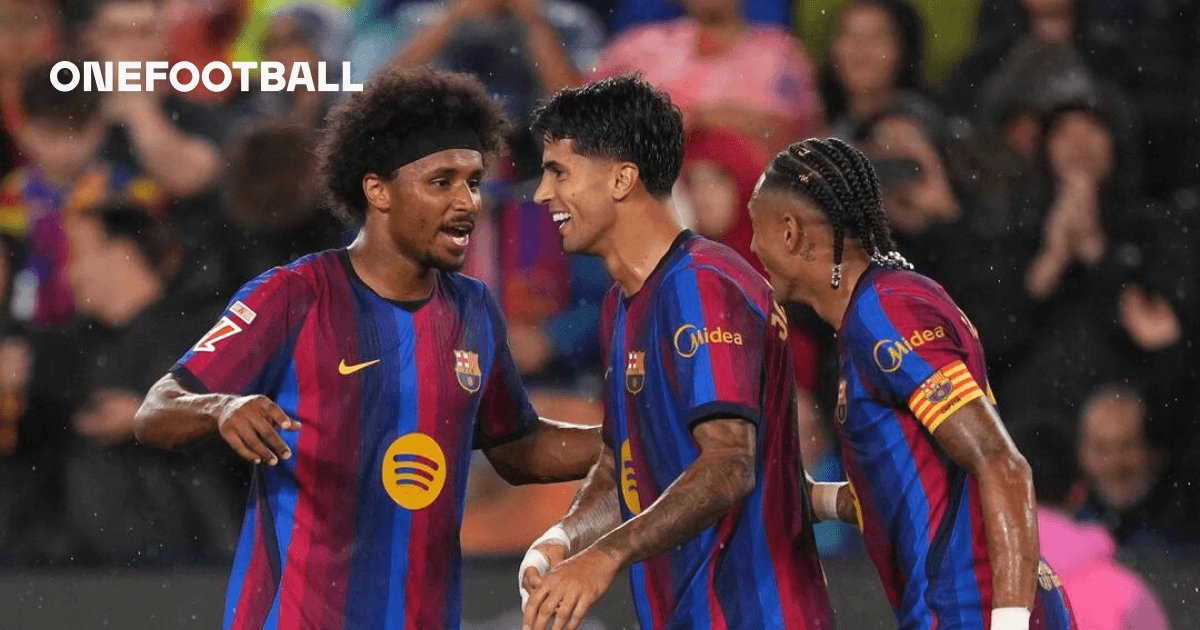
Raphinha’s Hat-Trick Powers Barcelona to 7-2 Victory Over Racing Santander
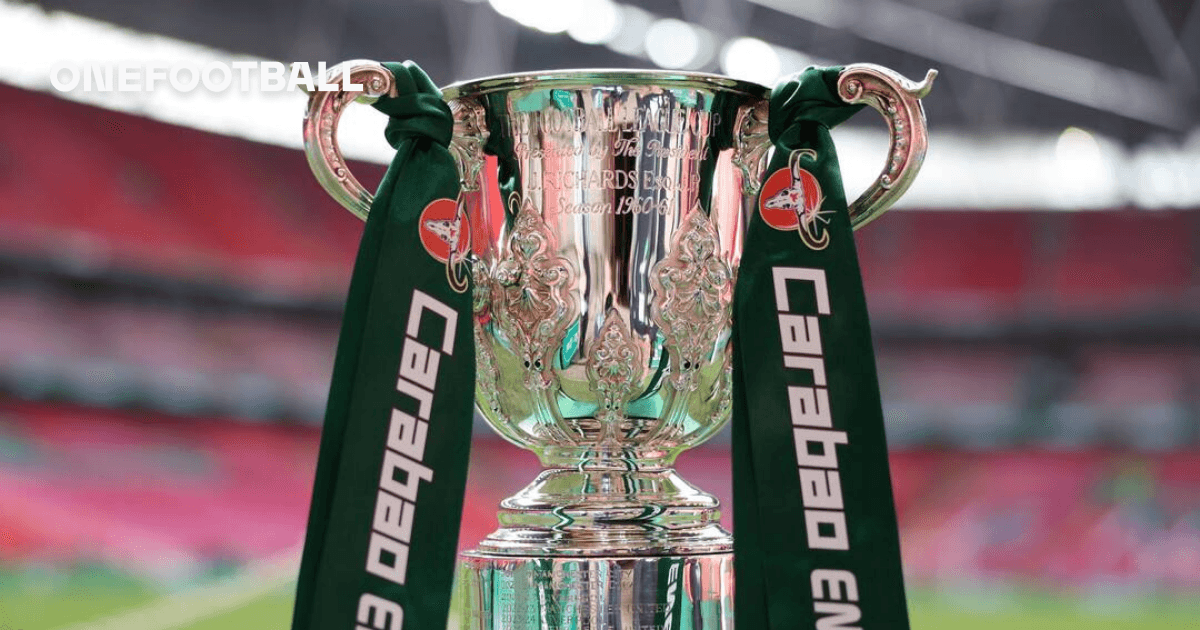
Carabao Cup Fourth Round Draw: Liverpool Set to Clash with Chelsea, Arsenal to Face Fleetwood Town
Key Football Matches to Watch in Azerbaijan This Autumn
Raphinha's Hat-Trick Drives Barcelona to 7-2 Triumph Over Racing Santander
Hansi Flick Leads Barcelona to Record-Breaking Seven Wins in a Row
Gavi Reflects on Injury Return as Barcelona Dominate Racing Santander 7-2