
Football's Next Chapter: From WAFCON 2026 to European Leagues
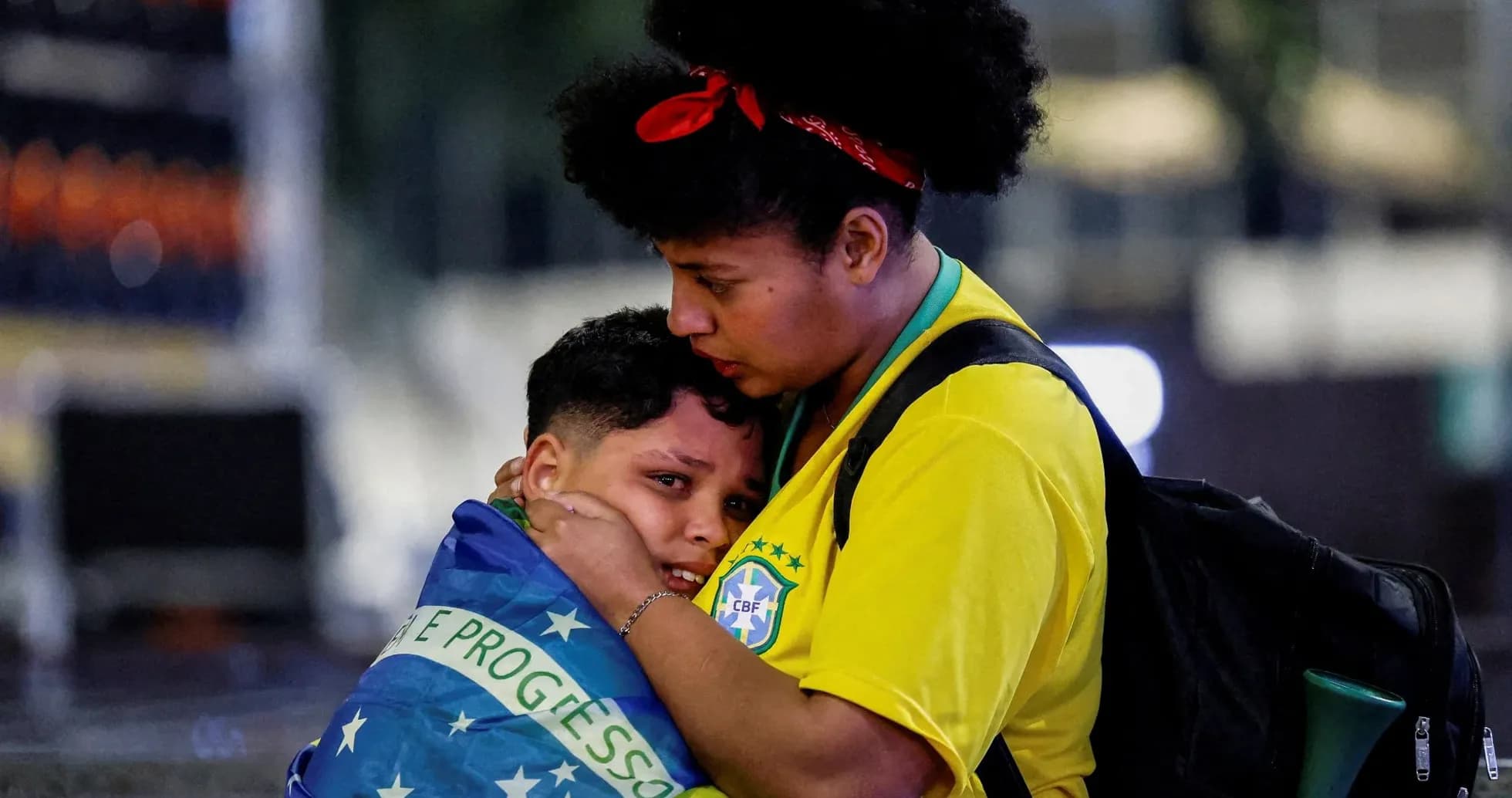
The World Cup is over. The noise has gone. For the first time in six weeks, evenings feel strangely quiet.
The biggest edition in the tournament’s history – 48 nations, 104 matches, 308 goals – has shut its doors, leaving fans staring at a calendar and wondering what to cling to next. The answer comes quickly: football never really stops. It just changes shape.
From women’s continental battles in Africa to a heavyweight Super Cup in Austria, from the first whistle in the Premier League to a reshaped World Cup qualifying maze, the game is already building its next act.
Africa steps back into the spotlight: WAFCON 2026
Barely a week after the World Cup final, the ball rolls again in Africa.
Women’s AFCON 2026 (WAFCON) opens with hosts Morocco facing Kenya, a fitting curtain-raiser for a tournament that arrives at a moment of genuine momentum for African football. The Atlas Lionesses carry the weight of expectation now. Their men’s team reached the World Cup quarterfinals and then lifted AFCON 2025 in a storm of celebration and controversy. The women will be asked to mirror that edge, that ambition.
Nigeria, the benchmark for decades, return as defending champions. They know exactly what it takes to navigate this competition and will not surrender their crown lightly. Ghana, Zambia and Malawi sit just behind them in the bookmakers’ thinking, all named among the pre-tournament favourites and all sensing an opening in a field that looks tighter than ever.
For African fans still buzzing from a historic World Cup showing, WAFCON offers no gentle transition. It is straight back into the tension.
Super Cup in Salzburg: PSG, Aston Villa and a statement night
Before Europe’s leagues roar back to life, there is one more continental prize to hand out.
The UEFA Super Cup 2026 brings Paris Saint-Germain and Aston Villa to Stadion Salzburg in Austria on Wednesday, August 12, with kick-off at 9pm local time (19:00 GMT). It is the classic meeting of Champions League and Europa League winners, but the storylines run deeper.
PSG arrive as holders, having claimed the 2025 Super Cup, and they know what this game can do for momentum. Win it again and they stride into the new season with the aura of a team that collects silverware as a habit, not a surprise.
On the other side, Aston Villa under Unai Emery have turned European nights into a speciality. Another trophy would harden their status as a club that no longer just visits the big stage – it belongs there. For both, Salzburg is more than a showpiece. It is a marker.
Champions League: a new campaign, a new map
The Champions League machine restarts in September.
Europe’s elite club competition will kick off in the second week of the month and run through to May 2027, a familiar marathon with unfamiliar wrinkles in format and structure. Thirty-six teams will take part. Twenty-nine have already booked their places through last season’s league positions; seven more must fight their way in via qualifying.
On Thursday, August 27, in Nyon, Switzerland, clubs and supporters will finally see the path ahead when the league-stage draw is made. That is the day when dreams get a shape – and when some of them start to look daunting.
Premier League: champions Arsenal under the floodlights
The wait for domestic drama in England is almost over.
The Premier League returns less than a month after the World Cup, with champions Arsenal opening their title defence at the Emirates Stadium. Coventry City are the visitors on Friday, August 21, at 8pm (19:00 GMT), a fixture that will test how quickly Mikel Arteta’s side can shift from World Cup emotion to league business.
The rest of the opening weekend offers its own early flashpoints:
- Hull City vs Manchester United – Saturday, August 22, 12:30pm (11:30 GMT)
- Manchester City vs Bournemouth – Sunday, August 23, 2pm (13:00 GMT)
- Newcastle United vs Liverpool – Sunday, August 23, 4:30pm (15:30 GMT)
- Fulham vs Chelsea – Monday, August 24, 8pm (19:00 GMT)
No titles will be won in August. But statements can be made. And in a league where margins shrink every season, the tone you set on opening weekend can linger for months.
La Liga: Spain’s world champions go back to work
In Spain, the World Cup glow will be impossible to miss.
Several stars from the newly crowned world champions return to La Liga, where Barcelona, Real Madrid and the chasing pack must quickly fold international glory into club duty.
Real Madrid, record 36-time Spanish champions, will reassemble a squad loaded with World Cup pedigree. Kylian Mbappe, Jude Bellingham and Thibaut Courtois headline a dressing room built for trophies and pressure. Across the divide, Barcelona lean heavily on the core of the world champions: Lamine Yamal, Pau Cubarsi, Gavi, Pedri and title-winning goalscorer Ferran Torres form the spine of a team expected to defend its domestic crown with the same ferocity it showed in national colours.
The season starts on August 15, when Alaves host Getafe at 17:30 GMT. Atletico Madrid then welcome Malaga on August 19 at 18:00 GMT.
The two giants, though, ease in on altered schedules.
Barcelona begin their title defence away at Elche on August 23, after their original opener against Athletic Bilbao was pushed back to August 27. Real Madrid’s planned home match against Real Sociedad on the first weekend has also been moved, now set for August 26.
That shift means Jose Mourinho’s second spell in charge of Madrid begins not at the Bernabeu, but away at Espanyol on August 22. For a manager who thrives on theatre, it is a suitably charged opening act.
Serie A: domestic football as Italy’s antidote
Italy watched the World Cup from the outside again. A third straight failure to qualify has left scars.
Serie A, then, arrives as a kind of balm. The 2026-27 season opens on August 22, offering Italian fans the comfort of familiar rivalries and the promise of a fresh narrative that does not involve international heartbreak.
The opening weekend serves up a strong slate:
Saturday, August 22
- Inter Milan vs Monza at 16:30 GMT
- Genoa vs Napoli at 18:45 GMT
Sunday, August 23
- Frosinone vs Juventus at 16:30 GMT
- Atalanta vs Sassuolo at 18:45 GMT
- Torino vs AC Milan at 18:45 GMT
Monday, August 24
- AS Roma vs Fiorentina at 18:45 GMT
Every major contender steps into view within 48 hours. For a country starved of World Cup drama, the league becomes the main stage once again.
Europe’s new road to the World Cup
When national teams in Europe turn their eyes to 2030, they will find a very different qualification path.
The old small-group format disappears. In its place comes a two-tier league system designed to mirror the structure of the Champions League.
The 36 highest-ranked UEFA nations will compete in League A, using a Swiss-system model that mixes opponents rather than locking them into small, predictable groups. The remaining 19 nations will battle in League B. Each team will play six qualifying matches in the initial phase, with promotion, relegation and a web of play-offs deciding who makes it to the World Cup.
The stakes remain the same. The route there will feel new.
UEFA Nations League: Spain, England, Ronaldo and the next chapter
Before that qualification race reaches full speed, the UEFA Nations League returns with real bite.
European and world champions Spain head the field, using the competition both as a trophy chase and as a platform to refine their squad ahead of World Cup qualifying and Euro 2028.
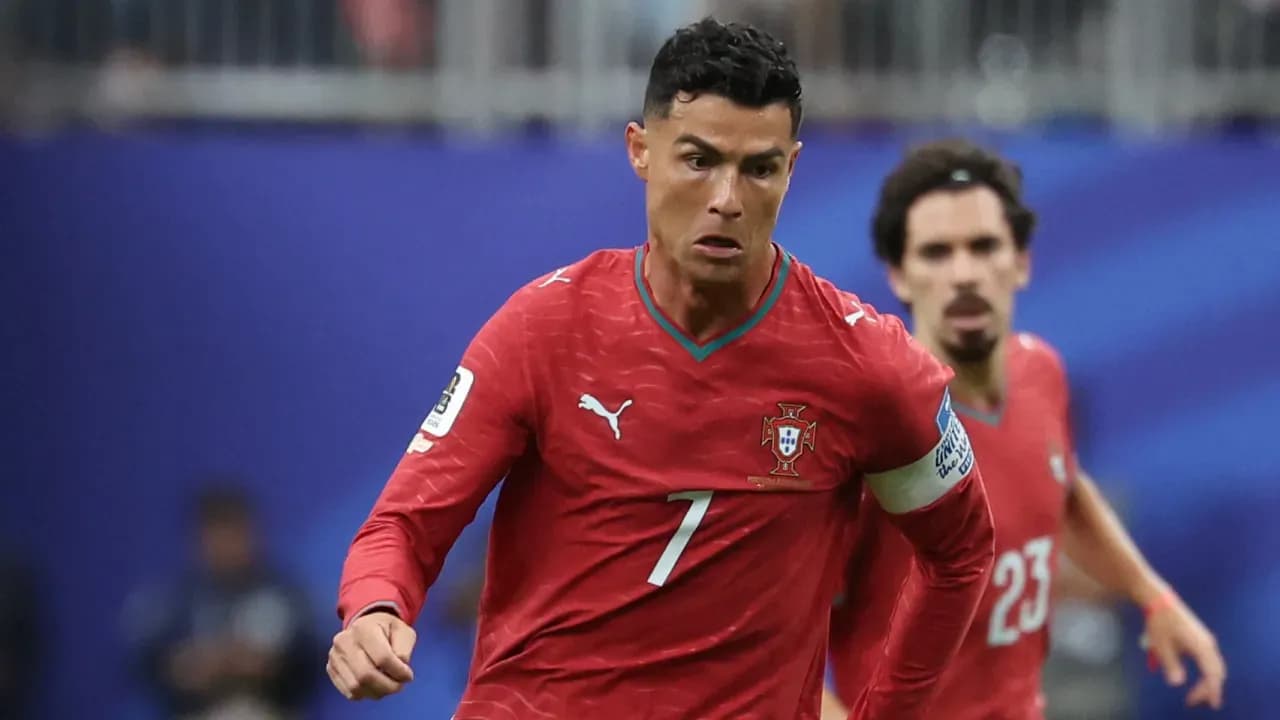
Cristiano Ronaldo’s Portugal open the next matchday against Wales on Thursday, September 24, at 18:45 GMT, a fixture that again places the veteran forward under the glare of continental attention. Two days later, World Cup semifinalists England host Spain on Saturday, September 26, also at 18:45 GMT – a meeting that feels less like a group game and more like a test of where both teams truly stand.
Africa’s long road to 2030
Africa’s World Cup story in the last edition was historic: 10 representatives, nine of them reaching the knockout rounds. The appetite for more is obvious.
The qualification process for the 2030 tournament is expected to start in September 2027 and run through to 2029, in line with FIFA’s international match calendar and previous African cycles. Morocco, as one of the 2030 cohosts, already have their ticket. Everyone else must fight.
CAF is expected to have nine direct places, with the possibility of a 10th via the inter-confederation playoffs if FIFA keeps the current allocation. For a continent that has just proved its depth on the global stage, the battle for those spots will be fierce, unforgiving and compelling.
Asia regroups after a sobering campaign
Asia’s World Cup ended with a sting.
Only Australia reached the knockout phase, exiting in the round of 32 against Egypt. For a confederation that has grown steadily in influence, the tournament served as a reminder of the gap that still needs closing.
The response will come in the form of a long qualification grind. The Asian Football Confederation expects the 2030 World Cup qualifiers to begin in late 2027, with the first fixtures likely in October or November. The campaign should stretch for nearly two years, a drawn-out test of depth, planning and resilience.
The World Cup may have left a hole in the daily routine, but the game is already moving, reshaping itself into leagues, cups and qualifiers. The question now is not whether there is enough football to fill the void.
It is which story, among all these, will define the next four years.
Related News
Ilia Topuria Accuses Justin Gaethje After UFC Defeat

Tyson Fury vs Anthony Joshua Fight Date and Venue Confirmed

Switzerland Calls Up In-Form Sion Striker Winsley Boteli for Nations League
Bournemouth Secures Historic 2-1 Win Over Real Sociedad in Spain
Portugal Announces Squad for 2026 UEFA Nations League; Cristiano Ronaldo Expected to Play

Raphinha Channels Ronaldo Nazario as Barcelona's Leading Striker After Position Change