
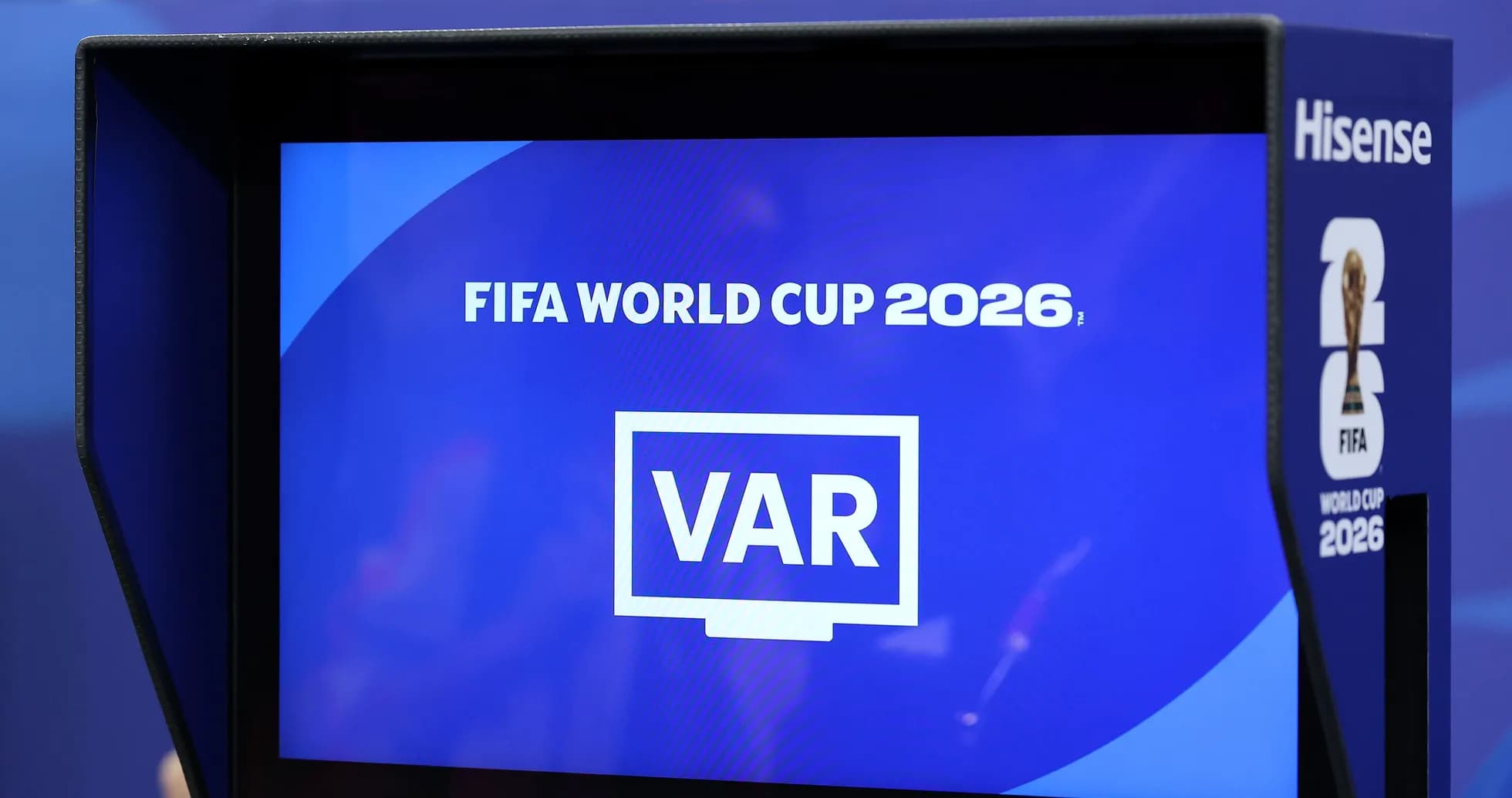
FIFA Clears VAR Official Evans After Hand Gesture Incident
FIFA has cleared VAR official Evans of wrongdoing after a storm over a hand gesture caught on the global broadcast before Germany’s 7–1 demolition of Curacao at the World Cup.
The Australian referee appeared on the world feed from the referees’ centre in Dallas and was seen briefly forming an upside-down “OK” sign with his right hand. On social media, the clip spread fast. What some viewers dismissed as a throwaway movement, others recognised as a symbol that has been co‑opted by white supremacist groups.
In a climate where every frame is scrutinised, the image was enough to trigger a formal review.
FIFA Review Finds No Breach
FIFA examined footage from the referees’ hub in Dallas and, after its investigation, ruled that Evans had not breached the FIFA Disciplinary Code. The decision means the 38‑year‑old remains in the officiating pool for the rest of the tournament.
The governing body’s verdict closes the regulatory side of the case but not the debate around how such symbols are read in the modern game.
Evans: “This Does Not Reflect Who I Am”
Evans responded forcefully once the incident gained traction online. He rejected any suggestion that he had made the gesture with intent or that he was trying to send a message.
“The coverage following this incident simply does not reflect who I am,” he said in a statement. “Of course, I understand how the gesture has been interpreted and I regret this, however I want to be very clear and categorically say that I did not knowingly or deliberately make the hand symbol suggested.”
He went further, describing the movement as an unconscious habit. Images from later in the match, he pointed out, showed him repeating the same motion several times while holding a pen between his fingers.
“Officiating at the World Cup is the biggest honour of my career and I look forward to supporting my colleagues for the rest of the tournament,” he added.
Anti-Discrimination Groups Sound Alarm
The incident did not play out in a vacuum. Anti-discrimination organisations, already on high alert during major tournaments, moved quickly.
Fare, which works with both FIFA and UEFA on discrimination in football, raised concerns before FIFA delivered its findings. “Advice from our experts is that the gesture used clearly resembles an upside down ‘OK’ hand symbol used as a ‘white power’ symbol in global far-right circles,” the organisation said.
Their intervention underscored why the footage had such impact. The “OK” symbol, once entirely benign, was added to the Anti-Defamation League’s database of hate symbols in 2019 after extremist groups adopted it as a trolling tactic and then as a marker of far-right allegiance.
That history meant a split-second movement by a referee on a pre-match feed carried a weight that would have been unthinkable a decade ago.
A Game Under the Microscope
In the end, FIFA’s investigation drew a clear line: no evidence of intent, no disciplinary case, no ban. Evans stays on.
The episode, though, leaves a sharper question hanging over the World Cup. In an era when images travel faster than any official statement, how many more moments like this will football have to navigate before players, officials and fans fully grasp just how loaded a simple gesture can become?
Related News

Raphinha’s Hat-Trick Powers Barcelona to 7-2 Victory Over Racing Santander

Carabao Cup Fourth Round Draw: Liverpool Set to Clash with Chelsea, Arsenal to Face Fleetwood Town
Key Football Matches to Watch in Azerbaijan This Autumn
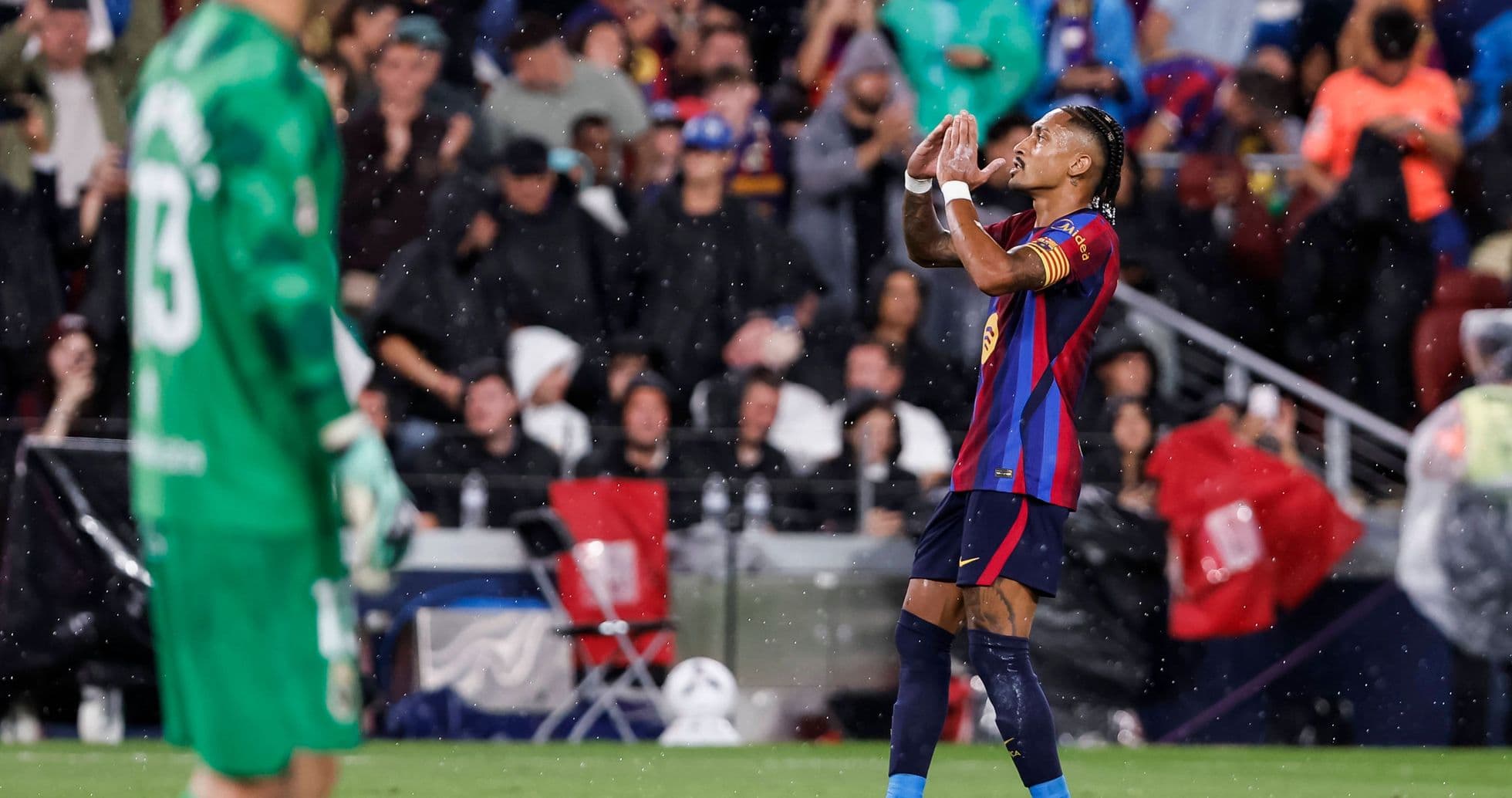
Raphinha's Hat-Trick Drives Barcelona to 7-2 Triumph Over Racing Santander
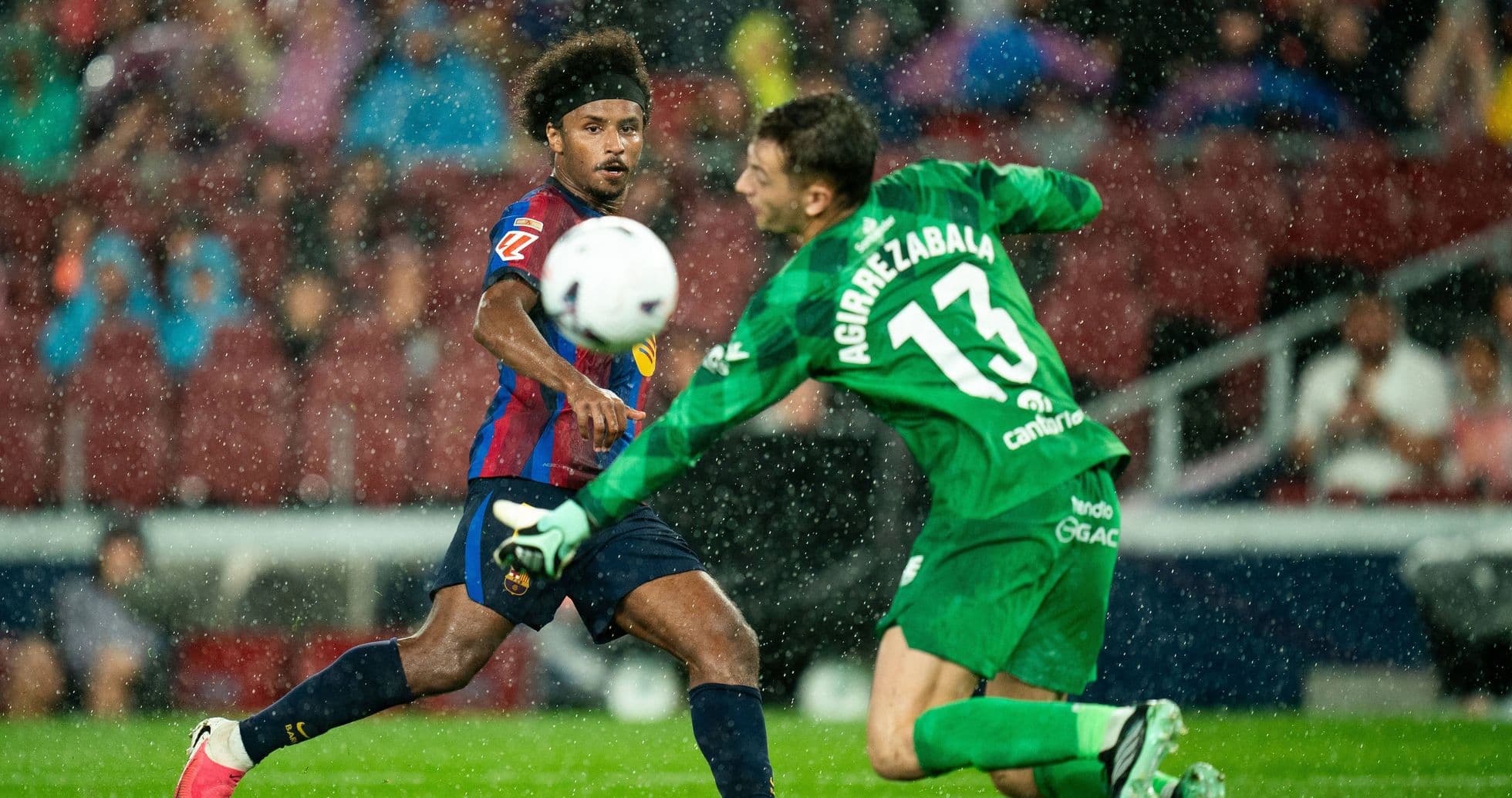
Hansi Flick Leads Barcelona to Record-Breaking Seven Wins in a Row
Gavi Reflects on Injury Return as Barcelona Dominate Racing Santander 7-2