
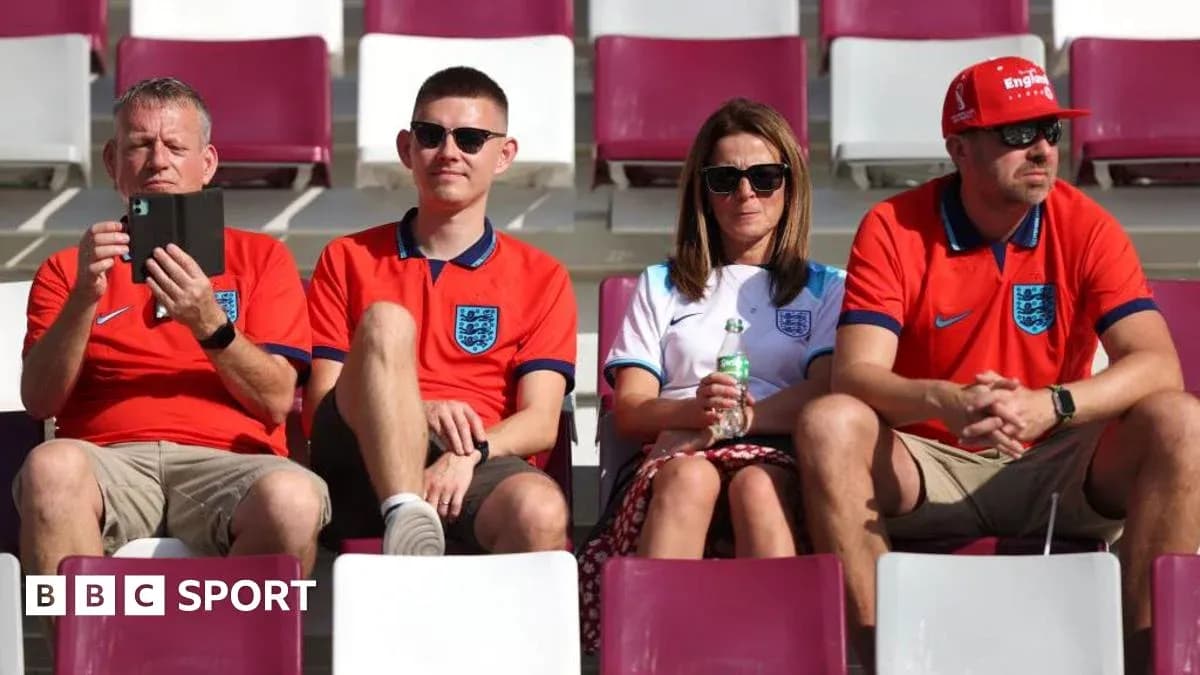
Fifa Bans Reusable Water Bottles from World Cup Stadiums
Fifa bans reusable water bottles from World Cup stadiums in late safety U-turn
Seven days before the World Cup kicks off on 11 June, Fifa has torn up one of its key stadium rules and banned fans from bringing reusable water bottles into venues, citing safety concerns over objects being thrown.
The late change overturns the official stadium code of conduct, which had clearly stated that empty, transparent, reusable plastic bottles of up to one litre could be taken inside. That line has now gone. In its place: a blanket prohibition on bottles, cups, jars and cans.
Fifa says the move is about protecting people, not profit.
“Fifa is committed to protecting the health and safety of all players, referees, fans, volunteers, and staff,” football’s world governing body said in a statement, explaining that the new rule is designed to reduce the risk of injury from missiles launched from the stands.
Water will still be sold inside stadiums, with Fifa insisting prices will not be hiked for the tournament and will stay in line with usual venue rates. Inside what it calls the “stadium footprint”, the organisation says prices for water bottles at the 2026 World Cup will “remain consistent with other events held at each stadium”.
That assurance lands at a sensitive moment. Supporters across host cities are already angry about what they describe as “extortionate” ticket prices and inflated train fares. The bottle ban drops straight into that storm.
Heat fears and safety claims collide
The timing is striking. Scientists have warned that Fifa’s heat safety measures for this World Cup are “inadequate”, with temperatures at 14 of the 16 host venues expected to exceed dangerous thresholds during the tournament.
Fifa insists it has planned for the conditions. It says it is working with each host city committee and local authorities on “heat mitigation factors” for travelling fans. Those measures, according to its statement, can include misting stations, fans, hydration stations, cooling tents and other facilities in and around the stadium footprint.
The question now is how those plans will feel on the ground when supporters can no longer carry even an empty bottle to refill.
Anger from fans’ groups
For many, this is not a theoretical issue. It is about standing for hours in open-air arenas in intense heat without the basic comfort of a personal water bottle.
The Free Lions England fans’ group did not hide its frustration, calling the decision a “strange, late change”. In a statement on X, it said that free water availability had been “a key” point in discussions with Fifa, and that the governing body had previously assured them fans would be able to bring their own bottles.
The group captured the mood among many travelling supporters: “Naturally, the immediate thought from supporters is this is just the latest money-grab. For how hot the stadiums will be, many in open air, just let fans bring a bottle if they want to.”
They also voiced a more practical concern: that the promise of free water could be undermined by queues and hidden costs. “We hope the water fountains in stadiums will still be free,” the statement added, “hopefully you aren’t charged in the queue!”
A familiar flashpoint
This is not new territory for Fifa. Fans were also blocked from taking bottles into stadiums at the last World Cup in Qatar, a tournament that drew its own criticism over heat, access and the cost of basic provisions.
Now, with the spotlight again on player and fan welfare in extreme conditions, the governing body has chosen to prioritise the risk of flying bottles over the comfort of those in the stands.
Supporters will still come. They always do. But as they file through the turnstiles next week, emptied bottles left behind at security, many will be asking the same thing: in a tournament already pushing wallets and heat limits, how much more can fans be expected to swallow?
Related News

Raphinha’s Hat-Trick Powers Barcelona to 7-2 Victory Over Racing Santander
Carabao Cup Fourth Round Draw: Liverpool Set to Clash with Chelsea, Arsenal to Face Fleetwood Town
Key Football Matches to Watch in Azerbaijan This Autumn

Raphinha's Hat-Trick Drives Barcelona to 7-2 Triumph Over Racing Santander

Hansi Flick Leads Barcelona to Record-Breaking Seven Wins in a Row
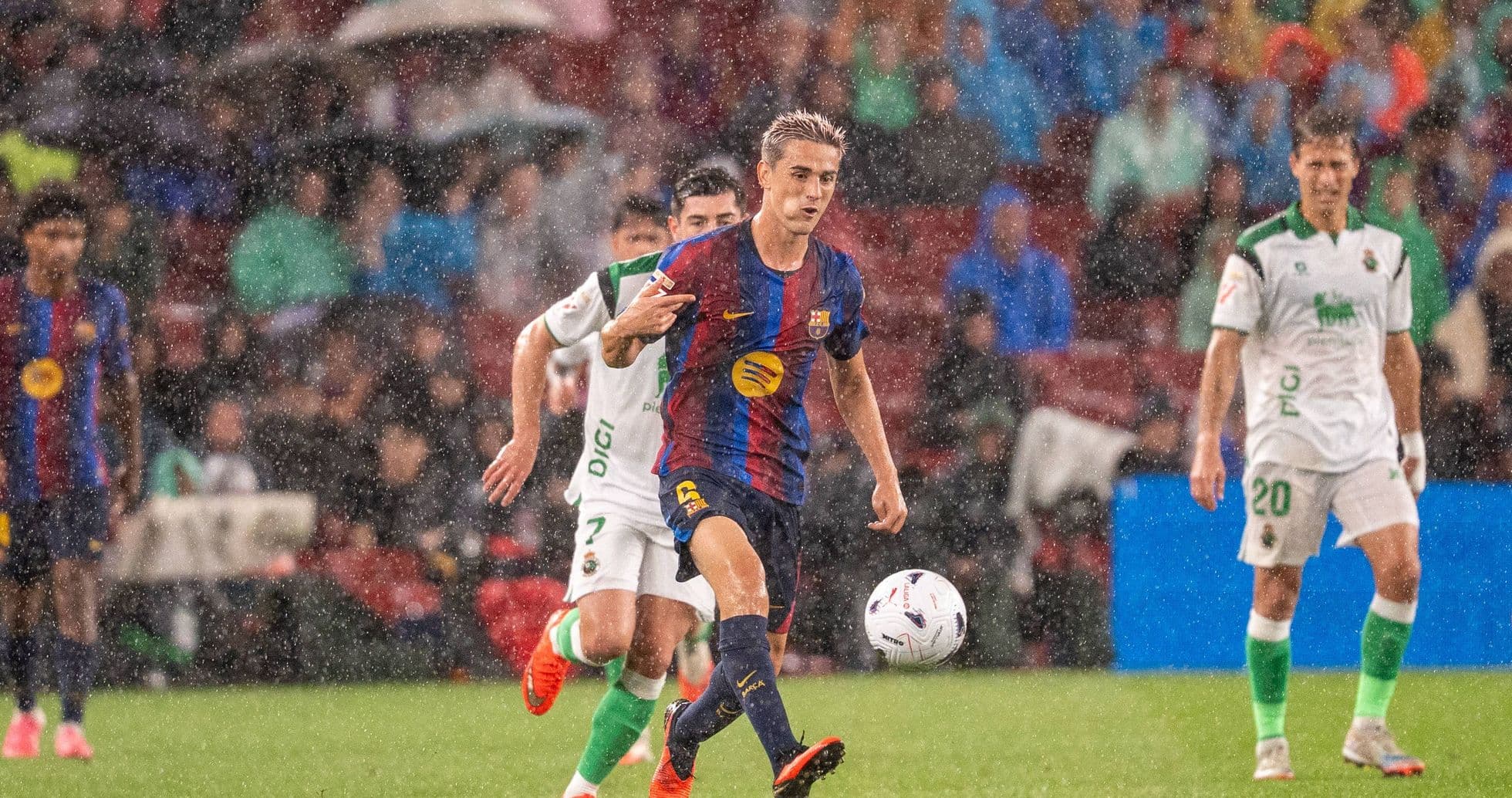
Gavi Reflects on Injury Return as Barcelona Dominate Racing Santander 7-2