
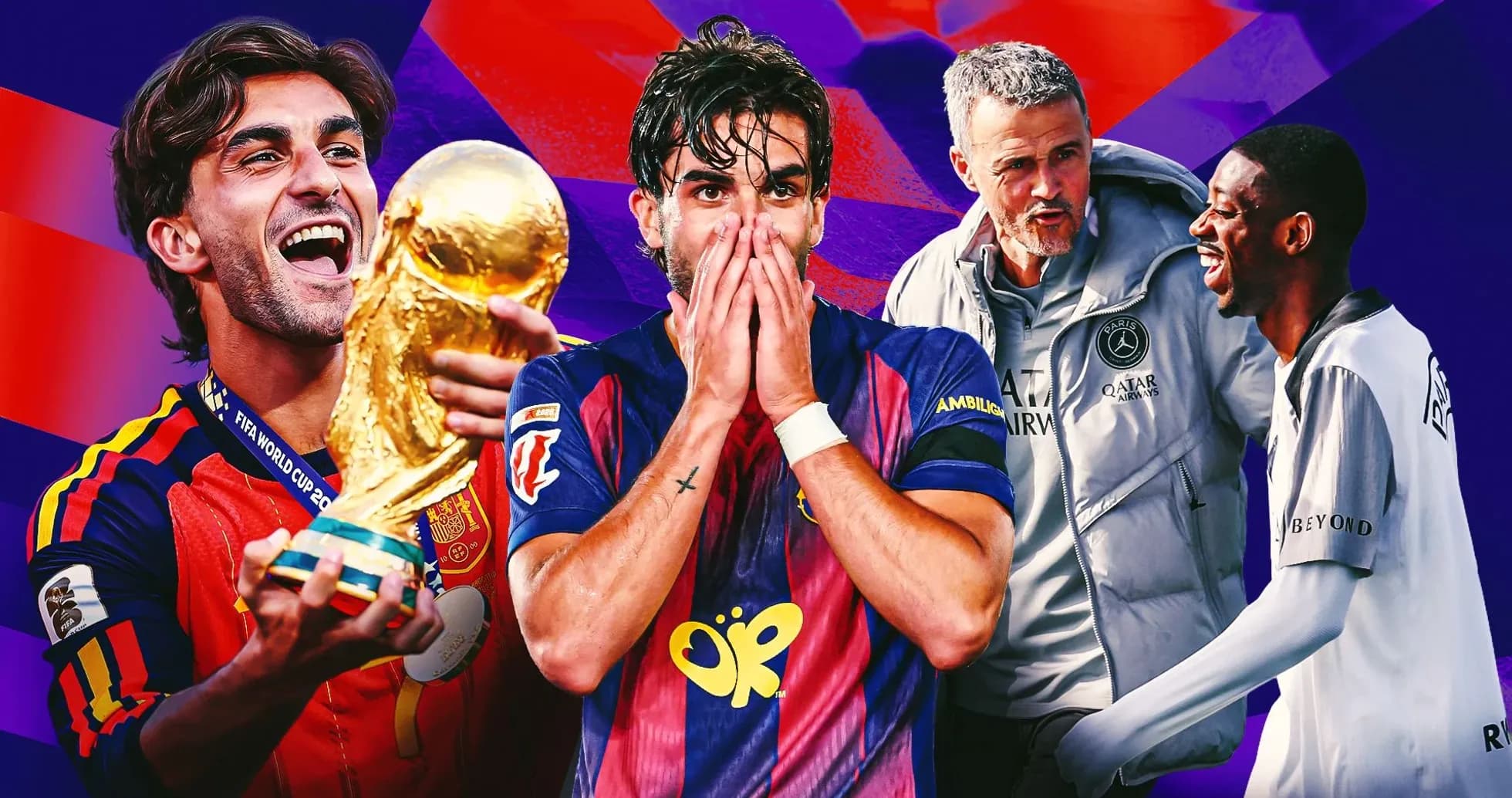
Ferran Torres Challenges Barcelona Boardroom: A Contract Dilemma
Ferran Torres has never been shy, but this time his words cut straight through the Barcelona boardroom.
“Every time these teams want you it’s a good thing… What do Barca need to do to keep me? They have to show me they want me, come to negotiate,” he told Sportico. It was a public challenge, a forward daring one of Europe’s great clubs to prove their faith.
At Camp Nou, it did not land well.
A Contract Clause Barca Can’t Ignore
According to The Athletic, those comments “raised eyebrows” inside the club, and not just because of the tone. Barcelona sporting director Deco is said to be “reluctant” to offer Torres a new deal for a very specific reason: money owed to his former club.
When Torres arrived from Manchester City in January 2022 for a total package of €65 million, the deal carried an extra clause. Renew his contract, and Barca must send another €7-8m to Manchester. Extend him, and he becomes even more expensive. Sell him, and that obligation disappears.
For a club still counting every euro, the equation is brutal. PSG are circling with serious intent, and a sizeable fee for Torres would not only avoid the extra payment to City, it would also help fund a move for their preferred target up front: Julian Alvarez.
Torres and his camp see that pursuit as a slap in the face, a clear signal that Barca do not truly trust him to lead the line. Given his numbers, they can argue their case.
Numbers That Don’t Change the Narrative
On paper, Torres has a right to feel aggrieved. Last season he hit 21 goals in 49 games in all competitions, two more than Robert Lewandowski and second only to Lamine Yamal’s 24 in the Barcelona squad. The year before, he scored 19. Those are not the figures of a fringe player.
Yet he is not spoken of in the same breath as Yamal, Raphinha, Pedri or Lewandowski when the story of Barca’s back-to-back Liga titles is told. There is a reason for that.
Hansi Flick has undeniably pushed Torres to a higher level since taking charge in 2024. The forward presses hard, runs relentlessly, and finds clever positions. But his form still swings wildly. Between January and April last season, right when titles are usually won and lost, he went 14 games without a goal. The drought dragged his finishing under the microscope again and reinforced an awkward truth: he remains a streaky forward, not a ruthless one.
At the same time, Barca have reshaped their attack. Anthony Gordon and Karim Adeyemi have already arrived, both capable of playing across the frontline. If Alvarez follows, Torres risks sliding from starter to squad option, especially with his preferred wide roles blocked by Yamal and Raphinha.
Diario Sport report that Barcelona want to recoup the full €65m they invested in him. If PSG agree to that price, it becomes hard to argue against cashing in on a player edging towards free agency. The timing, from Barca’s perspective, is almost perfect.
Flick sounded pragmatic when asked about the situation. “I have complete confidence in Deco and we know we have to do something [about signing a new striker]. But it also depends on Ferran, so we will see what happens,” he said. Translation: the door is open, in either direction.
PSG’s Allure – and Its Trap
Torres, for his part, can look at Paris and feel the pull. Luis Enrique’s PSG are not just champions of France; they have conquered Europe in back-to-back seasons, knocking Barca out in Catalonia on the way to last May’s Champions League crown. The Parc des Princes has become a destination for players who want medals, not just minutes.
Luis Enrique knows Torres well and wants him for a reason. The Spaniard fits his blueprint: mobile attackers who can swap flanks, drift into false nine positions and stretch defences without needing to play as a classic No.9.
With Goncalo Ramos sold to AC Milan at the end of June, PSG no longer have a traditional centre forward. Luis Enrique often preferred Ousmane Dembele through the middle in big games anyway, rotating Ramos in and out. Torres, with his versatility, should see more starts than Ramos managed, especially if Bradley Barcola’s proposed move to Liverpool goes through.
Yet anyone expecting him to arrive as the new star of Paris is fooling themselves. Even with Torres, the most devastating front three on paper still reads Khvicha Kvaratskhelia, Dembele and Desire Doue. That trio is already the envy of half of Europe.
There’s another catch. Ligue 1 does not test players like La Liga does, in either quality or intensity. For Torres, that means one thing: he will be judged primarily on the Champions League. His record there – 12 goals across four seasons with Barca – is respectable, but not the mark of a man who grabs knockout ties by the throat.
He might well have a better chance of lifting the trophy again in Paris than in Catalonia, even with Barca expected to add his Spain teammate and Ballon d’Or winner Rodri for 2026-27. But on a personal level, the move threatens to cement his status rather than transform it.
A Career at the Crossroads
The frustration, for those who still believe in Torres as more than a cog in the machine, lies in the alternatives he is turning away from. Atletico Madrid, Tottenham, Aston Villa, Napoli and Juventus have all been linked this summer. Each of those clubs could have offered him the one thing he has never fully had at elite level: a team built around him, a platform to prove he can be an elite, self-sufficient forward rather than a system piece.
Instead, he looks set to walk into another star-studded attack where his role will be important but rarely central.
His limitations are well known inside coaching circles. When he has to drop deep or hold the ball up against powerful defenders, his touch and strength desert him. He excels when he can dart into space behind a back line, timing his runs and finishing moves others create. Ask him to create those chances himself, and the problems start. That’s why his place in Barca’s XI has always felt fragile. It’s why, at the World Cup, he started only one of Spain’s eight matches despite his status as a national-team regular.
Luis Enrique’s structure in Paris will hide those weaknesses, not fix them. Torres will be protected by a system designed to maximise fluid runners and minimise their time spent wrestling with centre-backs. From a team perspective, it makes sense. From a developmental one, it offers little room for genuine evolution.
A Useful Man, Not a Beloved One
Back in Barcelona, the bond between player and fans has always felt lukewarm. Supporters respect his work rate, his willingness to press and track back, his knack for popping up with important goals. They do not adore him. The recent flirtation with PSG, played out so openly in public, risks snapping whatever fragile connection remained.
Torres knows he holds leverage after his performances in North America. His goals have given him a platform and a voice. The danger is that he has mistaken leverage for untouchability.
The grass in Paris will be manicured, the trophies within reach, the spotlight intense. But it will not automatically be greener. In France, as in Spain, Ferran Torres is unlikely to escape the role that has defined his career so far: the hard-running, tactically useful, occasionally decisive forward who always seems to sit just outside the inner circle.
The question now is simple. At 26, with his next move likely to define his prime years, is he content to remain the ultimate utility man at superclubs—or will he ever dare to find out if he can be something more?
Related News
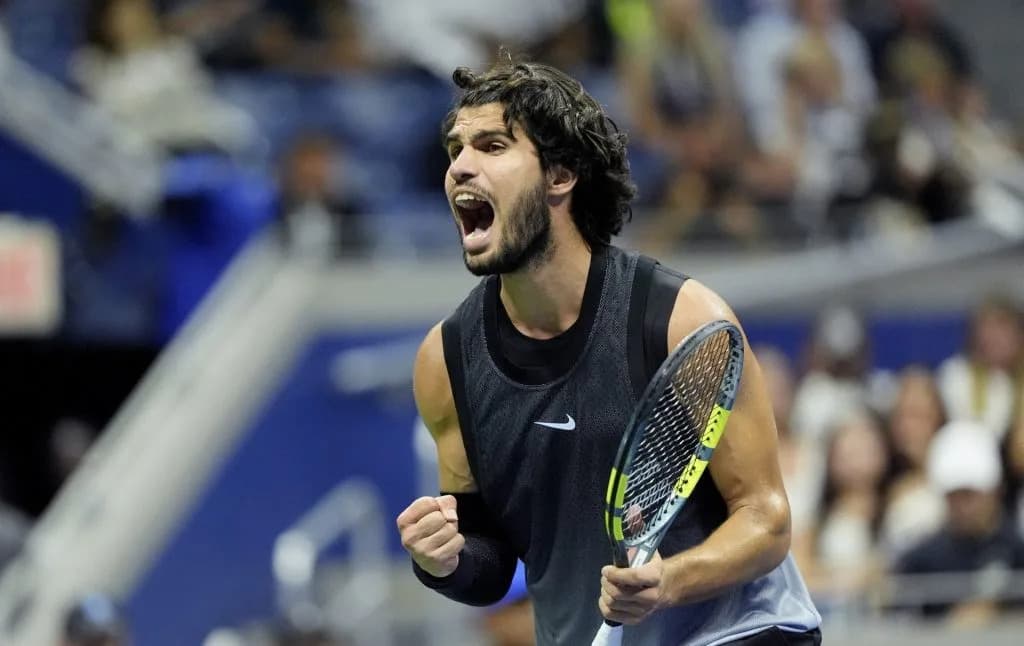
Carlos Alcaraz Urges Tennis Organizers to Stop Matches Finishing in the Early Morning
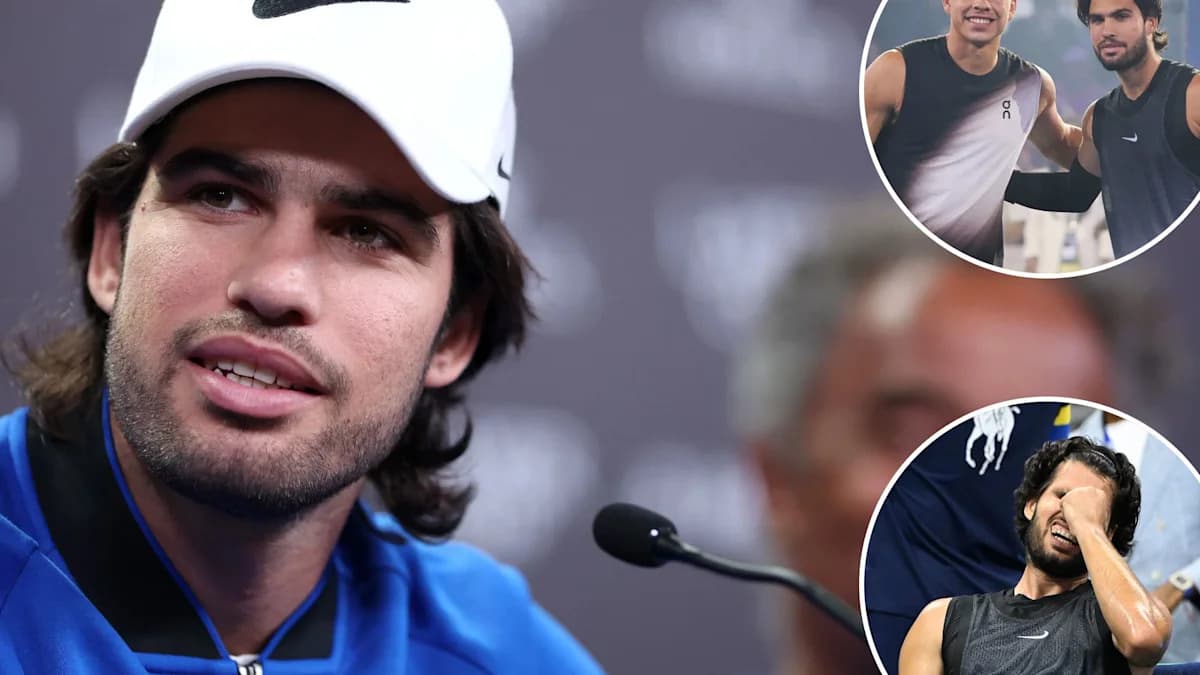
Carlos Alcaraz Frustrated by 3:30 a.m. US Open Finish: 'Too Much'
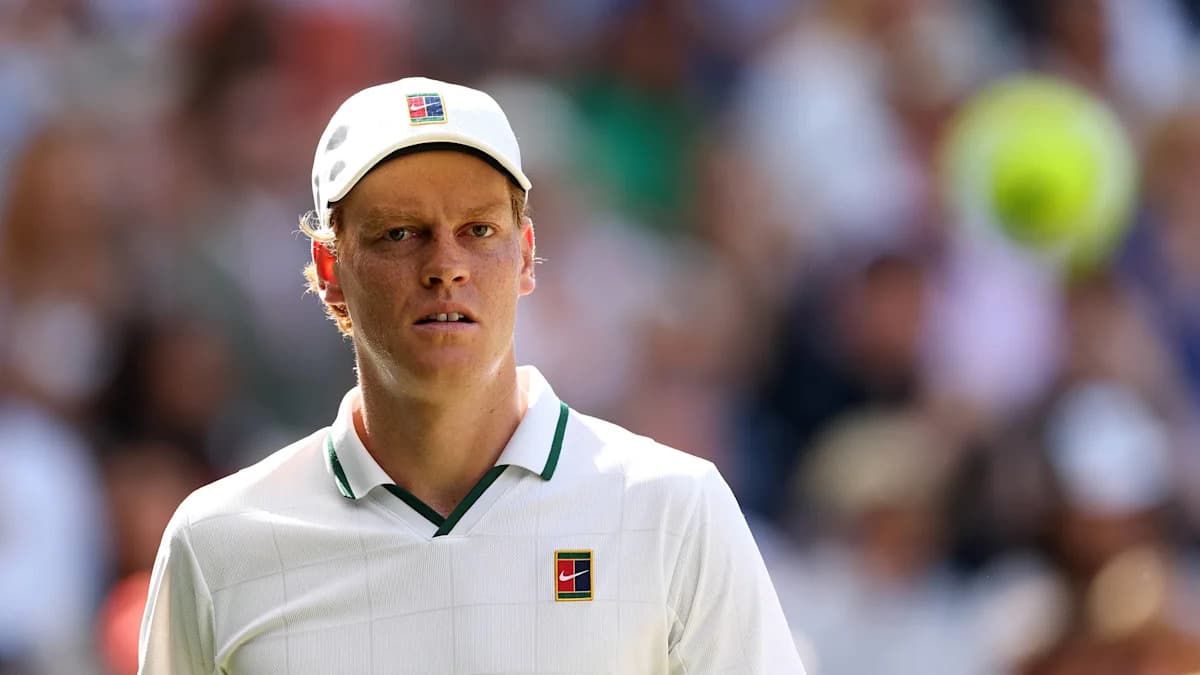
Jannik Sinner Set for ATP 500 Return in Beijing with Novak Djokovic Also Competing
Meet Iva Jovic: The Rising American Tennis Talent
Flavio Cobolli Shares Insights on Training with Jannik Sinner Ahead of His Tennis Return

Till vs Romero: Fight Details, Undercard, and Viewing Info for This Weekend