

FC Tulsa vs Colorado Springs: A Battle of Resilience
On a warm USL Championship night at ONEOK Field, a game that began as a statement of FC Tulsa’s home authority ended as a reminder of Colorado Springs’ stubborn resilience. The 2–1 away win, sealed in regulation under the watch of referee M. Thompson, subtly reshapes the Group Stage landscape: Tulsa, who came into the night ranked 4th on 19 points with a goal difference of +1, were trying to consolidate their place in the promotion race, while 7th‑placed Colorado Springs, also with a goal difference of +1, were hunting a result that would tighten the pack in the playoff chase.
Tulsa’s season-long identity has been built on balance and marginal control. Heading into this game they had played 13 league fixtures in total, winning 5, drawing 4, and losing 4. The numbers paint a side that rarely gets blown away: 17 goals scored and 16 conceded overall, with that +1 goal difference a numerical echo of their fine margins. At home they had been quietly efficient rather than explosive, with 3 wins, 2 draws, and 2 defeats from 7, scoring 9 and conceding only 6. An average of 1.3 goals for and 0.9 against at home underlined a team that prefers to keep matches in their grasp rather than turn them into shootouts.
Colorado Springs, by contrast, arrived as a more volatile proposition. Across 12 matches in total they had scored 20 and conceded 19, their +1 goal difference hiding a more open, risk‑accepting profile. On their travels they had already played 7 times, winning 2, drawing 2, and losing 3, with 10 goals scored and 12 conceded away from home. An away average of 1.4 goals for and 1.7 against suggested that when Alan McCann’s side leaves home, the game tends to stretch, and mistakes at both ends become more likely.
Into that statistical backdrop stepped two squads whose lineups told a story of intent. Luke Spencer’s Tulsa trusted experience and structure. In goal, A. Tambakis provided the last line of a unit that has already delivered 3 home clean sheets in the league. In front of him, the defensive core of H. St.Clair, A. Cissoko, L. Batista, and G. Robinson formed the protective shell that has kept home goals against down to 6. Cissoko’s presence in particular signalled a focus on aerial duels and penalty‑area authority, the kind of defender you build a low‑concession record around.
Ahead of them, D. Pierre and B. Sparks offered the legs and bite in the middle third, with G. Colli and J. Webber acting as the connective tissue between defence and attack. On the flanks and in advanced pockets, K. Elmedkhar and R. Cabral carried the creative burden, tasked with turning Tulsa’s controlled possession into that steady 1.3‑goal home average. The bench, featuring options like L. Dorsey, J. Kocevski, and Z. Siranga, gave Spencer levers to change tempo or add verticality, but the starting XI hinted at a side expecting to manage the game from a position of structure rather than chaos.
Colorado Springs, meanwhile, arrived with a lineup that mirrored their season: mobile, aggressive, and willing to trade blows. C. Shutler in goal has overseen a campaign with only 1 clean sheet in total, but also one in which his side’s attacking ambition has often justified defensive exposure. The back line of P. Burner, T. Maples, M. Mahoney, and A. Rocha was set up less as a deep block and more as a springboard. Burner and Rocha, in particular, signalled a willingness to push high and support wide attacks, even at the risk of leaving space behind.
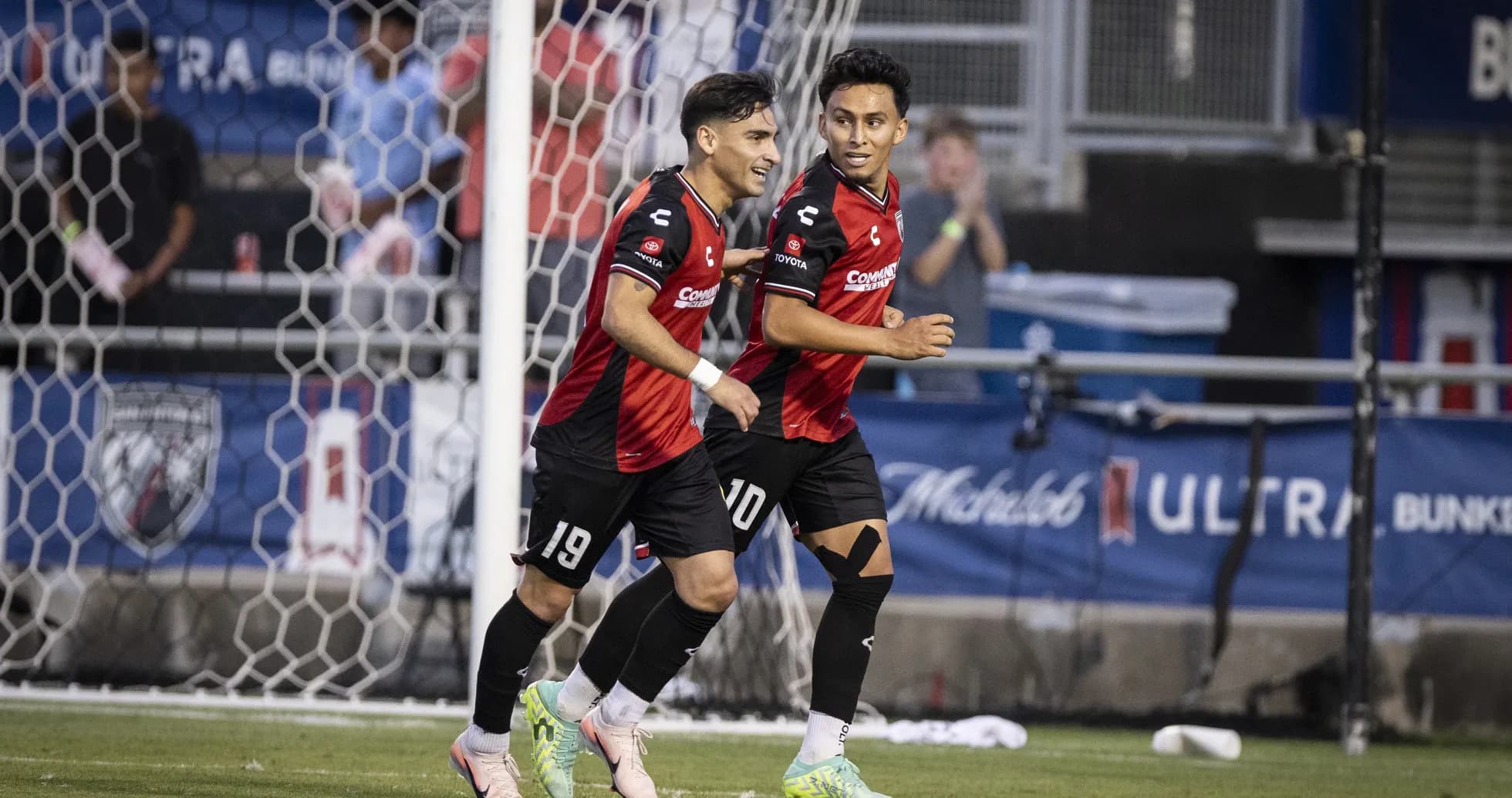
The midfield band of D. Williams, B. Creek, and A. Perez gave McCann a mix of steel and craft. Williams’ job was to disrupt Tulsa’s rhythm, especially in the central lanes where Tulsa’s home solidity is built. Perez, wearing the 10, represented the creative nerve centre: the player most likely to find the passes that turn Colorado Springs’ 1.7 total goals‑per‑game average into something more tangible on the night. Ahead of them, the front trio of J. Tejada, J. Fjeldberg, and K. Bennett provided variety—Tejada’s movement, Fjeldberg’s link play, Bennett’s direct threat—all tailored to exploit any looseness in Tulsa’s back four.
Key Matchup
Tactically, the key matchup was always going to be Tulsa’s defensive record at home against Colorado Springs’ attacking output away. Tulsa’s 0.9 goals conceded on average at home met an opponent that scores 1.4 on their travels; something had to give, and ultimately it was the hosts’ control that cracked. The first half, which Tulsa edged 1–0 by the interval, reflected their usual pattern: measured, compact, and opportunistic in the final third. But as the game wore on, Colorado Springs’ away profile asserted itself. Their season‑long tendency to score and concede in roughly equal measure away from home translated into a second‑half surge that flipped the scoreline to 2–1 in their favour by full time.
Disciplinary trends quietly shaped the rhythm. Tulsa’s yellow card distribution this season is weighted towards the final half hour, with 22.86% of their cautions arriving between 61–75 minutes and 20.00% between 76–90. Colorado Springs, similarly, see 23.81% of their yellows between 46–60 and another 14.29% in the closing 76–90 window. That shared late‑game edge added an undercurrent of risk to the final stages, as both sides chased decisive moments with the knowledge that a mistimed tackle could tilt the balance.
Engine Room Duel
In the “Engine Room” duel, Tulsa’s pairing of Pierre and Sparks against Williams and Creek was central. Tulsa needed their double pivot to protect the back line and feed Elmedkhar and Cabral in advanced zones. Colorado Springs required Williams to break up those patterns and allow Perez to operate between the lines. Over 90 minutes, the visitors’ midfield disruption and transitions eventually out‑punched Tulsa’s structure.
From a statistical prognosis standpoint, the result fits the underlying numbers more than it defies them. Tulsa’s overall goal difference of +1 from 13 matches and Colorado Springs’ +1 from 12 suggest two sides accustomed to fine margins rather than dominance. Tulsa’s reliance on defensive solidity at home was always vulnerable to a team with Colorado Springs’ attacking inclination and 1.7 goals‑per‑game overall scoring rate. With both teams perfect from the spot this season—Tulsa scoring 2 of 2 penalties, Colorado Springs 5 of 5—any penalty on the night would likely have been decisive, but none was needed.
Following this result, the narrative tilts slightly. Tulsa’s aura of control at ONEOK Field has been punctured, while Colorado Springs have reinforced their identity as dangerous travellers who are comfortable living on the edge of their own defensive line. In a Group Stage framed by promotion ambitions and 1/8‑final playoff implications, this 2–1 away win feels less like an upset and more like a logical extension of two statistical profiles colliding—and one side, just barely, bending the margins in their favour.
Related News
San Antonio Triumphs Over Colorado Springs in USL Championship Clash
Charleston Battery's Dominance Over Loudoun United: A Tactical Analysis
Orange County SC Triumphs 4-2 Over Miami FC in USL Showdown
Colorado Springs vs San Antonio Match Preview
Colorado Springs vs San Antonio: USL Championship Clash Preview
Miami FC vs Orange County SC Match Preview