
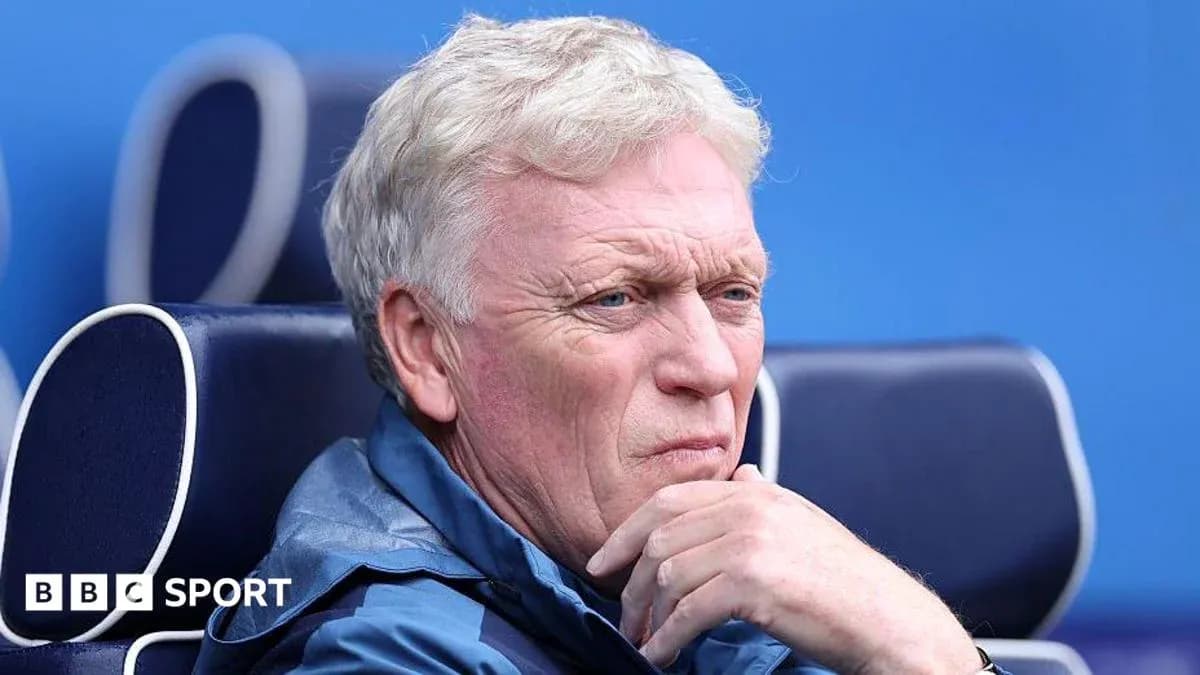
Everton's Season Review: From Champions League Hope to Mid-Table Reality
For much of last season, Everton supporters allowed themselves to look upwards for once.
Jack Grealish, a bold loan gamble, lit up the early months. Kiernan Dewsbury-Hall kept deciding tight games with the kind of calm, late interventions that turn seasons. Thierno Barry and Beto, both uneasy and unsure in autumn, suddenly found the net with regularity as winter turned to spring.
When Chelsea were swept aside 3-0 on 21 March, Everton sat eighth, three points off the Champions League places with seven games to go. The Hill Dickinson Stadium felt like a launchpad. Europe no longer looked like a fantasy. It looked like a plan.
Then the whole thing fell apart.
Everton did not win another league game. Not one. It was the longest winless run since David Moyes returned for his second spell in 2025, and it dragged a vibrant campaign into something far more sobering.
The turning point came quietly enough: a 2-2 draw at Brentford on 11 April. Everton led, then faltered, and never truly recovered. Across the rest of the season, their form slumped to bottom-three levels. Only relegated Burnley and Wolves joined them in failing to win a single match in that period. From chasing the Champions League to keeping company with the doomed – the contrast was brutal.
Even so, when Sunderland arrived for the final home game of 2025-26, the door to Europe had not yet slammed shut. In his programme notes, CEO Angus Kinnear described himself as "happily dissatisfied" with the season. It was an odd phrase, an attempt to balance progress with frustration. Ninety minutes later, after a 3-1 defeat to the newly promoted visitors, it sounded painfully out of tune.
Sunderland surged on to finish seventh and claim European football for the first time in 53 years. Everton finished 13th. Again.
Same place, different feeling
That is the irony for Moyes. Two seasons back at Everton, two 13th-place finishes, two very different verdicts.
When he walked back through the door 18 months ago, Everton were a point above the relegation zone and emotionally drained by financial breaches, points deductions and constant flirtations with disaster. He steadied them. They ended that first season 23 points clear of the bottom three. Mid-table felt like a minor miracle.
Last summer, with the Friedkin Group now in charge and the club finally spending again, expectations shifted. Everton’s £97m net outlay was a club-record summer investment. Same position in the table, one extra point, a lot more scrutiny.
For former midfielder Leon Osman, who lived through the club’s previous Moyes era, the bigger picture still matters.
After years of chaos, he sees two mid-table finishes as a form of progress, a return to stability. Everton, for once, are not talking about survival. They are talking about what comes next.
Moyes, 63, has been blunt about the scale of the task. Everton rank only 15th for net spend among current Premier League clubs over the past five years. They are not shopping in the same aisle as the division’s biggest spenders.
Yet the league table offers awkward counterpoints. Bournemouth made a profit of £81m on transfers last summer and still finished sixth. Brighton banked £41m and came eighth. Both clubs operate leaner, smarter recruitment models. Both finished well above Everton.
New home, old problems
The move to the Hill Dickinson Stadium was supposed to signal a new era. A modern arena, a fresh identity, a clean break from Goodison’s ghosts. Instead, the numbers tell an uncomfortable story.
Everton’s home return of 1.2 points per game was the worst of any team starting life in a new Premier League stadium in the competition’s history. Their away form, by contrast, ranked in the division’s top seven. The new home never became a fortress; it barely became familiar.
Osman believes context still matters. Bournemouth and Brighton, he argues, are further along in their development, with settled structures and clear identities. Everton are still adjusting – to new owners, a new ground, and a squad in flux.
The loss of Grealish in January cut deep. The numbers underline it. With him, Everton won 45% of their games and averaged 1.6 points per match. Without him, that dropped to a 22% win rate and a single point per game. One player should not define a season, but his absence ripped a hole in Everton’s creativity and control.
By the run-in, Moyes’ intensity and a relatively small squad caught up with them. Legs went. Belief followed.
A rebuild still half-done
Everton’s recruitment story remains complicated. Under former owner Farhad Moshiri, eight players signed for £20m or more eventually left for nothing. It was a damning symbol of waste and short-term thinking.
The Friedkin Group’s first major window last summer brought nine new faces and a clear tilt towards youth. The payoff has been mixed.
Grealish and Dewsbury-Hall justified the outlay and the risk. Around them, the picture is less clear. Tyler Dibling, a £35m winger from Southampton, started only six league games. Adam Aznou, the young left-back from Bayern Munich, is still waiting for his Premier League debut. Barry, at 23, dominated in the air – no player won more aerial duels in their first Premier League season – but remained streaky in front of goal. Merlin Rohl, 24, barely featured before finally impressing with a late run of four starts in May.
The model is obvious: buy younger, develop, build value. The execution is still catching up.
There is also the matter of who stays and who goes. Local reporting suggests Grealish is expected to re-sign on loan later in the window as he continues his recovery from a stress fracture in his foot, with wages remaining around £200,000 per week. Iliman Ndiaye has been linked with a move to Saudi Arabia.
Osman would happily see Grealish back – but only on terms that make sense for Everton. Ndiaye, he believes, is a player the club should fight to keep, even if a big offer might eventually force a broader rethink and fund two or three additions.
Experience out, pressure up
The dressing room is changing fast. The departures of Seamus Coleman and Idrissa Gueye strip more than 600 Premier League appearances from the squad. That loss of know-how partly explains interest in experienced operators such as Christian Norgaard.
Compounding that, James Garner, a key figure in midfield, is set to miss the start of the season after groin surgery. For Moyes, it creates a familiar managerial paradox: he may have to lean on younger players he has so far been cautious to trust.
They, in turn, must convince him.
"They need to show they're capable and deserve to play," Osman has argued. The hope inside the club is that a year of adaptation pays off now – that players such as Dibling and Youssef Chermiti’s contemporary cohort, including youngsters like George, step forward, absorb the demands, and turn promise into reliability.
If that happens, Everton’s squad suddenly looks deeper, more rounded, more trustworthy. If it doesn’t, another season of treading water beckons.
Moyes has 12 months left on his contract. Relegation talk has vanished, which is no small achievement given where Everton stood when he walked back in. Yet with a new stadium, heavy investment and rivals thriving on leaner budgets, the next step cannot be delayed forever.
This time, mid-table will not be enough.
Related News
Raphinha’s Hat-Trick Powers Barcelona to 7-2 Victory Over Racing Santander
Carabao Cup Fourth Round Draw: Liverpool Set to Clash with Chelsea, Arsenal to Face Fleetwood Town
Key Football Matches to Watch in Azerbaijan This Autumn
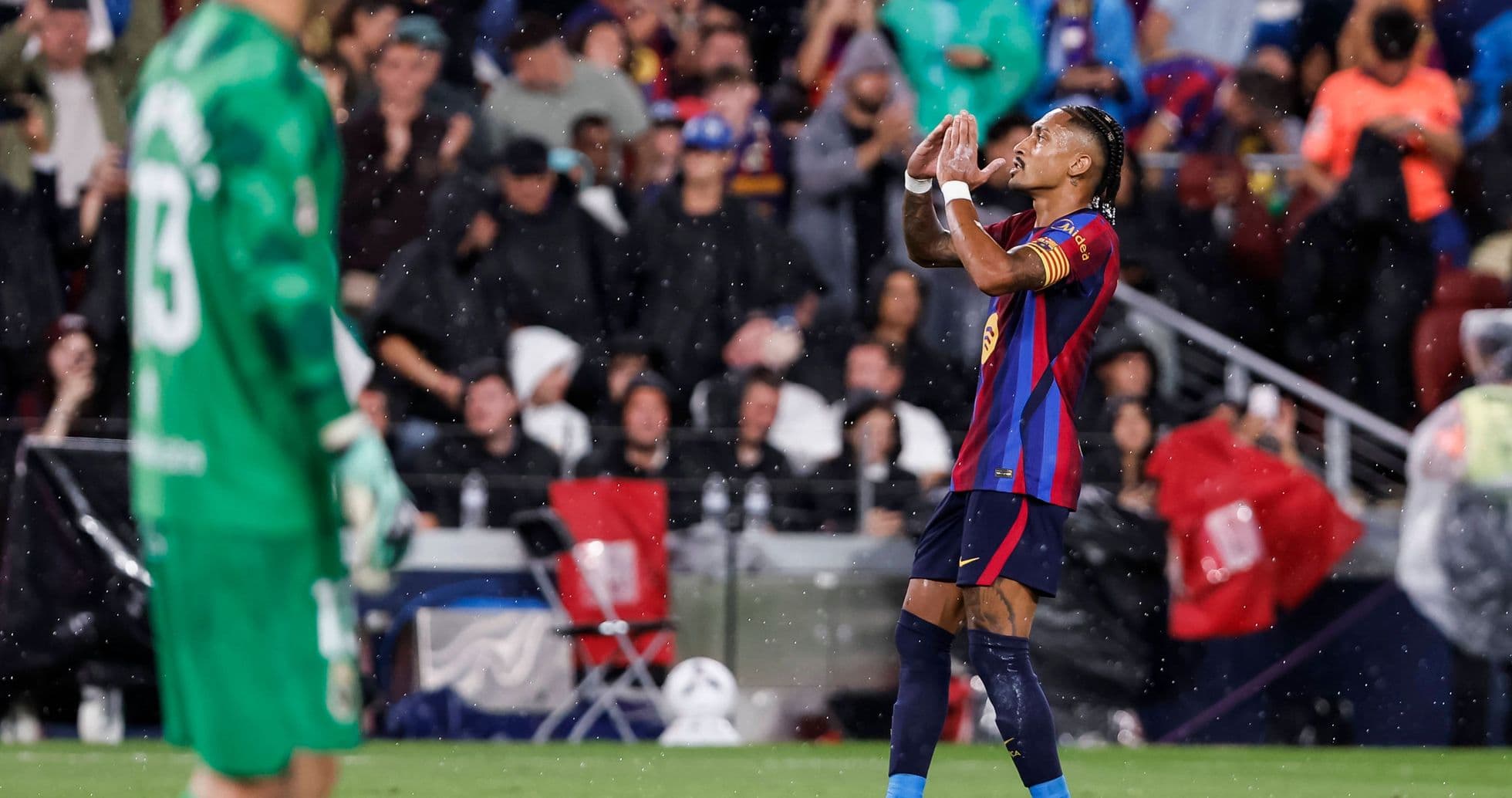
Raphinha's Hat-Trick Drives Barcelona to 7-2 Triumph Over Racing Santander
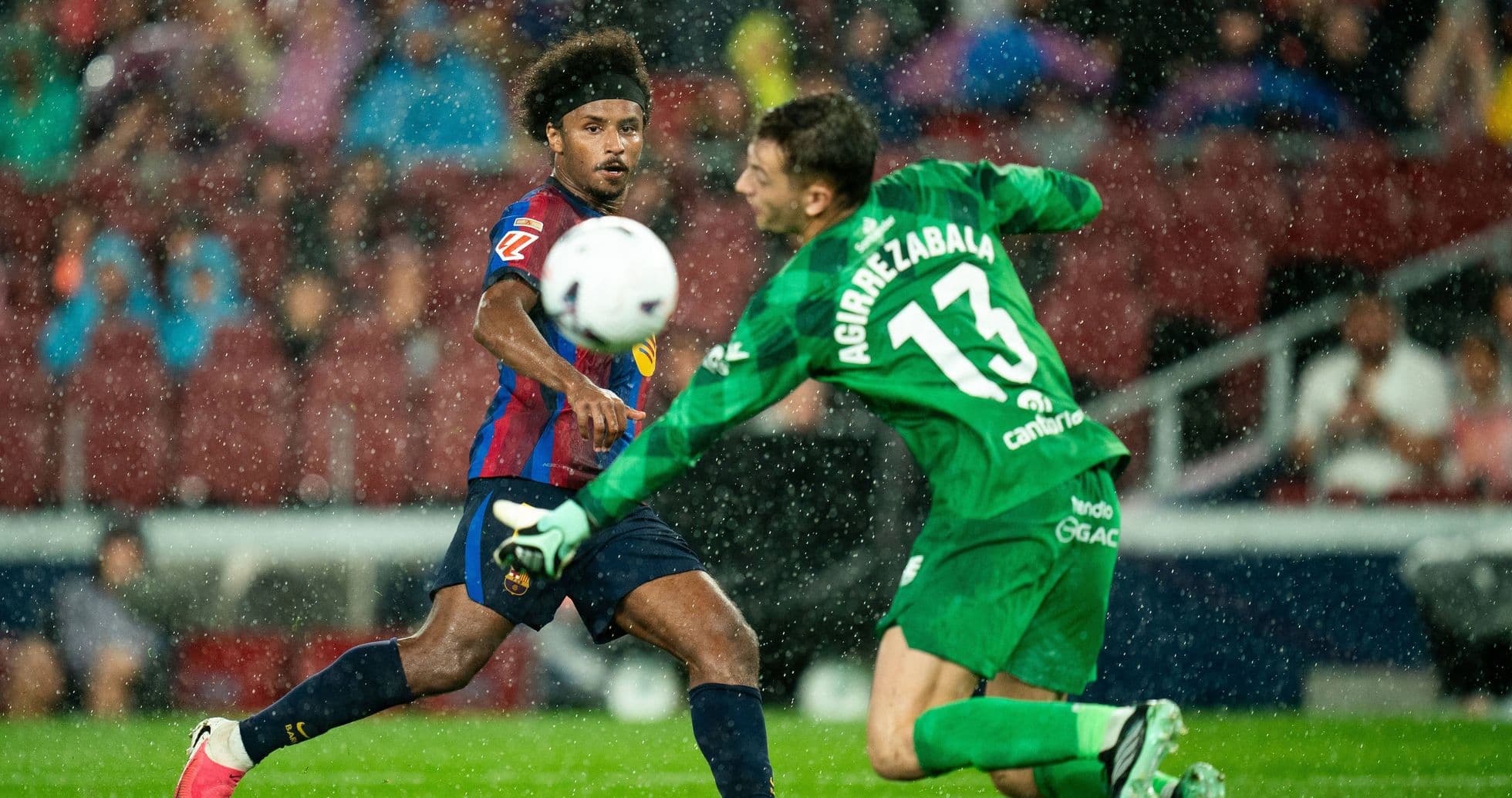
Hansi Flick Leads Barcelona to Record-Breaking Seven Wins in a Row
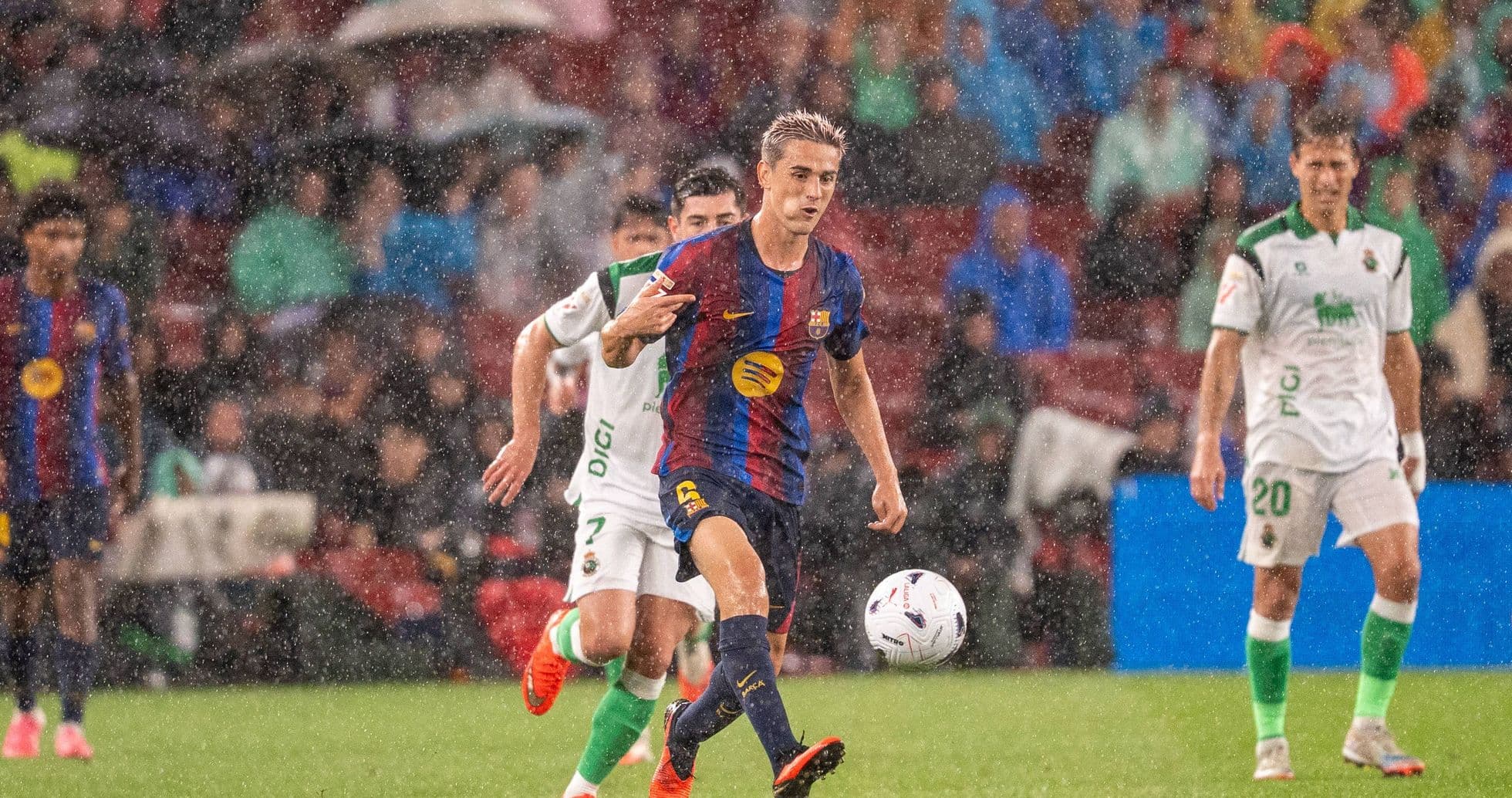
Gavi Reflects on Injury Return as Barcelona Dominate Racing Santander 7-2