
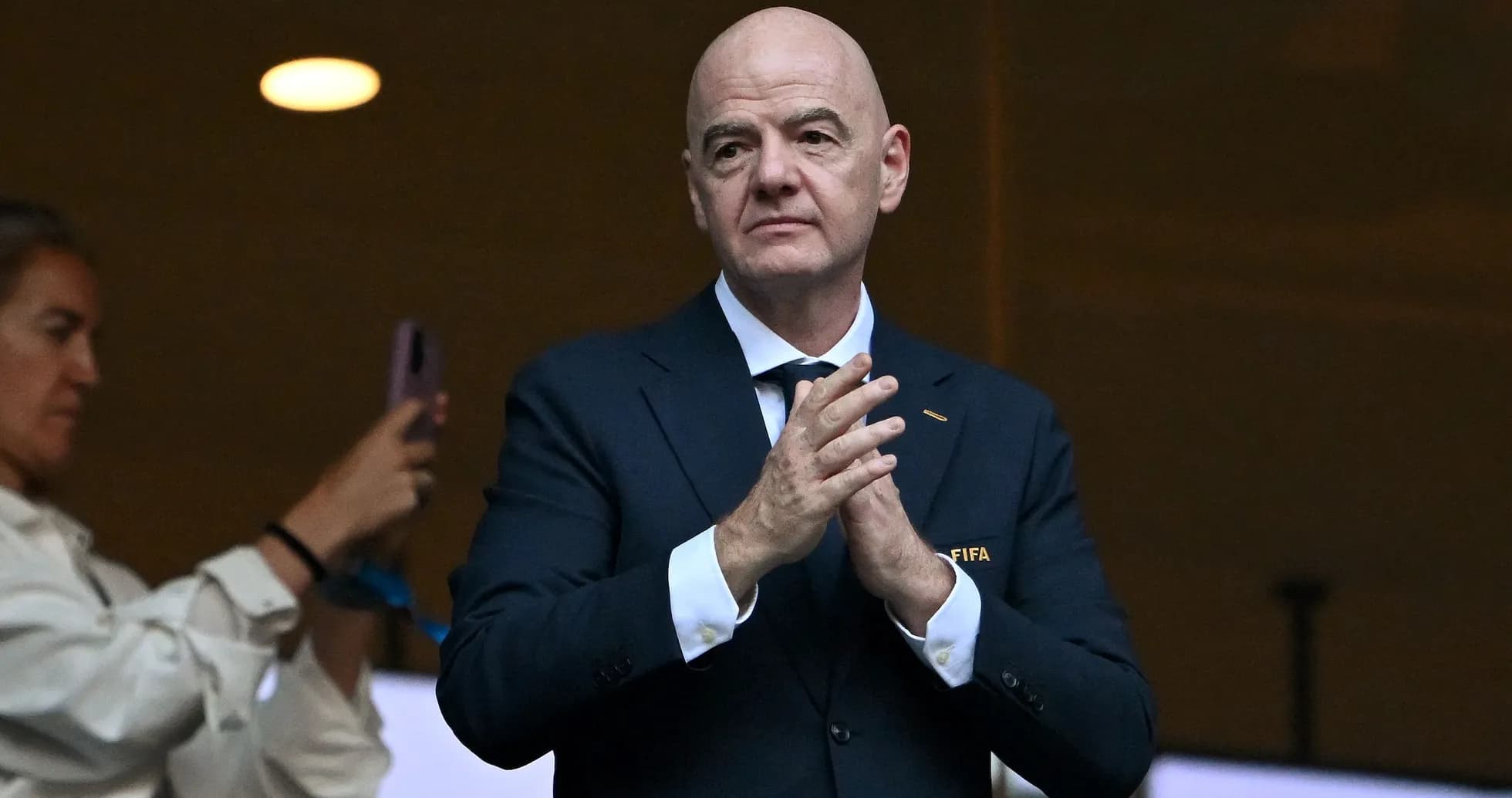
European Nations Threaten Boycott Over Infantino's FIFA Plans
The prospect of England and other leading European nations walking away from FIFA competitions is no longer just sabre-rattling. It is on the table, real, and looming over the international calendar.
The crisis erupted after Gianni Infantino pushed a deeply contentious plan to create a new FIFA subsidiary, designed to manage and sell off major chunks of the organisation’s crown jewels – including commercial stakes in the World Cup itself. The proposal detonated across Zurich and Europe alike, and by Friday night the scheme had collapsed under the weight of outrage.
But the damage has not gone away with it.
UEFA digs in and turns on Infantino
UEFA’s stance is uncompromising. In a blistering statement to Sky News, a spokesperson made clear that Europe’s national associations had attached two non‑negotiable conditions to any continued participation in FIFA competitions.
- First, the proposal to sell off major competitions had to be withdrawn. That has now happened.
- Second, UEFA demanded cast‑iron guarantees that such an attempt to “disfigure the game” would never resurface.
Those guarantees have not been delivered.
On top of that, UEFA underlined that its confidence in Infantino’s presidency has already evaporated. It spelt that out publicly on Saturday and, as the spokesperson stressed, “That position holds.” A subsequent announcement that staff employed by the FIFA president support him – people whose careers depend on his favour – has, in UEFA’s view, altered nothing.
This is no routine political skirmish. It is open revolt.
FIFA apologises – but refuses to back down on power
Sensing the scale of the backlash, Infantino and FIFA secretary general Mattias Grafstrom moved to calm the storm. They sent a joint letter to associations, attempting to lower the temperature without ceding control at the top.
The letter expressed regret over how the commercial scheme had been rolled out and acknowledged mistakes in its handling, particularly once details leaked to the media. “We sincerely apologise for these errors and commit to them not happening again,” FIFA’s senior leadership wrote, promising a review and a report to the FIFA Council at its next meeting.
What the letter did not offer was what many European associations now want: a sweeping overhaul of FIFA’s leadership, or any hint that Infantino himself might step aside.
Instead, even as it held out an apology, FIFA mounted a robust defence of the original plan’s legality. It insisted the project sat comfortably within the organisation’s statutes and warned sharply against any further leaking of confidential information.
“With the project withdrawn, FIFA will no longer tolerate any attacks on its integrity, good governance and due process and will take all necessary measures to protect and safeguard its name and reputation,” the leadership wrote, adding that “everything that was done, was done in full compliance with the FIFA regulatory framework.”
The message was clear: we may have backed off this time, but we will not be lectured.
World Cup stakes – and England in the firing line
That hard line has only stiffened European resistance. UEFA’s conditions remain unmet, its trust in Infantino broken. Now the stand‑off is beginning to collide with the match calendar.
The first flashpoint is almost upon FIFA. The Women’s U20 World Cup is due next month, and England have already named a training squad. Yet their participation now sits under a cloud, with youth sides potentially dragged into a row they did nothing to start.
If that tournament goes ahead without some of Europe’s heavyweights, it will be a stark warning of what could follow.
Because the real test lies further down the road.
The qualifying play‑offs for the 2027 Women’s World Cup are scheduled for October and feature England, Scotland, Wales, Northern Ireland and the Republic of Ireland. These are not fringe fixtures. They are central to FIFA’s flagship women’s tournament and to the ambitions of the home nations.
Should the boycott threat harden into action by then, Infantino would face the nightmare scenario: a World Cup cycle compromised by the absence – or at the very least the open defiance – of some of the game’s most influential associations.
The commercial plan may have been scrapped on paper. The political fallout has not. And unless someone blinks, the next World Cup could be shaped less by tactics and talent than by who even turns up.
Related News
Carlos Alcaraz Urges Tennis Organizers to Stop Matches Finishing in the Early Morning
Carlos Alcaraz Frustrated by 3:30 a.m. US Open Finish: 'Too Much'
Jannik Sinner Set for ATP 500 Return in Beijing with Novak Djokovic Also Competing
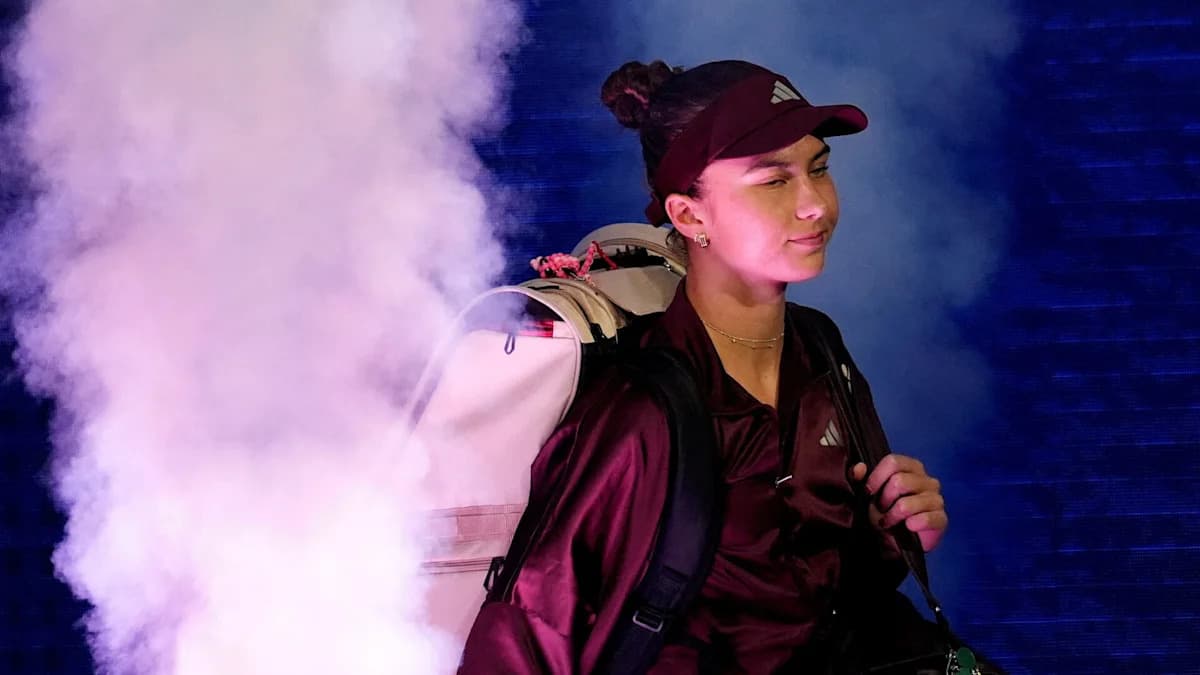
Meet Iva Jovic: The Rising American Tennis Talent
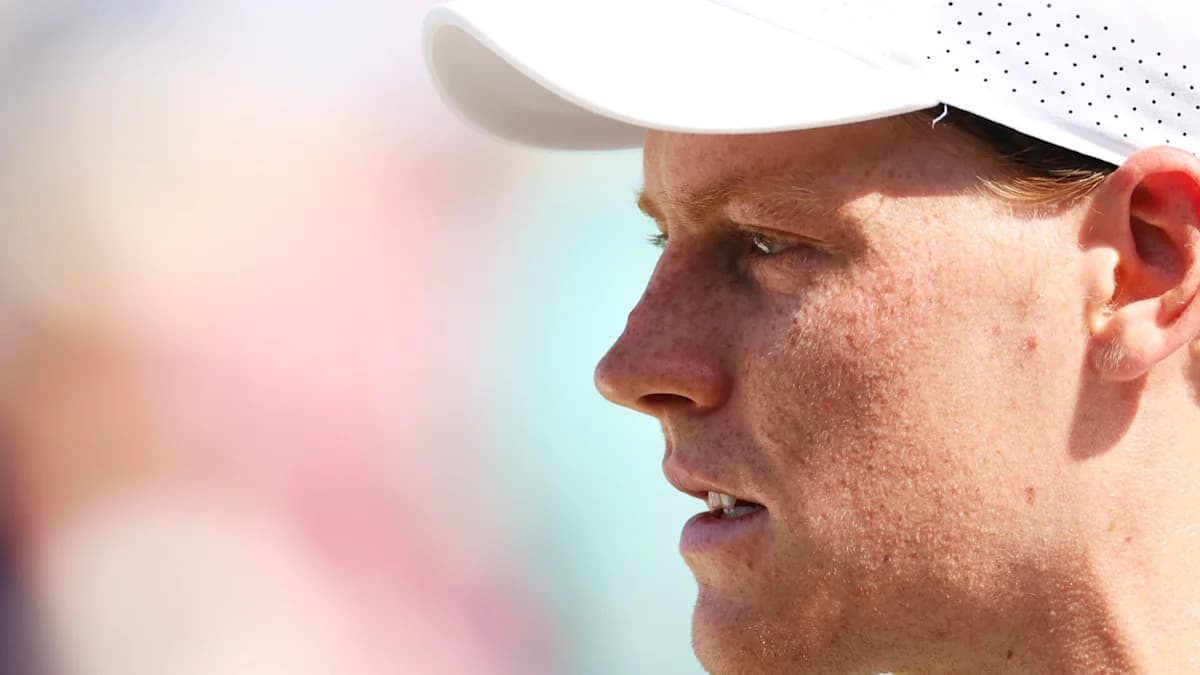
Flavio Cobolli Shares Insights on Training with Jannik Sinner Ahead of His Tennis Return
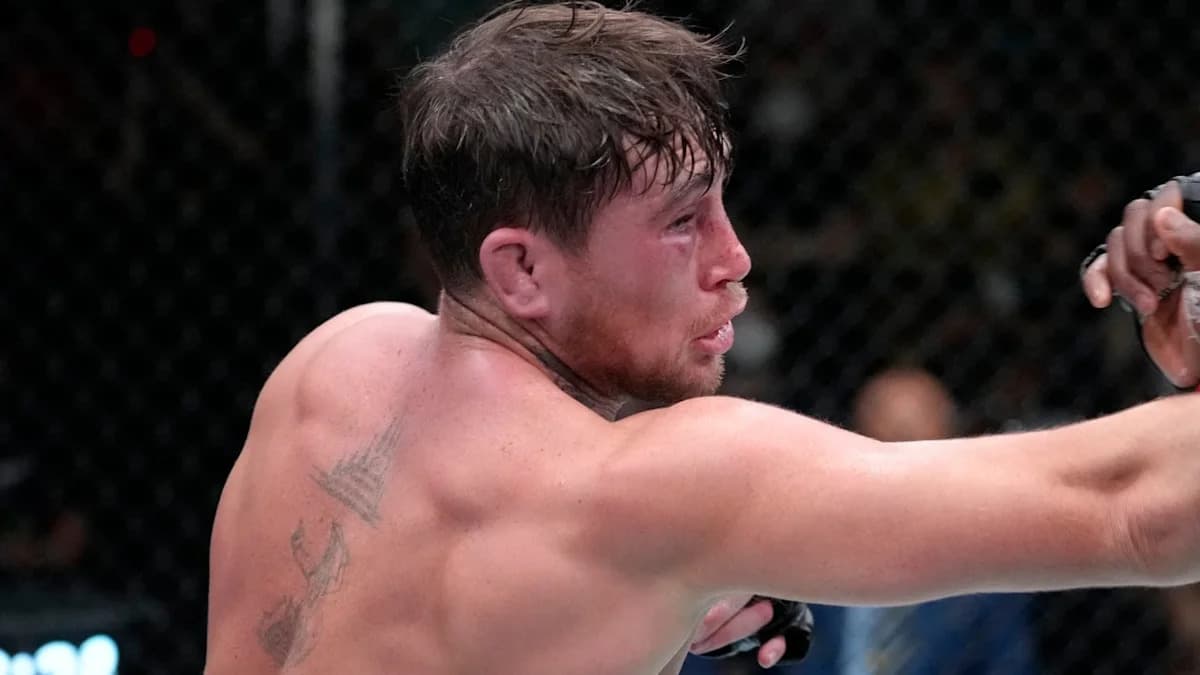
Till vs Romero: Fight Details, Undercard, and Viewing Info for This Weekend