
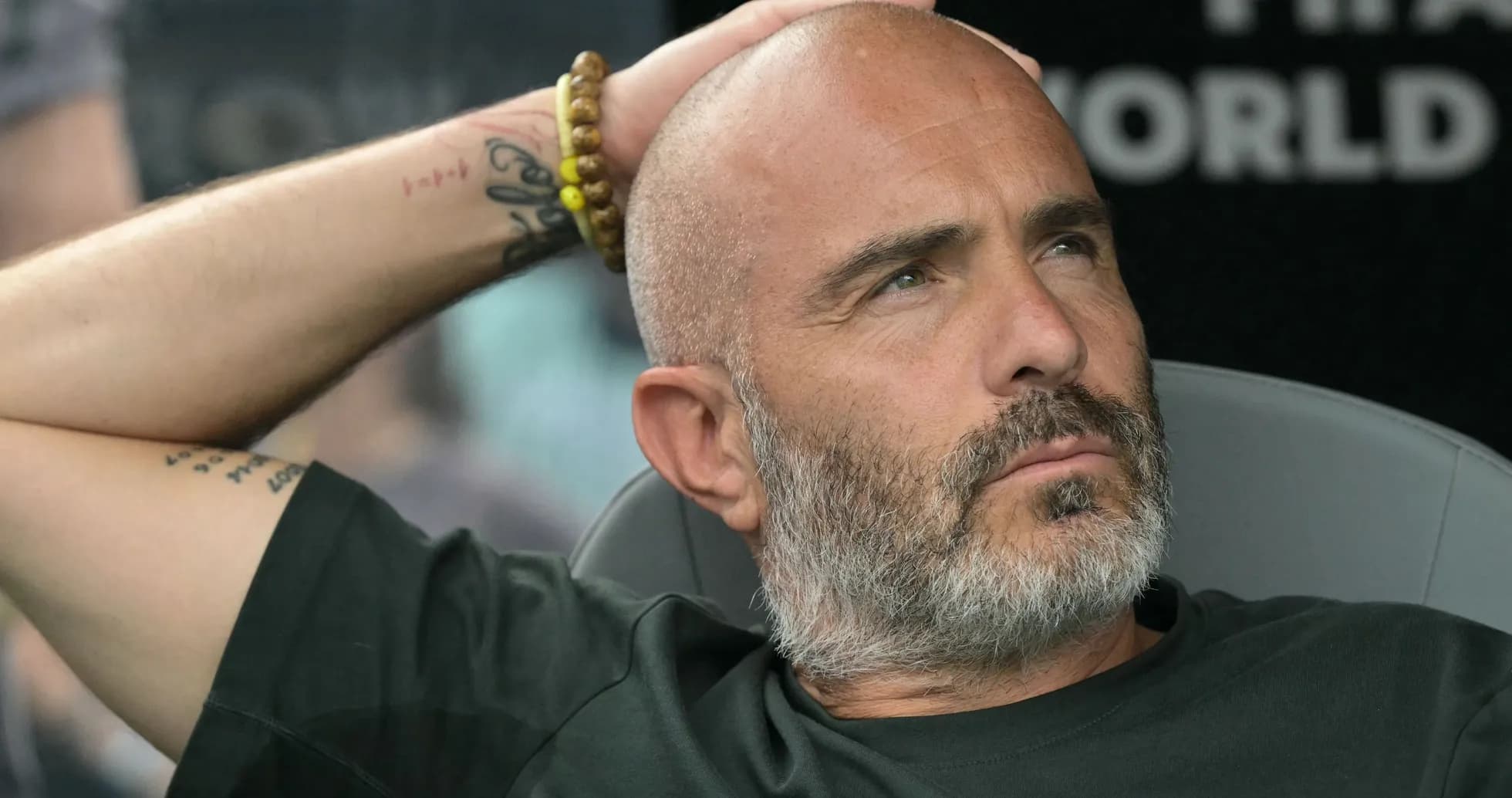
Enzo Maresca Returns to Manchester City as Head Coach
Enzo Maresca walks back into Manchester City not as a wide‑eyed apprentice, but as the man asked to follow the most transformative manager of his generation. He knows exactly what that means. And he is not pretending otherwise.
“I feel as though I have returned home”
Before he spoke about tactics, transfers or the Guardiola question, Maresca paused. He opened his first press conference with a message to the family of Kevin Keegan, a small but telling gesture from a coach eager to show he understands the club’s past as much as its future.
Only then did he turn to his own return.
“I feel as though I have returned home,” he said, describing how comfortable he felt from the first day back at the training ground. This is his third spell at City: once in charge of the elite development squad, once as Pep Guardiola’s assistant in 2022–23, and now as the man in the big chair.
That familiarity, he explained, is not a footnote. It is the foundation of his decision.
He talked about knowing “the institution” and the people inside it, about the rare stability of a club that has had only three coaches across roughly 17 years. In a sport addicted to churn, City have built an empire on continuity. Maresca has stepped into that line, after Roberto Mancini, Manuel Pellegrini and Guardiola.
“From the moment Manchester City contacted me,” he said, “I had no doubt about accepting this challenge.”
Following Guardiola
The word “challenge” did not hang in the air by accident. Taking over from Guardiola is as daunting as it gets for a modern coach, and Maresca did not try to downplay it.
He called it “a great privilege” to be chosen by City and repeated his belief that Guardiola has been perhaps the best coach in the world over the last 20 to 25 years. That is the shadow he walks into every morning at the City Football Academy.
He reached for history to frame it. Sir Alex Ferguson. Arsène Wenger. Managers who stayed for eras, not cycles, and left successors wrestling with the weight of expectation. Maresca knows the script. His response is to focus on the opening act.
“My goal now is to do the right things from the very beginning for the sake of the club and the fans,” he said.
Again he circled back to the structure around him. The boardroom stability that first drew him here now serves as his safety net. A club that has changed coach so rarely in nearly two decades, he argued, gives him confidence that this is a project, not a trial.
Transfer plans and a staggered pre-season
The summer window, he made clear, is still very much alive.
“There is always something that can be done,” he said, talking about the push to hit “certain objectives” while also acknowledging the usual transfer‑market turbulence. Some deals still need to be completed. Work is ongoing.
On the training pitches, pre-season is split in two. The full senior squad will not assemble until just three or four days before the Community Shield. Until then, the new head coach has thrown himself into sessions with a large group of young players.
He spoke with real enthusiasm about their energy and the “very impressive levels” some of them are showing. For a coach who built his reputation developing talent at City and Leicester, it is an early comfort zone before the stars return and the scrutiny sharpens.
Rodri, Chelsea and loose ends
No new City manager escapes questions about his biggest names, and Maresca’s first inquisition was no different.
Rodri, one of the pillars of City’s recent dominance, has been the subject of speculation. Maresca brushed it aside with the matter‑of‑fact tone of someone who has worked at the top end of the game long enough to know the rhythm.
Big players attract rumours. Rodri has just won a World Cup and delivered elite performances; of course the world wants him. For Maresca, the immediate reality is more medical than market-based. The midfielder will undergo surgery on Monday, then rest, then return. The message was simple: he remains a City player, and the coach expects to work with him again once the recovery is done.
The Chelsea question was less about personnel and more about politics. After the London club’s pointed statement on his departure, there was an opening for a jab. Maresca refused it.
He spoke instead of feeling fortunate to have worked at Leicester and Chelsea, of the “successes and a clear identity” forged at both clubs, and of his gratitude for those experiences. Then he shut the door. His focus, he said, is entirely on Manchester City. “There is nothing I have to add.”
Grealish, Trafford and the realities of a live window
Jack Grealish’s future sits in the usual summer swirl, but for now Maresca’s stance is straightforward.
“Jack is here, and he is a Manchester City player,” he said. As long as a player belongs to the club, it is his duty to work with him. He described a good relationship, praised Grealish’s “big heart” and personality, and left the rest to the market: “We will see what happens later.”
The same live‑window logic applies to James Trafford, the young goalkeeper Maresca knows from his time with City’s under‑23s.
“I know James well,” he said, remembering him as his goalkeeper at youth level. The window is open, anything is possible, and for now Trafford is “one of our goalkeepers”. No promises, no guarantees, just a clear reading of a squad that may still shift before the serious football starts.
An identity shaped at Leicester and Chelsea
If the names around him may move, Maresca’s footballing identity will not.
He was unequivocal about that. The ideas he showed at Leicester, where he delivered the Championship title in 2023–24, and at Chelsea, where he added the UEFA Conference League and the FIFA Club World Cup across 2024 and 2025, will travel with him to Manchester.
He believes that continuity of style is one of the reasons City came calling. There are echoes of Guardiola in his approach, and the club wanted someone who could maintain that thread rather than rip it up.
He talked about pressing hard immediately after losing the ball, about controlling matches, about imposing City’s style while never losing sight of the only metric that truly matters here: winning.
Football, though, does not stand still. Maresca spoke about the constant evolution of the game, from set‑piece routines to man‑to‑man defending, and the obligation on coaches to keep finding new solutions. The principles stay the same. The answers change.
Long balls, Donnarumma and Haaland
One question cut to the heart of that tactical flexibility. With Gianluigi Donnarumma in goal and Erling Haaland up front, could City lean more on the long ball?
Maresca did not dismiss the idea. He treated it as another tool.
“That could be one of the solutions,” he admitted. Some games demand short, intricate build‑up. Others invite a more direct route. Having a goalkeeper with Donnarumma’s range and a striker like Haaland gives City a clear advantage if they choose to use it.
But he was careful not to let that become a label. This will not be a team reduced to one blunt weapon. The task, as he framed it, is to build a side capable of finding “varied solutions” for different matches, without losing the core identity that has defined City’s rise.
The Guardiola era has set a brutal standard. Maresca is not promising to copy it. He is promising to honour it, adapt it, and survive under its weight. Now comes the only test that counts: what this looks like when the whistle blows and there is no time left to talk.
Related News
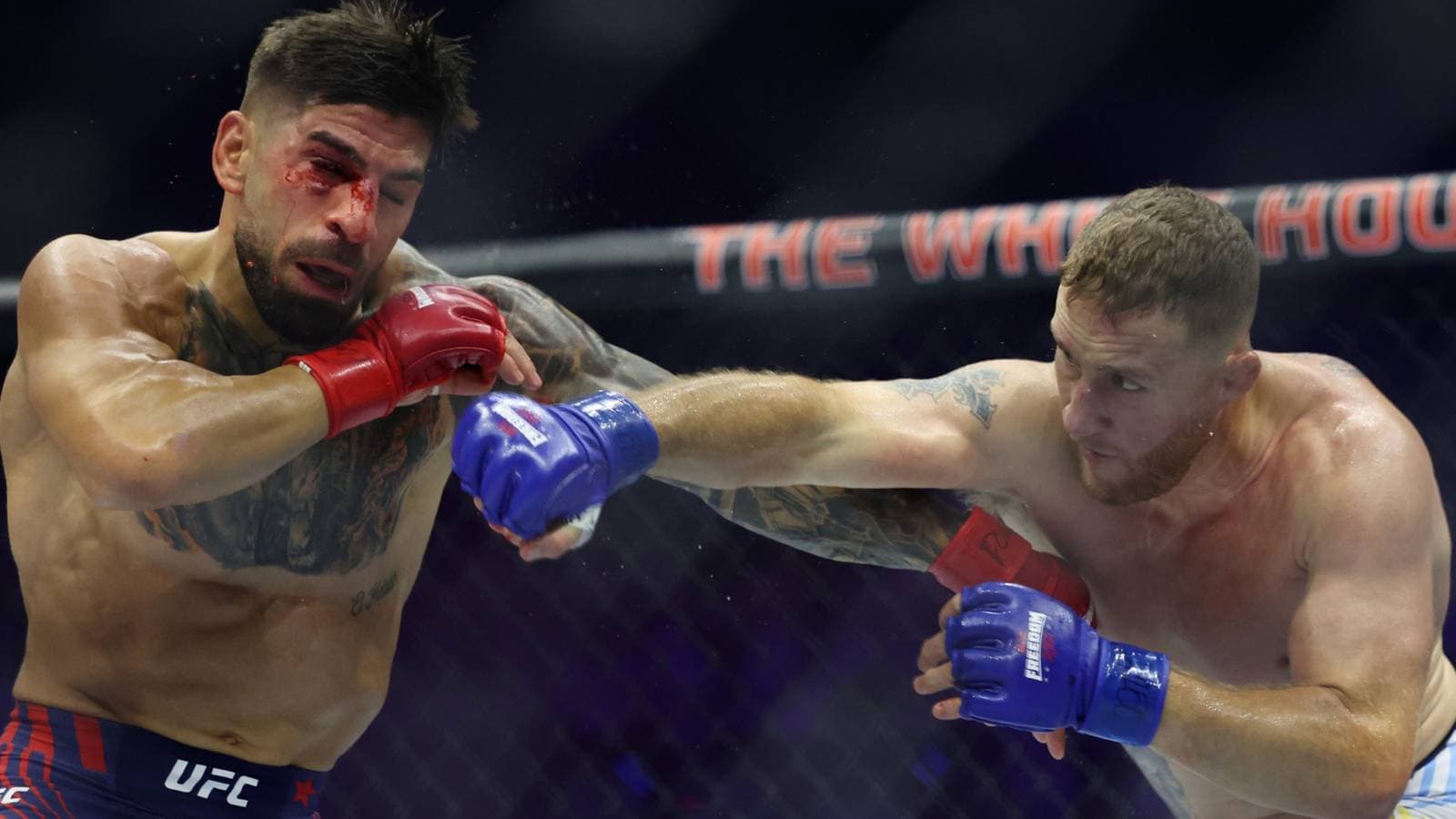
Ilia Topuria Accuses Justin Gaethje After UFC Defeat

Tyson Fury vs Anthony Joshua Fight Date and Venue Confirmed
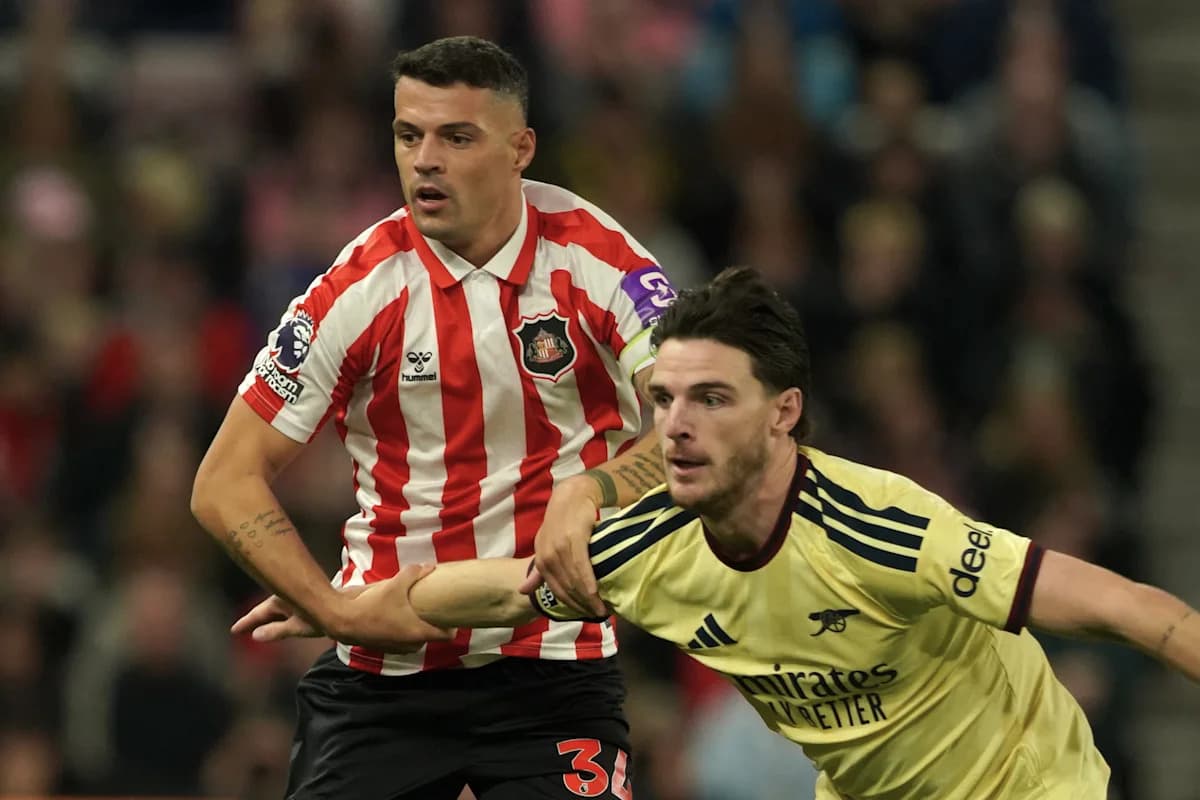
Switzerland Calls Up In-Form Sion Striker Winsley Boteli for Nations League
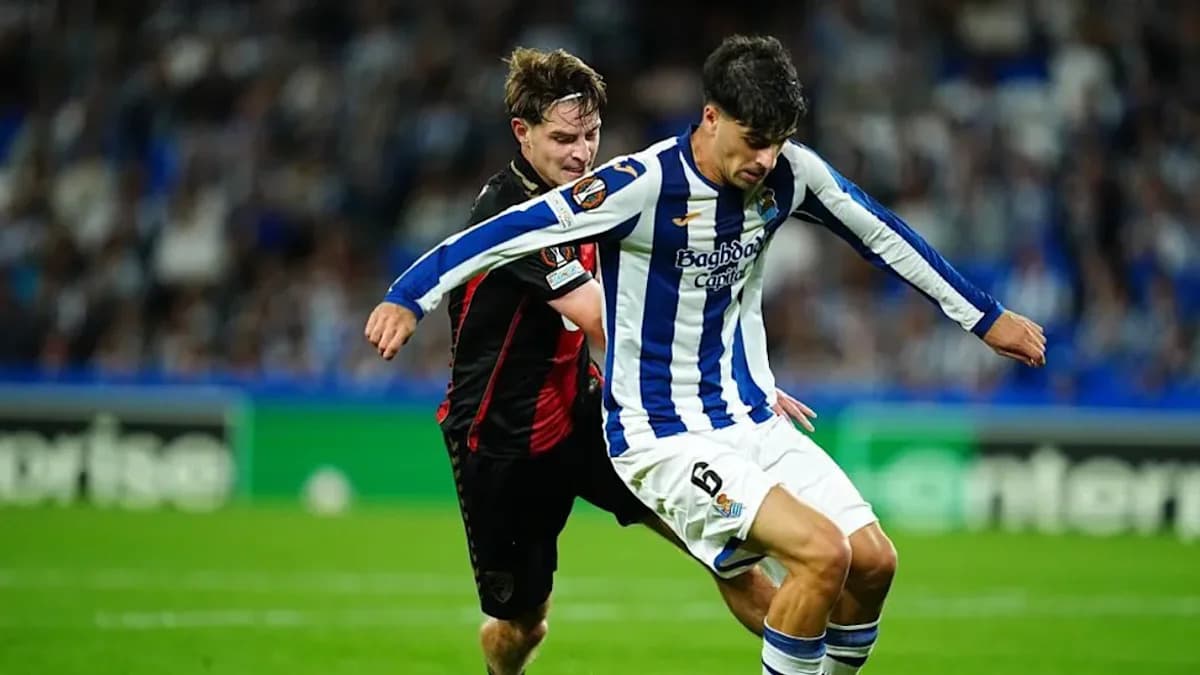
Bournemouth Secures Historic 2-1 Win Over Real Sociedad in Spain
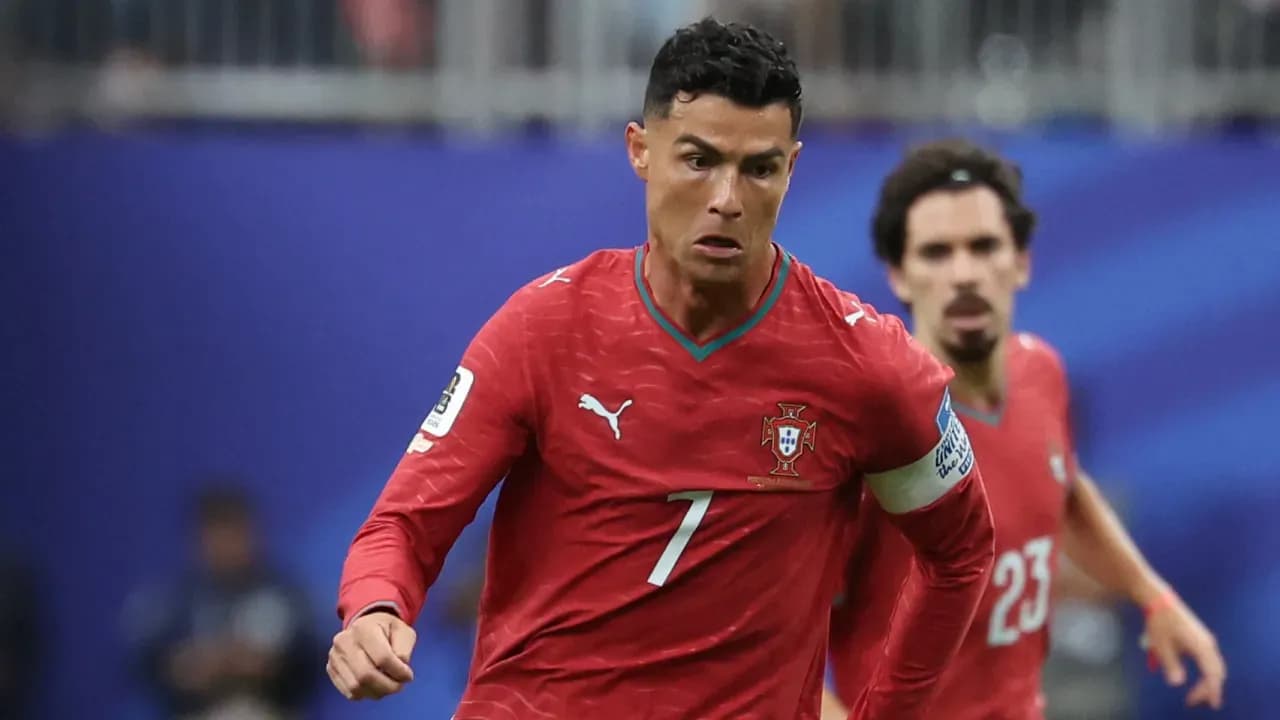
Portugal Announces Squad for 2026 UEFA Nations League; Cristiano Ronaldo Expected to Play

Raphinha Channels Ronaldo Nazario as Barcelona's Leading Striker After Position Change