
England's World Cup Ambitions Under Thomas Tuchel
Thomas Tuchel inherits a project that has been edging towards glory and demands a finish. England arrive at their 17th World Cup with the weight of 1966 still strapped to their backs, but also with the sense that the door has been nudged open by recent near-misses.
Under Gareth Southgate, England learned how to navigate tournaments, how to handle penalty shootouts, how to stay alive in the late stages. Tuchel’s job is harsher and simpler: turn all that progress into a trophy. No more noble exits. No more “what ifs”.
He has the tools. This is a well-balanced squad, with Declan Rice at its heart. Rice knits the whole thing together – screening the defence, starting attacks, dictating tempo. He is the embodiment of the side Tuchel wants: disciplined, aggressive, capable of shifting gears in an instant.
The danger is not talent. It is fear. If England allow caution to creep back in, if they retreat into their shell in the big moments, they will fall short again.
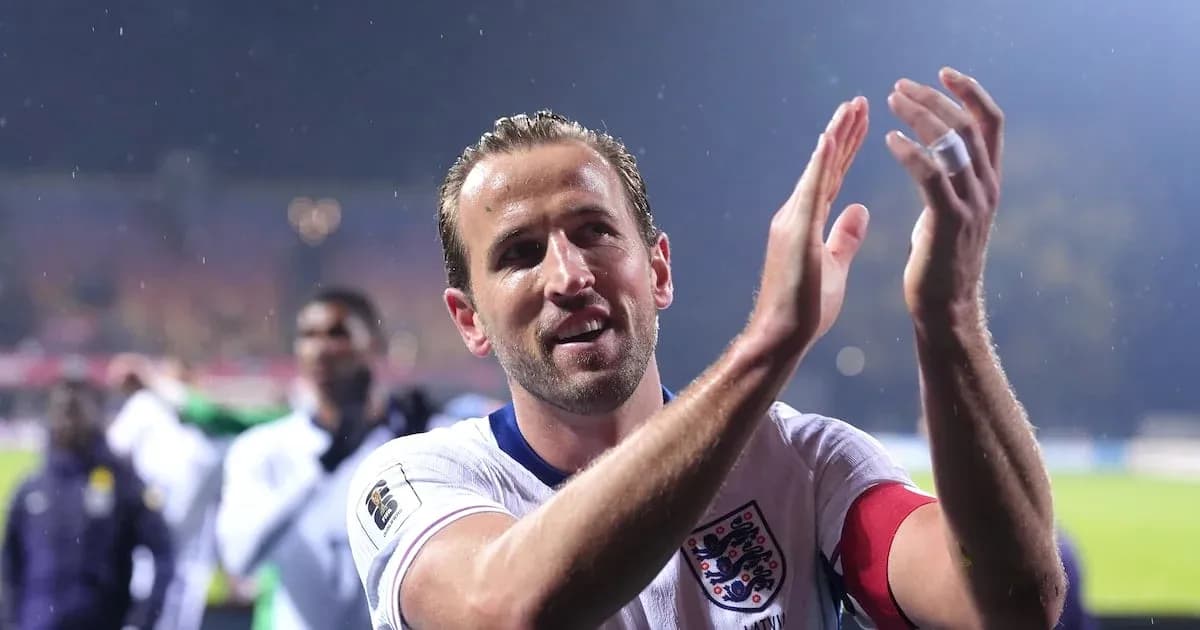
At the tip of it all stands Harry Kane. The Bayern Munich striker, England’s record scorer, is in the form of his life, a ruthless finisher who also drops deep to conduct play. Eight World Cup goals already tell their own story. This is a forward who expects to decide tournaments, not just play in them.
England know the path. Tuchel is there to make sure they finally walk it.
Croatia
Zlatko Dalić and Luka Modric are back for one more dance. Croatia’s seventh World Cup feels like the closing act of a remarkable era, one that has already delivered a final in 2018 and a semi-final last time out, both achieved by sheer will and technical excellence.
This time, the odds are steeper. Some of the core players who carried them through those gruelling campaigns are no longer at their peak. The legs are a little heavier, the recovery a little slower. Yet Croatia have never been a side that relies on pace or chaos.
Their slow, possession-based game is built for control, for suffocating opponents with the ball. In the heat, that style becomes a weapon. They can dictate rhythm, drain energy, turn matches into long, mental battles that suit them perfectly.
If Modric is the brain, Joško Gvardiol is the shield. Outstanding at the last World Cup, the Manchester City defender has grown into one of the most complete centre-backs in the game. His reading of danger, his composure on the ball, his ability to step out and break lines make him central to everything Croatia do. His recent return from a broken shin adds a note of concern, but also a sense of resolve: they need him, and they know it.
Repeating their recent heroics would be a greater shock than either of their last two deep runs. Croatia have never cared much for what’s expected.
Ghana
Ghana arrive with talent scattered all over the squad and frustration hanging over it. This is their fifth World Cup, a campaign still haunted by the memory of that 2010 quarter-final run and the sense that they have never quite hit those heights again.
The numbers tell a story: five straight friendly defeats before a draw with Wales finally stopped the slide. Too often, Ghana look less than the sum of their parts, a side with individual quality but no clear, consistent tune.
Carlos Queiroz has been brought in to change that. The veteran coach is renowned for structure, organisation, defensive discipline. His teams are rarely easy on the eye, but they are usually hard to break down. Expect compact lines, careful risk management, and a focus on control without the ball.
There is a problem, though. Mohammed Kudus, the man who can light up a game with a single touch, is out injured. Without him, Ghana lose a vital spark, a player who can break systems and unlock defences.
Into that void steps Antoine Semenyo. Fresh from a 17-goal Premier League season and an FA Cup final winner for Manchester City, he carries the form of a top-level forward. Internationally, it has not clicked yet: three goals in 34 games for Ghana is a stark contrast. This tournament is his chance to close that gap, to turn club dominance into national impact.
If Queiroz can coax cohesion from this group and Semenyo finds his club form in Ghanaian colours, this could be more than just another stop-start chapter.
Panama
Panama know exactly how brutal a World Cup can be. Their only previous appearance, in 2018, included a 6-1 hammering by England, Harry Kane helping himself to a brace and the gulf in class laid bare.
They return with scars, but also with a little more steel. Under Thomas Christiansen, Panama have stitched together a run of results solid enough to lift them to 33rd in the Fifa rankings – a position that raised eyebrows and hinted at quiet progress.
Reality bit again with a 6-2 friendly defeat to Brazil, a harsh reminder of what happens when elite sides hit full stride. Yet that result also underlined Panama’s situation: they are still learning, still adjusting to this level, still trying to turn respectability into resilience.
Nobody expects them to storm through the group. A first World Cup point would be a genuine achievement, a marker of growth since 2018. For Panama, this is about small steps on the biggest stage – and the chance, finally, to leave with more than just memories.
Related News
Raphinha’s Hat-Trick Powers Barcelona to 7-2 Victory Over Racing Santander
Carabao Cup Fourth Round Draw: Liverpool Set to Clash with Chelsea, Arsenal to Face Fleetwood Town
Key Football Matches to Watch in Azerbaijan This Autumn
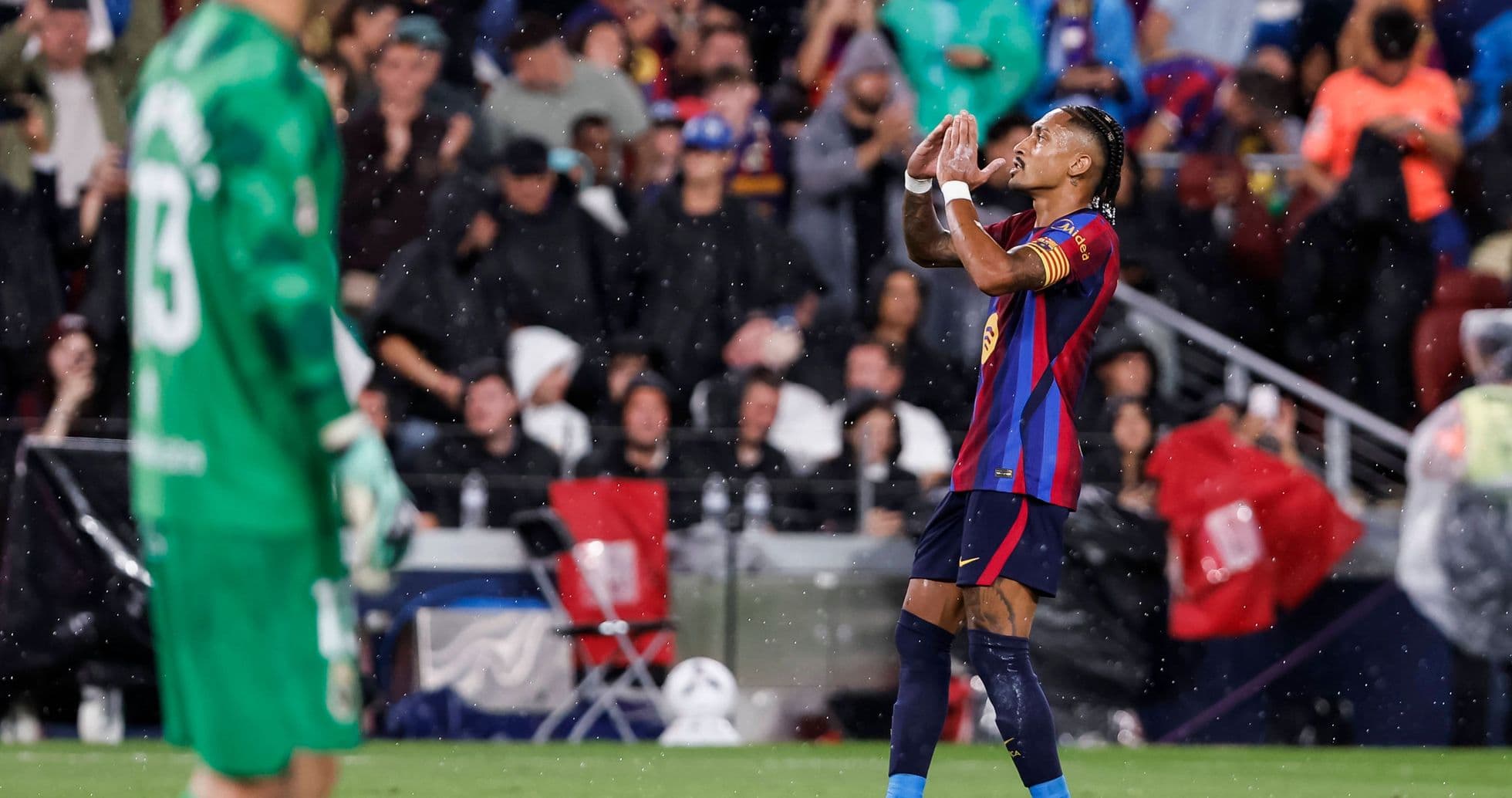
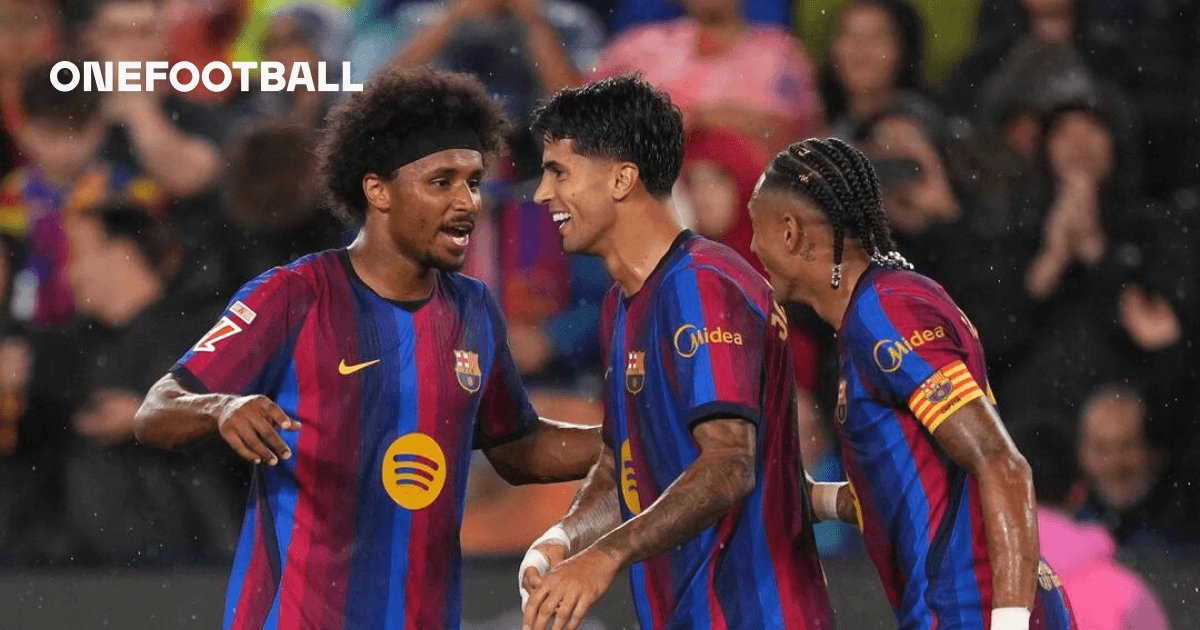
Raphinha's Hat-Trick Drives Barcelona to 7-2 Triumph Over Racing Santander
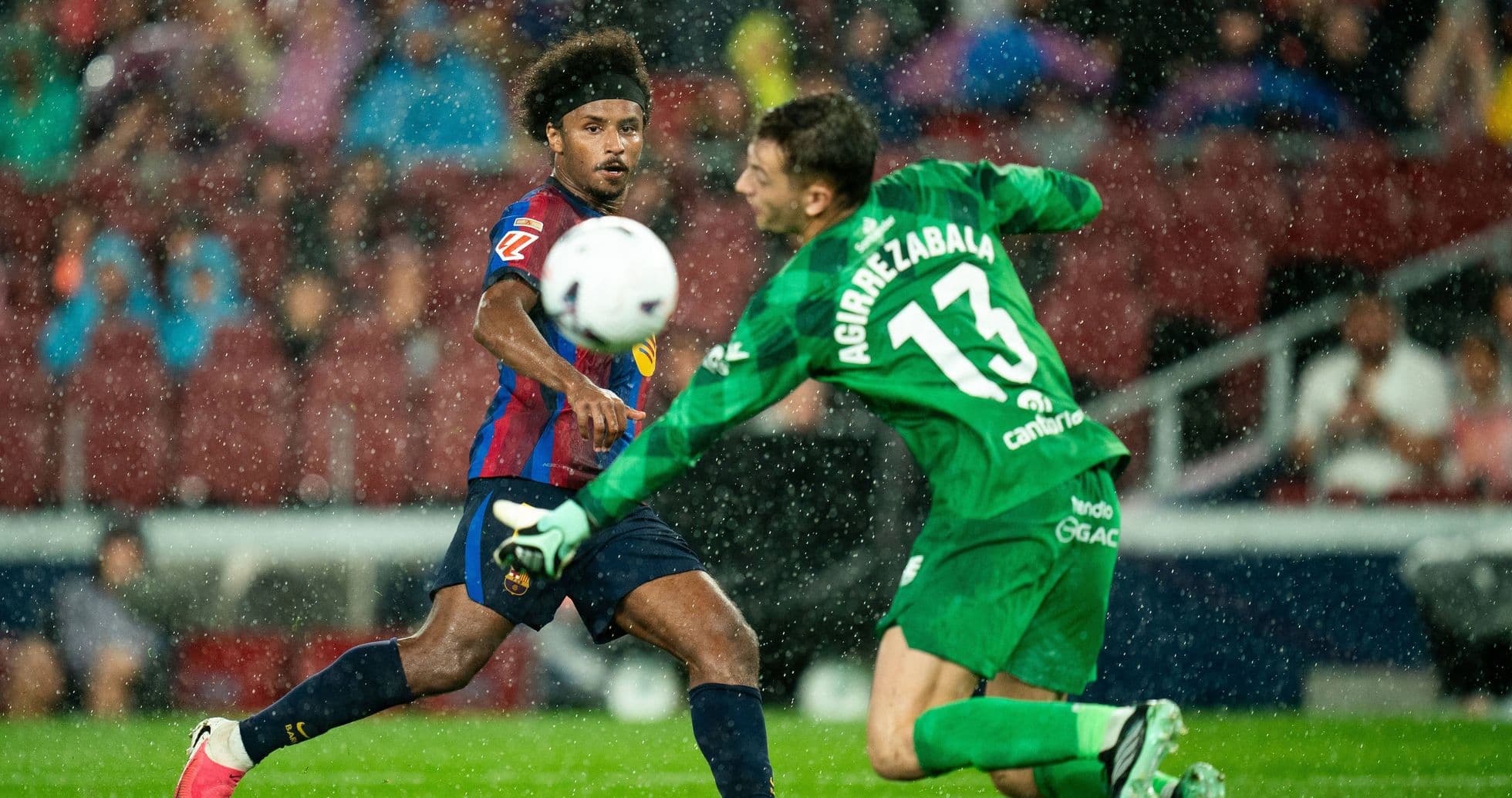
Hansi Flick Leads Barcelona to Record-Breaking Seven Wins in a Row
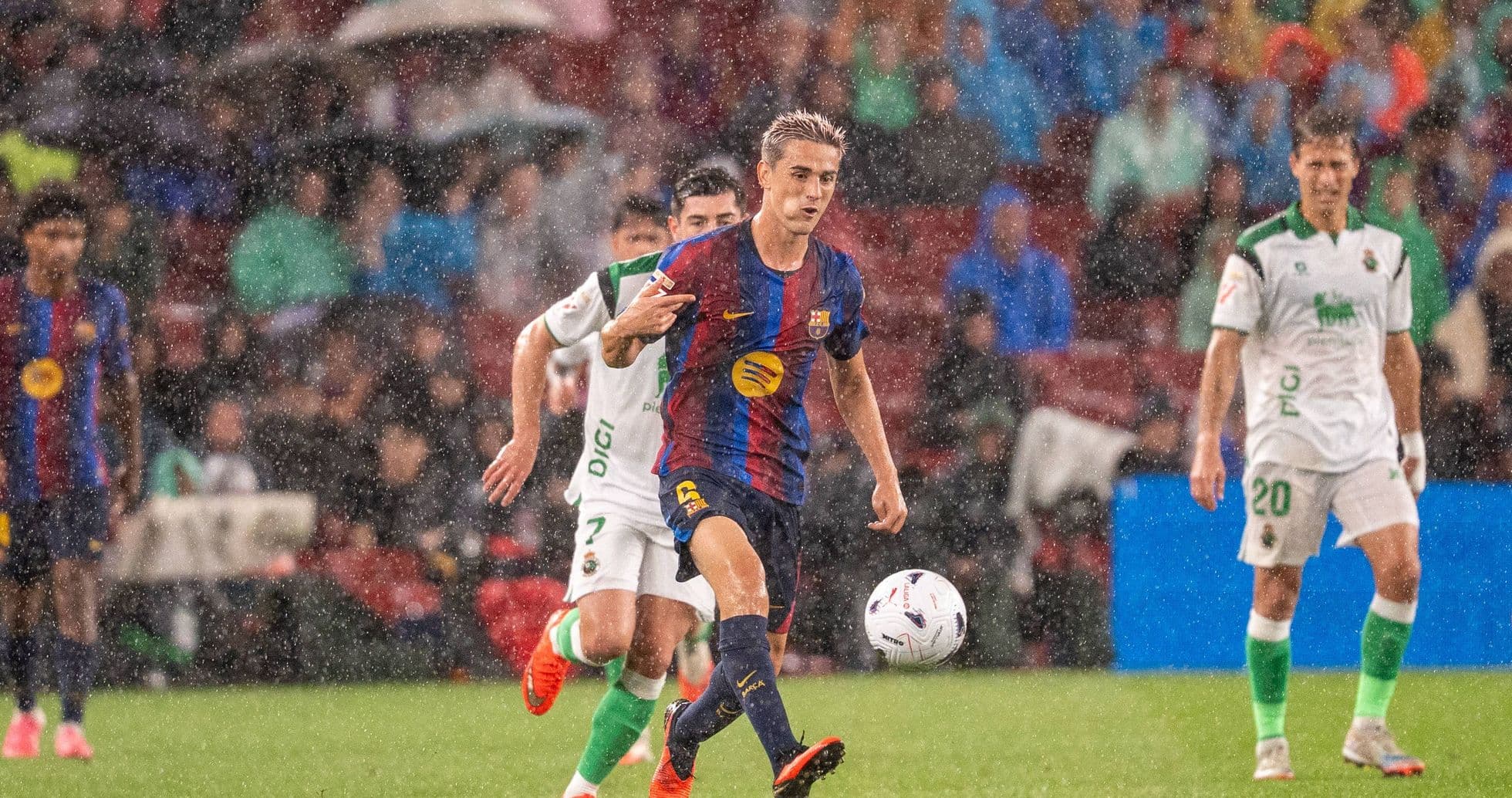
Gavi Reflects on Injury Return as Barcelona Dominate Racing Santander 7-2