
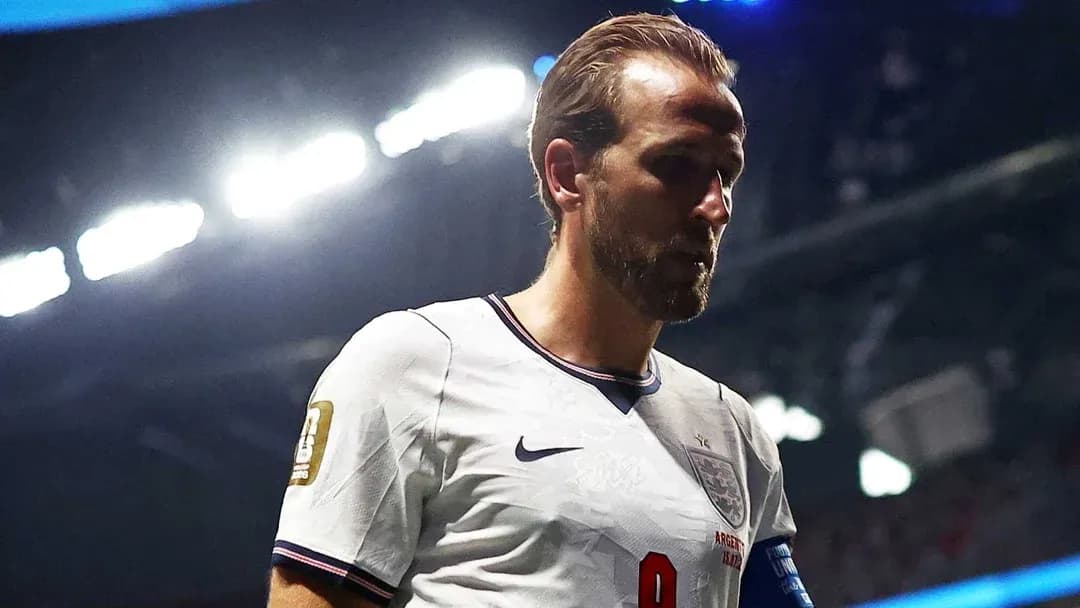
England's Painful World Cup Semifinal Loss to Argentina
Harry Kane stared into the void long after the final whistle, and when he finally broke his silence, the words were raw.
“There are no words big enough right now to overcome this feeling of emptiness in the stomach,” he wrote on X. No dressing it up. No brave face. Just a captain gutted by another World Cup semifinal slipping through England’s fingers.
Another Semifinal, Another Scar
England’s 2-1 defeat to Argentina in the 2026 World Cup semifinal cuts deep because of how familiar it feels. A lead squandered. Momentum lost. History repeating itself.
The Three Lions, who famously won their first World Cup semifinal in 1966, have now fallen at this hurdle three times in a row: 1990, 2018, and 2026. The pattern is no longer a quirk of fate; it is a scar across generations.
This one will sting even more when the numbers sink in. In the 21st century, only twice has a team scored first in a World Cup semifinal and still failed to reach the final. Both times, it was England. First against Croatia in 2018. Now against Argentina in 2026.
They were in front. They had the platform. Then the game turned.
Argentina Turn the Screw
The match swung on two names that will be etched into Argentine folklore: Enzo Fernández and Lautaro Martínez.
England struck first and seemed to have control, but Argentina never panicked. They tightened their grip on the ball, pushed England deeper, and waited for cracks to appear. The pressure finally told.
Fernández dragged Argentina level, shifting the entire mood of the night. From there, the Albiceleste played with the conviction of a team that has walked this road before. Lautaro Martínez then delivered the decisive blow, sealing the comeback and slamming the door on England’s hopes of a first World Cup final in 60 years.
For England, the ending felt cruel. For Argentina, it felt inevitable.
A Night to Forget for Kane
Kane’s anguish is not just about the result. It is about his own performance on the biggest stage.
The Bayern Munich striker endured a strangely muted night. He did not register a single touch in Argentina’s penalty area – a stark, brutal statistic for one of the most prolific forwards of his generation. It is only the third time in his career at major tournaments that this has happened.
He dropped deep, he tried to link play, he pressed when he could, but the one place where he is usually unavoidable – the box – might as well have been on another continent. For a player who measures himself in big moments and big goals, that isolation will gnaw at him.
His post-match message laid bare the emotional toll. The emptiness he described is not just about a lost match, but about another missed chance to change England’s story.
Tuchel’s England at a Crossroads
Under Thomas Tuchel, England have tried to evolve: more control, more structure, more tactical nuance. Reaching a World Cup semifinal confirms they remain among the elite. It is not failure in the broad sense. But at this level, the margins are unforgiving, and the narrative is relentless.
Semifinal exits in 1990, 2018, and now 2026 form a heavy chain. Different managers, different squads, same outcome. Tuchel must now find a way to turn a nearly team into a ruthless one, a side that finishes jobs instead of leaving with regrets.
Kane, at 32, knows he does not have endless tournaments left. Another semifinal lost, another wound to carry. Yet his message, even wrapped in despair, hinted at something else: a refusal to accept that this is the end of his international story.
He feels empty now. The question for England is simple and brutal: how many more chances will he, and this generation, get to finally fill that void?
Related News
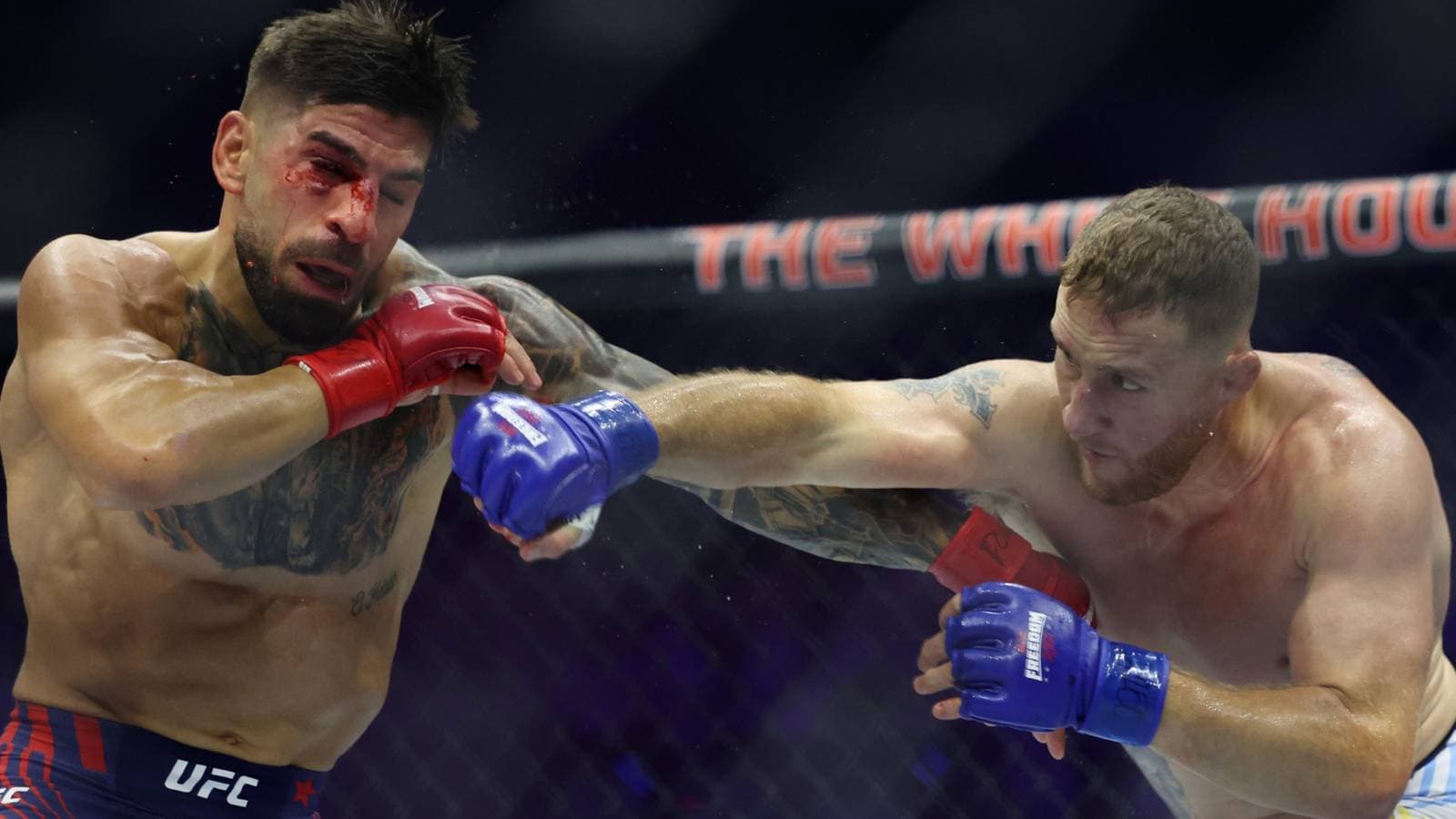
Ilia Topuria Accuses Justin Gaethje After UFC Defeat
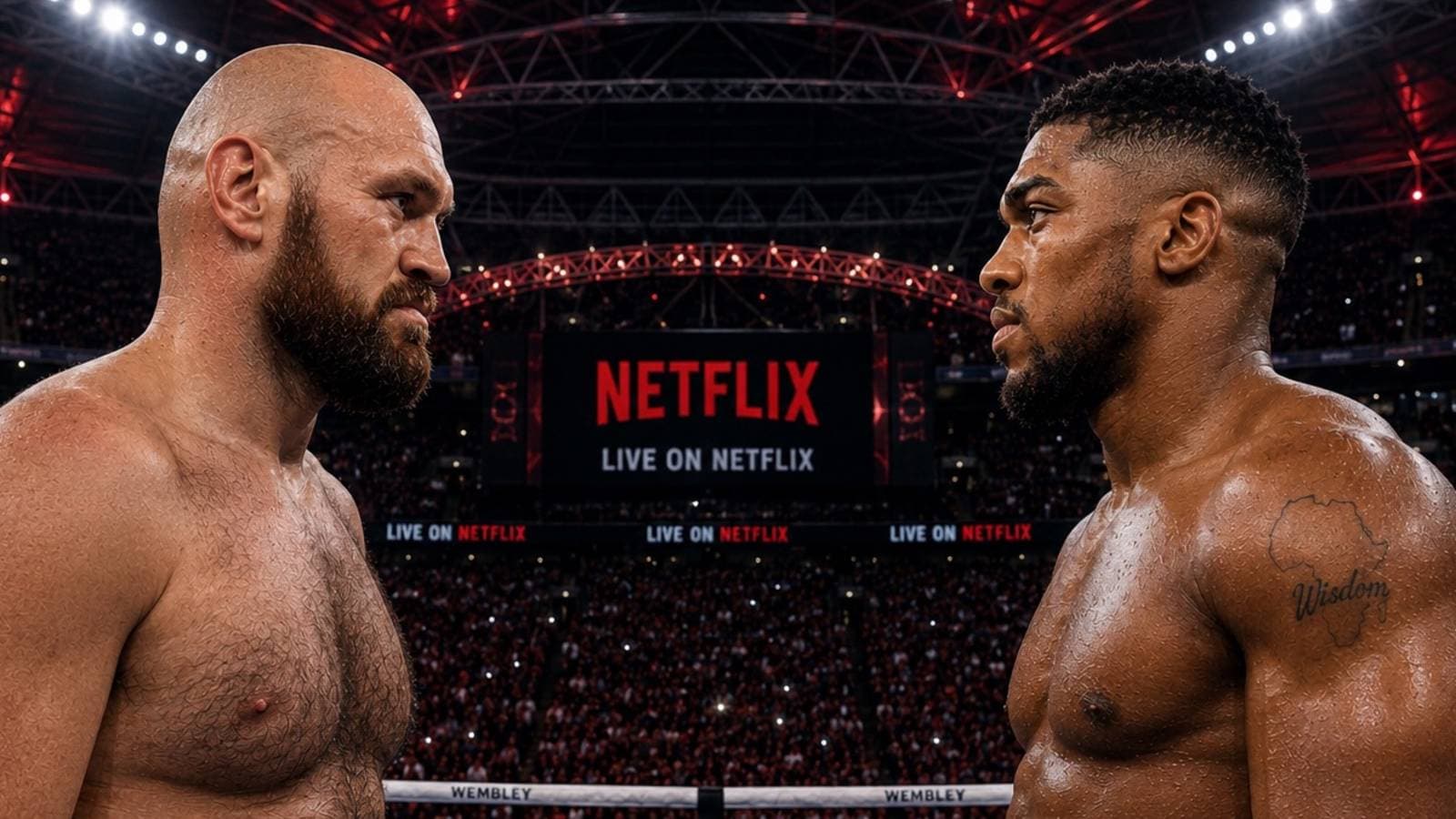
Tyson Fury vs Anthony Joshua Fight Date and Venue Confirmed
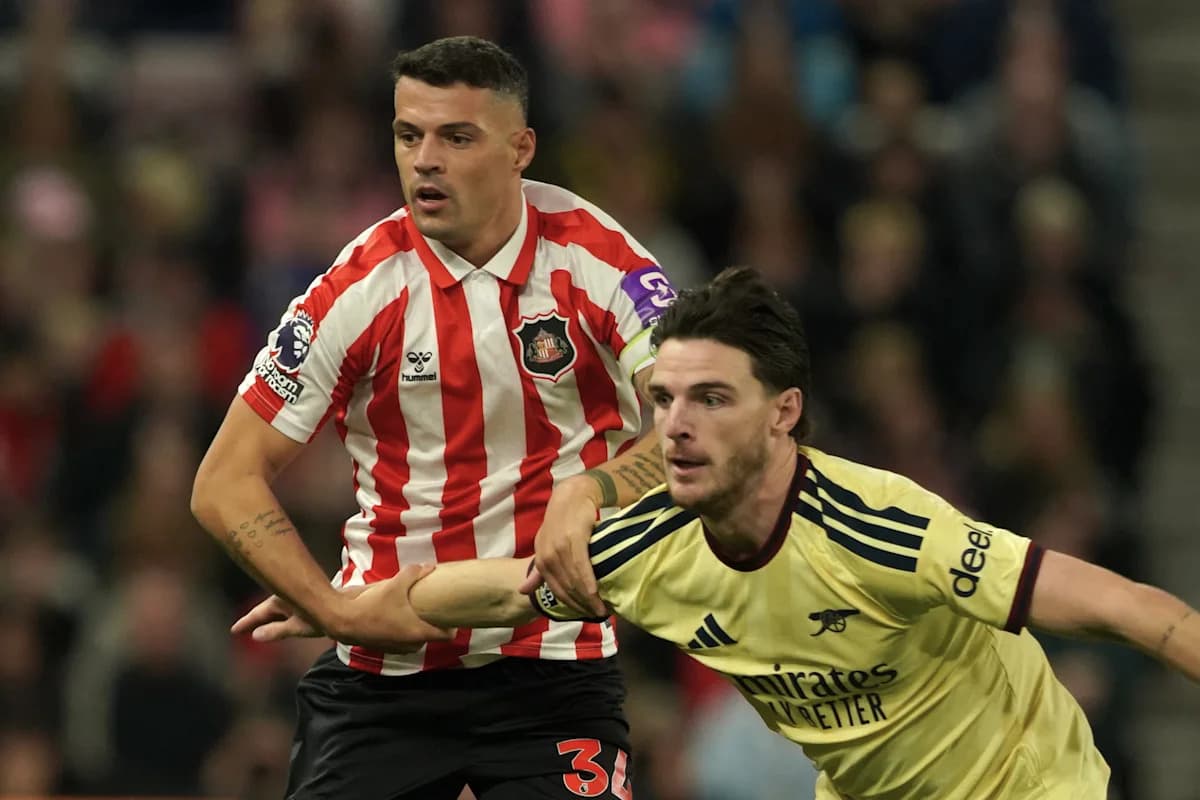
Switzerland Calls Up In-Form Sion Striker Winsley Boteli for Nations League
Bournemouth Secures Historic 2-1 Win Over Real Sociedad in Spain
Portugal Announces Squad for 2026 UEFA Nations League; Cristiano Ronaldo Expected to Play
Raphinha Channels Ronaldo Nazario as Barcelona's Leading Striker After Position Change