
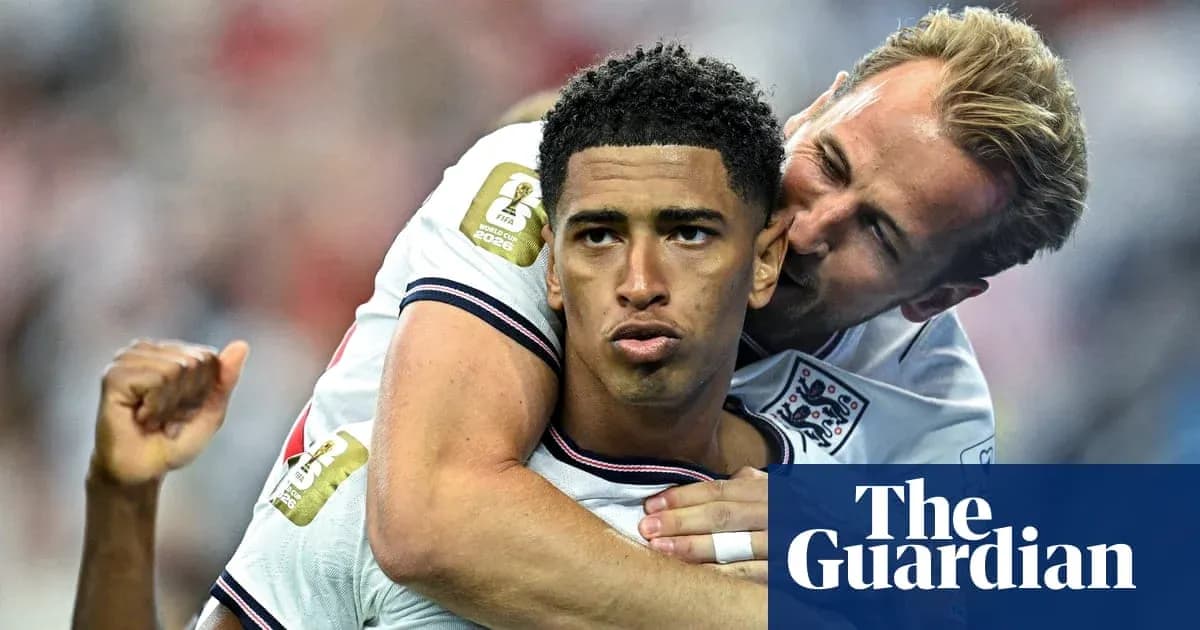
England's World Cup Journey: Qualification Secured but Challenges Ahead
England can finally breathe. Their place in the World Cup last 32 is secure, rubber‑stamped not by their own work on the pitch this week, but by a swirl of results thousands of miles away.
Uruguay’s defeat to Spain and Cape Verde’s draw with Saudi Arabia locked Marcelo Bielsa’s side into third in Group H with a record that cannot catch Thomas Tuchel’s team. With South Korea, Senegal and Scotland already out of range in their own groups, the maths fell England’s way. The calculators can go back in the drawer. The Three Lions are through.
Through early – but the job’s not done
Qualification, though, is only half the story. England still have one more group game, against Panama on Saturday, and it suddenly carries a different kind of weight.
They walk into it knowing they cannot be knocked out, but the stakes remain high. Beat Panama and they win Group L, earning what should be a more forgiving last‑32 tie against a yet‑to‑be‑confirmed third‑placed side. Drop points and the picture darkens quickly: a draw or defeat could dump them into second or even third, with the prospect of a far more dangerous opponent waiting in the knockouts.
So this is not a dead rubber. It is a fork in the road.
From Croatia fireworks to Ghana grind
Tuchel’s side have already shown both faces of tournament football. They opened with a flourish, a 4-2 win over Croatia that crackled with intent and attacking clarity. Harry Kane struck twice, England ran hard, and the movement behind their captain looked sharp and ambitious. It felt like a statement.
Then came the reality check. A 0-0 draw with Ghana in Boston on Tuesday that sapped energy and rhythm. England laboured, Ghana dug in, and the crisp combinations that cut Croatia apart never really surfaced. The point was useful; the performance was a reminder that tournaments rarely run in straight lines.
That night carried a cost as well.
Reece James ruled out
Reece James reported hamstring tightness after the Ghana game and has now been ruled out of both the Panama match and the last‑32 tie. It is a significant blow. The right-back gives England thrust on the flank, a reliable outlet in possession and a sharp delivery in the final third.
Tuchel must now rewire that side of his defence and attack just as the tournament sharpens. The margin for error shrinks from here; losing such a key piece at this stage tests both squad depth and tactical imagination.
Tuchel unfazed by the field
If Tuchel feels that pressure, he hides it well. He cut a calm, almost dismissive figure when asked about the looming knockout rounds.
“I’m not scared in general,” he said on Friday. “We feel confident enough to be ready and compete on any level.”
He admitted he has barely watched the rest of the World Cup, the days swallowed by training sessions and planning meetings. The scouting has been more impressionistic than forensic, but what he has seen has not shaken him.
“I haven’t seen that much football – but I’m not scared. I see, of course, good teams. I see high-quality individual players who decide team matches. I see all kinds. I still see our group as one of the most difficult. This is where we go from. We focus on what we can influence.”
It is a classic tournament manager’s stance: shut out the noise, narrow the focus, trust the work.
A chance to shape their own path
Panama now become more than just the final name on a group schedule. They are the gatekeepers to England’s route through the knockouts.
Win, and Tuchel’s players carry momentum, top spot and a favourable draw into the last 32. Slip, and the path twists towards a far more hazardous opponent, with the added complication of James watching from the sidelines.
England are safe. But how far they can go from here may be decided in 90 minutes against Central American opposition that suddenly matter a great deal.
Related News

Raphinha’s Hat-Trick Powers Barcelona to 7-2 Victory Over Racing Santander
Carabao Cup Fourth Round Draw: Liverpool Set to Clash with Chelsea, Arsenal to Face Fleetwood Town
Key Football Matches to Watch in Azerbaijan This Autumn
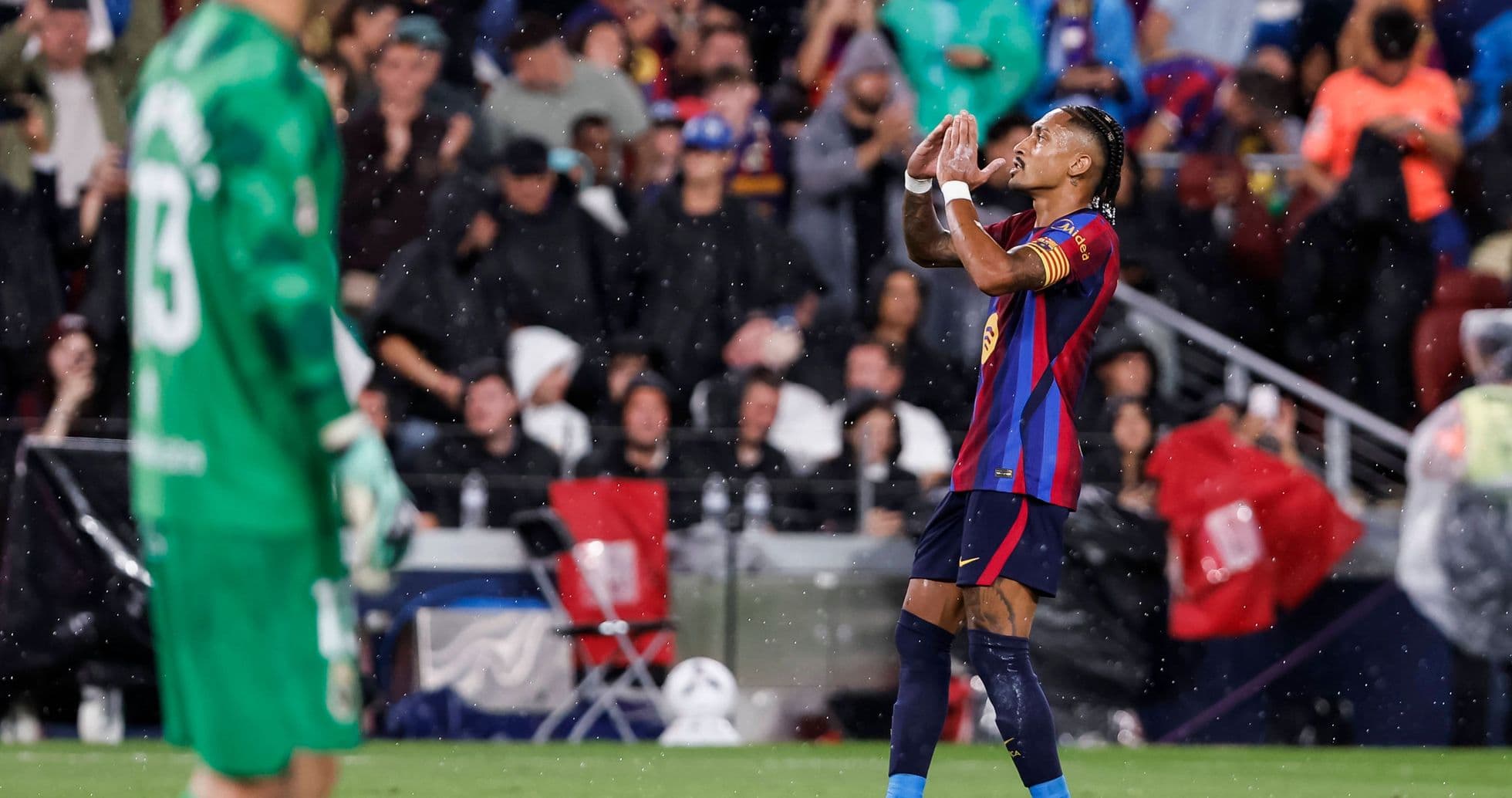
Raphinha's Hat-Trick Drives Barcelona to 7-2 Triumph Over Racing Santander
Hansi Flick Leads Barcelona to Record-Breaking Seven Wins in a Row
Gavi Reflects on Injury Return as Barcelona Dominate Racing Santander 7-2