
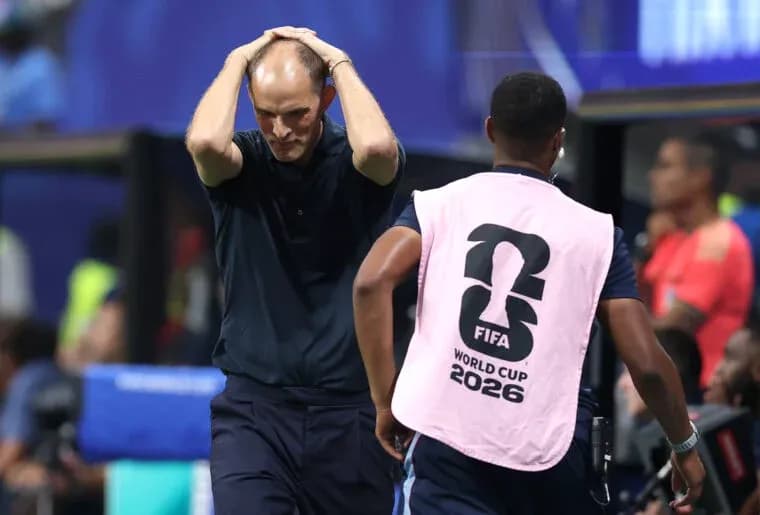
England's World Cup Exit: Tuchel Under Fire Yet Backed for Euro 2028
England’s World Cup dream died in Atlanta on Wednesday night, and it died with a whimper rather than a roar.
A 2-1 defeat to Argentina at the Atlanta Stadium ended hopes of a place in the final, despite Anthony Gordon firing England in front on 55 minutes. From there, instead of pushing for the kill, Thomas Tuchel’s side retreated. Argentina did what elite sides always do when invited forward on the biggest stage: they punished hesitation.
By the final whistle, England were out. Tuchel, inevitably, was in the crosshairs.
Tuchel under fire, but backed to stay
The criticism came quickly. Fans and pundits alike questioned why a team that had spent the tournament talking about bravery on the ball suddenly shrank into its shell once Gordon struck. England’s attacking talent watched the game drift away from increasingly deeper positions as Argentina seized control.
Tuchel’s approach was branded too cautious, too conservative, too reactive for a World Cup semi-final. Yet while the noise outside grows louder, the mood inside the corridors of power remains calm.
According to BBC Sport, the Football Association still backs Tuchel and expects him to lead England into Euro 2028. His job is not on the line. Not yet.
The 52-year-old was appointed in January 2025 on a contract that was initially due to run only until this World Cup. That timeline shifted quickly. In February, before a ball was kicked at the tournament, he signed a two-year extension taking him through to Euro 2028. The FA made a long-term bet, and one painful night in Atlanta is not about to change it.
A campaign that promised more
The sense of deflation comes from how high England had climbed. They arrived at the World Cup as one of the leading favourites and, at first, played like it.
Croatia felt the full force of that early momentum, torn apart in a 4-2 opening win that suggested Tuchel had fused English attacking flair with his trademark structure. That performance set the tone externally: this was supposed to be the tournament where England finally turned potential into a trophy.
Then came the wobble.
Displays against Ghana and Panama lacked the same conviction. The results were acceptable; the performances were not. The passing slowed, the pressing lost its bite, and questions resurfaced about whether this team truly believed in the new manager’s blueprint.
Those doubts faded when the stakes rose.
In the knockout stages, England sharpened up. They handled DR Congo, then delivered what will be remembered as one of the standout performances of Tuchel’s tenure at the Estadio Azteca, producing a tactical and technical masterclass to beat Mexico in a cauldron of noise and pressure. That win felt like a turning point, the night when England finally looked like a side built for the sharp end of a World Cup.
Norway posed another awkward test. England navigated it with authority, coming through “with flying colours” and carrying a growing sense of inevitability into the semi-final. This was a team that had taken hits, adjusted, and grown.
The moment it slipped away
All of that fed into the mood when Gordon struck against Argentina. At 55 minutes, when his finish hit the net, England appeared to be marching towards the World Cup final. The goal reflected their intent up to that point: front-foot, assertive, confident.
Then the tone changed.
Instead of squeezing Argentina higher up the pitch, England dropped off. The defensive line crept back, the midfield retreated, and the game’s rhythm shifted. What had been a contest played largely on England’s terms turned into one dictated by Argentina’s ball-carriers and risk-takers.
The pressure told. Argentina overturned the deficit, and with it went England’s composure. By the time Tuchel tried to wrestle back control, the damage was done. The tactical caution that was supposed to protect the lead ended up suffocating England’s own threat.
Euro 2028 on the horizon
So where does that leave Tuchel? Bruised, certainly. But still in charge of a group that has shown it can live with the best, even if it has not yet learned how to finish the job.
The FA’s stance is clear: this is a project built around Euro 2028. Tuchel has the contract, the backing, and a squad that has already experienced the harshest lessons a World Cup can offer.
England walked into this tournament as favourites and walked out at the semi-final stage, beaten but not broken. The question now is simple and unforgiving: can Tuchel turn this pain into the edge required to finally deliver when Euro 2028 arrives on the horizon?
Related News
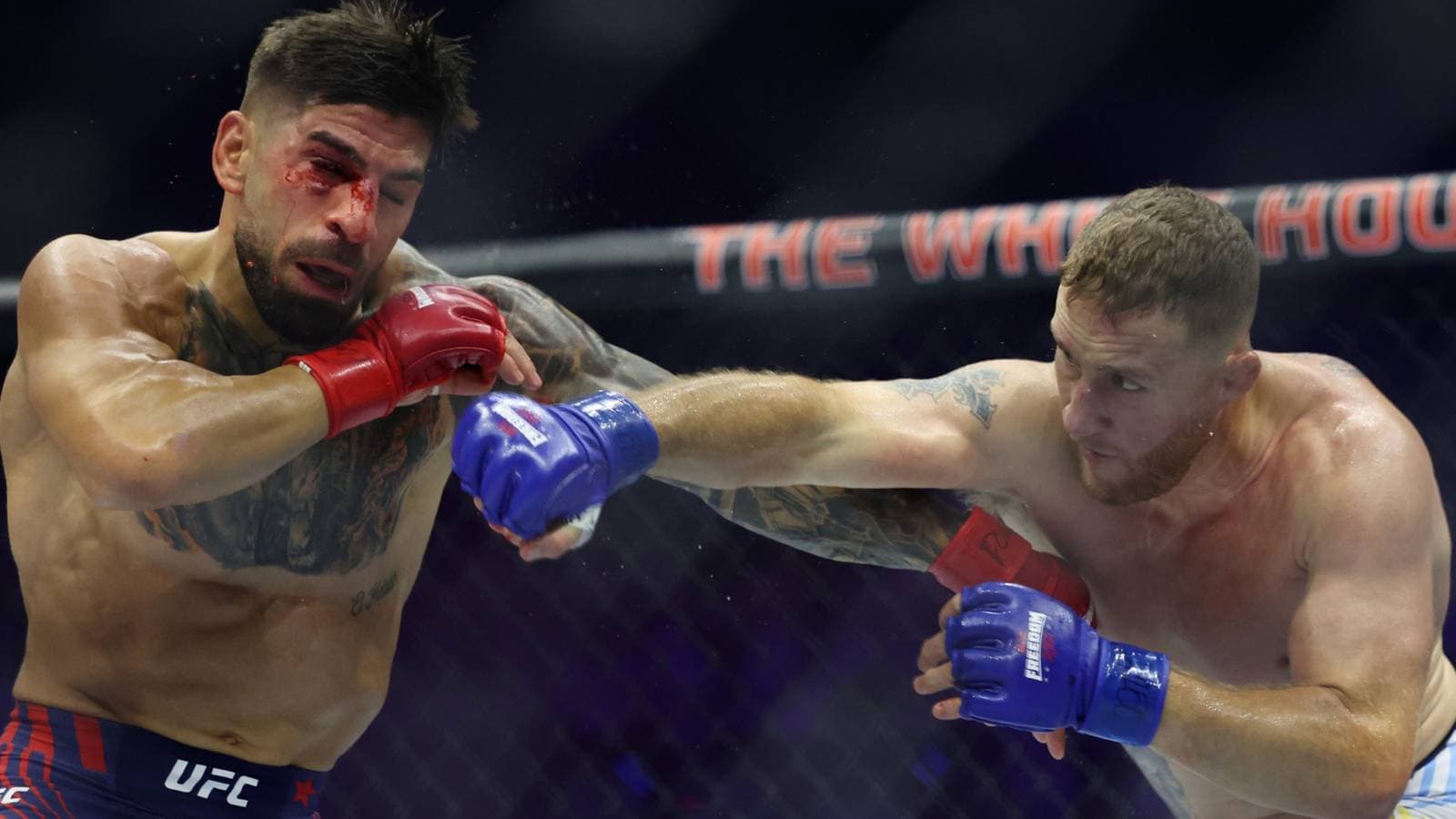
Ilia Topuria Accuses Justin Gaethje After UFC Defeat
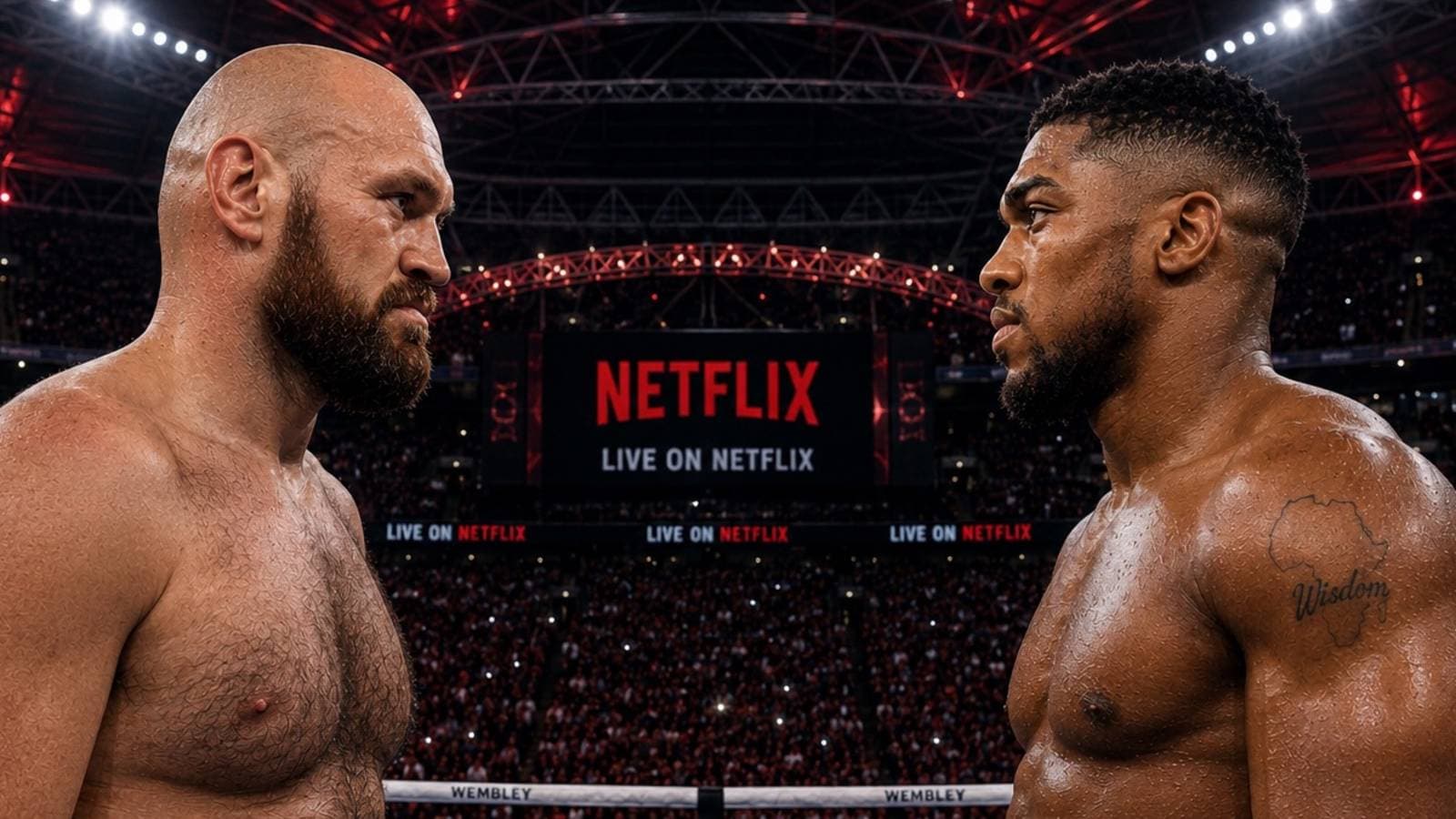
Tyson Fury vs Anthony Joshua Fight Date and Venue Confirmed
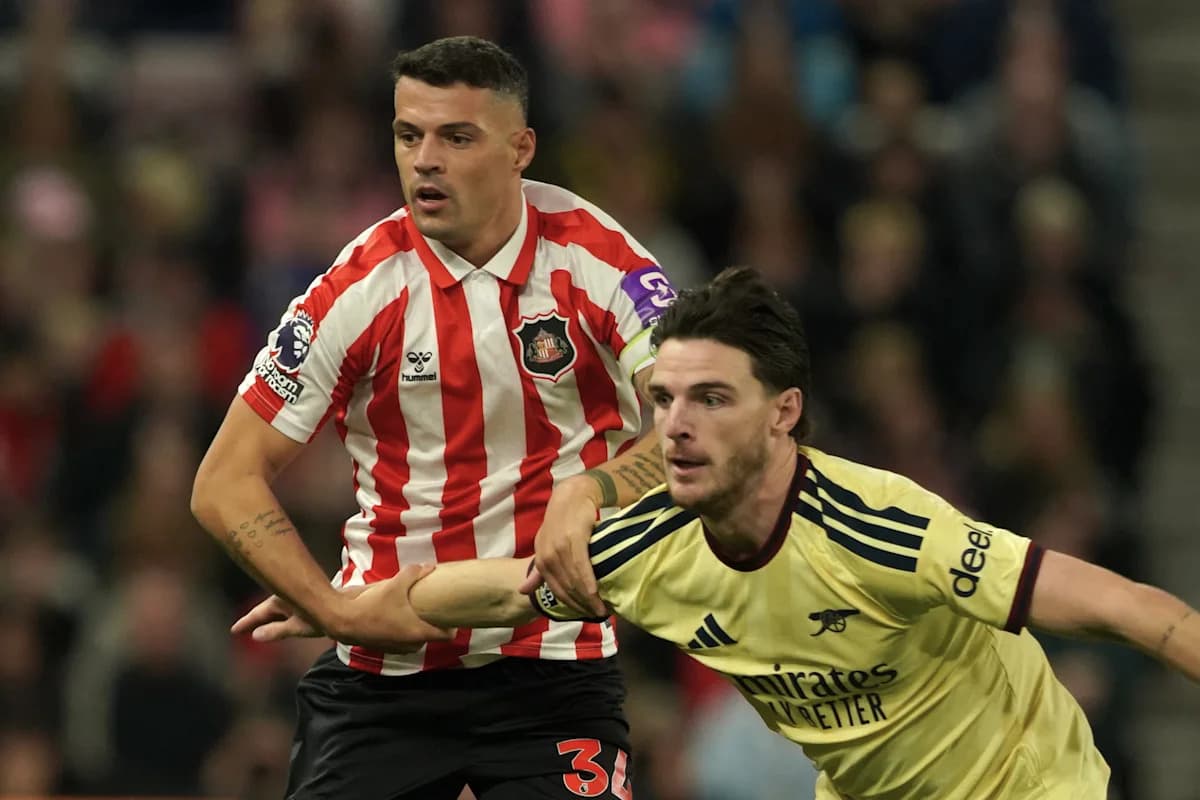
Switzerland Calls Up In-Form Sion Striker Winsley Boteli for Nations League
Bournemouth Secures Historic 2-1 Win Over Real Sociedad in Spain
Portugal Announces Squad for 2026 UEFA Nations League; Cristiano Ronaldo Expected to Play
Raphinha Channels Ronaldo Nazario as Barcelona's Leading Striker After Position Change