
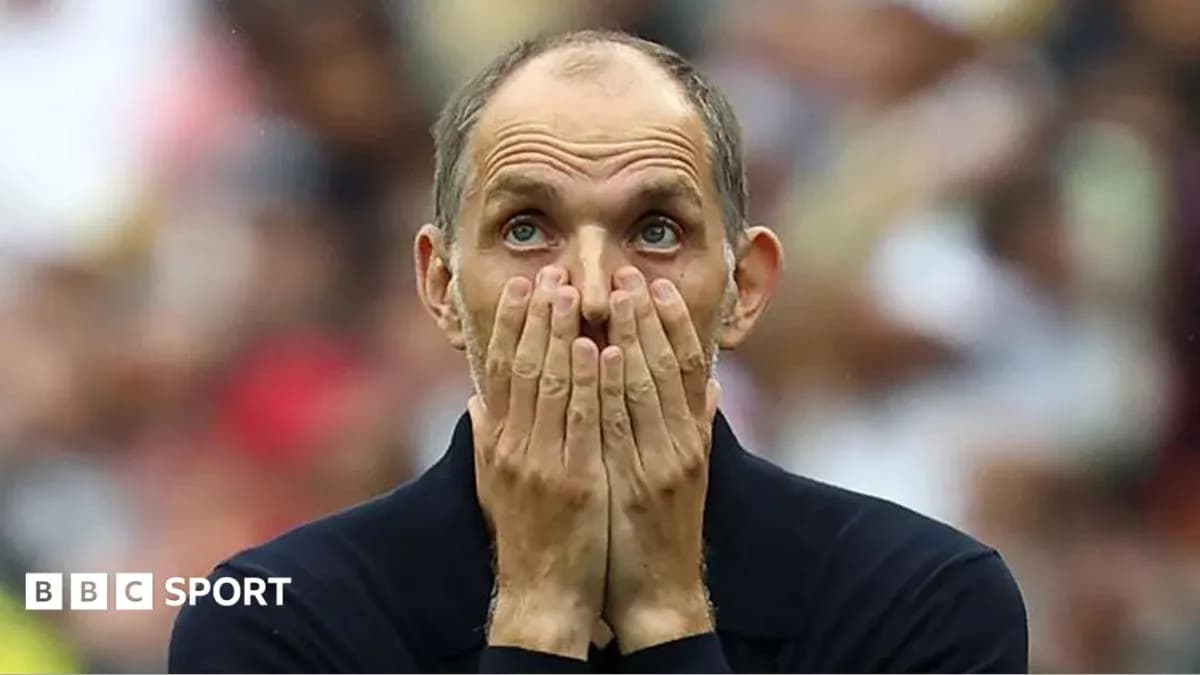
England's World Cup Journey: Stability Needed in Defense
England march on at this World Cup with momentum, belief and big‑game players in form. What they do not have is a settled team.
Three games in, group topped, job done on paper. Yet Thomas Tuchel walks into the last 32 still shuffling pieces, still searching for his best XI, still trying to stitch together a back four and wide combinations he can trust when the stakes rise.
For a side with genuine ambitions of going deep, that is the one cloud over an otherwise bright start.
A team still in pencil, not ink
Tournament football never runs in straight lines. Suspensions, knocks, fatigue – every coach has to bend. But England’s constant reshaping has gone beyond normal tinkering.
Across 270 minutes, Tuchel has already used nine different full-back and winger combinations across the two flanks, involving eight players. That is not rotation from a position of strength; that is a manager still trying to crack the code.
The injuries have bitten hard. Reece James and Jarell Quansah, both options at right-back, have gone down. Bukayo Saka has not been fully fit. The result? England have rarely looked consistently dangerous out wide and, just as troubling, the revolving door in the back four has chipped away at defensive security.
Every time opponents have gone at them, England have looked uncomfortable. That is not a one-off. It has become a pattern.
They were poor without the ball in the first half against Croatia and conceded twice. Ghana and Panama both carved out chances and exposed gaps, even if they failed to make England pay. That kind of looseness will not go unpunished as the quality of opposition climbs.
Tuchel knows it. He just has not solved it yet.
Stars carrying the load
The flip side is that England’s core looks formidable.
Jordan Pickford. Declan Rice. Jude Bellingham. Harry Kane. Add Elliot Anderson on current form. That is a spine you can lean on when the structure around them still feels half-built.
Anderson was outstanding against Panama, full of drive and personality. Bellingham dominated the contest and rightly took man-of-the-match honours. Kane did what Kane does: found his goal again, the metronome of England’s attack.
Those players give Tuchel a safety net. Even when the system misfires, they can rip a game away from the opposition in a single moment. It is not the ideal way to live, but it is a powerful insurance policy.
Bellingham’s winner against Panama summed it up. England had not looked especially threatening. The rhythm was off, the patterns clunky. Then a corner from Saka, not even a particularly special delivery, and Bellingham simply decided to make it into a match-winning ball.
He bullied his way to the cross, using strength, balance, timing and touch to turn a routine set-piece into a decisive moment. Question the defending if you like; the finish still demanded elite quality. Once it went in, there was only one outcome.
You do not want to rely on that kind of sorcery every time. But it is a huge weapon to have when the plan isn’t flowing.
The width problem
If England are to grow into this tournament, their work in wide areas has to sharpen up.
Against Panama, Marcus Rashford and Saka both spent long spells cutting inside to swing in inswinging crosses – Rashford from the left on his right foot, Saka from the right on his left. Those balls are meat and drink for defenders, easier to head clear while facing the play.
England looked far more dangerous when the wide players went on the outside and delivered from there. Bellingham’s cross for Kane’s goal was the template: get to the outside, put the ball in early and true, and let your centre-forward attack it on the move.
That is when Kane is at his most lethal – when he knows the cross is coming and can time his run to meet it, rather than waiting under a hanging, curling delivery with defenders all over him.
These are small details, but they matter when you are trying to break down a low block, which is exactly what awaits against DR Congo.
DR Congo next – and a familiar puzzle
DR Congo are unlikely to surprise England. The blueprint will look a lot like Ghana’s and Panama’s: numbers behind the ball, disciplined lines, and sharp counters whenever England overcommit.
The challenge will be the same, but the stakes higher. This is where Tuchel’s side have to show they are learning on the job.
Part of that evolution must come at the back. England have survived their defensive wobbles so far. Survival will not be enough from here.
Tuchel is almost certain to change his back four again. At right-back, Djed Spence could return, or Ezri Konsa may be asked to shuffle across from centre-back. If John Stones is fit, he could come back in alongside Marc Guehi in the middle.
Some of these switches have been forced by injuries, others by Tuchel’s own calculated gambles on players with known fitness issues. Those risks always carried the possibility of disruption, and the bill is now arriving.
The hope for England is that, whoever lines up against DR Congo, they can settle quickly, give the team a platform and carry that unit, intact, into the rounds to come.
Because at previous tournaments, even when England’s back line was not the most gifted, it was at least consistent. Partnerships were allowed to grow. This time, everything has felt temporary.
Stability or turbulence?
England will expect to get past DR Congo. Confidence in the camp, and among those watching, is that the next question will be about Mexico or Ecuador, not about an early flight home.
But if this World Cup is going to become something more than a promising run, Tuchel has to stop redrawing his defence every few days. The spine is there, the match-winners are there, the belief is there.
Now England need something far less glamorous, and just as vital: a back four he trusts enough to leave alone.
Related News

Raphinha’s Hat-Trick Powers Barcelona to 7-2 Victory Over Racing Santander

Carabao Cup Fourth Round Draw: Liverpool Set to Clash with Chelsea, Arsenal to Face Fleetwood Town
Key Football Matches to Watch in Azerbaijan This Autumn
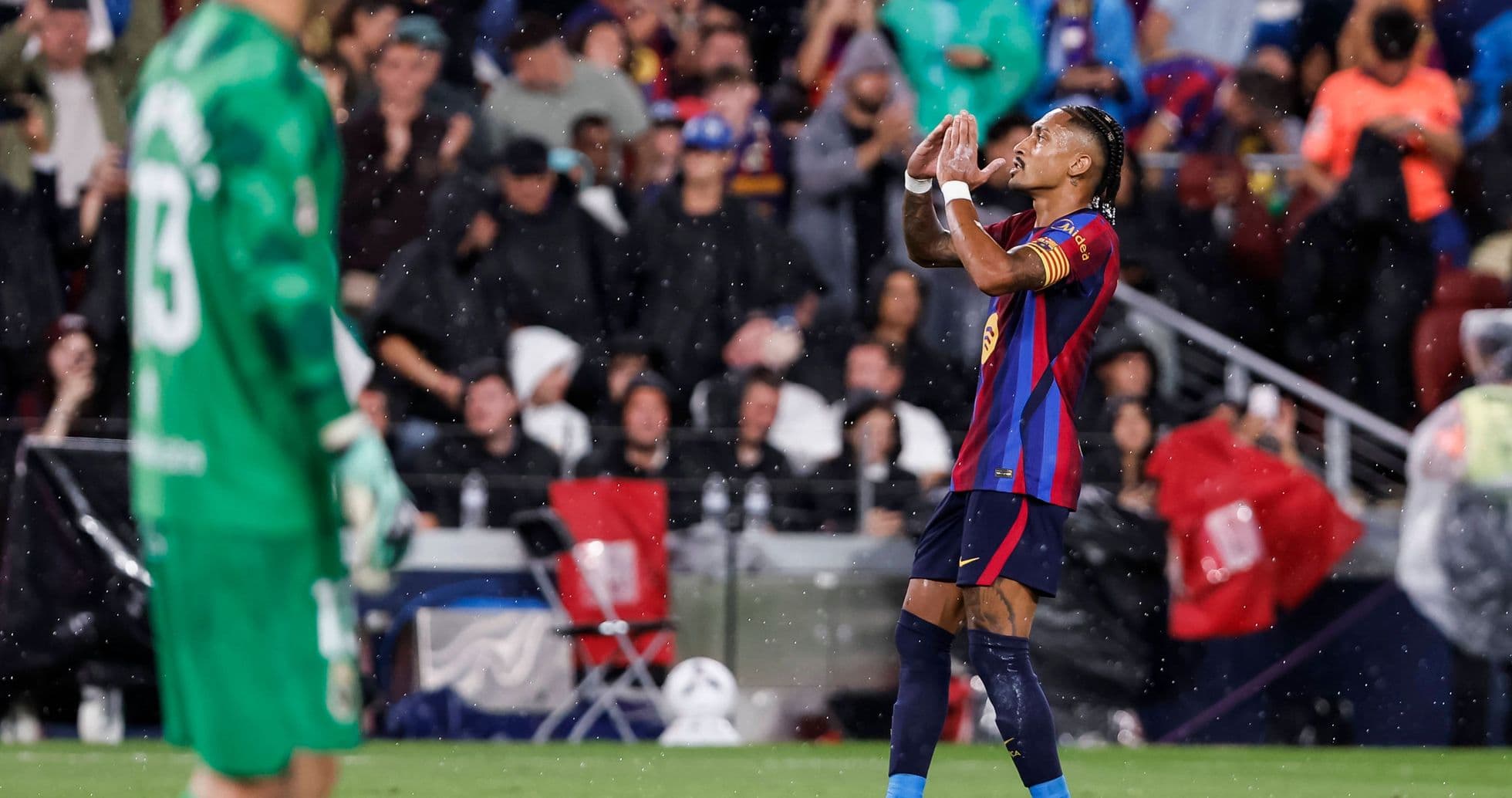
Raphinha's Hat-Trick Drives Barcelona to 7-2 Triumph Over Racing Santander
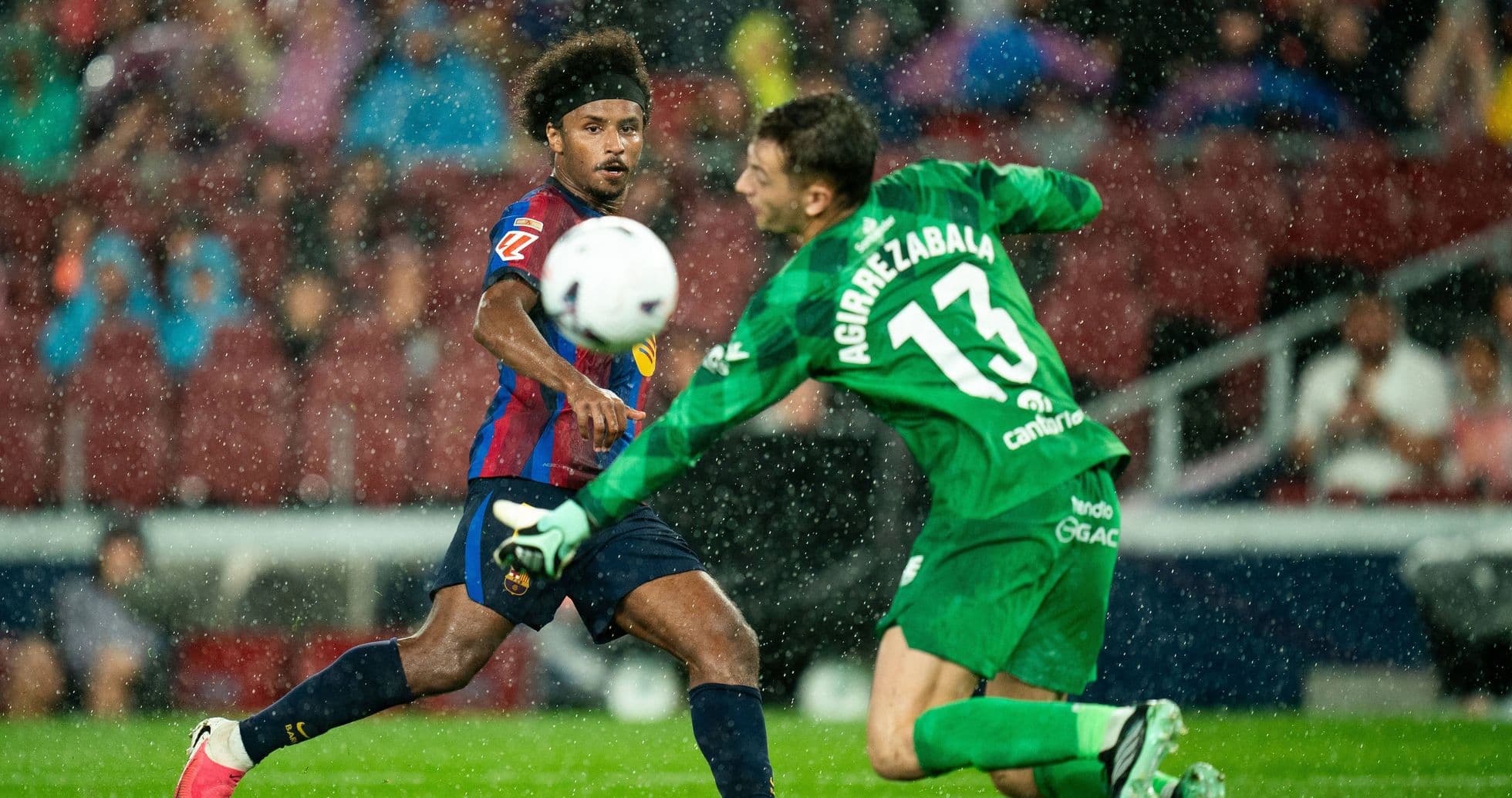
Hansi Flick Leads Barcelona to Record-Breaking Seven Wins in a Row

Gavi Reflects on Injury Return as Barcelona Dominate Racing Santander 7-2