
England Implements Palm-Cooling Technology for World Cup Heat
England’s World Cup preparations in the United States are not just about tactics, shape, and set-piece routines. They are also about science – and, more specifically, about the palms of the players’ hands.
With the tournament expected to be played in punishing heat and humidity, England’s squad will use high‑tech palm‑cooling devices in training and during official water breaks at matches, in an effort to keep core body temperatures under control and squeeze out marginal gains when it matters most.
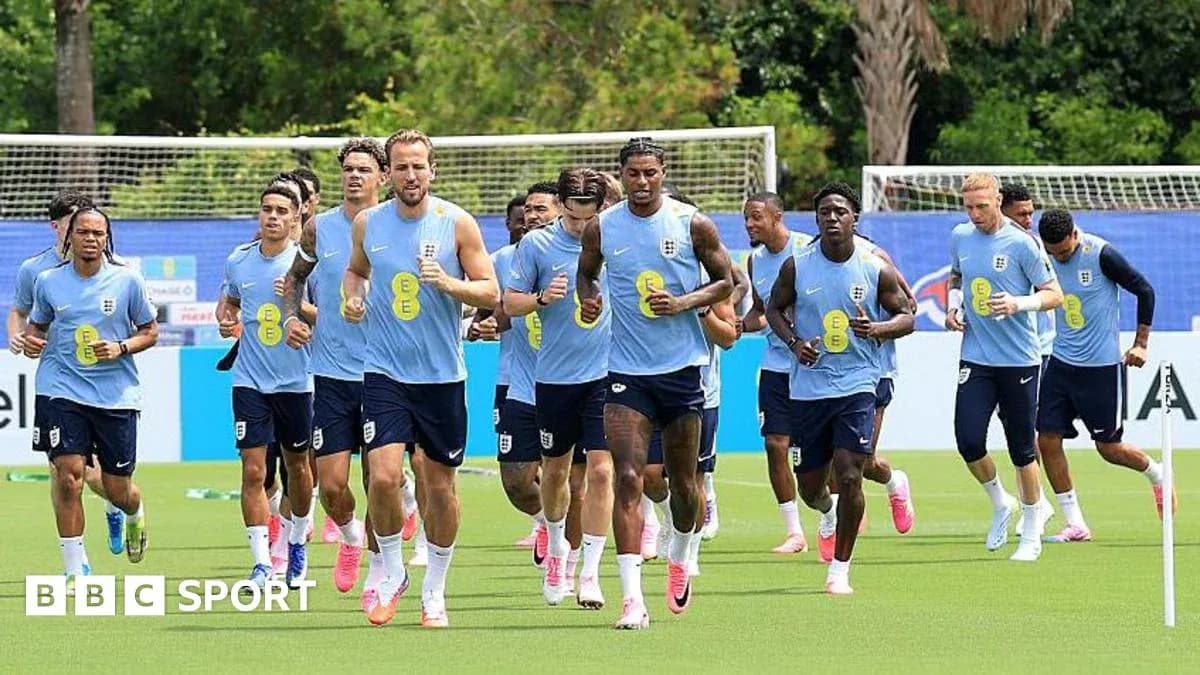
On Tuesday, the reality of what awaits them hit hard. Temperatures climbed to 32C during their opening training session in West Palm Beach, Florida, underlining why the sports science department has been planning for months. Studies suggest at least a third of World Cup fixtures will be played in conditions above 26C. Those are numbers that change games – and, potentially, tournaments.
Palm‑cooling technology has been quietly spreading through elite sport. Manchester United are among the clubs known to have adopted the devices, which players grip between drills or during breaks. Research indicates that cooling the palms can significantly reduce core body temperature, accelerating recovery between intense efforts and helping maintain performance levels deeper into games.
England intend to lean into that science. The devices will be part of their daily routine in Florida, and then reappear during the scheduled water breaks at the World Cup itself. The idea is simple: arrive on matchday not only acclimatised to the heat, but armed with tools to handle it better than anyone else.
Training Adaptations
Jordan Henderson underlined how central that theme has become to the opening days of camp. For him, this first week in the States is about “build[ing] capacity to the conditions”, using every session as a step towards feeling at home in the heat. The warm‑up matches, he said, will extend that process and test how well the players carry their training base into real-game situations.
The Brentford midfielder also pointed to the work going on away from the cameras. He praised the “team behind the team” for the “top level research” into cool-down and recovery strategies that sit behind decisions like introducing palm‑cooling. This is not a gimmick; it is the visible tip of a much larger performance programme.
“Hopefully that can give us a little edge when we get into the tournament,” he added – a line that neatly captures England’s thinking. At this level, the margins are thin. If a few degrees of difference in body temperature can decide whether a midfielder wins one last sprint in the 90th minute, it is worth chasing.
Upcoming Fixtures
The schedule will test them quickly. England face New Zealand in a friendly on Saturday, 6 June (21:00 BST), then Costa Rica on Wednesday, 10 June (21:00), fixtures designed to sharpen both legs and lungs before the real thing begins.
Thomas Tuchel’s side then open their World Cup campaign against Croatia on Wednesday, 17 June (21:00), before group games against Ghana on 23 June (21:00) and Panama on 27 June (22:00). Opponents with energy, power and, in some cases, deeper experience of playing in heat.
The tactics board will have its say. So will the stars in attack and the leaders in midfield. But in a World Cup shaped by soaring temperatures and draining humidity, England are betting that what happens in the palms of their hands could be just as decisive as what happens at their feet.
Related News

Raphinha’s Hat-Trick Powers Barcelona to 7-2 Victory Over Racing Santander

Carabao Cup Fourth Round Draw: Liverpool Set to Clash with Chelsea, Arsenal to Face Fleetwood Town
Key Football Matches to Watch in Azerbaijan This Autumn

Raphinha's Hat-Trick Drives Barcelona to 7-2 Triumph Over Racing Santander

Hansi Flick Leads Barcelona to Record-Breaking Seven Wins in a Row

Gavi Reflects on Injury Return as Barcelona Dominate Racing Santander 7-2